 Ver en contexto
 Enviar
 Compartir
 Detalles

 Descargar
 Similares
 Radiografía
 Presentación de diapositivas
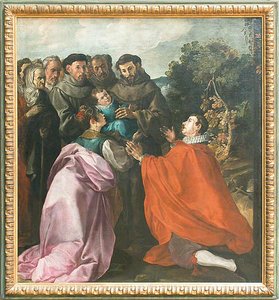
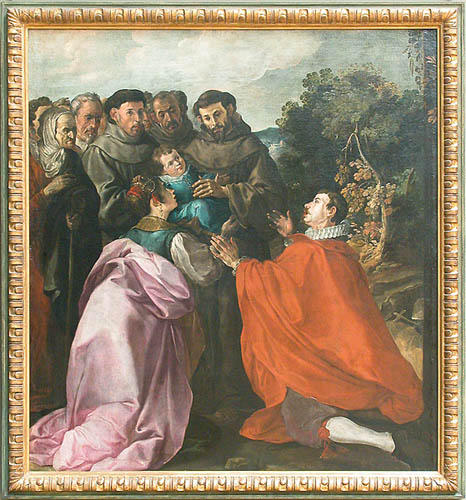
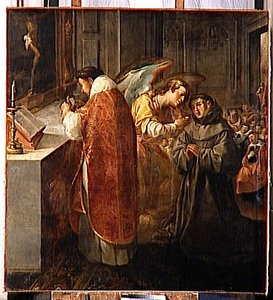
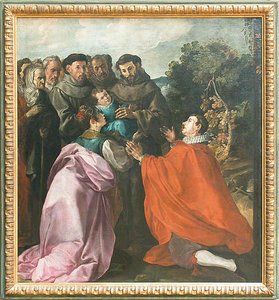
Curación de san Buenaventura niño por san Francisco


 Ver más
Giclée / Impresión de arte
Impresiones giclée o en lienzo de calidad de museo con producción rápida y opciones de acabado flexibles. ( Comprar pintura hecha a mano Comprar imagen)




P118B $10

P118H $10

P118W $10

P438Z $10

P508JH $12

P508YH $12

P805H $10

P805Z $10

P919BZ $10

P919G $10

P919XJ $10

P959ZH $10

P968JZ $12

W106C $8

W218G $10

W218JH $8

W218Y $10

W307PJ $10

W316G $10

W316PJ $8

W316Y $10

W398PJ $8

W4111J $10

W500HY $15

W500JH $15

W692G $12

W849H $8

W940BG $15

W953PJ $8




Elija entre nuestros tamaños predefinidos que respetan las proporciones originales de la obra.

Puede introducir sus propias dimensiones para adaptarse a un marco o espacio específico. Si el tamaño seleccionado no coincide con las proporciones de la imagen original, recortaremos la obra de arte o extenderemos la imagen con un borde con efecto espejo o de color sólido. Se enviará una maqueta digital para su aprobación antes de que comience la producción.
Tenga en cuenta que la vista previa en pantalla no refleja el recorte o la extensión real. Solo la maqueta mostrará con precisión la composición final.
Aunque existen tamaños personalizados, recomendamos seleccionar una dimensión de la lista predefinida para preservar las proporciones originales.
Envío a todo el mundo () en 2 semanas en lugar de las 4/5 semanas estándar. (5 septiembre)

Envío exprés gratuito a todo el mundo

Lienzo de lino de alta calidad

Seguro de envío total

Garantía de reembolso de impuestos aduaneros

Garantía de fidelidad cromática exacta

Política de devolución de 60 días (solo por defectos)

Garantía de devolución del 100% del dinero

Descuento por cantidad
 La opción de vidrio solo está disponible en tamaños inferiores a 110 cm.

Curación de san Buenaventura niño por san Francisco
Giclée / Impresión de arte
Dimensiones de la reproducción
-


Precio total final
$ 62
Un Encuentro Divino en el Esplendor Barroco
Estar frente a esta representación de la Guérison de saint Bonaventure enfant par saint François es adentrarse directamente en el corazón ferviente de la devoción española del siglo XVII. La escena late con una energía casi palpable, capturando un momento de intervención milagrosa: la curación de San Buenaventura por parte de San Francisco. No se trata simplemente de la representación de un evento; es una experiencia espiritual inmersiva plasmada en óleo. La composición en sí misma es una clase magistral de drama barroco, utilizando disposiciones dinámicas e intensidad emocional para atraer al espectador hacia la narrativa sagrada que se despliega ante sus ojos. Uno puede sentir el peso de la historia, el fervor de la fe y el puro poder de la gracia divina emanando del lienzo.
Maestría de la Luz y los Tonos Terrosos
Desde un punto de vista técnico, la pintura exhibe la profunda destreza de Francisco de Herrera le Vieux. Su manejo de la luz es particularmente notable; no se limita a iluminar, sino que parece emanar de la propia acción divina, proyectando luces dramáticas sobre las figuras mientras permite que sombras profundas y ricas aporten profundidad y misterio al entorno. La paleta está dominada por cálidos tonos terrosos —ocres, rojos intensos, marrones bruñidos y verdes apagados—, una resonancia característica del arte religioso español que ancla lo milagroso en una realidad tangible y terrenal. Observe cómo el artista construye el volumen; mediante una meticulosa superposición de veladuras y un uso estratégico del impasto, las texturas varían desde la piel suave e idealizada de las figuras hasta los pliegues ricamente articulados de sus túnicas y el denso follaje que las rodea. Este sofisticado manejo de los materiales da fe de un dominio técnico sin igual.
El Simbolismo de la Hermandad y la Sanación
Simbólicamente, la obra es rica en significado. La interacción entre San Francisco y el joven Buenaventura trasciende una simple narrativa; encarna temas de mentoría espiritual, intervención divina y el poder perdurable de la hermandad en la fe. Cada gesto —la postura de rodillas, las manos extendidas administrando auxilio— está imbuido de un profundo significado. El escenario, aunque dispuesto con cierto carácter teatral, sirve para centrar toda la atención en este acto central de gracia. Para el coleccionista o el admirador, estos elementos simbólicos ofrecen infinitas vías para la contemplación, invitando a una meditación personal sobre la redención y la renovación espiritual.
Un Toque de Grandeza de la Escuela Sevillana
Proveniente del vibrante crisol artístico de Sevilla, el estilo de Herrera le Vieux sitúa esta pieza firmemente dentro del linaje del Barroco español. Al tender un puente entre la elegancia manierista y el floreciente dinamismo barroco, su trabajo conserva una gravedad devocional que es a la vez inmediata y atemporal. La perspectiva ligeramente achatada, típica del énfasis de la época en la inmediatez emocional por encima de la estricta recesión renacentista, arrastra al espectador directamente hacia la acción. Poseer una reproducción de esta pieza permite llevar al hogar no solo una pintura, sino un eco tangible del apasionado espíritu artístico que definió el arte religioso español en su apogeo.
Obras relacionadas
Biografía del artista
The Soul of the Seville School: The Life and Legacy of Francisco de Herrera le Vieux
To encounter the works of Francisco de Herrera le Vieux is to witness the very moment when the restrained elegance of Mannerism surrendered to the breathtaking drama of the Baroque. Born in the vibrant artistic hub of Seville around 1590, Herrera emerged as a pivotal figure who did not merely participate in the Spanish Renaissance but actively helped redefine its emotional boundaries. His journey was one of profound transformation, bridging the gap between stylized, intellectual abstraction and a new, visceral reality that sought to touch the very soul of the viewer. As a foundational pillar of the Seville School, his brushwork became a vessel for spiritual fervor, turning canvas into a stage for divine intervention.
The formative years of Herrera were steeped in the rich, competitive atmosphere of Seville, a city flourishing under the patronage of the Habsburg reign. It was within the prestigious Escuela Real de San Fernando that his talent began to coalesce, shaped by an environment shared with other luminaries such as Diego Velázquez and Juan Carreton Céspedes. This period of intense training instilled in him a reverence for meticulous observation and a technical command over light and shadow. While his contemporaries often sought perfection through line and form, Herrera leaned into the burgeoning influence of Caravaggio, embracing the revolutionary use of chiaroscuro to create compositions that felt less like static images and more like theatrical, living moments.
A Master of Divine Drama and Technical Brilliance
The true essence of Herrera’s genius lies in his ability to render the miraculous with a tangible, earthly weight. His religious compositions are far more than mere illustrations of scripture; they are immersive spiritual experiences. In masterpieces such as Guérison de saint Bonaventure enfant par saint François, one observes a masterclass in Baroque energy. The artist utilizes dynamic arrangements and a palette dominated by warm earth tones—ochres, deep reds, and burnished browns—to ground the supernatural within a recognizable reality. His handling of light is particularly evocative; it does not simply illuminate the scene but seems to emanate from the divine action itself, casting dramatic highlights that pull the viewer into the sacred narrative.
Beyond the spiritual impact, Herrera’s technical prowess provided a blueprint for future generations of Spanish painters. He possessed an unparalleled ability to manipulate texture and volume through the strategic use of impasto and delicate glazes. This allowed him to capture the profound contrast between the soft luminescence of human skin and the heavy, tactile folds of velvet and liturgical robes. In works like Saint Basile dictant sa doctrine, his command over narrative density is evident, as figures emerge from deep, mysterious shadows in clusters that suggest both scholarly weight and divine inspiration. Every brushstroke serves a dual purpose: to build physical form and to heighten the emotional tension of the scene.
Historical Significance and Artistic Heritage
The historical importance of Francisco de Herrera le Vieux cannot be overstated, as his stylistic evolution mirrored the broader shift in European art toward emotional authenticity. By moving away from the rigid formalism of his predecessors, he helped establish a visual language for the Counter-Reformation—a language of movement, light, and palpable piety. His influence acted as a bridge, connecting the classical traditions of the Renaissance to the exuberant, high-drama era of the Baroque.
His legacy is woven into the very fabric of Spanish art history through several key contributions:
- Founding the Seville School: Alongside Velázquez, he helped establish Seville as one of the most influential artistic centers in Europe.
- Pioneering Baroque Emotion: He was instrumental in transitioning art from intellectual abstraction to a style characterized by dramatic lighting and intense human emotion.
- Technical Innovation: His sophisticated use of chiaroscuro and textural layering influenced the development of the Spanish Baroque aesthetic.
- Spiritual Narrative: He redefined religious iconography, making the divine feel accessible, physical, and profoundly moving for the faithful.
Though his life ended in 1656, the echoes of Herrera’s dramatic vision continue to resonate. He remains a titan of the Spanish Golden Age, an artist who understood that to truly depict the divine, one must first master the profound, beautiful, and often turbulent reality of the human experience.
francisco de herrera le vieux
1590 - 1656
Datos clave
- Artistic Movement Or Style: Baroque
- Artists Or Movements Influenced By This Artist: ['Diego Velázquez']
- Date Of Death: 1656
- Full Name: Francisco de Herrera le Vieux
- Nationality: Spanish
- Notable Artworks:
- The Last Judgment
- Holy Family
- Place Of Birth: Seville, Spain
Artículos relacionados
The Golden Age Reforged: Dramatic Realism & Religious Zeal in Spanish Baroque Art
Explore the dramatic world of Spanish Baroque art! Discover masters like Zurbarán & the powerful influence of religious zeal on painting techniques – a guide for collectors and enthusiasts.
Discover the Divine: Inspiring Saint Anthony Artworks to Elevate Your Home Decor
Transform your home with the profound beauty of Saint Anthony artworks. Explore exquisite Baroque reproductions by Murillo and Zurbarán, hand-painted on 100% cotton canvas to bring divine serenity and timeless elegance to your interior design.

The Dramatic Flourish: Exploring the Baroque Movement's Enduring Legacy in Art History
Explore the dramatic world of Baroque art! Discover iconic artists like Caravaggio & Rubens, defining techniques, and its lasting impact on art history. Expert insights for collectors & enthusiasts at ArtsDot.

Barroco Sublime: 10 Obras Maestras que Definieron una Época |
Descubre las 10 obras maestras del Barroco que marcaron una época. Caravaggio, Bernini y Velázquez cobran vida en . Reproducciones de arte de calidad museo para decorar tu hogar con elegancia. ¡Explora la colección online!
Theatricality & Triumph: Baroque Drama in Painting & Sculpture
Explore the dramatic world of Baroque art! Discover its history, defining characteristics, & lasting influence on painting & sculpture. Expert insights into Caravaggio, Zurbarán, and Bernini – plus high-quality reproductions at ArtsDot.