 Ver en contexto
 Enviar
 Compartir
 Detalles

 Descargar
 Similares
 Radiografía
 Presentación de diapositivas
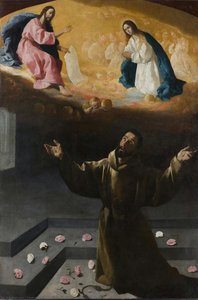
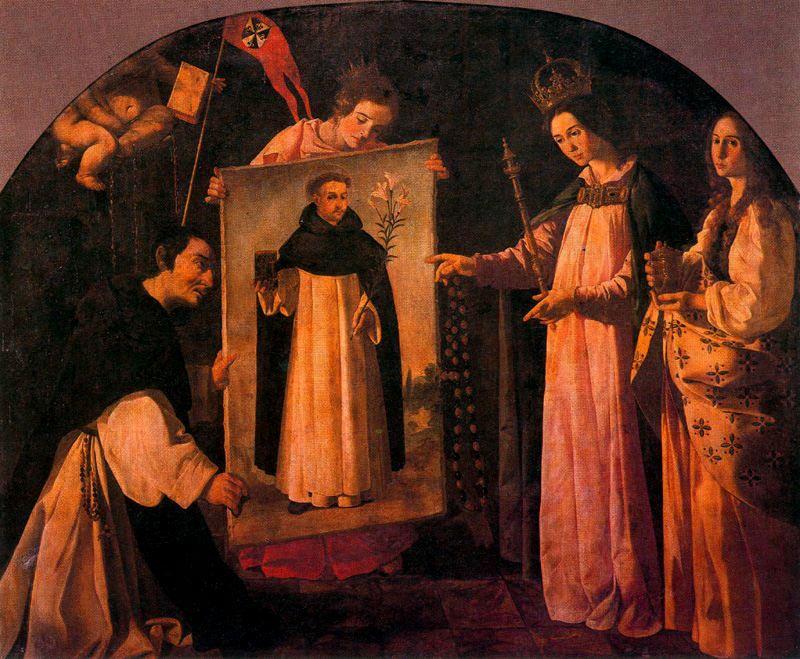
Aparición de la Virgen a los monjes de Soriano


 Ver más
Giclée / Impresión de arte
Impresiones giclée o en lienzo de calidad de museo con producción rápida y opciones de acabado flexibles. ( Comprar pintura hecha a mano Comprar imagen)




P118B $10

P118H $10

P118W $10

P438Z $10

P508JH $12

P508YH $12

P805H $10

P805Z $10

P919BZ $10

P919G $10

P919XJ $10

P959ZH $10

P968JZ $12

W106C $8

W218G $10

W218JH $8

W218Y $10

W307PJ $10

W316G $10

W316PJ $8

W316Y $10

W398PJ $8

W4111J $10

W500HY $15

W500JH $15

W692G $12

W849H $8

W940BG $15

W953PJ $8




Elija entre nuestros tamaños predefinidos que respetan las proporciones originales de la obra.

Puede introducir sus propias dimensiones para adaptarse a un marco o espacio específico. Si el tamaño seleccionado no coincide con las proporciones de la imagen original, recortaremos la obra de arte o extenderemos la imagen con un borde con efecto espejo o de color sólido. Se enviará una maqueta digital para su aprobación antes de que comience la producción.
Tenga en cuenta que la vista previa en pantalla no refleja el recorte o la extensión real. Solo la maqueta mostrará con precisión la composición final.
Aunque existen tamaños personalizados, recomendamos seleccionar una dimensión de la lista predefinida para preservar las proporciones originales.
Envío a todo el mundo () en 2 semanas en lugar de las 4/5 semanas estándar. (27 agosto)

Envío exprés gratuito a todo el mundo

Lienzo de lino de alta calidad

Seguro de envío total

Garantía de reembolso de impuestos aduaneros

Garantía de fidelidad cromática exacta

Política de devolución de 60 días (solo por defectos)

Garantía de devolución del 100% del dinero

Descuento por cantidad
 La opción de vidrio solo está disponible en tamaños inferiores a 110 cm.

Aparición de la Virgen a los monjes de Soriano
Giclée / Impresión de arte
Dimensiones de la reproducción
-


Precio total final
$ 62
Descripción de la pieza
A Vision in Shadow and Light
In the quiet, hallowed corridors of the Monastery of Soriano, a divine encounter unfolds upon the canvas, captured with the profound spiritual intensity that defines Francisco de Zurbarán’s mastery. Aparición de la Virgen a los monjes de Soriano is not merely a depiction of a religious event; it is an invitation into a moment of suspended animation, where the boundary between the earthly and the divine becomes perilously thin. The painting presents a tableau of serene contemplation, as the Virgin Mary manifests before a group of devoted monks, her presence cutting through the monastic gloom with a celestial grace. To gaze upon this work is to experience the very essence of tenebrismo, where the dramatic interplay of light and shadow does not just illuminate the scene but sculpts the very soul of the subjects.
The composition is anchored by a palpable sense of reverence, drawing the viewer into the intimate circle of prayer. At the heart of this sacred gathering, figures are rendered with a breathtaking, tactile realism that makes the heavy folds of their monastic robes feel almost tangible. Zurbarán employs a muted, earthy palette—dominated by deep browns, ochres, and somber shadows—to cultivate an atmosphere of austere piety. This deliberate restraint in color allows the light to perform its most miraculous feat: it strikes the figures with surgical precision, highlighting the textures of cloth and the solemn expressions of the monks, thereby transforming a simple religious narrative into a profound sensory experience.
The Echoes of the Counter-Reformation
To understand the weight of this masterpiece, one must look to the turbulent era of the Spanish Golden Age. Created between 1630 and 1632, the painting emerged during the height of the Counter-Reformation, a period when the Catholic Church sought to reaffirm its doctrines through art that was both emotionally stirring and visually didactic. Zurbarán, often referred to as the "Spanish Caravaggio," became a premier visual storyteller for this movement. His ability to imbue religious iconography with a sense of monumental gravity served a vital purpose: to inspire unshakeable faith and to make the miraculous feel accessible to the faithful. The monastery setting, rooted in the rugged landscapes of Extremadura, provides a historical anchor that resonates with the period's commitment to asceticism and unwavering devotion.
Every element within the frame serves as a symbol of spiritual endurance. The stark contrasts between the encroaching darkness and the sudden bursts of light act as metaphors for the struggle between ignorance and enlightenment, or sin and grace. For the modern collector or interior designer, this painting offers more than just aesthetic beauty; it provides a focal point of profound stillness. In an era of constant digital noise, the "monastic gravity" of Zurbarán’s work offers a sanctuary of silence. A high-quality reproduction of this piece brings a sense of historical depth and contemplative elegance to any space, making it an ideal selection for those looking to curate an environment defined by sophistication, heritage, and a timeless, soulful resonance.
Obras relacionadas
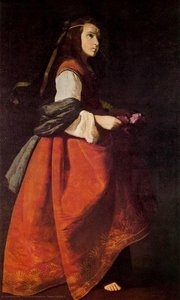
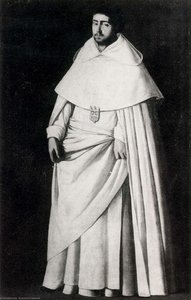
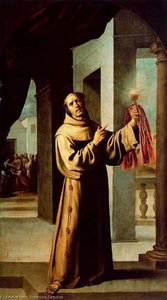
Biografía del artista
vida temprana y formación
francisco de zurbarán, un destacado pintor español, nació en 1598 en Extremadura, España. Su viaje artístico comenzó bajo la guía de alejandro de la mina, pero fue su tiempo con alonso de najera quien verdaderamente moldeó su estilo barroco.carrera artística y obras notables
La obra de Zurbarán se caracteriza por el uso dramático de la luz y la sombra, una técnica conocida como tenebrismo. Esto puede verse en el sudario de Santa Verónica, un cuadro que muestra su maestría sobre el medio. *- La Inmaculada Concepción (c. 1635), un ejemplo primario del trabajo temprano de Zurbarán, se encuentra ahora en el Museo de Bellas Artes, Bilbao.
- El Águila Divina (c. 1640), un poderoso símbolo de devoción religiosa, forma parte de la colección del Metropolitan Museum of Art.
- El tema apócrifo de la aparición de la Virgen a San Juan, otra pieza notable, demuestra su capacidad para equilibrar la luz y la oscuridad.
legado e influencia
La influencia de Zurbarán en el barroco español es innegable. Su uso del claroscuro ha inspirado a generaciones de artistas. El círculo de Francisco de Zurbarán, un grupo de artistas influenciado por su obra, continuó ampliando los límites del tenebrismo. * puntos clave: * Activo en Sevilla, España, desde 1614. * Conocido por la iluminación dramática y la intensa profundidad emocional. * Influyó en numerosos pintores barrocos españoles.conclusión
El legado de Francisco Zurbarán es un testimonio del poder perdurable del arte barroco. Su innovador uso de la luz y la sombra ha dejado una marca indeleble en el mundo del arte, inspirando a innumerables artistas y consolidando su lugar en la historia. * lectura adicional: * [https://ArtsDot.com/@/francisco-zurbaran](https://ArtsDot.com/@/francisco-zurbaran) - explore más obras de Zurbarán en ArtsDot. * [https://wikipedia.org/wiki/francisco_de_zurbarán](https://wikipedia.org/wiki/francisco_de_zurbarán) - profundice en la vida y las influencias del artista.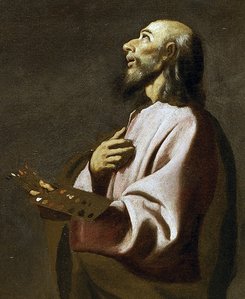
Francisco de Zurbarán
1598 - 1664 , España
Datos clave
- Artistas Que Influyeron:
- Alejandro de la Mina
- Alonso de Najera
- Juan Sánchez Cotán
- Estilo Artístico: Barroco
- Fecha De Muerte: 1664
- Fecha De Nacimiento: 1598
- Influencia En Artistas: Círculo de Zurbarán
- Lugar De Nacimiento: Fuente de Cantos, España
- Nacionalidad: Española
- Nombre Completo: Francisco de Zurbarán
- Obras Notables:
- Inmaculada Concepción
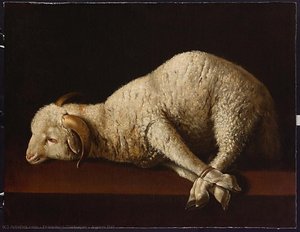
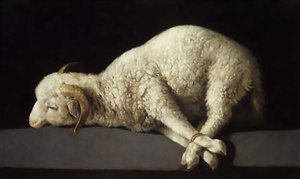
- Agnus Dei
- Sudario de Santa Verónica
Artículos relacionados
The Golden Age Reforged: Dramatic Realism & Religious Zeal in Spanish Baroque Art
Explore the dramatic world of Spanish Baroque art! Discover masters like Zurbarán & the powerful influence of religious zeal on painting techniques – a guide for collectors and enthusiasts.
Francisco de Zurbarán: Mysticism, Realism & the Golden Age of Spanish Painting
Explore the captivating world of Francisco de Zurbarán, a master of Spanish Baroque painting. Discover his dramatic tenebrism, religious masterpieces like 'La Porciúncula,' and lasting influence on art history.

The Dramatic Flourish: Exploring the Baroque Movement's Enduring Legacy in Art History
Explore the dramatic world of Baroque art! Discover iconic artists like Caravaggio & Rubens, defining techniques, and its lasting impact on art history. Expert insights for collectors & enthusiasts at ArtsDot.
The Dramatic Flourish: Exploring Themes of Power, Faith & Emotion in Baroque Artworks
Explore the dramatic world of Baroque art! Discover masters like Zurbarán & the powerful influence of religious zeal on painting techniques. Expert insights for collectors and enthusiasts.
Theatricality & Triumph: Baroque Drama in Painting & Sculpture
Explore the dramatic world of Baroque art! Discover its history, defining characteristics, & lasting influence on painting & sculpture. Expert insights into Caravaggio, Zurbarán, and Bernini – plus high-quality reproductions at ArtsDot.