

 Vista previa
 Compartir
 Compartir
 Ver detalles

 Descargar
 Ver similares
 Radiografía
 Presentación de diapositivas
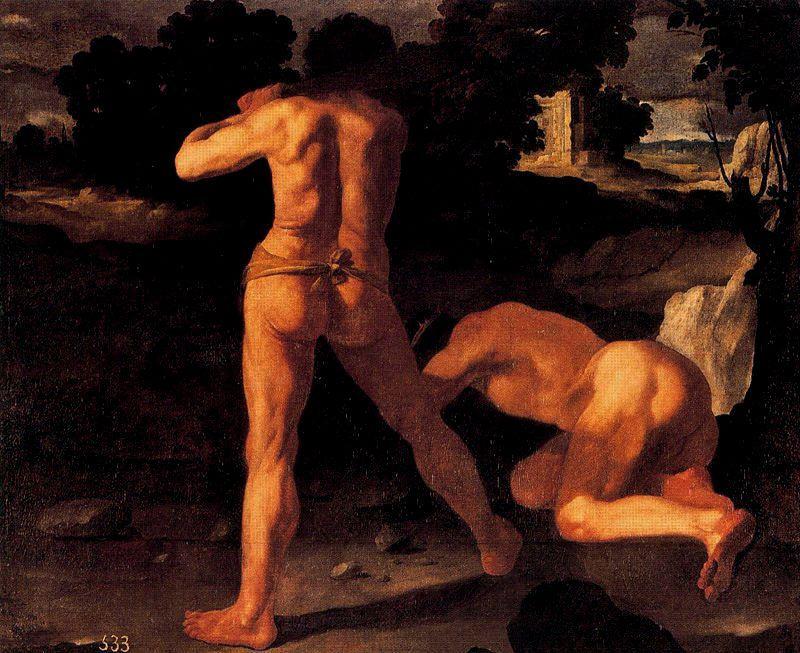
Hércules vence a Gerión

 Leer más
Adquiera una imagen digital de alta resolución y optimizada, muy superior a la vista previa en línea.
Cada archivo es preparado meticulosamente por nuestros especialistas internos mediante el uso de herramientas avanzadas y un experto retoque manual. Nos aseguramos de que cada imagen posea una claridad excepcional, una precisión cromática impecable y un detalle minucioso.
El archivo final se entrega por correo electrónico en un plazo de 72 horas, optimizado para su uso inmediato en entornos profesionales, editoriales y de impresión. Esta es la misma calidad en la que confían los estudios de diseño, las editoriales y las galerías de primer nivel.
Imagen Digital
Descarga un archivo de alta resolución para exhibición personal, impresión y proyectos creativos. ( Pedir impresión Encargar reproducción pintada a mano)
Incluido en cada compra de imágenes digitales
Entrega digital experta, garantizada.
Al elegir ArtsDot.com, no solo está adquiriendo una imagen; está recibiendo una obra de arte digital mejorada profesionalmente, elaborada con precisión y respaldada por una garantía de satisfacción. Esto es todo lo que incluye su pedido, automáticamente:

Entrega rápida por email
Recibirá su archivo de imagen digital en alta resolución por correo electrónico en un plazo de 72 horas tras realizar su pedido, listo para su uso inmediato.

Archivo digital optimizado por IA
Su obra de arte se optimiza profesionalmente mediante herramientas avanzadas de IA y edición manual, garantizando el máximo detalle, claridad y precisión cromática.

Reenvío gratuito de por vida
¿Has borrado o perdido tu archivo por error? No te preocupes: te lo volveremos a enviar en cualquier momento, sin coste adicional.

Sin gastos de importación, siempre
Disfrute de su obra de arte al instante sin aduanas, aranceles ni gastos de envío; las descargas digitales siempre están libres de impuestos.

Garantía de precisión de color
Garantizamos que su imagen digital refleje los colores originales con la mayor fidelidad posible, mediante el uso de herramientas profesionales y gestión del color.

Garantía de satisfacción de 60 días
Si no está satisfecho con su imagen digital, la revisaremos o le reembolsaremos el 100% en un plazo de 60 días, sin preguntas.

100% Garantía de devolución de dinero
¿No está satisfecho? Obtenga un reembolso completo dentro de los 60 días posteriores a la recepción de su archivo digital, sin necesidad de explicaciones.

Descuentos por volumen
Compra 3 imágenes, ahorra 10% - Compra 5, ahorra 15% - Compra 10+, ahorra 20%. Ideal para proyectos creativos, galerías y agencias.
Descripción del coleccionable
A Dramatic Encounter: The Raw Power of Zurbarán’s “Hércules Vences a Gerión”
Francisco de Zurbarán's "Hércules Vences a Gerión" is not merely a depiction of a mythological struggle; it’s a profound meditation on strength, vulnerability, and the brutal realities of divine justice. Painted around 1630-1635, this arresting work embodies the artist’s signature style – a stark realism infused with an almost palpable spiritual intensity. The scene unfolds within a shadowed forest, a deliberately ambiguous space that feels both earthly and otherworldly. The figures, rendered in meticulous detail, are stripped bare of ornamentation, their bodies sculpted with a reverence typically reserved for religious icons. This deliberate reduction to the essential form is characteristic of Zurbarán’s approach, prioritizing emotional truth over superficial beauty.
At the heart of the composition stands Hercules, his posture conveying an immense physical and mental strain. The rope binding his waist isn't a symbol of submission but rather a testament to his victory – a tangible reminder of the monstrous Gerión he has subdued. His hand, poised as if about to strike, suggests a controlled fury, a readiness to deliver final judgment. Gerión, kneeling in defeat, is presented with agonizing realism; his body contorted in pain, his face etched with despair. The artist masterfully uses chiaroscuro – the dramatic contrast between light and shadow – to heighten the sense of drama and emphasize the figures’ physicality. This technique, deeply rooted in Caravaggio's influence, plunges the scene into a world of intense emotion, forcing the viewer to confront the consequences of violence and the weight of destiny.
The Baroque Master and His Spiritual Vision
Francisco de Zurbarán was a pivotal figure within the Spanish Baroque movement, yet his style diverged significantly from the opulent grandeur favored by many of his contemporaries. Born in Fuente de Cantos, Extremadura, he developed an artistic sensibility deeply influenced by the austere landscapes and fervent religious atmosphere of his youth. Unlike the flamboyant colors and elaborate compositions of other Baroque painters, Zurbarán’s palette is restrained – dominated by deep browns, ochres, and blacks—creating a somber, almost monastic quality to his work. This deliberate austerity reflects his profound faith and his belief in art's ability to convey spiritual truths.
His training under Alonso de Najera exposed him to the emerging Baroque style, but Zurbarán quickly established his own distinct voice. He was particularly renowned for his depictions of monks and saints, capturing their solemnity and devotion with remarkable accuracy. “Hércules Vences a Gerión” exemplifies this talent, demonstrating his ability to imbue secular subjects – in this case, a mythological hero – with the same spiritual weight as religious figures. The painting’s historical context is crucial; it emerged during a period of intense religious fervor and political instability in Spain. The Counter-Reformation was actively seeking to reassert the Catholic Church's authority after the Protestant Reformation, and Zurbarán’s work served as a powerful visual reminder of divine power and the importance of faith.
Symbolism and Emotional Resonance
Beyond its narrative content, “Hércules Vences a Gerión” is rich in symbolic meaning. The forest itself represents the wilderness of temptation and sin, while Hercules embodies strength, justice, and righteousness. Gerión, on the other hand, symbolizes chaos, primal instincts, and the forces that threaten to disrupt divine order. The act of subjugation—Hercules’s grip on Gerión's rope—represents the triumph of good over evil, but also the inherent cost of victory. The painting doesn’t glorify violence; rather, it presents it as a necessary, albeit painful, consequence of upholding moral principles.
The emotional impact of this work is profound and enduring. It evokes feelings of awe, respect for Hercules's strength, and empathy for Gerión’s suffering. The stark realism and dramatic lighting create a sense of immediacy, drawing the viewer into the scene and forcing them to confront its weighty themes. Reproductions of “Hércules Vences a Gerión” offer a remarkable opportunity to experience the power and artistry of this iconic masterpiece, bringing Zurbarán's spiritual vision into any space.
Obras relacionadas
Biografía del artista
vida temprana y formación
francisco de zurbarán, un destacado pintor español, nació en 1598 en Extremadura, España. Su viaje artístico comenzó bajo la guía de alejandro de la mina, pero fue su tiempo con alonso de najera quien verdaderamente moldeó su estilo barroco.carrera artística y obras notables
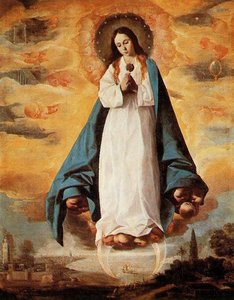
La obra de Zurbarán se caracteriza por el uso dramático de la luz y la sombra, una técnica conocida como tenebrismo. Esto puede verse en el sudario de Santa Verónica, un cuadro que muestra su maestría sobre el medio. *- La Inmaculada Concepción (c. 1635), un ejemplo primario del trabajo temprano de Zurbarán, se encuentra ahora en el Museo de Bellas Artes, Bilbao.
- El Águila Divina (c. 1640), un poderoso símbolo de devoción religiosa, forma parte de la colección del Metropolitan Museum of Art.
- El tema apócrifo de la aparición de la Virgen a San Juan, otra pieza notable, demuestra su capacidad para equilibrar la luz y la oscuridad.
legado e influencia
La influencia de Zurbarán en el barroco español es innegable. Su uso del claroscuro ha inspirado a generaciones de artistas. El círculo de Francisco de Zurbarán, un grupo de artistas influenciado por su obra, continuó ampliando los límites del tenebrismo. * puntos clave: * Activo en Sevilla, España, desde 1614. * Conocido por la iluminación dramática y la intensa profundidad emocional. * Influyó en numerosos pintores barrocos españoles.conclusión
El legado de Francisco Zurbarán es un testimonio del poder perdurable del arte barroco. Su innovador uso de la luz y la sombra ha dejado una marca indeleble en el mundo del arte, inspirando a innumerables artistas y consolidando su lugar en la historia. * lectura adicional: * [https://ArtsDot.com/@/francisco-zurbaran](https://ArtsDot.com/@/francisco-zurbaran) - explore más obras de Zurbarán en ArtsDot. * [https://wikipedia.org/wiki/francisco_de_zurbarán](https://wikipedia.org/wiki/francisco_de_zurbarán) - profundice en la vida y las influencias del artista.
Francisco de Zurbarán
1598 - 1664 , España
Datos clave
- Artistas Que Influyeron:
- Alejandro de la Mina
- Alonso de Najera
- Juan Sánchez Cotán
- Estilo Artístico: Barroco
- Fecha De Muerte: 1664
- Fecha De Nacimiento: 1598
- Influencia En Artistas: Círculo de Zurbarán
- Lugar De Nacimiento: Fuente de Cantos, España
- Nacionalidad: Española
- Nombre Completo: Francisco de Zurbarán
- Obras Notables:
- Inmaculada Concepción
- Agnus Dei
- Sudario de Santa Verónica

