 Ver en contexto
 Enviar
 Compartir
 Detalles

 Descargar
 Similares
 Radiografía
 Presentación de diapositivas
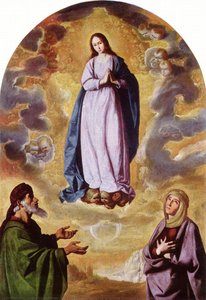
Inmaculada 1

 Ver más
Reproducción al óleo hecha a mano
Óleo sobre lienzo pintado a mano en el tamaño y marco de su elección, realizado por encargo por nuestros artistas. ( Comprar impresión Comprar imagen)




P118B $10

P118H $10

P118W $10

P438Z $10

P508JH $12

P508YH $12

P805H $10

P805Z $10

P919BZ $10

P919G $10

P919XJ $10

P959ZH $10

P968JZ $12

W106C $8

W218G $10

W218JH $8

W218Y $10

W307PJ $10

W316G $10

W316PJ $8

W316Y $10

W398PJ $8

W4111J $10

W500HY $15

W500JH $15

W692G $12

W849H $8

W940BG $15

W953PJ $8




Elija entre nuestros tamaños predefinidos que respetan las proporciones originales de la obra.

Puede ingresar sus propias dimensiones para adaptarse a un marco o espacio específico. Si el tamaño seleccionado no coincide con las proporciones de la imagen original, recortaremos la obra o extenderemos la pintura con elementos adicionales pintados a mano. Se le enviará una maqueta digital para su aprobación antes de comenzar la producción.
Tenga en cuenta que la vista previa en pantalla no refleja el recorte o la extensión reales. Solo la maqueta mostrará con precisión la composición final.
Si bien existen tamaños personalizados, recomendamos seleccionar una dimensión de la lista predefinida para preservar las proporciones originales.
Tras realizar el pedido, el equipo de ArtsDot.com enviará un correo electrónico al cliente para solicitar instrucciones y proporcionarle una vista previa del boceto.
Envío a todo el mundo () en 3-4 semanas en lugar de las 5 semanas estándar. (7 septiembre). Sin comprometer la calidad.

Envío exprés gratuito a todo el mundo

Lienzo de lino de alta calidad

Seguro de envío total

Garantía de reembolso de impuestos aduaneros

Garantía de fidelidad cromática exacta

Política de devolución de 100 días (solo por defectos)

Garantía de devolución del 100% del dinero

Descuento por cantidad
 La opción de vidrio solo está disponible en tamaños inferiores a 110 cm.

Inmaculada 1
Técnica de reproducción
Dimensiones de la reproducción
-


Precio total final
$ 263
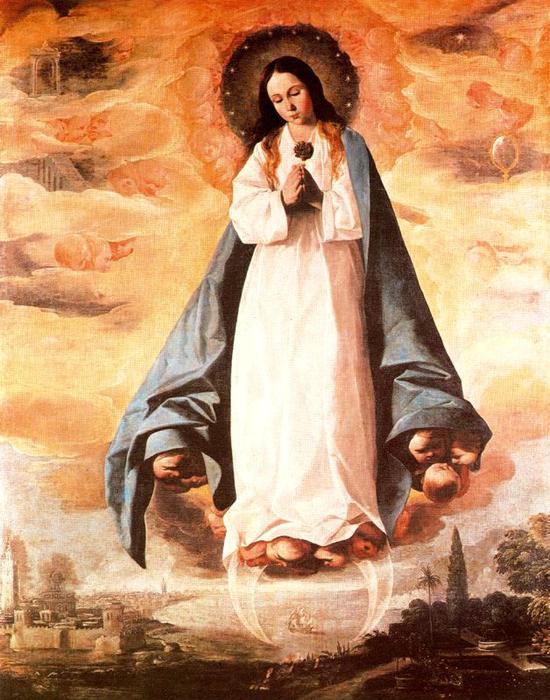
A Testament to Faith: Exploring Francisco de Zurbarán’s “Inmaculada”
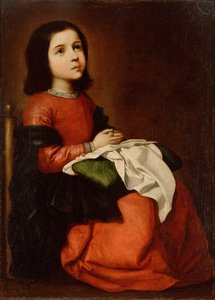
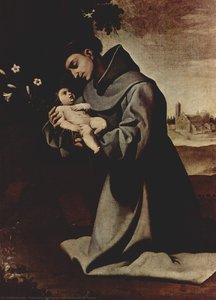
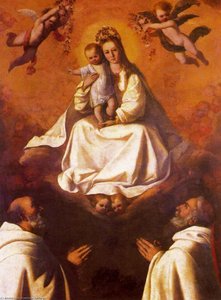
The painting "Inmaculada" by Francisco de Zurbarán stands as an enduring emblem of Baroque piety and artistic mastery, transporting viewers back to 17th-century Spain. More than just a depiction of the Virgin Mary cradling Jesus—a motif prevalent throughout Christian iconography—this artwork embodies a profound spiritual contemplation that continues to resonate with audiences today. Its austere beauty derives from Zurbarán’s meticulous attention to detail and his masterful manipulation of light, creating an atmosphere of serene solemnity unlike anything produced before him.The Style and Technique: Baroque Minimalism
Zurbarán's approach to painting aligns perfectly with the tenets of Baroque art—specifically its embrace of dramatic chiaroscuro, or strong contrasts between light and dark. Unlike the opulent grandeur favored by many contemporaries, Zurbarán deliberately eschewed excessive ornamentation, prioritizing instead a reductive style that focused on conveying spiritual essence through carefully considered forms and textures. He achieved this remarkable feat using oil paint on canvas, applying thin glazes to build up tonal gradations with painstaking precision. This technique allowed him to sculpt the figures almost as if they were carved from stone, emphasizing their physicality while simultaneously elevating them to a realm of divine grace. The artist’s masterful use of modeling and shading contributes significantly to the painting's emotional impact—drawing the eye inward toward the central Madonna and Child.Historical Context: Spain Under Habsburg Rule
“Inmaculada” emerged during the reign of Philip IV, marking a pivotal moment in Spanish history as the Habsburg dynasty consolidated its power and exerted considerable influence across Europe. The Baroque period itself was characterized by a fervent religious revival following the Protestant Reformation, fueled by papal decrees and driven by an earnest desire to reaffirm Catholic dogma. Artists like Zurbarán responded to this cultural climate by producing works that aimed to inspire devotion and communicate theological truths with unwavering conviction. This painting reflects the prevailing artistic sensibilities of its time—a yearning for transcendence expressed through restrained visual language.Symbolism: Light as Divine Revelation
The pervasive use of light within “Inmaculada” is laden with symbolic significance. Zurbarán skillfully employs a single, diffused beam of illumination to bathe Mary and Jesus in an ethereal glow, representing divine grace and illuminating the sacred narrative. This technique harkens back to biblical depictions of God’s radiant presence—emphasizing the Madonna's purity and highlighting the infant Jesus as the embodiment of Christ’s divinity. The surrounding darkness serves not merely as a backdrop but actively contributes to the painting’s emotional depth, symbolizing spiritual obscurity and inviting contemplation on themes of faith and humility.Emotional Impact: Reverence and Contemplation
Ultimately, “Inmaculada” transcends mere visual representation; it evokes a powerful sense of reverence and invites viewers into a state of meditative contemplation. The stillness of the figures—Mary’s serene gaze and Jesus’ peaceful repose—communicates an unwavering faith and conveys a profound understanding of spiritual truth. Zurbarán's ability to capture this intangible quality—the very essence of piety—solidifies his place among the greatest Baroque painters, ensuring that “Inmaculada” continues to inspire awe and admiration for centuries to come.Obras relacionadas
Biografía del artista
vida temprana y formación
francisco de zurbarán, un destacado pintor español, nació en 1598 en Extremadura, España. Su viaje artístico comenzó bajo la guía de alejandro de la mina, pero fue su tiempo con alonso de najera quien verdaderamente moldeó su estilo barroco.carrera artística y obras notables
La obra de Zurbarán se caracteriza por el uso dramático de la luz y la sombra, una técnica conocida como tenebrismo. Esto puede verse en el sudario de Santa Verónica, un cuadro que muestra su maestría sobre el medio. *- La Inmaculada Concepción (c. 1635), un ejemplo primario del trabajo temprano de Zurbarán, se encuentra ahora en el Museo de Bellas Artes, Bilbao.
- El Águila Divina (c. 1640), un poderoso símbolo de devoción religiosa, forma parte de la colección del Metropolitan Museum of Art.
- El tema apócrifo de la aparición de la Virgen a San Juan, otra pieza notable, demuestra su capacidad para equilibrar la luz y la oscuridad.
legado e influencia
La influencia de Zurbarán en el barroco español es innegable. Su uso del claroscuro ha inspirado a generaciones de artistas. El círculo de Francisco de Zurbarán, un grupo de artistas influenciado por su obra, continuó ampliando los límites del tenebrismo. * puntos clave: * Activo en Sevilla, España, desde 1614. * Conocido por la iluminación dramática y la intensa profundidad emocional. * Influyó en numerosos pintores barrocos españoles.conclusión
El legado de Francisco Zurbarán es un testimonio del poder perdurable del arte barroco. Su innovador uso de la luz y la sombra ha dejado una marca indeleble en el mundo del arte, inspirando a innumerables artistas y consolidando su lugar en la historia. * lectura adicional: * [https://ArtsDot.com/@/francisco-zurbaran](https://ArtsDot.com/@/francisco-zurbaran) - explore más obras de Zurbarán en ArtsDot. * [https://wikipedia.org/wiki/francisco_de_zurbarán](https://wikipedia.org/wiki/francisco_de_zurbarán) - profundice en la vida y las influencias del artista.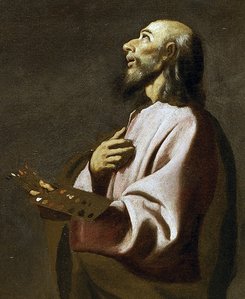
Francisco de Zurbarán
1598 - 1664 , España
Datos clave
- Artistas Que Influyeron:
- Alejandro de la Mina
- Alonso de Najera
- Juan Sánchez Cotán
- Estilo Artístico: Barroco
- Fecha De Muerte: 1664
- Fecha De Nacimiento: 1598
- Influencia En Artistas: Círculo de Zurbarán
- Lugar De Nacimiento: Fuente de Cantos, España
- Nacionalidad: Española
- Nombre Completo: Francisco de Zurbarán
- Obras Notables:
- Inmaculada Concepción
- Agnus Dei
- Sudario de Santa Verónica
Artículos relacionados

Barroco Sublime: 10 Obras Maestras que Definieron una Época |
Descubre las 10 obras maestras del Barroco que marcaron una época. Caravaggio, Bernini y Velázquez cobran vida en . Reproducciones de arte de calidad museo para decorar tu hogar con elegancia. ¡Explora la colección online!
Fra Angelico: Las 25 Obras Maestras del Renacimiento para Decorar con Arte y Fe
Descubre las 25 obras maestras de Fra Angelico, el pintor renacentista que llenó el arte sacro de luz y fe. Explora su técnica, simbolismo y belleza en frescos e iconos. Encuentra reproducciones de alta calidad para decorar tu hogar con ArtsDot.com.

Giotto di Bondone: Las 25 Obras Maestras que Definieron el Renacimiento | ArtsDot
Descubre las 25 obras maestras de Giotto di Bondone, el pionero del Renacimiento. Explora la historia, técnica y simbolismo de sus frescos italianos más icónicos. Encuentra reproducciones de arte exclusivas para decorar tu hogar en ArtsDot.com.
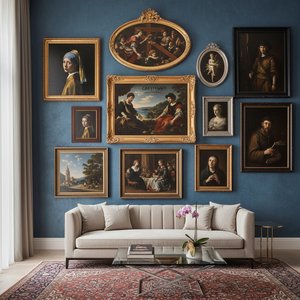
Barroco en su Esplendor: 10 Obras Maestras que Definieron una Época | ArtsDot
Descubre las 10 obras maestras del Barroco que revolucionaron el arte. Caravaggio, Rembrandt y Velázquez te esperan en ArtsDot. Reproducciones de alta calidad para decorar tu hogar con la grandeza de este estilo. ¡Explora la colección online!

The Dramatic Flourish: Exploring the Baroque Movement's Enduring Legacy in Art History
Explore the dramatic world of Baroque art! Discover iconic artists like Caravaggio & Rubens, defining techniques, and its lasting impact on art history. Expert insights for collectors & enthusiasts at ArtsDot.