 Ver en contexto
 Enviar
 Compartir
 Detalles

 Descargar
 Similares
 Radiografía
 Presentación de diapositivas
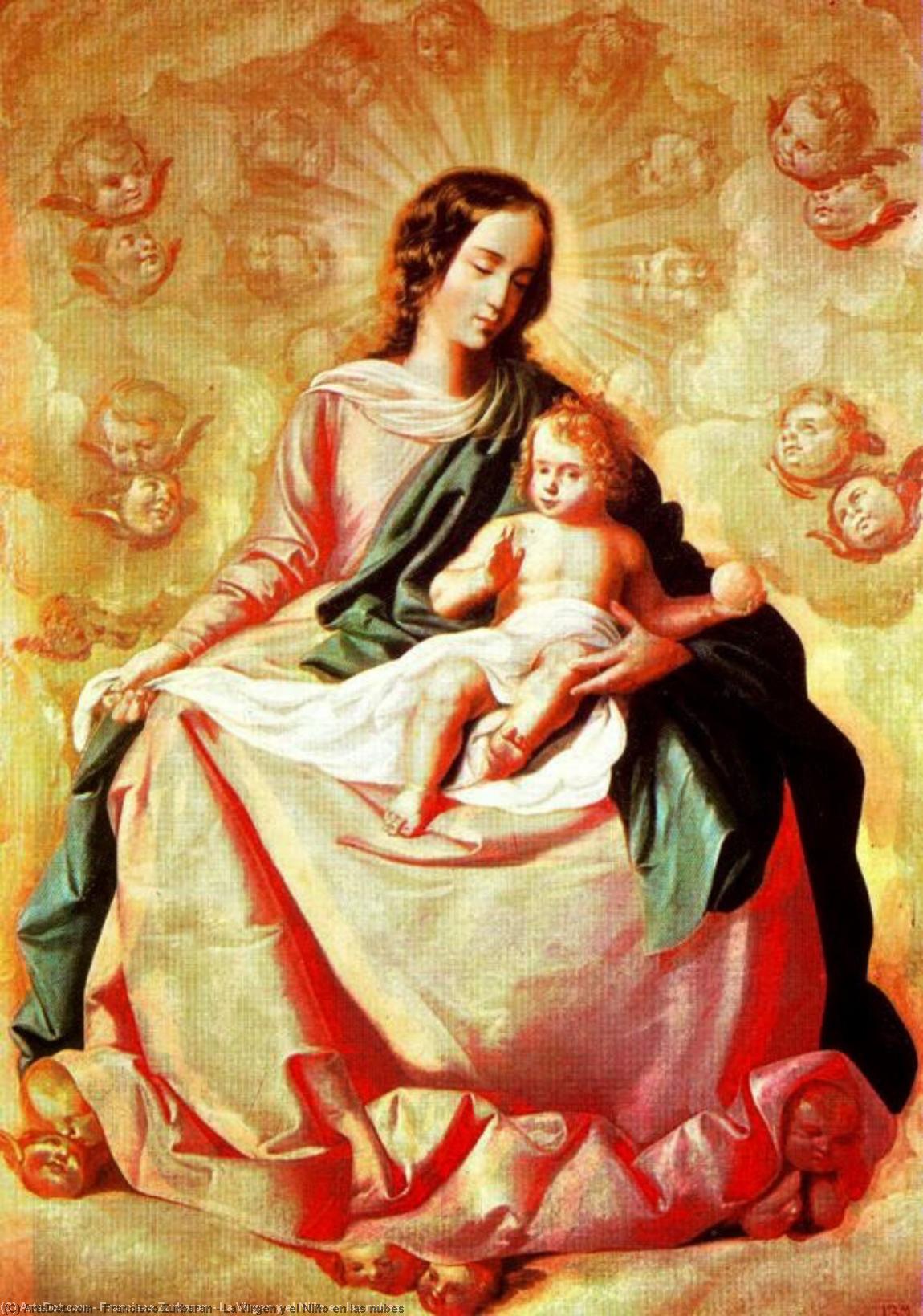
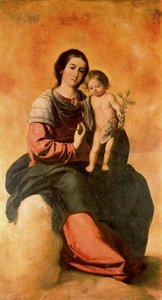
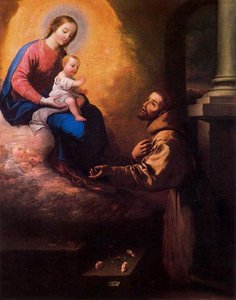
La Virgen y el Niño en las nubes

 Ver más
Reproducción al óleo hecha a mano
Óleo sobre lienzo pintado a mano en el tamaño y marco de su elección, realizado por encargo por nuestros artistas. ( Comprar impresión Comprar imagen)




P118B $10

P118H $10

P118W $10

P438Z $10

P508JH $12

P508YH $12

P805H $10

P805Z $10

P919BZ $10

P919G $10

P919XJ $10

P959ZH $10

P968JZ $12

W106C $8

W218G $10

W218JH $8

W218Y $10

W307PJ $10

W316G $10

W316PJ $8

W316Y $10

W398PJ $8

W4111J $10

W500HY $15

W500JH $15

W692G $12

W849H $8

W940BG $15

W953PJ $8




Elija entre nuestros tamaños predefinidos que respetan las proporciones originales de la obra.

Puede ingresar sus propias dimensiones para adaptarse a un marco o espacio específico. Si el tamaño seleccionado no coincide con las proporciones de la imagen original, recortaremos la obra o extenderemos la pintura con elementos adicionales pintados a mano. Se le enviará una maqueta digital para su aprobación antes de comenzar la producción.
Tenga en cuenta que la vista previa en pantalla no refleja el recorte o la extensión reales. Solo la maqueta mostrará con precisión la composición final.
Si bien existen tamaños personalizados, recomendamos seleccionar una dimensión de la lista predefinida para preservar las proporciones originales.
Tras realizar el pedido, el equipo de ArtsDot.com enviará un correo electrónico al cliente para solicitar instrucciones y proporcionarle una vista previa del boceto.
Envío a todo el mundo () en 3-4 semanas en lugar de las 5 semanas estándar. (7 septiembre). Sin comprometer la calidad.

Envío exprés gratuito a todo el mundo

Lienzo de lino de alta calidad

Seguro de envío total

Garantía de reembolso de impuestos aduaneros

Garantía de fidelidad cromática exacta

Política de devolución de 100 días (solo por defectos)

Garantía de devolución del 100% del dinero

Descuento por cantidad
 La opción de vidrio solo está disponible en tamaños inferiores a 110 cm.

La Virgen y el Niño en las nubes
Técnica de reproducción
Dimensiones de la reproducción
-


Precio total final
$ 263
A Celestial Embrace: Exploring Zurbarán’s ‘La Virgen y el Niño en las nubes’
Francisco de Zurbarán's “La Virgen y el Niño en las nubes” is more than just a depiction of the Virgin Mary and Child; it’s an immersion into the profound spiritual atmosphere that defined the artist’s extraordinary career. Born in 1598 in Fuente de Cantos, Extremadura, Zurbarán was inextricably linked to the austere beauty and deep religious convictions of his homeland. This connection manifests powerfully in this painting – a testament to his mastery of capturing not just physical likeness but also the very essence of faith and devotion. The scene unfolds with an almost palpable stillness, drawing the viewer into a moment of serene contemplation, a feeling deeply rooted in the artistic traditions of Extremadura.
- Subject Matter: The painting’s central focus is undeniably the Virgin Mary, presented with unwavering dignity and tenderness as she cradles her infant son. This iconic pairing, a cornerstone of Christian iconography, is rendered with an unparalleled sense of realism and emotional depth.
- Composition & Movement: Despite the stillness implied by the subject matter, Zurbarán skillfully employs dynamic composition. The angels, depicted in various states of flight, create a swirling vortex around the central figures, adding a sense of movement and energy to the otherwise tranquil scene. Their outstretched wings and upward gazes amplify the feeling of awe and reverence.
The Baroque Influence & Zurbarán’s Distinctive Style
Zurbarán's artistic journey began within the Seville workshop of Alonso de Najera, where he initially absorbed the burgeoning Baroque style – a dramatic shift from the more restrained traditions of his predecessors. However, it was in Extremadura that Zurbarán truly forged his own path. His work is characterized by an almost obsessive attention to detail, achieved through meticulous observation and painstaking technique. He employed *sfumato*, a subtle blurring effect, to create soft transitions between light and shadow, lending a remarkable sense of volume and realism to the figures. The use of tenebrism – dramatic contrasts between light and dark – further intensifies the emotional impact of the scene, directing the viewer’s eye towards the central figures and amplifying their spiritual significance.
- Technique: Zurbarán's signature technique involved applying thin layers of oil paint, allowing each layer to dry before adding the next. This process resulted in a remarkable depth of color and texture, particularly evident in the fabrics worn by the Virgin Mary and her child.
- Light & Shadow: The masterful manipulation of light is central to Zurbarán’s style. He often worked *en plein air*, capturing the natural light of the day and using it to illuminate his subjects, creating a sense of immediacy and authenticity.
Symbolism and Spiritual Resonance
"La Virgen y el Niño en las nubes" is rich in symbolic meaning, reflecting the profound religious beliefs of 17th-century Spain. The angels surrounding the Virgin Mary represent divine assistance and protection, while their upward gaze symbolizes humanity’s yearning for spiritual enlightenment. The clouds themselves evoke a sense of transcendence, suggesting that the scene takes place beyond earthly concerns. The painting's overall effect is one of profound serenity and spiritual solace – a timeless representation of faith, love, and devotion.
A Timeless Masterpiece: Reproduction Possibilities
ArtsDot offers meticulously crafted hand-painted reproductions of “La Virgen y el Niño en las nubes,” allowing you to bring this iconic masterpiece into your home or office. Our skilled artisans employ the same techniques as Zurbarán, ensuring that every detail – from the delicate folds of the Virgin Mary’s robes to the subtle nuances of light and shadow – is faithfully reproduced. Choose from a range of sizes to perfectly suit your space and budget. Own a piece of art history and experience the enduring power of this extraordinary work.
Obras relacionadas
Biografía del artista
vida temprana y formación
francisco de zurbarán, un destacado pintor español, nació en 1598 en Extremadura, España. Su viaje artístico comenzó bajo la guía de alejandro de la mina, pero fue su tiempo con alonso de najera quien verdaderamente moldeó su estilo barroco.carrera artística y obras notables
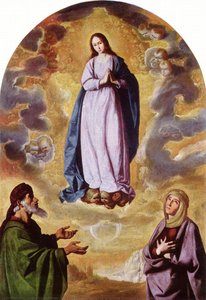
La obra de Zurbarán se caracteriza por el uso dramático de la luz y la sombra, una técnica conocida como tenebrismo. Esto puede verse en el sudario de Santa Verónica, un cuadro que muestra su maestría sobre el medio. *- La Inmaculada Concepción (c. 1635), un ejemplo primario del trabajo temprano de Zurbarán, se encuentra ahora en el Museo de Bellas Artes, Bilbao.
- El Águila Divina (c. 1640), un poderoso símbolo de devoción religiosa, forma parte de la colección del Metropolitan Museum of Art.
- El tema apócrifo de la aparición de la Virgen a San Juan, otra pieza notable, demuestra su capacidad para equilibrar la luz y la oscuridad.
legado e influencia
La influencia de Zurbarán en el barroco español es innegable. Su uso del claroscuro ha inspirado a generaciones de artistas. El círculo de Francisco de Zurbarán, un grupo de artistas influenciado por su obra, continuó ampliando los límites del tenebrismo. * puntos clave: * Activo en Sevilla, España, desde 1614. * Conocido por la iluminación dramática y la intensa profundidad emocional. * Influyó en numerosos pintores barrocos españoles.conclusión
El legado de Francisco Zurbarán es un testimonio del poder perdurable del arte barroco. Su innovador uso de la luz y la sombra ha dejado una marca indeleble en el mundo del arte, inspirando a innumerables artistas y consolidando su lugar en la historia. * lectura adicional: * [https://ArtsDot.com/@/francisco-zurbaran](https://ArtsDot.com/@/francisco-zurbaran) - explore más obras de Zurbarán en ArtsDot. * [https://wikipedia.org/wiki/francisco_de_zurbarán](https://wikipedia.org/wiki/francisco_de_zurbarán) - profundice en la vida y las influencias del artista.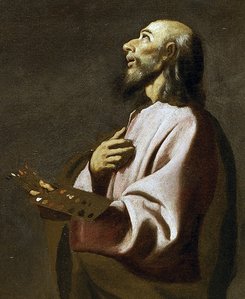
Francisco de Zurbarán
1598 - 1664 , España
Datos clave
- Artistas Que Influyeron:
- Alejandro de la Mina
- Alonso de Najera
- Juan Sánchez Cotán
- Estilo Artístico: Barroco
- Fecha De Muerte: 1664
- Fecha De Nacimiento: 1598
- Influencia En Artistas: Círculo de Zurbarán
- Lugar De Nacimiento: Fuente de Cantos, España
- Nacionalidad: Española
- Nombre Completo: Francisco de Zurbarán
- Obras Notables:
- Inmaculada Concepción
- Agnus Dei
- Sudario de Santa Verónica
Artículos relacionados

The Golden Age Reforged: Dramatic Realism & Religious Zeal in Spanish Baroque Art
Explore the dramatic world of Spanish Baroque art! Discover masters like Zurbarán & the powerful influence of religious zeal on painting techniques – a guide for collectors and enthusiasts.
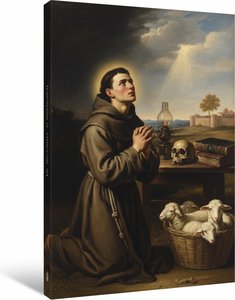
Francisco de Zurbarán: Mysticism, Realism & the Golden Age of Spanish Painting
Explore the captivating world of Francisco de Zurbarán, a master of Spanish Baroque painting. Discover his dramatic tenebrism, religious masterpieces like 'La Porciúncula,' and lasting influence on art history.
Celestial Messengers: Angels in Painting – A Historical & Artistic Exploration
Explore the captivating history of angels in painting! Discover symbolism, iconic Renaissance & Byzantine masterpieces, and renowned artists. Expert insights for art lovers & collectors at ArtsDot.
Celestial Messengers: A Comprehensive Exploration of Angelic Representation in Art History
Explore the captivating history of angels in art! Discover symbolism, iconic Renaissance masterpieces & renowned artists. Expert insights for art lovers & collectors at ArtsDot.

The Dramatic Flourish: Exploring the Baroque Movement's Enduring Legacy in Art History
Explore the dramatic world of Baroque art! Discover iconic artists like Caravaggio & Rubens, defining techniques, and its lasting impact on art history. Expert insights for collectors & enthusiasts at ArtsDot.