 Ver en contexto
 Enviar
 Compartir
 Detalles

 Descargar
 Similares
 Radiografía
 Presentación de diapositivas
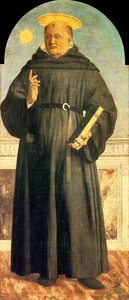
San Diego de Álcala

 Ver más
Reproducción al óleo hecha a mano
Óleo sobre lienzo pintado a mano en el tamaño y marco de su elección, realizado por encargo por nuestros artistas. ( Comprar impresión Comprar imagen)




P118B $10

P118H $10

P118W $10

P438Z $10

P508JH $12

P508YH $12

P805H $10

P805Z $10

P919BZ $10

P919G $10

P919XJ $10

P959ZH $10

P968JZ $12

W106C $8

W218G $10

W218JH $8

W218Y $10

W307PJ $10

W316G $10

W316PJ $8

W316Y $10

W398PJ $8

W4111J $10

W500HY $15

W500JH $15

W692G $12

W849H $8

W940BG $15

W953PJ $8




Elija entre nuestros tamaños predefinidos que respetan las proporciones originales de la obra.

Puede ingresar sus propias dimensiones para adaptarse a un marco o espacio específico. Si el tamaño seleccionado no coincide con las proporciones de la imagen original, recortaremos la obra o extenderemos la pintura con elementos adicionales pintados a mano. Se le enviará una maqueta digital para su aprobación antes de comenzar la producción.
Tenga en cuenta que la vista previa en pantalla no refleja el recorte o la extensión reales. Solo la maqueta mostrará con precisión la composición final.
Si bien existen tamaños personalizados, recomendamos seleccionar una dimensión de la lista predefinida para preservar las proporciones originales.
Tras realizar el pedido, el equipo de ArtsDot.com enviará un correo electrónico al cliente para solicitar instrucciones y proporcionarle una vista previa del boceto.
Envío a todo el mundo () en 3-4 semanas en lugar de las 5 semanas estándar. (24 agosto). Sin comprometer la calidad.

Envío exprés gratuito a todo el mundo

Lienzo de lino de alta calidad

Seguro de envío total

Garantía de reembolso de impuestos aduaneros

Garantía de fidelidad cromática exacta

Política de devolución de 60 días (solo por defectos)

Garantía de devolución del 100% del dinero

Descuento por cantidad
 La opción de vidrio solo está disponible en tamaños inferiores a 110 cm.

San Diego de Álcala
Técnica de reproducción
Dimensiones de la reproducción
-


Precio total final
$ 263
Descripción de la obra
Francisco de Zurbarán’s Profound Meditation on Faith
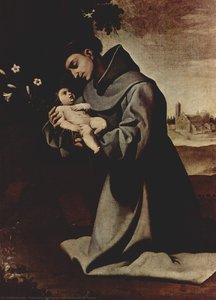
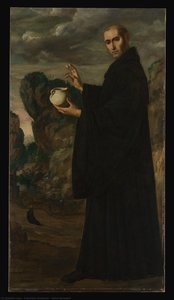
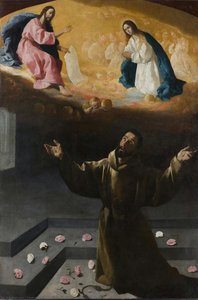
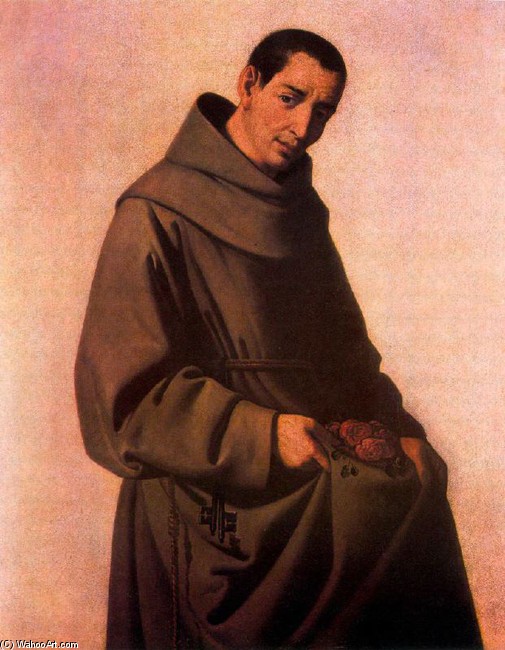
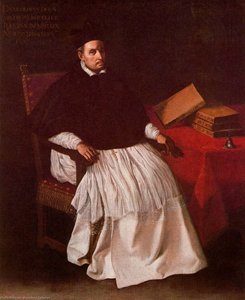
Francisco de Zurbarán's "San Diego de Álcala" is not merely a portrait; it’s an immersion into the heart of 17th-century Spanish religious art. Painted between approximately 1630 and 1650, this arresting black and white composition captures a moment of intense contemplation by San Diego of Alcalá, a revered figure known for his unwavering devotion and tireless efforts to reform the Church. The painting’s power lies not in dramatic action or elaborate ornamentation, but rather in its quiet intensity—a testament to Zurbarán's mastery of *tenebrism*, a technique he perfected that dramatically contrasts light and shadow to heighten emotional impact.
The subject himself is presented with remarkable realism. Dressed in a simple, dark brown robe, his posture exudes solemnity and unwavering focus. The open sleeves reveal a white shirt beneath, symbolizing purity and humility—qualities central to San Diego’s life and teachings. His gaze, direct and penetrating, engages the viewer immediately, inviting us into his inner world of prayer and reflection. The object held in his hand – often interpreted as a book or perhaps a piece of fruit – serves as a tangible symbol of spiritual nourishment and divine guidance.
The Baroque Influence and Zurbarán’s Distinct Style
Zurbarán's work is deeply rooted in the Baroque period, yet he developed a uniquely austere style. Unlike many of his contemporaries who embraced opulent color and theatrical gestures, Zurbarán favored simplicity, restraint, and an almost photographic realism. He meticulously rendered textures – the folds of the robe, the roughness of the wood beneath his hand – with astonishing detail, creating a sense of tangible presence. This commitment to naturalism was further enhanced by his use of *chiaroscuro*, the dramatic interplay of light and dark, which sculpts the figure and draws our attention to key elements within the composition.
The painting’s monochrome palette—a hallmark of Zurbarán's style—amplifies the sense of solemnity and spiritual depth. The absence of color forces us to focus entirely on form, texture, and the emotional weight conveyed through gesture and expression. It echoes the austerity of monastic life and the contemplative nature of religious devotion.
Historical Context: San Diego’s Legacy and the Mission System
To understand "San Diego de Álcala," it's crucial to consider the historical context in which it was created. San Diego of Alcalá (1569-1637) was a Spanish friar, cardinal, and reformer who dedicated his life to combating corruption within the Church and promoting stricter adherence to religious principles. He established the Order of Saint Philip and Saint James, known as the “Caldereros,” which focused on reforming monastic life and providing assistance to the poor. His influence extended far beyond Spain, shaping Catholic reform movements throughout Europe.
The painting was produced during a period when the Spanish monarchy actively promoted the expansion of its mission system in New Spain (present-day Mexico and Central America). These missions were not simply religious centers; they were complex social institutions designed to convert indigenous populations to Christianity, integrate them into Spanish society, and secure valuable labor for colonial agriculture. The Mission San Diego de Alcalá, where this painting depicts San Diego’s life and work, played a pivotal role in this process.
Symbolism and Emotional Resonance
Beyond its historical context, "San Diego de Álcala" is rich in symbolism. The figure's posture—head bowed slightly, hand outstretched—suggests an act of prayer or contemplation. The simplicity of his attire underscores his humility and dedication to spiritual service. The painting’s overall effect is one of profound serenity and inner peace – a testament to the transformative power of faith. It invites viewers to reflect on their own spiritual journeys and to consider the enduring legacy of San Diego of Alcalá, a man who dedicated his life to upholding the ideals of Christian charity and reform.
Obras relacionadas
Biografía del artista
vida temprana y formación
francisco de zurbarán, un destacado pintor español, nació en 1598 en Extremadura, España. Su viaje artístico comenzó bajo la guía de alejandro de la mina, pero fue su tiempo con alonso de najera quien verdaderamente moldeó su estilo barroco.carrera artística y obras notables
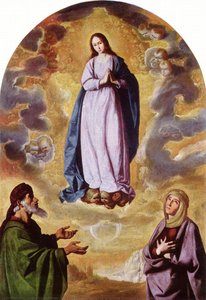
La obra de Zurbarán se caracteriza por el uso dramático de la luz y la sombra, una técnica conocida como tenebrismo. Esto puede verse en el sudario de Santa Verónica, un cuadro que muestra su maestría sobre el medio. *- La Inmaculada Concepción (c. 1635), un ejemplo primario del trabajo temprano de Zurbarán, se encuentra ahora en el Museo de Bellas Artes, Bilbao.
- El Águila Divina (c. 1640), un poderoso símbolo de devoción religiosa, forma parte de la colección del Metropolitan Museum of Art.
- El tema apócrifo de la aparición de la Virgen a San Juan, otra pieza notable, demuestra su capacidad para equilibrar la luz y la oscuridad.
legado e influencia
La influencia de Zurbarán en el barroco español es innegable. Su uso del claroscuro ha inspirado a generaciones de artistas. El círculo de Francisco de Zurbarán, un grupo de artistas influenciado por su obra, continuó ampliando los límites del tenebrismo. * puntos clave: * Activo en Sevilla, España, desde 1614. * Conocido por la iluminación dramática y la intensa profundidad emocional. * Influyó en numerosos pintores barrocos españoles.conclusión
El legado de Francisco Zurbarán es un testimonio del poder perdurable del arte barroco. Su innovador uso de la luz y la sombra ha dejado una marca indeleble en el mundo del arte, inspirando a innumerables artistas y consolidando su lugar en la historia. * lectura adicional: * [https://ArtsDot.com/@/francisco-zurbaran](https://ArtsDot.com/@/francisco-zurbaran) - explore más obras de Zurbarán en ArtsDot. * [https://wikipedia.org/wiki/francisco_de_zurbarán](https://wikipedia.org/wiki/francisco_de_zurbarán) - profundice en la vida y las influencias del artista.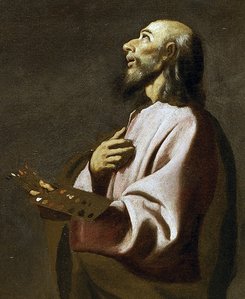
Francisco de Zurbarán
1598 - 1664 , España
Datos clave
- Artistas Que Influyeron:
- Alejandro de la Mina
- Alonso de Najera
- Juan Sánchez Cotán
- Estilo Artístico: Barroco
- Fecha De Muerte: 1664
- Fecha De Nacimiento: 1598
- Influencia En Artistas: Círculo de Zurbarán
- Lugar De Nacimiento: Fuente de Cantos, España
- Nacionalidad: Española
- Nombre Completo: Francisco de Zurbarán
- Obras Notables:
- Inmaculada Concepción
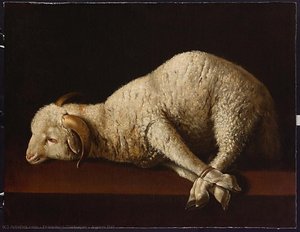
- Agnus Dei
- Sudario de Santa Verónica
Artículos relacionados

Goya: Las 25 Obras Maestras del Genio Español | Reproducciones de Arte en ArtsDot
Descubre las 25 obras maestras de Goya, el genio español. Explora retratos icónicos, 'Los Caprichos' y 'Las Pinturas Negras'. Reproducciones de arte en lienzo de alta calidad para decorar tu hogar con estilo. ¡Encuentra tu obra favorita en ArtsDot.com!

Acerca de nosotros
Descubre nuestra historia! Llevamos el arte de clase mundial a tu vida gracias a una selección experta, creaciones personalizadas y vistas previas gratuitas. Aprobado por particulares y empresas desde el año 2000.
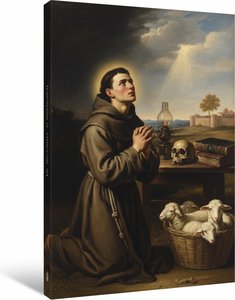
Francisco de Zurbarán: Mysticism, Realism & the Golden Age of Spanish Painting
Explore the captivating world of Francisco de Zurbarán, a master of Spanish Baroque painting. Discover his dramatic tenebrism, religious masterpieces like 'La Porciúncula,' and lasting influence on art history.

Barroco Sublime: 10 Obras Maestras que Definieron una Época |
Descubre las 10 obras maestras del Barroco que marcaron una época. Caravaggio, Bernini y Velázquez cobran vida en . Reproducciones de arte de calidad museo para decorar tu hogar con elegancia. ¡Explora la colección online!

The Dramatic Flourish: Exploring the Baroque Movement's Enduring Legacy in Art History
Explore the dramatic world of Baroque art! Discover iconic artists like Caravaggio & Rubens, defining techniques, and its lasting impact on art history. Expert insights for collectors & enthusiasts at ArtsDot.