 Ver en contexto
 Enviar
 Compartir
 Detalles

 Descargar
 Similares
 Radiografía
 Presentación de diapositivas
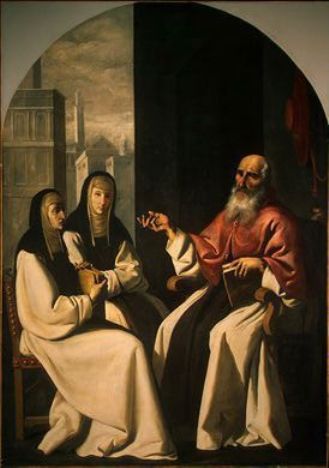
San Jerónimo con Santa Paula y San Eustaquio

 Ver más
Reproducción al óleo hecha a mano
Óleo sobre lienzo pintado a mano en el tamaño y marco de su elección, realizado por encargo por nuestros artistas. ( Comprar impresión Comprar imagen)




P118B $10

P118H $10

P118W $10

P438Z $10

P508JH $12

P508YH $12

P805H $10

P805Z $10

P919BZ $10

P919G $10

P919XJ $10

P959ZH $10

P968JZ $12

W106C $8

W218G $10

W218JH $8

W218Y $10

W307PJ $10

W316G $10

W316PJ $8

W316Y $10

W398PJ $8

W4111J $10

W500HY $15

W500JH $15

W692G $12

W849H $8

W940BG $15

W953PJ $8




Elija entre nuestros tamaños predefinidos que respetan las proporciones originales de la obra.

Puede ingresar sus propias dimensiones para adaptarse a un marco o espacio específico. Si el tamaño seleccionado no coincide con las proporciones de la imagen original, recortaremos la obra o extenderemos la pintura con elementos adicionales pintados a mano. Se le enviará una maqueta digital para su aprobación antes de comenzar la producción.
Tenga en cuenta que la vista previa en pantalla no refleja el recorte o la extensión reales. Solo la maqueta mostrará con precisión la composición final.
Si bien existen tamaños personalizados, recomendamos seleccionar una dimensión de la lista predefinida para preservar las proporciones originales.
Tras realizar el pedido, el equipo de ArtsDot.com enviará un correo electrónico al cliente para solicitar instrucciones y proporcionarle una vista previa del boceto.
Envío a todo el mundo () en 3-4 semanas en lugar de las 5 semanas estándar. (1 septiembre). Sin comprometer la calidad.

Envío exprés gratuito a todo el mundo

Lienzo de lino de alta calidad

Seguro de envío total

Garantía de reembolso de impuestos aduaneros

Garantía de fidelidad cromática exacta

Política de devolución de 60 días (solo por defectos)

Garantía de devolución del 100% del dinero

Descuento por cantidad
 La opción de vidrio solo está disponible en tamaños inferiores a 110 cm.

San Jerónimo con Santa Paula y San Eustaquio
Técnica de reproducción
Dimensiones de la reproducción
-


Precio total final
$ 263
A Moment of Devotion: San Jerónimo con Santa Paula y San Eustaquio by Francisco de Zurbarán
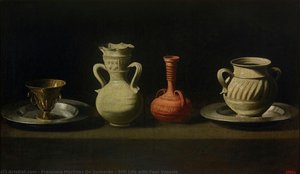
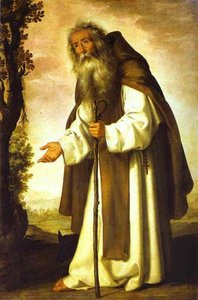
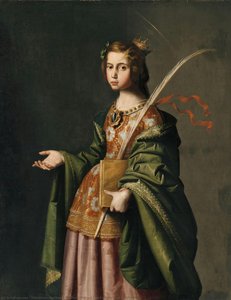
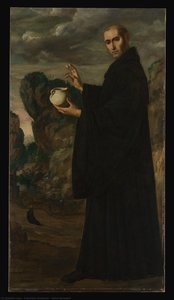
Francisco de Zurbarán’s “San Jerónimo con Santa Paula y San Eustaquio” offers a poignant glimpse into the heart of Spanish Baroque religious art, circa 1640. This captivating portrait isn't merely a depiction of three saints; it’s an embodiment of faith, contemplation, and the quiet dignity of monastic life. The painting’s power resides in Zurbarán’s masterful ability to translate spiritual essence into tangible form, creating an image that resonates with profound emotional depth.
Subject Matter and Composition
The scene unfolds within a modestly furnished room, dominated by the solemn presence of Saint Jerome, identified by his cowl and scroll – symbols of his dedication to prayer and biblical scholarship. Beside him sit Saint Paula and Saint Eustace, their postures reflecting a shared devotion. The composition is remarkably naturalistic for its time, eschewing grand gestures or dramatic poses in favor of an intimate tableau. The arrangement around the table suggests a moment of fellowship, perhaps a private devotional gathering within a monastery. The inclusion of everyday objects – the bowl, the chairs – subtly anchors the scene in a relatable reality while simultaneously elevating it to a realm of spiritual significance.
Zurbarán’s Technique: Chiaroscuro and Realism
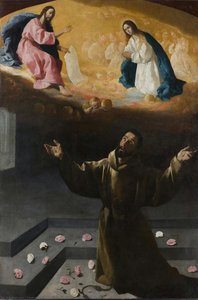
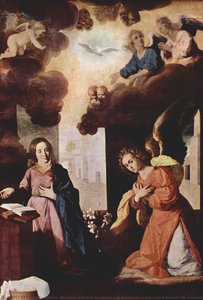
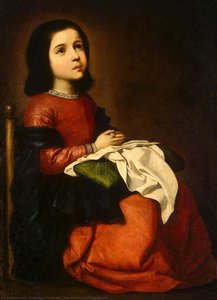
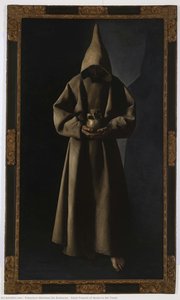
Zurbarán was renowned for his almost brutal realism, achieved through an unparalleled understanding of light and shadow – a technique known as *chiaroscuro*. He employed a limited palette dominated by earthy browns, ochres, and blacks, intensifying the dramatic effect. The figures are rendered with astonishing detail: the texture of the monk’s robes, the wrinkles on Jerome's face, the weariness in his posture. This meticulous attention to detail wasn’t simply about accuracy; it was a deliberate strategy to convey the weight of their faith and the passage of time. His use of *tenebrism*, where dark shadows engulf most of the scene with only a few areas illuminated, heightens the sense of solemnity and draws the viewer's eye directly to the figures, emphasizing their spiritual importance.
Symbolic Resonance and Historical Context
Painted during the Spanish Golden Age, “San Jerónimo con Santa Paula y San Eustaquio” reflects the Counter-Reformation’s emphasis on religious devotion and the power of saints as models for piety. Saint Jerome, the patron saint of translators and scholars, was particularly revered at this time. The inclusion of Saint Paula, a pioneer in female monasticism, and Saint Eustace, known for his conversion after saving a wounded stag, further reinforces the painting’s message of redemption and spiritual transformation. Zurbarán's work aligns with the broader artistic trends of the Baroque period, characterized by emotional intensity, dramatic lighting, and a focus on religious themes – all intended to inspire faith and devotion in the viewer.
Emotional Impact and Artistic Value
The enduring power of this painting lies in its ability to evoke a sense of quiet contemplation. The figures’ expressions are not overtly ecstatic, but rather convey a deep inner peace and unwavering faith. Zurbarán's masterful manipulation of light and shadow creates an atmosphere of profound solemnity, inviting the viewer to share in their spiritual experience. A hand-painted reproduction offers a unique opportunity to possess a piece of this remarkable artwork, bringing its beauty and emotional resonance into your home or office – a testament to Zurbarán’s genius and the enduring power of faith.
Obras relacionadas
Biografía del artista
vida temprana y formación
francisco de zurbarán, un destacado pintor español, nació en 1598 en Extremadura, España. Su viaje artístico comenzó bajo la guía de alejandro de la mina, pero fue su tiempo con alonso de najera quien verdaderamente moldeó su estilo barroco.carrera artística y obras notables
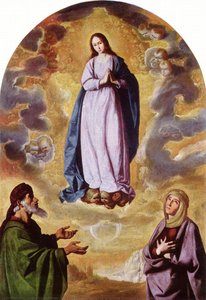
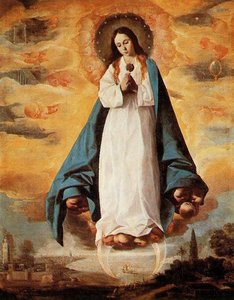
La obra de Zurbarán se caracteriza por el uso dramático de la luz y la sombra, una técnica conocida como tenebrismo. Esto puede verse en el sudario de Santa Verónica, un cuadro que muestra su maestría sobre el medio. *- La Inmaculada Concepción (c. 1635), un ejemplo primario del trabajo temprano de Zurbarán, se encuentra ahora en el Museo de Bellas Artes, Bilbao.
- El Águila Divina (c. 1640), un poderoso símbolo de devoción religiosa, forma parte de la colección del Metropolitan Museum of Art.
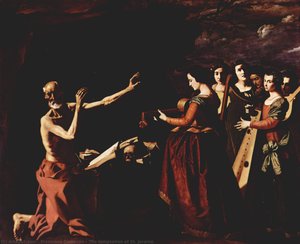
- El tema apócrifo de la aparición de la Virgen a San Juan, otra pieza notable, demuestra su capacidad para equilibrar la luz y la oscuridad.
legado e influencia
La influencia de Zurbarán en el barroco español es innegable. Su uso del claroscuro ha inspirado a generaciones de artistas. El círculo de Francisco de Zurbarán, un grupo de artistas influenciado por su obra, continuó ampliando los límites del tenebrismo. * puntos clave: * Activo en Sevilla, España, desde 1614. * Conocido por la iluminación dramática y la intensa profundidad emocional. * Influyó en numerosos pintores barrocos españoles.conclusión
El legado de Francisco Zurbarán es un testimonio del poder perdurable del arte barroco. Su innovador uso de la luz y la sombra ha dejado una marca indeleble en el mundo del arte, inspirando a innumerables artistas y consolidando su lugar en la historia. * lectura adicional: * [https://ArtsDot.com/@/francisco-zurbaran](https://ArtsDot.com/@/francisco-zurbaran) - explore más obras de Zurbarán en ArtsDot. * [https://wikipedia.org/wiki/francisco_de_zurbarán](https://wikipedia.org/wiki/francisco_de_zurbarán) - profundice en la vida y las influencias del artista.
Francisco de Zurbarán
1598 - 1664 , España
Datos clave
- Artistas Que Influyeron:
- Alejandro de la Mina
- Alonso de Najera
- Juan Sánchez Cotán
- Estilo Artístico: Barroco
- Fecha De Muerte: 1664
- Fecha De Nacimiento: 1598
- Influencia En Artistas: Círculo de Zurbarán
- Lugar De Nacimiento: Fuente de Cantos, España
- Nacionalidad: Española
- Nombre Completo: Francisco de Zurbarán
- Obras Notables:
- Inmaculada Concepción
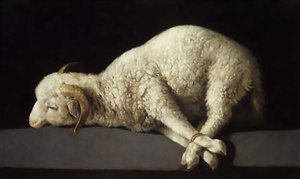
- Agnus Dei
- Sudario de Santa Verónica
Artículos relacionados
The Golden Age Reforged: Dramatic Realism & Religious Zeal in Spanish Baroque Art
Explore the dramatic world of Spanish Baroque art! Discover masters like Zurbarán & the powerful influence of religious zeal on painting techniques – a guide for collectors and enthusiasts.

Blanco Sublime: Los 10 Cuadros Más Famosos Dominados por la Luz y el Color
Descubre los 10 cuadros blancos más emblemáticos de la historia del arte. Explora Monet, Van Gogh y Klimt, y su magistral uso de la luz y el color. Encuentra reproducciones de alta calidad e inspírate para tu decoración en .

The Dramatic Flourish: Exploring the Baroque Movement's Enduring Legacy in Art History
Explore the dramatic world of Baroque art! Discover iconic artists like Caravaggio & Rubens, defining techniques, and its lasting impact on art history. Expert insights for collectors & enthusiasts at ArtsDot.
Francisco de Zurbarán: Mysticism, Realism & the Golden Age of Spanish Painting
Explore the captivating world of Francisco de Zurbarán, a master of Spanish Baroque painting. Discover his dramatic tenebrism, religious masterpieces like 'La Porciúncula,' and lasting influence on art history.
The Dramatic Flourish: Exploring Themes of Power, Faith & Emotion in Baroque Artworks
Explore the dramatic world of Baroque art! Discover masters like Zurbarán & the powerful influence of religious zeal on painting techniques. Expert insights for collectors and enthusiasts.