

 Ver en contexto
 Enviar
 Compartir
 Detalles

 Descargar
 Similares
 Radiografía
 Presentación de diapositivas
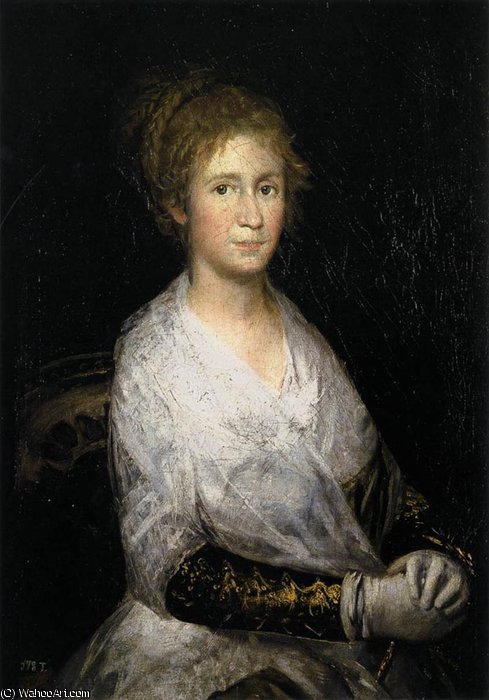
Josefa Bayeu o Leocadia Weiss


 Ver más
Adquiera una imagen digital de alta resolución y optimizada, muy superior a la vista previa en línea.
Cada archivo es preparado meticulosamente por nuestros especialistas internos mediante el uso de herramientas avanzadas y un experto retoque manual. Nos aseguramos de que cada imagen posea una claridad excepcional, una precisión cromática impecable y un detalle minucioso.
El archivo final se entrega por correo electrónico en un plazo de 72 horas, optimizado para su uso inmediato en entornos profesionales, editoriales y de impresión. Esta es la misma calidad en la que confían los estudios de diseño, las editoriales y las galerías de primer nivel.
Imagen Digital
Descarga un archivo de alta resolución para exhibición personal, impresión y proyectos creativos. ( Comprar impresión Comprar pintura hecha a mano)
Incluido en cada pedido de imágenes digitales
Entrega digital experta, garantizada.
Al elegir ArtsDot.com, no solo está adquiriendo una imagen; está recibiendo una obra de arte digital mejorada profesionalmente, elaborada con precisión y respaldada por una garantía de satisfacción. Esto es todo lo que incluye su pedido, automáticamente:

Entrega rápida por email
Recibirá su archivo de imagen digital en alta resolución por correo electrónico en un plazo de 72 horas tras realizar su pedido, listo para su uso inmediato.

Archivo digital optimizado por IA
Su obra de arte se optimiza profesionalmente mediante herramientas avanzadas de IA y edición manual, garantizando el máximo detalle, claridad y precisión cromática.

Reenvío gratuito de por vida
¿Has borrado o perdido tu archivo por error? No te preocupes: te lo volveremos a enviar en cualquier momento, sin coste adicional.

Sin gastos de importación, siempre
Disfrute de su obra de arte al instante sin aduanas, aranceles ni gastos de envío; las descargas digitales siempre están libres de impuestos.

Garantía de fidelidad de color
Garantizamos que su imagen digital refleje los colores originales con la mayor fidelidad posible, mediante el uso de herramientas profesionales y gestión del color.

Garantía de satisfacción de 60 días
Si no está satisfecho con su imagen digital, la revisaremos o le reembolsaremos el 100% en un plazo de 60 días, sin preguntas.

100% Garantía de devolución de dinero
¿No está satisfecho? Obtenga un reembolso completo dentro de los 60 días posteriores a la recepción de su archivo digital, sin necesidad de explicaciones.

Descuentos por pedidos grandes
Compra 3 imágenes, ahorra 10% - Compra 5, ahorra 15% - Compra 10+, ahorra 20%. Ideal para proyectos creativos, galerías y agencias.
Descripción del coleccionable
Un Retrato de Intimidad y Incertidumbre
El “Josefa Bayeu o Leocadia Weiss” de Francisco Goya es una obra cautivadora que trasciende la simple representación. Es un estudio íntimo de una mujer, envuelta en misterio y pintada durante un período de agitación personal y política intensa para el artista. La pintura invita a los espectadores a contemplar no solo la identidad de la retratada, sino también las complejas emociones que se avecinan bajo su apariencia compuesta.
Estilo y Técnica: Uniendo Épocas
Ejecutada con la maestría característica de Goya, este óleo sobre lienzo demuestra una fascinante transición en su estilo artístico. Si bien persisten ecos de la elegancia rococó en el delicado trazo de los tejidos y el suave modelado del rostro, hay un claro presagio del énfasis romántico en la emoción y la experiencia individual. Claroscuro – la dramática interacción entre luz y sombra – se emplea magistralmente para atraer la atención hacia el rostro y las manos de la mujer, infundiéndoles una profundidad psicológica. Observe los pinceladas sueltas, particularmente en el fondo, una técnica que se volvería cada vez más prominente en sus obras posteriores y más expresivas, como las inquietantes Pinturas Negras.
Contexto Histórico: Un Tiempo Turbulentos
Los años 1814-1816 estuvieron marcados por el cambio tanto para Goya como para España. Tras la brutal Guerra Peninsular contra Napoleón, la nación luchó con inestabilidad política y descontento social. Goya mismo se vio profundamente afectado por una enfermedad grave en 1793 que le dejó sordo, alterando su visión artística de forma irreversible. La ambigüedad que rodea a la identidad de la retratada – tradicionalmente considerada esposa de Goya, Josefa Bayeu, pero cada vez más atribuida a Leocadia Zorrilla de Weiss, su compañera y posible amante – refleja esta época de incertidumbre y turbulencias personales. Josefa Bayeu murió en 1812, lo que añade aún más credibilidad a la teoría de que el retrato representa a Leocadia, quien brindó compañía y apoyo a Goya durante sus años posteriores.
Decodificando el Simbolismo y el Impacto Emocional
La mirada directa de la mujer involucra al espectador, creando una poderosa sensación de conexión a través del tiempo. Su enigmática sonrisa sugiere profundidades ocultas e historias no contadas. ¿Es una sonrisa de satisfacción, melancolía o tal vez un secreto revelado? La pintura no se trata simplemente de *ver* un parecido; sino de *sentir* una resonancia emocional. La paleta contenida y la composición tranquila contribuyen al ambiente general de introspección y emoción contenida. Evoca una sensación de anhelo, resiliencia y el poder perdurable de la conexión humana.
Exhibición e Consideraciones del Diseño de Interiores
- Interiores Tradicionales: La composición clásica y la paleta apagada de esta pintura complementan la decoración tradicional, añadiendo un toque de sofisticación y gravedad histórica. Considere combinarla con muebles antiguos y textiles ricos.
- Espacios Modernos: La profundidad emocional y el mérito artístico de la pintura proporcionan un contraste convincente con los interiores minimalistas o contemporáneos. Su sutil complejidad añadirá calidez y carácter a las líneas limpias y los tonos neutros.
- Bibliotecas y Estudios: Su calidad introspectiva la convierte en una adición ideal a espacios dedicados a la lectura, la contemplación y la búsqueda intelectual.
Para mostrar esta obra de arte de la mejor manera:
- Iluminación: Una iluminación suave y difusa resaltará las sutiles matices del trazo de Goya y creará un ambiente consistente con el tono emocional de la pintura. Evite la luz directa intensa.
- Encuadernación: Un encuadre clásico en dorado o madera oscura mejorará la elegancia del retrato y su contexto histórico. Un encuadre ligeramente ornamentado puede complementar las influencias rococó, mientras que un marco más simple enfatiza sus sensibilidades modernas.
- Colocación: Cuélgala al nivel de los ojos para fomentar una visualización íntima y permitir la apreciación completa de sus detalles. Considere rodearla de obras de arte o objetos decorativos complementarios que reflejen su paleta de colores o período histórico.
"Josefa Bayeu o Leocadia Weiss" es más que un simple cuadro hermoso; es una ventana a la vida y la mente de uno de los artistas más importantes de la historia, y un testimonio del poder perdurable del retrato para capturar no solo la semejanza física sino también las complejidades del espíritu humano.
Obras relacionadas
Biografía del artista
Francisco José de Goya y Lucientes
Francisco José de Goya y Lucientes, a name synonymous with both the grandeur of Old Master tradition and the unsettling premonitions of modern art, remains one of history’s most compelling and enigmatic figures. Born in 1746 in the small village of Fuendetodos, Spain, his journey from aspiring provincial artist to court painter, and ultimately, to a visionary chronicler of human suffering and societal decay, is a testament to both his extraordinary talent and the turbulent times he inhabited. Goya’s early training began at age fourteen under José Luzán y Martinez, laying a foundation in traditional techniques before he moved to Madrid and refined his skills with Anton Raphael Mengs, then the dominant artistic force at the Spanish court. This initial period instilled in him a mastery of form and composition, evident in his early commissions – designs for tapestries that showcased lively scenes of everyday life, reflecting a Rococo sensibility tempered by a distinctly Spanish realism. Marriage to Josefa Bayeu, sister of another painter within the royal circle, further cemented his position within the artistic establishment. These early works, while charming and skillfully executed, offered little hint of the profound emotional depth and unsettling darkness that would come to define his later oeuvre.From Royal Commissions to Visions of Turmoil
Goya’s ascent through the ranks of the Spanish court was steady. He became a painter to the Royal Chamber in 1786, securing a stream of portrait commissions from the aristocracy and royalty. These portraits are remarkable not merely for their technical brilliance – Goya possessed an uncanny ability to capture likeness with unflinching honesty – but also for their psychological insight. He didn’t simply paint what his sitters *looked* like; he revealed something of their character, their vulnerabilities, and even their hidden anxieties. Consider the portrait of María Cayetana de Silva Alba, commissioned in 1797—Goya’s masterful depiction captures not just her physical appearance but also an aura of melancholy and introspection that speaks volumes about her inner life. He achieved this feat through meticulous observation and a profound understanding of human psychology, techniques honed during his formative years under Mengs. However, beneath the veneer of courtly success, a transformation was brewing within Goya. In 1793, a severe illness left him profoundly deaf, an event that irrevocably altered his perception of the world and, consequently, his art. This affliction plunged him into a period of intense introspection and isolation, severing his connection to the social life he once enjoyed and forcing him inward, towards a darker, more subjective reality. The shift in his artistic style was dramatic. Gone were the bright colors and cheerful scenes; in their place emerged a brooding palette, loose brushwork, and compositions charged with emotional intensity. He began to explore themes of madness, violence, and the irrational, foreshadowing the anxieties that would grip Europe in the coming decades.The Caprichos, Disasters, and Black Paintings: A Descent into Darkness
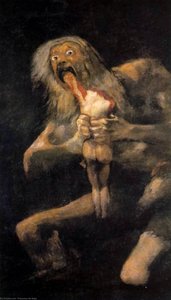
This period of artistic ferment culminated in some of Goya’s most iconic works. Los Caprichos, a series of eighty etchings published in 1799, are a scathing satire of Spanish society – its follies, superstitions, and moral corruption laid bare with unflinching wit and biting irony. The images are grotesque yet captivating, populated by witches, monsters, and caricatures of the aristocracy, all rendered with a masterful command of etching techniques. Each print is a deliberate provocation, challenging viewers to confront uncomfortable truths about Spanish society and its ruling class. Yet, amidst this critique of power comes an undeniable beauty—a fascination for the macabre that nonetheless possesses a certain elegance. But it was The Disasters of War, created between 1810 and 1820, that truly cemented Goya’s reputation as a fearless chronicler of human suffering. These harrowing etchings depict the brutality of the Peninsular War – the atrocities committed by both sides, the starvation, the despair, and the utter devastation wrought upon the Spanish people. They are not heroic depictions of battle; they are unflinching portrayals of its horrors, devoid of any romanticism or glorification. Goya’s aim was to expose the barbarity of war without resorting to sentimental embellishment—a courageous stance that anticipated the artistic sensibilities of the Romantic era. The series is a testament to his unwavering commitment to portraying reality as he saw it, confronting viewers with images of unimaginable cruelty and loss. Perhaps most unsettling of all are The Black Paintings, a series of fourteen murals Goya painted directly onto the walls of his house, “Quinta del Sordo” (the Deaf Man’s Villa), between 1819 and 1823. These works – including *Saturn Devouring His Son* and *Asmodea* – are a descent into the darkest recesses of the human psyche, expressing themes of despair, madness, and existential dread with unparalleled intensity. They represent Goya’s most profound exploration of psychological torment—images that haunt viewers with their unsettling symbolism and visceral emotion.Legacy: A Bridge Between Worlds
In 1824, disillusioned by political unrest in Spain, Goya sought exile in Bordeaux, France, where he continued to work until his death in 1828. His final years were marked by a renewed focus on printmaking, culminating in the *La Tauromaquia* series, which explored the spectacle and brutality of bullfighting. This project reflects Goya’s fascination with the dramatic arts—particularly theater—and demonstrates his ability to capture complex emotions and psychological states within a single image. He remained steadfast in his artistic vision until his final days, producing works that would solidify his place as one of the most influential artists of his time. Francisco Goya’s legacy is immense and far-reaching. He stands as a pivotal figure in art history, bridging the gap between the Old Masters and the modern movement. His influence can be seen in the works of countless artists who followed – from Édouard Manet and Pablo Picasso to Francis Bacon – all drawn to his expressive brushwork, psychological depth, and willingness to confront uncomfortable truths. He challenged artistic conventions, embraced innovation, and dared to explore the darker aspects of human experience, leaving behind a body of work that continues to resonate with audiences today. Goya wasn’t merely painting pictures; he was holding up a mirror to society, forcing us to confront our own flaws and vulnerabilities, and reminding us of the enduring power – and fragility – of the human spirit.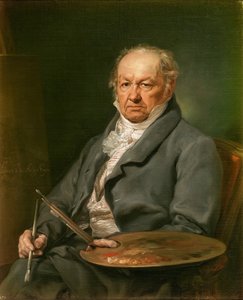
Francisco José de Goya y Lucientes
1746 - 1828 , España
Breves datos
- Artistic Movement Or Style: Romanticism
- Artists Who Influenced This Artist:
- Diego Velázquez
- Rembrandt
- Anton Raphael Mengs
- Date Of Birth: March 30, 1746
- Date Of Death: April 16, 1828
- Full Name: Francisco José de Goya y Lucientes
- Nationality: Spanish
- Notable Artworks:
- Los Caprichos
- The Disasters of War
- La Maja Desnuda
- Place Of Birth: Fuendetodos, Spain

