 Vista previa
 Compartir
 Compartir
 Ver detalles

 Descargar
 Ver similares
 Radiografía
 Presentación de diapositivas
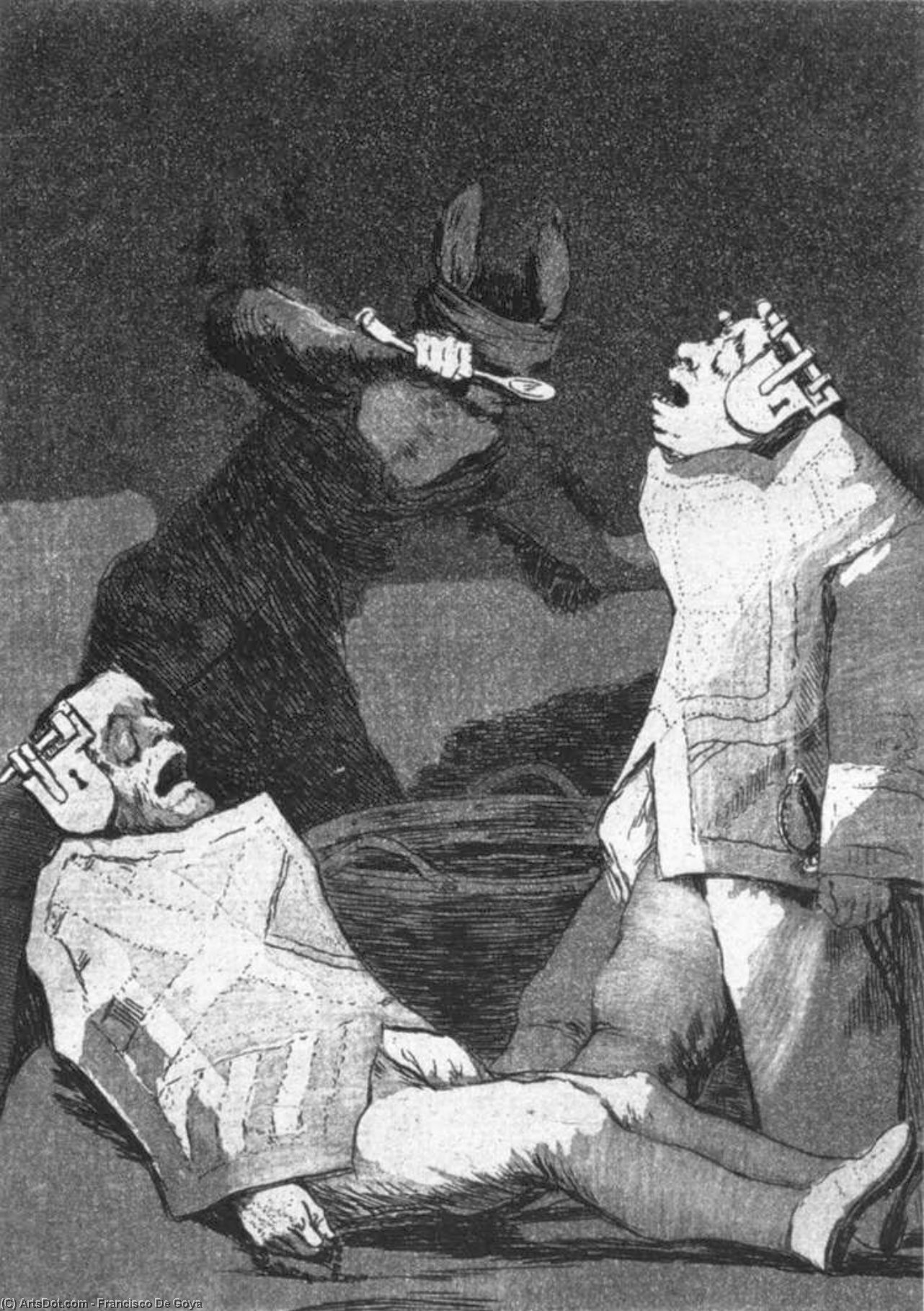
Los Chinchillas
 Acrílico sobre lienzo
- Arte de pared
- Romantic Horror
 1799
1799 21.0 x 15.0 cm
 Leer más
Reproducción al óleo hecha a mano
Óleo sobre lienzo pintado a mano en el tamaño y marco de su elección, realizado por encargo por nuestros artistas. ( Pedir impresión Comprar descarga)




P118B $10

P118H $10

P118W $10

P438Z $10

P508JH $12

P508YH $12

P805H $10

P805Z $10

P919BZ $10

P919G $10

P919XJ $10

P959ZH $10

P968JZ $12

W106C $8

W218G $10

W218JH $8

W218Y $10

W307PJ $10

W316G $10

W316PJ $8

W316Y $10

W398PJ $8

W4111J $10

W500HY $15

W500JH $15

W692G $12

W849H $8

W940BG $15

W953PJ $8




Elija entre nuestros tamaños predefinidos que respetan las proporciones originales de la obra.

Puede ingresar sus propias dimensiones para adaptarse a un marco o espacio específico. Si el tamaño seleccionado no coincide con las proporciones de la imagen original, recortaremos la obra o extenderemos la pintura con elementos adicionales pintados a mano. Se le enviará una maqueta digital para su aprobación antes de comenzar la producción.
Tenga en cuenta que la vista previa en pantalla no refleja el recorte o la extensión reales. Solo la maqueta mostrará con precisión la composición final.
Si bien existen tamaños personalizados, recomendamos seleccionar una dimensión de la lista predefinida para preservar las proporciones originales.
Tras realizar el pedido, el equipo de ArtsDot.com enviará un correo electrónico al cliente para solicitar instrucciones y proporcionarle una vista previa del boceto.
Envío a todo el mundo () en 3-4 semanas en lugar de las 5 semanas estándar. (21 agosto). Sin comprometer la calidad.

Envío exprés gratuito a todo el mundo

Lienzo de lino de alta calidad

Seguro de envío completo

Garantía de reembolso de aranceles aduaneros

Garantía de fidelidad cromática exacta

Política de devolución de 60 días (solo por defectos)

Garantía de devolución del 100% del dinero

Oferta por volumen
 La opción de vidrio solo está disponible en tamaños inferiores a 110 cm.

Los Chinchillas
Técnica de reproducción
Tamaño de la reproducción
-


Precio total
$ 363
Descripción de la obra
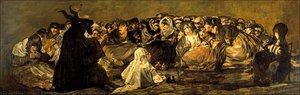
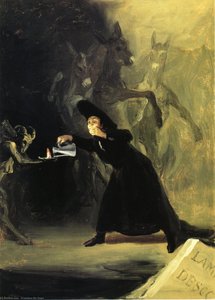
Una Visión Disturbadora de la Violencia Ritualística: Análisis Detenido de ‘Los Chinchillas’ de Goya
“Los Chinchillas”, pintado en 1799 por Francisco José de Goya y Lucientes, es una obra maestra inquietante que captura un momento de horror psicológico y violencia gráfica con una precisión sorprendente para su época. Esta pieza monumental, ahora disponible como reproducción artística de alta calidad en ArtsDot.com, ofrece una ventana fascinante al espíritu artístico del Romanticismo español y a la visión singular de Goya sobre la condición humana.El Contexto Histórico: España bajo el Reinado Oscuro
La creación de ‘Los Chinchillas’ se sitúa en un período crítico para España: el reinado de Carlos IV, marcado por una profunda crisis política y social. Tras años de gobierno débil y corrupción, Goya fue nombrado pintor oficial de la Corte Española, una posición que le otorgó acceso privilegiado al poder pero también lo obligó a observar con detenimiento las costumbres y tradiciones de la época. Esta experiencia directa influyó profundamente en su obra, impulsándolo hacia una exploración audaz de temas oscuros como la muerte, el sufrimiento humano y la crítica social. Goya buscaba exponer las contradicciones inherentes a la sociedad aristocrática española, utilizando el arte como herramienta para denunciar injusticias y provocar reflexión.Estilo Romántico: Oscuridad y Dramatismo Expresivo
‘Los Chinchillas’ pertenece al movimiento artístico conocido como Romanticismo, que rechazó los ideales clásicos de equilibrio y armonía en favor de la emoción intensa y la libertad creativa. Goya abrazó esta estética con pasión, empleando una combinación magistral de elementos técnicos y expresivos para transmitir una sensación palpable de angustia y terror. El estilo romántico se caracteriza por el uso de colores apagados, como el gris dominante, que refuerzan la atmósfera sombría y perturbadora de la obra. Asimismo, Goya emplea líneas cruzadas y detalles meticulosos para crear profundidad y textura, capturando con precisión los efectos de la luz y la sombra.Técnica Grabado: Una Danza Compleja entre Luz y Oscuridad
La obra fue creada mediante una técnica innovadora para su tiempo: el grabado en cobre. Este proceso involucró varios pasos complejos que requerían habilidad artística y conocimiento científico. Primero, Goya aplicaba una capa de ácido al metal plateado para crear líneas incisas que luego se imprimían sobre papel con tinta negra. Esta técnica permitió obtener imágenes increíblemente detalladas y expresivas, manteniendo la fuerza del dibujo original mientras amplificaba el impacto emocional. La densidad variable de las líneas contribuyó a generar efectos dramáticos, resaltando los rasgos más importantes de la composición y creando una sensación de movimiento constante.Simbolismo Profundo: Máscaras y Violencia como Representación de la Sociedad
Más allá de su impresionante ejecución técnica, ‘Los Chinchillas’ posee un rico simbolismo que invita a múltiples interpretaciones. Las máscaras utilizadas por los personajes representan anonimato y ocultamiento de identidad, sugiriendo una crítica mordaz a las instituciones políticas y sociales de la época. La violencia gráfica que domina la escena simboliza la barbarie humana y la pérdida de valores morales, reflejando el espíritu inquietante del Romanticismo. Goya buscaba provocar en el espectador una reflexión sobre la naturaleza humana y sus límites, cuestionando las normas establecidas por la sociedad y exponiendo su lado más oscuro.Impacto Emocional: Una Imagen Que Perdura En El Tiempo
‘Los Chinchillas’ sigue siendo una obra que conmueve profundamente al observador contemporáneo. Su atmósfera opresiva y sus imágenes grotescas evocan sentimientos de horror, miedo y desesperación, ofreciendo una visión inquietante de la condición humana. Esta pieza artística permanece relevante hoy en día como testimonio del talento excepcional de Goya y como expresión poderosa de las preocupaciones filosóficas y sociales que marcaron el Romanticismo español. Una reproducción artística de alta calidad en ArtsDot.com permite apreciar esta obra maestra con lujo de detalle y transmitir su mensaje esencial a nuevas generaciones.Obras relacionadas
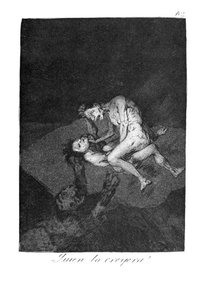
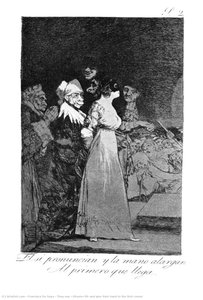
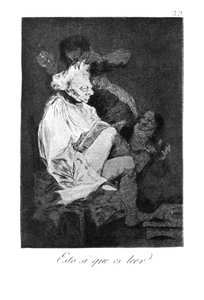
Biografía del artista
Francisco José de Goya y Lucientes
Francisco José de Goya y Lucientes, a name synonymous with both the grandeur of Old Master tradition and the unsettling premonitions of modern art, remains one of history’s most compelling and enigmatic figures. Born in 1746 in the small village of Fuendetodos, Spain, his journey from aspiring provincial artist to court painter, and ultimately, to a visionary chronicler of human suffering and societal decay, is a testament to both his extraordinary talent and the turbulent times he inhabited. Goya’s early training began at age fourteen under José Luzán y Martinez, laying a foundation in traditional techniques before he moved to Madrid and refined his skills with Anton Raphael Mengs, then the dominant artistic force at the Spanish court. This initial period instilled in him a mastery of form and composition, evident in his early commissions – designs for tapestries that showcased lively scenes of everyday life, reflecting a Rococo sensibility tempered by a distinctly Spanish realism. Marriage to Josefa Bayeu, sister of another painter within the royal circle, further cemented his position within the artistic establishment. These early works, while charming and skillfully executed, offered little hint of the profound emotional depth and unsettling darkness that would come to define his later oeuvre.From Royal Commissions to Visions of Turmoil
Goya’s ascent through the ranks of the Spanish court was steady. He became a painter to the Royal Chamber in 1786, securing a stream of portrait commissions from the aristocracy and royalty. These portraits are remarkable not merely for their technical brilliance – Goya possessed an uncanny ability to capture likeness with unflinching honesty – but also for their psychological insight. He didn’t simply paint what his sitters *looked* like; he revealed something of their character, their vulnerabilities, and even their hidden anxieties. Consider the portrait of María Cayetana de Silva Alba, commissioned in 1797—Goya’s masterful depiction captures not just her physical appearance but also an aura of melancholy and introspection that speaks volumes about her inner life. He achieved this feat through meticulous observation and a profound understanding of human psychology, techniques honed during his formative years under Mengs. However, beneath the veneer of courtly success, a transformation was brewing within Goya. In 1793, a severe illness left him profoundly deaf, an event that irrevocably altered his perception of the world and, consequently, his art. This affliction plunged him into a period of intense introspection and isolation, severing his connection to the social life he once enjoyed and forcing him inward, towards a darker, more subjective reality. The shift in his artistic style was dramatic. Gone were the bright colors and cheerful scenes; in their place emerged a brooding palette, loose brushwork, and compositions charged with emotional intensity. He began to explore themes of madness, violence, and the irrational, foreshadowing the anxieties that would grip Europe in the coming decades.The Caprichos, Disasters, and Black Paintings: A Descent into Darkness
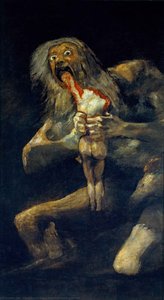
This period of artistic ferment culminated in some of Goya’s most iconic works. Los Caprichos, a series of eighty etchings published in 1799, are a scathing satire of Spanish society – its follies, superstitions, and moral corruption laid bare with unflinching wit and biting irony. The images are grotesque yet captivating, populated by witches, monsters, and caricatures of the aristocracy, all rendered with a masterful command of etching techniques. Each print is a deliberate provocation, challenging viewers to confront uncomfortable truths about Spanish society and its ruling class. Yet, amidst this critique of power comes an undeniable beauty—a fascination for the macabre that nonetheless possesses a certain elegance. But it was The Disasters of War, created between 1810 and 1820, that truly cemented Goya’s reputation as a fearless chronicler of human suffering. These harrowing etchings depict the brutality of the Peninsular War – the atrocities committed by both sides, the starvation, the despair, and the utter devastation wrought upon the Spanish people. They are not heroic depictions of battle; they are unflinching portrayals of its horrors, devoid of any romanticism or glorification. Goya’s aim was to expose the barbarity of war without resorting to sentimental embellishment—a courageous stance that anticipated the artistic sensibilities of the Romantic era. The series is a testament to his unwavering commitment to portraying reality as he saw it, confronting viewers with images of unimaginable cruelty and loss. Perhaps most unsettling of all are The Black Paintings, a series of fourteen murals Goya painted directly onto the walls of his house, “Quinta del Sordo” (the Deaf Man’s Villa), between 1819 and 1823. These works – including *Saturn Devouring His Son* and *Asmodea* – are a descent into the darkest recesses of the human psyche, expressing themes of despair, madness, and existential dread with unparalleled intensity. They represent Goya’s most profound exploration of psychological torment—images that haunt viewers with their unsettling symbolism and visceral emotion.Legacy: A Bridge Between Worlds
In 1824, disillusioned by political unrest in Spain, Goya sought exile in Bordeaux, France, where he continued to work until his death in 1828. His final years were marked by a renewed focus on printmaking, culminating in the *La Tauromaquia* series, which explored the spectacle and brutality of bullfighting. This project reflects Goya’s fascination with the dramatic arts—particularly theater—and demonstrates his ability to capture complex emotions and psychological states within a single image. He remained steadfast in his artistic vision until his final days, producing works that would solidify his place as one of the most influential artists of his time. Francisco Goya’s legacy is immense and far-reaching. He stands as a pivotal figure in art history, bridging the gap between the Old Masters and the modern movement. His influence can be seen in the works of countless artists who followed – from Édouard Manet and Pablo Picasso to Francis Bacon – all drawn to his expressive brushwork, psychological depth, and willingness to confront uncomfortable truths. He challenged artistic conventions, embraced innovation, and dared to explore the darker aspects of human experience, leaving behind a body of work that continues to resonate with audiences today. Goya wasn’t merely painting pictures; he was holding up a mirror to society, forcing us to confront our own flaws and vulnerabilities, and reminding us of the enduring power – and fragility – of the human spirit.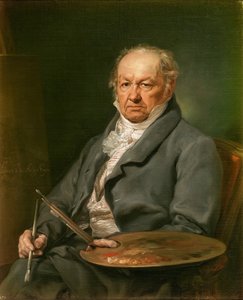
Francisco José de Goya y Lucientes
1746 - 1828 , España
Datos clave
- Artistic Movement Or Style: Romanticism
- Artists Who Influenced This Artist:
- Diego Velázquez
- Rembrandt
- Anton Raphael Mengs
- Date Of Birth: March 30, 1746
- Date Of Death: April 16, 1828
- Full Name: Francisco José de Goya y Lucientes
- Nationality: Spanish
- Notable Artworks:
- Los Caprichos
- The Disasters of War
- La Maja Desnuda
- Place Of Birth: Fuendetodos, Spain
Artículos relacionados

Goya: Las 25 Obras Maestras del Genio Español | Reproducciones de Arte en ArtsDot
Descubre las 25 obras maestras de Goya, el genio español. Explora retratos icónicos, 'Los Caprichos' y 'Las Pinturas Negras'. Reproducciones de arte en lienzo de alta calidad para decorar tu hogar con estilo. ¡Encuentra tu obra favorita en ArtsDot.com!
Las 10 Grabados Legendarios que Revolucionaron el Arte | ArtsDot
Descubre los 10 grabados legendarios que transformaron la historia del arte. Explora las obras maestras de Rembrandt, Goya y Dürer. Encuentra reproducciones de alta calidad e inspírate para decorar tu hogar con arte clásico en ArtsDot.com.
El Aguafuerte: Un Recorrido Histórico por su Técnica, Cualidades Estéticas y Significado Duradero
Descubre la fascinante historia y técnica del aguafuerte. Explora su evolución artística, los maestros que lo dominaron y sus cualidades estéticas únicas. Guía experta para amantes del arte.

The Golden Age Reforged: Dramatic Realism & Religious Zeal in Spanish Baroque Art
Explore the dramatic world of Spanish Baroque art! Discover masters like Zurbarán & the powerful influence of religious zeal on painting techniques – a guide for collectors and enthusiasts.
Francisco Goya: Darkness & Enlightenment – A Comprehensive Exploration of the Artist's Life, Works, and Enduring Legacy
Explore the life & works of Francisco Goya, Spain's Romantic master. Discover his evolution from court painter to a visionary chronicler of war and social injustice. A comprehensive guide for art enthusiasts.