 Ver en contexto
 Enviar
 Compartir
 Detalles

 Descargar
 Similares
 Radiografía
 Presentación de diapositivas
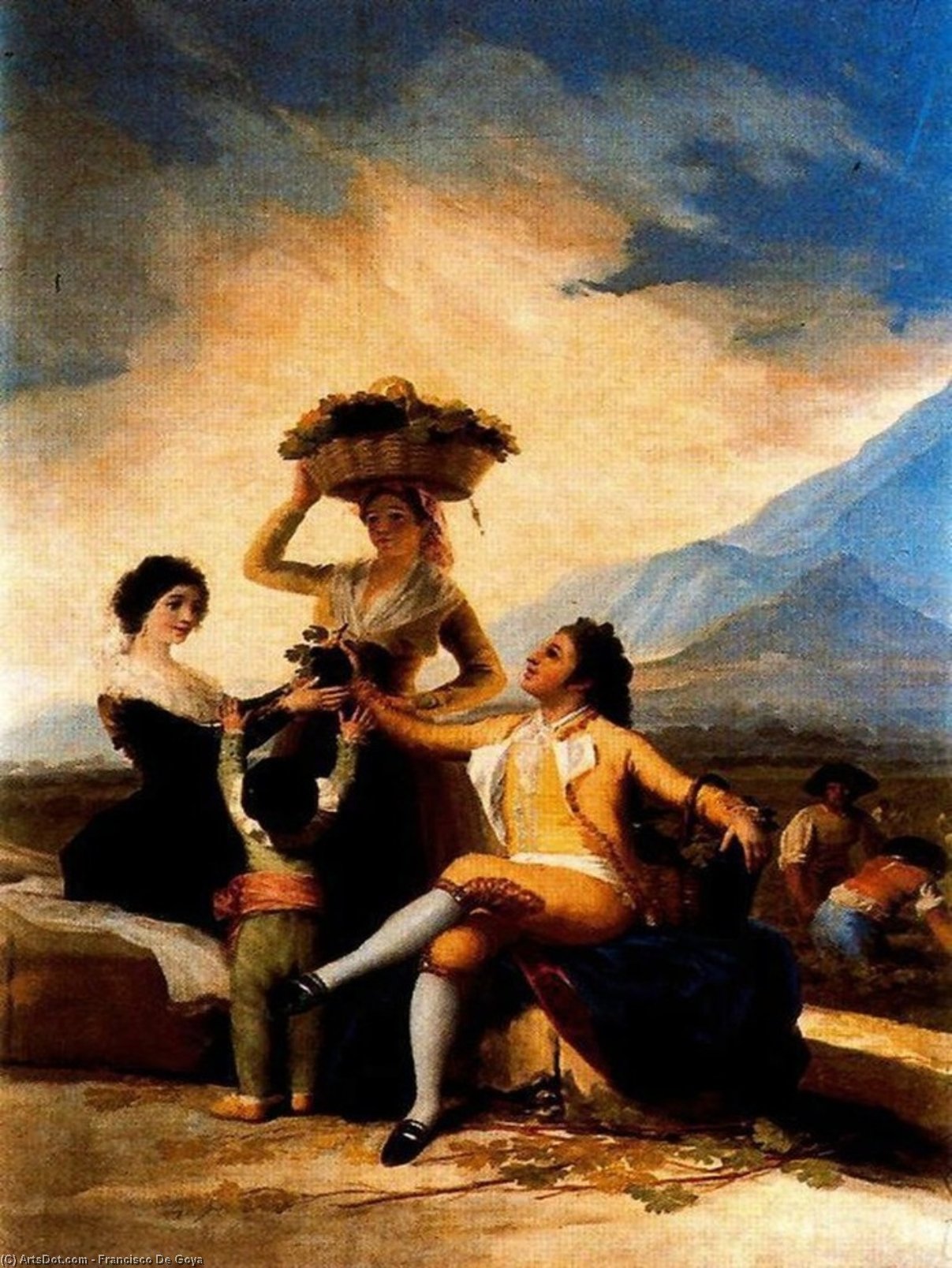
Otoño


 Ver más
Reproducción al óleo hecha a mano
Óleo sobre lienzo pintado a mano en el tamaño y marco de su elección, realizado por encargo por nuestros artistas. ( Comprar impresión Comprar imagen)




P118B $10

P118H $10

P118W $10

P438Z $10

P508JH $12

P508YH $12

P805H $10

P805Z $10

P919BZ $10

P919G $10

P919XJ $10

P959ZH $10

P968JZ $12

W106C $8

W218G $10

W218JH $8

W218Y $10

W307PJ $10

W316G $10

W316PJ $8

W316Y $10

W398PJ $8

W4111J $10

W500HY $15

W500JH $15

W692G $12

W849H $8

W940BG $15

W953PJ $8




Elija entre nuestros tamaños predefinidos que respetan las proporciones originales de la obra.

Puede ingresar sus propias dimensiones para adaptarse a un marco o espacio específico. Si el tamaño seleccionado no coincide con las proporciones de la imagen original, recortaremos la obra o extenderemos la pintura con elementos adicionales pintados a mano. Se le enviará una maqueta digital para su aprobación antes de comenzar la producción.
Tenga en cuenta que la vista previa en pantalla no refleja el recorte o la extensión reales. Solo la maqueta mostrará con precisión la composición final.
Si bien existen tamaños personalizados, recomendamos seleccionar una dimensión de la lista predefinida para preservar las proporciones originales.
Tras realizar el pedido, el equipo de ArtsDot.com enviará un correo electrónico al cliente para solicitar instrucciones y proporcionarle una vista previa del boceto.
Envío a todo el mundo () en 3-4 semanas en lugar de las 5 semanas estándar. (22 agosto). Sin comprometer la calidad.

Envío exprés gratuito a todo el mundo

Lienzo de lino de alta calidad

Seguro de envío total

Garantía de reembolso de impuestos aduaneros

Garantía de fidelidad cromática exacta

Política de devolución de 60 días (solo por defectos)

Garantía de devolución del 100% del dinero

Descuento por cantidad
 La opción de vidrio solo está disponible en tamaños inferiores a 110 cm.

Otoño
Técnica de reproducción
Dimensiones de la reproducción
-


Precio total final
$ 313
Descripción de la obra
Una Escena de Ocio Aristocrático y Desasosiego Subyacente
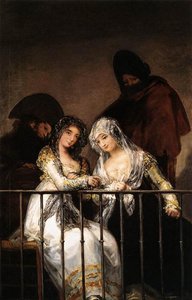
Esta cautivadora pintura al óleo de Francisco Goya presenta un complejo cuadro de la vida aristocrática contra un dramático telón de fondo rural. La obra evoca inmediatamente el estilo característico de Goya: una magistral combinación de realismo, pinceladas expresivas y una inquietante profundidad psicológica que lo distingue como una figura clave que conecta a los Maestros Antiguos con el amanecer del arte moderno.Tema y Narrativa
La composición se centra en un grupo involucrado en actividades recreativas. Un caballero extiende un vaso de vino hacia una mujer, mientras otro atiende a un cesto rebosante de fruta madura. Un hombre sentado observa esta interacción, creando una sensación de voyerismo e invitando al espectador a participar en una narrativa en desarrollo. La escena no es simplemente celebratoria; hay una tensión sutil, un indicio de ambigüedad en las expresiones de los personajes que impide que sea puramente idílica. ¿Es esto hospitalidad, indulgencia o algo más inquietante? El paisaje montañoso circundante y el cielo tormentoso sugieren un mundo más allá de su comodidad inmediata, insinuando fuerzas sociales más amplias en juego.Estilo y Técnica
Las sensibilidades románticas de Goya son aquí evidentes poderosamente. Él prioriza el impacto emocional sobre los ideales clásicos estrictos, abrazando pinceladas sueltas y una iluminación dramática para crear una experiencia visual dinámica y atractiva. La técnica es notable: pinceladas visibles construyen textura y volumen, particularmente en la ropa y la piel de las figuras, contrastando con el tratamiento más áspero del paisaje. El uso de *claroscuro* – el fuerte contraste entre luz y sombra – es magistral, resaltando a los personajes clave e intensificando la atmósfera general. La perspectiva se aplanada deliberadamente, contribuyendo a la intensidad dramática de la pintura y acercando al espectador a la escena.Contexto Histórico y Evolución de Goya
Creada durante un período de importantes convulsiones sociales y políticas en España (fecha exacta desconocida), esta obra refleja la evolución de la visión artística de Goya. Inicialmente, fue pintor de corte, presenció de primera mano los excesos e desigualdades de la sociedad aristocrática. Si bien todavía se adhiere a ciertas convenciones del retrato, sus obras revelan cada vez más un ojo crítico y una creciente preocupación por la condición humana. Esta pintura puede verse como parte de esa transición, insinuando los temas oscuros que dominarían su obra posterior, como *Los Desastres de la Guerra* y las inquietantes *Pinturas Negras*. La formación temprana de Goya con artistas como José Luzán y Martinez y Anton Raphael Mengs proporcionó una base sólida en técnica, pero finalmente superó su influencia, forjando su propio camino único.Simbolismo e Impacto Emocional
El simbolismo dentro de la pintura es rico y abierto a la interpretación. La oferta de vino podría representar hospitalidad, generosidad o incluso tentación y exceso. La abundancia de fruta sugiere prosperidad, pero también insinúa un placer efímero. El imponente paisaje montañoso evoca una sensación de grandeza pero también aislamiento y el poder de la naturaleza. En última instancia, el impacto emocional de la pintura es uno de inquietud. Es hermosa y cautivadora, pero sutilmente perturbadora, provocando a los espectadores que cuestionen la fachada idílica presentada ante ellos.Para Coleccionistas y Diseñadores
Esta obra – o una reproducción de alta calidad – sería una adición impresionante a cualquier colección. Su composición dramática y su rico paleta de colores la convierten en un punto focal tanto en interiores tradicionales como contemporáneos. Los temas de la pintura, como el comentario social y la psicología humana, también se prestan bien a espacios diseñados para la contemplación y la conversación. Es una pieza que invita a la visualización repetida, revelando nuevas capas de significado con cada encuentro.Obras relacionadas
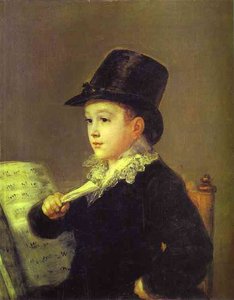
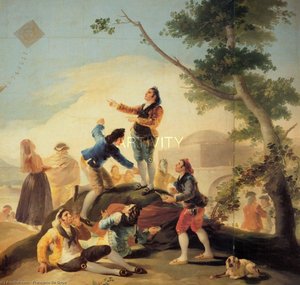
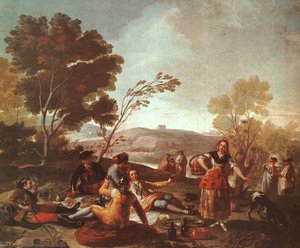
Biografía del artista
Francisco José de Goya y Lucientes
Francisco José de Goya y Lucientes, a name synonymous with both the grandeur of Old Master tradition and the unsettling premonitions of modern art, remains one of history’s most compelling and enigmatic figures. Born in 1746 in the small village of Fuendetodos, Spain, his journey from aspiring provincial artist to court painter, and ultimately, to a visionary chronicler of human suffering and societal decay, is a testament to both his extraordinary talent and the turbulent times he inhabited. Goya’s early training began at age fourteen under José Luzán y Martinez, laying a foundation in traditional techniques before he moved to Madrid and refined his skills with Anton Raphael Mengs, then the dominant artistic force at the Spanish court. This initial period instilled in him a mastery of form and composition, evident in his early commissions – designs for tapestries that showcased lively scenes of everyday life, reflecting a Rococo sensibility tempered by a distinctly Spanish realism. Marriage to Josefa Bayeu, sister of another painter within the royal circle, further cemented his position within the artistic establishment. These early works, while charming and skillfully executed, offered little hint of the profound emotional depth and unsettling darkness that would come to define his later oeuvre.From Royal Commissions to Visions of Turmoil
Goya’s ascent through the ranks of the Spanish court was steady. He became a painter to the Royal Chamber in 1786, securing a stream of portrait commissions from the aristocracy and royalty. These portraits are remarkable not merely for their technical brilliance – Goya possessed an uncanny ability to capture likeness with unflinching honesty – but also for their psychological insight. He didn’t simply paint what his sitters *looked* like; he revealed something of their character, their vulnerabilities, and even their hidden anxieties. Consider the portrait of María Cayetana de Silva Alba, commissioned in 1797—Goya’s masterful depiction captures not just her physical appearance but also an aura of melancholy and introspection that speaks volumes about her inner life. He achieved this feat through meticulous observation and a profound understanding of human psychology, techniques honed during his formative years under Mengs. However, beneath the veneer of courtly success, a transformation was brewing within Goya. In 1793, a severe illness left him profoundly deaf, an event that irrevocably altered his perception of the world and, consequently, his art. This affliction plunged him into a period of intense introspection and isolation, severing his connection to the social life he once enjoyed and forcing him inward, towards a darker, more subjective reality. The shift in his artistic style was dramatic. Gone were the bright colors and cheerful scenes; in their place emerged a brooding palette, loose brushwork, and compositions charged with emotional intensity. He began to explore themes of madness, violence, and the irrational, foreshadowing the anxieties that would grip Europe in the coming decades.The Caprichos, Disasters, and Black Paintings: A Descent into Darkness
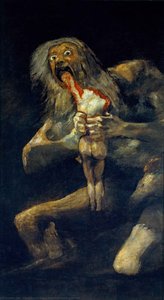
This period of artistic ferment culminated in some of Goya’s most iconic works. Los Caprichos, a series of eighty etchings published in 1799, are a scathing satire of Spanish society – its follies, superstitions, and moral corruption laid bare with unflinching wit and biting irony. The images are grotesque yet captivating, populated by witches, monsters, and caricatures of the aristocracy, all rendered with a masterful command of etching techniques. Each print is a deliberate provocation, challenging viewers to confront uncomfortable truths about Spanish society and its ruling class. Yet, amidst this critique of power comes an undeniable beauty—a fascination for the macabre that nonetheless possesses a certain elegance. But it was The Disasters of War, created between 1810 and 1820, that truly cemented Goya’s reputation as a fearless chronicler of human suffering. These harrowing etchings depict the brutality of the Peninsular War – the atrocities committed by both sides, the starvation, the despair, and the utter devastation wrought upon the Spanish people. They are not heroic depictions of battle; they are unflinching portrayals of its horrors, devoid of any romanticism or glorification. Goya’s aim was to expose the barbarity of war without resorting to sentimental embellishment—a courageous stance that anticipated the artistic sensibilities of the Romantic era. The series is a testament to his unwavering commitment to portraying reality as he saw it, confronting viewers with images of unimaginable cruelty and loss. Perhaps most unsettling of all are The Black Paintings, a series of fourteen murals Goya painted directly onto the walls of his house, “Quinta del Sordo” (the Deaf Man’s Villa), between 1819 and 1823. These works – including *Saturn Devouring His Son* and *Asmodea* – are a descent into the darkest recesses of the human psyche, expressing themes of despair, madness, and existential dread with unparalleled intensity. They represent Goya’s most profound exploration of psychological torment—images that haunt viewers with their unsettling symbolism and visceral emotion.Legacy: A Bridge Between Worlds
In 1824, disillusioned by political unrest in Spain, Goya sought exile in Bordeaux, France, where he continued to work until his death in 1828. His final years were marked by a renewed focus on printmaking, culminating in the *La Tauromaquia* series, which explored the spectacle and brutality of bullfighting. This project reflects Goya’s fascination with the dramatic arts—particularly theater—and demonstrates his ability to capture complex emotions and psychological states within a single image. He remained steadfast in his artistic vision until his final days, producing works that would solidify his place as one of the most influential artists of his time. Francisco Goya’s legacy is immense and far-reaching. He stands as a pivotal figure in art history, bridging the gap between the Old Masters and the modern movement. His influence can be seen in the works of countless artists who followed – from Édouard Manet and Pablo Picasso to Francis Bacon – all drawn to his expressive brushwork, psychological depth, and willingness to confront uncomfortable truths. He challenged artistic conventions, embraced innovation, and dared to explore the darker aspects of human experience, leaving behind a body of work that continues to resonate with audiences today. Goya wasn’t merely painting pictures; he was holding up a mirror to society, forcing us to confront our own flaws and vulnerabilities, and reminding us of the enduring power – and fragility – of the human spirit.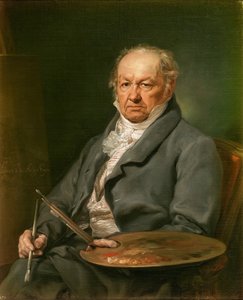
Francisco José de Goya y Lucientes
1746 - 1828 , España
Datos clave
- Artistic Movement Or Style: Romanticism
- Artists Who Influenced This Artist:
- Diego Velázquez
- Rembrandt
- Anton Raphael Mengs
- Date Of Birth: March 30, 1746
- Date Of Death: April 16, 1828
- Full Name: Francisco José de Goya y Lucientes
- Nationality: Spanish
- Notable Artworks:
- Los Caprichos
- The Disasters of War
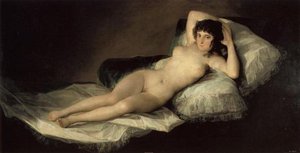
- La Maja Desnuda
- Place Of Birth: Fuendetodos, Spain
Artículos relacionados

Goya: Las 25 Obras Maestras del Genio Español | Reproducciones de Arte en ArtsDot
Descubre las 25 obras maestras de Goya, el genio español. Explora retratos icónicos, 'Los Caprichos' y 'Las Pinturas Negras'. Reproducciones de arte en lienzo de alta calidad para decorar tu hogar con estilo. ¡Encuentra tu obra favorita en ArtsDot.com!
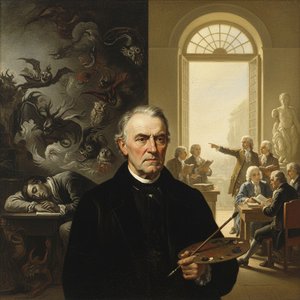
Francisco Goya: Darkness & Enlightenment – A Comprehensive Exploration of the Artist's Life, Works, and Enduring Legacy
Explore the life & works of Francisco Goya, Spain's Romantic master. Discover his evolution from court painter to a visionary chronicler of war and social injustice. A comprehensive guide for art enthusiasts.
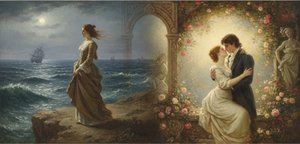
Romantic Realism's Finest: 10 Masterpieces for Your Home | ArtsDot
Explore 10 defining masterpieces of Romantic Realism! Discover Courbet, Millet & Daumier's powerful paintings—capturing emotion and social realities. Find museum-quality reproductions for your home at ArtsDot.com.

The Enduring Legacy of Oil on Canvas: Technique, History & Aesthetic Impact
Explore the rich history & techniques of oil painting – from Renaissance masters to Impressionism. Discover pigments, layering methods, and why this timeless medium endures. Expert insights for artists & art enthusiasts.

El Óleo sobre Lienzo: Historia, Técnica y la Persistencia de un Medio Artístico Atemporal
Descubre la historia y técnica del óleo sobre lienzo. Explora reproducciones fieles hechas a mano, personalización artística y consejos de expertos con ArtsDot. ¡Colecciona arte con confianza!