

 Ver en contexto
 Enviar
 Compartir
 Detalles

 Descargar
 Similares
 Radiografía
 Presentación de diapositivas
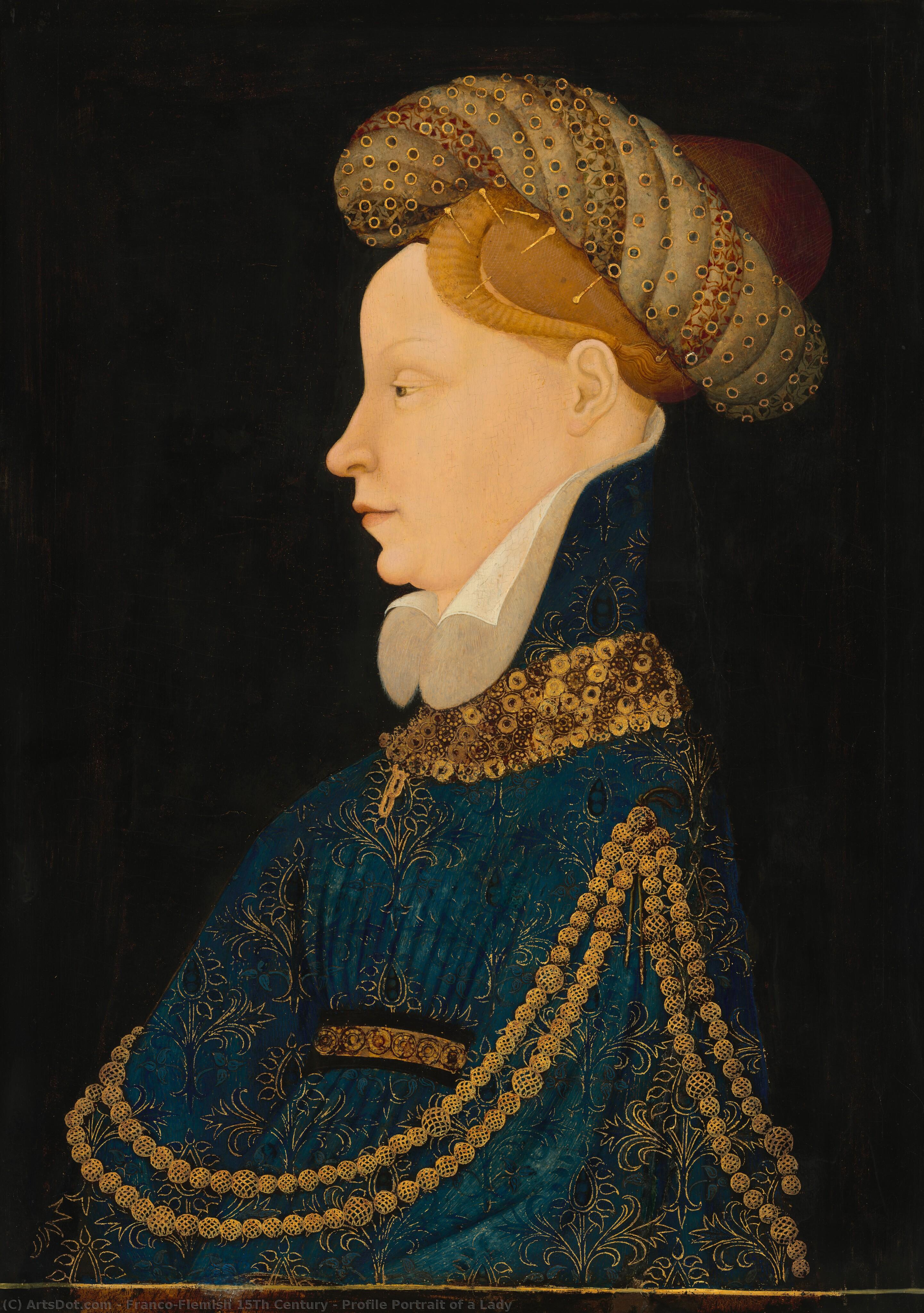
Profile Portrait of a Lady
 1410
1410 74.0 x 61.0 cm
 Ver más
Adquiera una imagen digital de alta resolución y optimizada, muy superior a la vista previa en línea.
Cada archivo es preparado meticulosamente por nuestros especialistas internos mediante el uso de herramientas avanzadas y un experto retoque manual. Nos aseguramos de que cada imagen posea una claridad excepcional, una precisión cromática impecable y un detalle minucioso.
El archivo final se entrega por correo electrónico en un plazo de 72 horas, optimizado para su uso inmediato en entornos profesionales, editoriales y de impresión. Esta es la misma calidad en la que confían los estudios de diseño, las editoriales y las galerías de primer nivel.
Imagen Digital
Descarga un archivo de alta resolución para exhibición personal, impresión y proyectos creativos. ( Comprar impresión Comprar pintura hecha a mano)
Incluido en cada pedido de imágenes digitales
Entrega digital experta, garantizada.
Al elegir ArtsDot.com, no solo está adquiriendo una imagen; está recibiendo una obra de arte digital mejorada profesionalmente, elaborada con precisión y respaldada por una garantía de satisfacción. Esto es todo lo que incluye su pedido, automáticamente:

Entrega rápida por email
Recibirá su archivo de imagen digital en alta resolución por correo electrónico en un plazo de 72 horas tras realizar su pedido, listo para su uso inmediato.

Archivo digital optimizado por IA
Su obra de arte se optimiza profesionalmente mediante herramientas avanzadas de IA y edición manual, garantizando el máximo detalle, claridad y precisión cromática.

Reenvío gratuito de por vida
¿Has borrado o perdido tu archivo por error? No te preocupes: te lo volveremos a enviar en cualquier momento, sin coste adicional.

Sin gastos de importación, siempre
Disfrute de su obra de arte al instante sin aduanas, aranceles ni gastos de envío; las descargas digitales siempre están libres de impuestos.

Garantía de fidelidad de color
Garantizamos que su imagen digital refleje los colores originales con la mayor fidelidad posible, mediante el uso de herramientas profesionales y gestión del color.

Garantía de satisfacción de 60 días
Si no está satisfecho con su imagen digital, la revisaremos o le reembolsaremos el 100% en un plazo de 60 días, sin preguntas.

100% Garantía de devolución de dinero
¿No está satisfecho? Obtenga un reembolso completo dentro de los 60 días posteriores a la recepción de su archivo digital, sin necesidad de explicaciones.

Descuentos por pedidos grandes
Compra 3 imágenes, ahorra 10% - Compra 5, ahorra 15% - Compra 10+, ahorra 20%. Ideal para proyectos creativos, galerías y agencias.
Obras relacionadas





Biografía del artista
The Enigmatic World of Hieronymus Bosch
Hieronymus Bosch, a name synonymous with fantastical imagery and moral allegory, remains one of the most compelling and elusive figures in art history. Born around 1450 in 's-Hertogenbosch, Netherlands, little is definitively known about his life beyond documented guild records and scattered references in contemporary accounts. He hailed from a family of painters – his grandfather, father, and brothers all practiced the craft – suggesting an early immersion into artistic techniques and traditions. However, Bosch quickly transcended these foundations, forging a unique visual language that defied easy categorization. His world wasn’t one of observed reality but rather a deeply personal and symbolic realm populated by hybrid creatures, grotesque figures, and unsettling landscapes. He worked primarily on panels, often triptychs intended for private devotion, allowing him to create complex narratives unfolding across multiple surfaces. While he enjoyed considerable recognition during his lifetime, commissioned by wealthy patrons including Philip the Fair, the true depth of his vision wouldn’t be fully appreciated until centuries later.Influences and Early Development
Pinpointing Bosch's direct influences is a challenging task, largely due to the originality of his style. He absorbed elements from existing artistic currents – the meticulous detail of early Netherlandish painting exemplified by Jan van Eyck and Rogier van der Weyden, the vibrant colors and expressive forms of manuscript illumination, and the popular imagery of folk tales and proverbs. However, he didn’t simply replicate these sources; he transformed them. The influence of medieval marginalia – the often bizarre and humorous illustrations found in illuminated manuscripts – is particularly evident in his depictions of fantastical beasts and playful demons. Furthermore, a fascination with alchemy and esoteric religious movements likely played a role in shaping his symbolic vocabulary. His early works, such as *The Temptation of Saint Anthony* (c. 1490-1500), already demonstrate his distinctive style: crowded compositions, unsettling psychological tension, and the burgeoning presence of hybrid creatures that would become hallmarks of his mature work. These pieces reveal a growing preoccupation with themes of sin, temptation, and the fragility of human morality, foreshadowing the complex allegories to come.Major Achievements and The Garden of Earthly Delights
Bosch’s most celebrated masterpiece, *The Garden of Earthly Delights* (c. 1490-1510), is a monumental triptych that encapsulates the breadth of his artistic vision. When opened, the work presents a panoramic view of creation, sin, and damnation. The left panel depicts the Garden of Eden, a pristine paradise teeming with fantastical animals and Adam and Eve’s initial innocence. The central panel explodes into a vibrant scene of human pleasure and indulgence – a world populated by nude figures engaged in various activities, often playful but ultimately frivolous. The right panel offers a terrifying vision of Hell, a landscape of grotesque torments and bizarre punishments tailored to specific sins. What sets this work apart is not merely its technical brilliance or imaginative detail, but the ambiguity of its message. Is it a condemnation of earthly pleasures? A warning against temptation? Or perhaps a more nuanced exploration of human nature itself? Other significant works include *The Last Judgment* (c. 1498-1500) and his numerous depictions of Saint Anthony’s trials, each offering unique insights into Bosch's complex worldview.Symbolism and Interpretation
Decoding the symbolism within Bosch’s paintings is a notoriously difficult undertaking. He employed a highly personal iconography, drawing upon a diverse range of sources – religious texts, folklore, alchemy, and contemporary proverbs – often layering multiple meanings into single images. Certain motifs recur throughout his work: owls representing folly, fish symbolizing lust, eggs signifying birth and resurrection, and hybrid creatures embodying the chaotic forces of temptation. The sheer density of symbolism invites endless interpretation. Scholars have proposed various readings, ranging from straightforward moral allegories to more complex psychological analyses. Some believe his paintings reflect a deep-seated pessimism about human nature, while others see them as critiques of religious hypocrisy or social injustice.- The prevalence of water imagery often relates to the dangers of temptation and sin.
- Musical instruments frequently symbolize earthly pleasures and vanities.
- Hybrid creatures represent the distorted nature of humanity when corrupted by sin.
Historical Significance and Legacy
Hieronymus Bosch’s impact on subsequent generations of artists is undeniable. His fantastical imagery captivated contemporaries and continues to inspire awe and fascination today. His work challenged conventional artistic norms, paving the way for new forms of expression in painting. Artists like Pieter Bruegel the Elder directly drew inspiration from his compositions and themes. Furthermore, Bosch’s influence extends beyond the realm of visual art, finding resonance in literature, music, and popular culture. His paintings have been interpreted through various lenses – psychological, religious, social – reflecting their enduring power to provoke thought and inspire debate. He is considered a precursor to Surrealism, with artists like Salvador Dalí acknowledging his profound influence on their own work. Bosch’s legacy lies not only in the beauty and originality of his art but also in its ability to tap into universal anxieties about morality, temptation, and the human condition – themes that remain as relevant today as they were five centuries ago.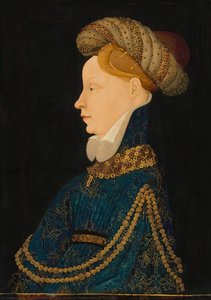
Breves datos
- Artistic Movement Or Style: Early Netherlandish painting
- Date Of Death: Living
- Full Name: Franco-Flemish 15th Century

