

 Enviar
 Compartir
 Detalles

 Descargar
 Similares
 Presentación de diapositivas
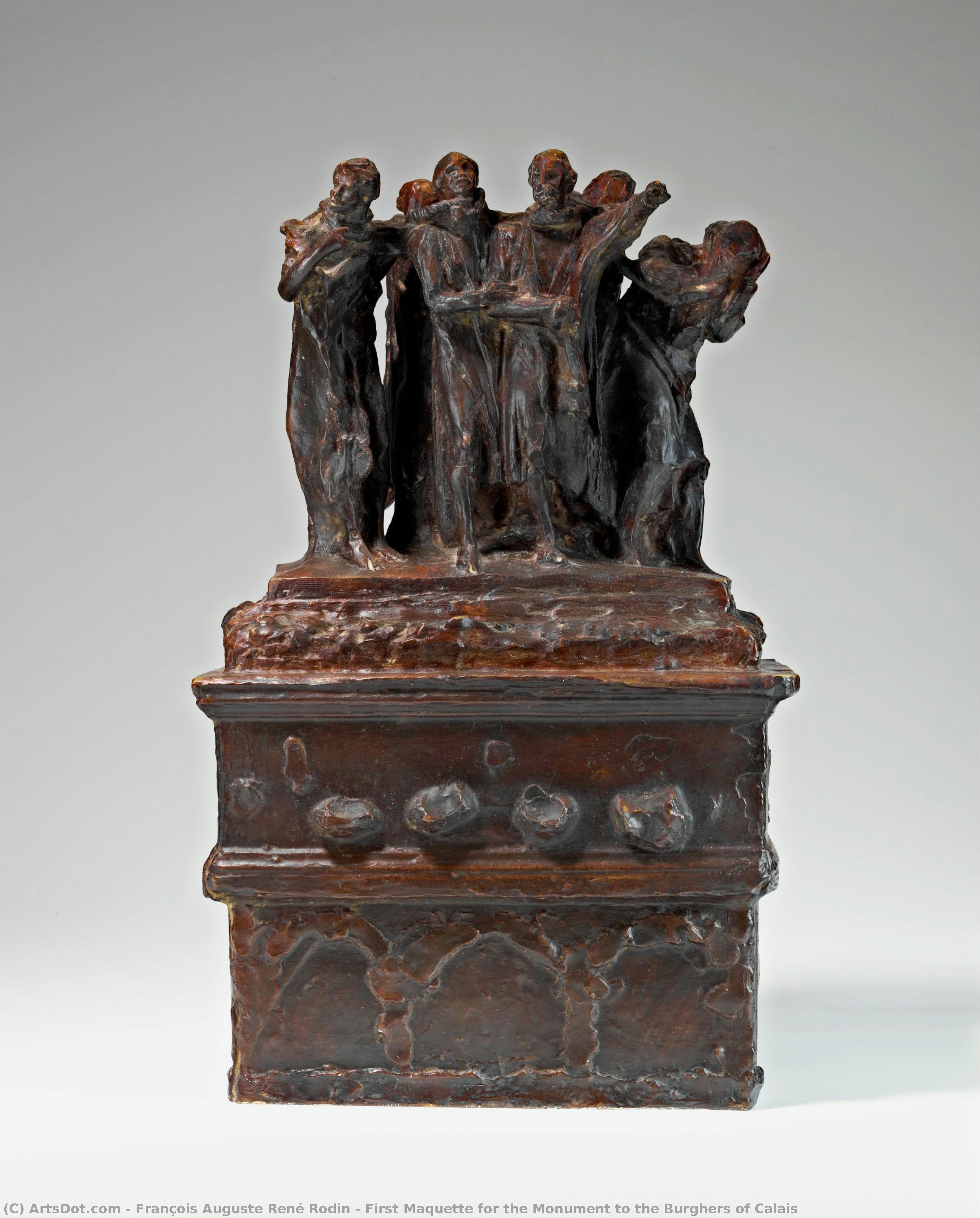
First Maquette for the Monument to the Burghers of Calais


 Ver más
Adquiera una imagen digital de alta resolución y optimizada, muy superior a la vista previa en línea.
Cada archivo es preparado meticulosamente por nuestros especialistas internos mediante el uso de herramientas avanzadas y un experto retoque manual. Nos aseguramos de que cada imagen posea una claridad excepcional, una precisión cromática impecable y un detalle minucioso.
El archivo final se entrega por correo electrónico en un plazo de 72 horas, optimizado para su uso inmediato en entornos profesionales, editoriales y de impresión. Esta es la misma calidad en la que confían los estudios de diseño, las editoriales y las galerías de primer nivel.
Imagen Digital
Descarga un archivo de alta resolución para exhibición personal, impresión y proyectos creativos. ( Comprar impresión Comprar pintura hecha a mano)
Incluido en cada pedido de imágenes digitales
Entrega digital experta, garantizada.
Al elegir ArtsDot.com, no solo está adquiriendo una imagen; está recibiendo una obra de arte digital mejorada profesionalmente, elaborada con precisión y respaldada por una garantía de satisfacción. Esto es todo lo que incluye su pedido, automáticamente:

Entrega rápida por email
Recibirá su archivo de imagen digital en alta resolución por correo electrónico en un plazo de 72 horas tras realizar su pedido, listo para su uso inmediato.

Archivo digital optimizado por IA
Su obra de arte se optimiza profesionalmente mediante herramientas avanzadas de IA y edición manual, garantizando el máximo detalle, claridad y precisión cromática.

Reenvío gratuito de por vida
¿Has borrado o perdido tu archivo por error? No te preocupes: te lo volveremos a enviar en cualquier momento, sin coste adicional.

Sin gastos de importación, siempre
Disfrute de su obra de arte al instante sin aduanas, aranceles ni gastos de envío; las descargas digitales siempre están libres de impuestos.

Garantía de fidelidad de color
Garantizamos que su imagen digital refleje los colores originales con la mayor fidelidad posible, mediante el uso de herramientas profesionales y gestión del color.

Garantía de satisfacción de 60 días
Si no está satisfecho con su imagen digital, la revisaremos o le reembolsaremos el 100% en un plazo de 60 días, sin preguntas.

100% Garantía de devolución de dinero
¿No está satisfecho? Obtenga un reembolso completo dentro de los 60 días posteriores a la recepción de su archivo digital, sin necesidad de explicaciones.

Descuentos por pedidos grandes
Compra 3 imágenes, ahorra 10% - Compra 5, ahorra 15% - Compra 10+, ahorra 20%. Ideal para proyectos creativos, galerías y agencias.
The Weight of Sacrifice: Rodin’s “The Burghers of Calais”
Auguste Rodin's "The Burghers of Calais" isn’t merely a sculpture; it’s a visceral embodiment of courage, despair, and the profound weight of collective sacrifice. Completed in 1889 after initial modeling began in 1884, this monumental bronze captures a pivotal moment from French history – the heroic decision by six citizens of Calais to surrender themselves to the English army during the Hundred Years’ War, thereby saving their city from destruction. More than just a historical depiction, Rodin masterfully distilled the emotional core of the event, creating an artwork that continues to resonate with viewers over a century later.
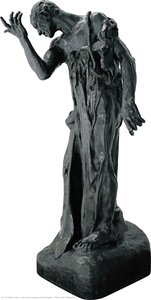
The scene unfolds within a tightly-packed circle, dominated by six figures rendered in astonishingly realistic detail. Each man – Eustache de Saint-Pierre, Jacques and Pierre de Wissant, Andrieu d’Andres, Jean de Fiennes, and Jean d’Aire – is depicted with an intensity of emotion that transcends the historical narrative. Rodin deliberately eschewed traditional heroic poses, opting instead for a cluster of figures slumped in defeat, their bodies bearing the marks of exhaustion and impending doom. Note the stark contrast between the rough, unpolished surfaces of their clothing and the subtly sculpted musculature beneath – a testament to Rodin’s commitment to portraying the human form with an unprecedented level of naturalism.
A Revolutionary Approach to Sculpture
Rodin's approach to “The Burghers of Calais” was profoundly revolutionary for its time. He rejected the prevailing Neoclassical style, which favored idealized forms and allegorical narratives, in favor of a raw, emotionally charged realism. Unlike many sculptors who focused on polished surfaces and decorative elements, Rodin deliberately roughened the bronze, creating a textured surface that mirrors the weariness and desperation of the figures. This technique, combined with his innovative use of light and shadow, imbues the sculpture with an almost palpable sense of drama.
Furthermore, Rodin challenged conventional sculptural conventions by depicting a group of individuals rather than a single hero. He understood that the true heroism lay not in individual glory but in collective sacrifice – a concept powerfully conveyed through the interconnectedness of the figures within the circle. This deliberate choice reflects Rodin’s broader artistic philosophy: to capture the complexities and contradictions of human experience, moving beyond simplistic representations of virtue and vice.
Symbolism and Emotional Resonance
The sculpture is laden with symbolism, reflecting both the historical context and Rodin's own personal struggles. The figures’ bare feet, grounded in the earth, represent their vulnerability and impending fate. Their rough clothing symbolizes their humble origins and lack of wealth – they were ordinary citizens who chose to risk their lives for their city. The ropes around their necks, a visual reminder of their imminent execution, serve as a poignant metaphor for sacrifice and redemption.
Rodin’s masterful use of gesture further amplifies the emotional impact of the work. Each figure is caught in a moment of intense contemplation – some bowed in despair, others staring into the distance with a mixture of resignation and defiance. The subtle shifts in posture and facial expression convey a spectrum of emotions: fear, sorrow, determination, and ultimately, acceptance. The sculpture doesn’t offer easy answers or triumphant celebrations; instead, it invites viewers to confront the uncomfortable realities of human suffering and the enduring power of compassion.
A Legacy of Emotional Truth
"The Burghers of Calais" remains one of Rodin's most celebrated works, admired for its emotional honesty and technical brilliance. It stands as a testament to his ability to capture the essence of human experience – the triumphs and tragedies, the hopes and fears that define our lives. Reproductions of this powerful sculpture continue to inspire awe and contemplation, reminding us of the enduring value of courage, sacrifice, and the importance of remembering those who have given their all for the greater good. Its placement in public spaces reinforces its message, inviting passersby to pause and reflect on the profound human stories embedded within its bronze form.
Obras relacionadas
Biografía del artista
Primeros años y formación
François Auguste René Rodin, escultor francés, nació el 12 de noviembre de 1840 en París, Francia. Es ampliamente considerado como el precursor de la escultura moderna. A pesar de su educación tradicional, su enfoque artístico fue innovador y poco convencional. Su vida temprana estuvo marcada por un fuerte deseo de crear, lo que lo llevó a asistir a la Petite École, una escuela especializada en arte y matemáticas.Carrera artística
La carrera artística de Rodin se caracteriza por su habilidad única para modelar superficies complejas y turbulentas en arcilla. Muchas de sus esculturas más notables fueron inicialmente criticadas durante su vida debido a su desviación de las tradiciones figurativas tradicionales. Sin embargo, la persistencia y la dedicación de Rodin a su oficio finalmente llevaron a su reconocimiento como el escultor francés preeminente de su tiempo.- El Pensador (1880-1882), una de las esculturas más famosas de Rodin, es un ejemplo primordial de su enfoque artístico innovador.
- El Beso (1886-1898), otra escultura icónica, muestra la capacidad de Rodin para capturar la esencia de la emoción humana.
- Los Burgueses de Calais (1884-1895), una escultura poderosa y conmovedora, conmemora el sufrimiento y el sacrificio de seis ciudadanos de Calais durante la Guerra de los Cien Años.
Evolución y Influencias
Rodin experimentó con diversas técnicas y materiales a lo largo de su carrera, alejándose gradualmente de las convenciones académicas. Su trabajo estuvo influenciado por el arte antiguo, especialmente la escultura griega y romana, pero también se inspiró en el arte medieval y el Renacimiento. La influencia del impresionismo también es evidente en su enfoque en la textura y la luz. Rodin buscaba capturar no solo la forma física de sus sujetos, sino también su estado emocional interno.Legado e Importancia Histórica
La influencia de Rodin en la escultura moderna es innegable. Su enfoque poco convencional del arte ha inspirado a generaciones de artistas, consolidando su lugar en la historia del arte. Rompió con las tradiciones escultóricas anteriores al enfatizar la expresión emocional y la textura sobre la precisión anatómica. Su trabajo abrió el camino para nuevas formas de escultura que se centraban en la forma y la emoción más que en la representación realista. Rodin es recordado como un pionero que transformó la escultura y allanó el camino para los artistas modernos.Museos y Colecciones
Las obras de Rodin se pueden encontrar hoy en varios museos de todo el mundo, incluyendo:- Musée Rodin, París - dedicado a exhibir las esculturas, dibujos y otras obras de Rodin.
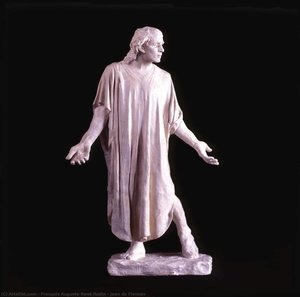
- ArtsDot.com - presenta una vasta colección de pinturas y esculturas de Rodin, incluyendo la pequeña cabeza de Jean de Fiennes con mano.
- Cantor Arts Center en la Universidad de Stanford, California - alberga varias obras de Rodin, incluyendo busto de Albert-Ernest Carrier-Belleuse.
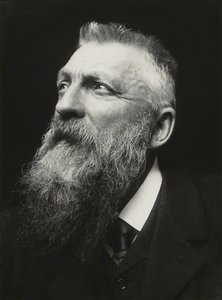
Auguste Rodin
1840 - 1917 , Francia
Breves datos
- Estilo Artístico: Escultura moderna
- Fecha De Muerte: 7 de noviembre de 1917
- Fecha De Nacimiento: 12 de noviembre de 1840
- Lugar De Nacimiento: París, Francia
- Nacionalidad: Francesa
- Nombre Completo: François Auguste René Rodin
- Obras Notables:
- El pensador
- El beso
- Los burgueses de Calais

