 Enviar
 Compartir
 Detalles

 Descargar
 Similares
 Presentación de diapositivas
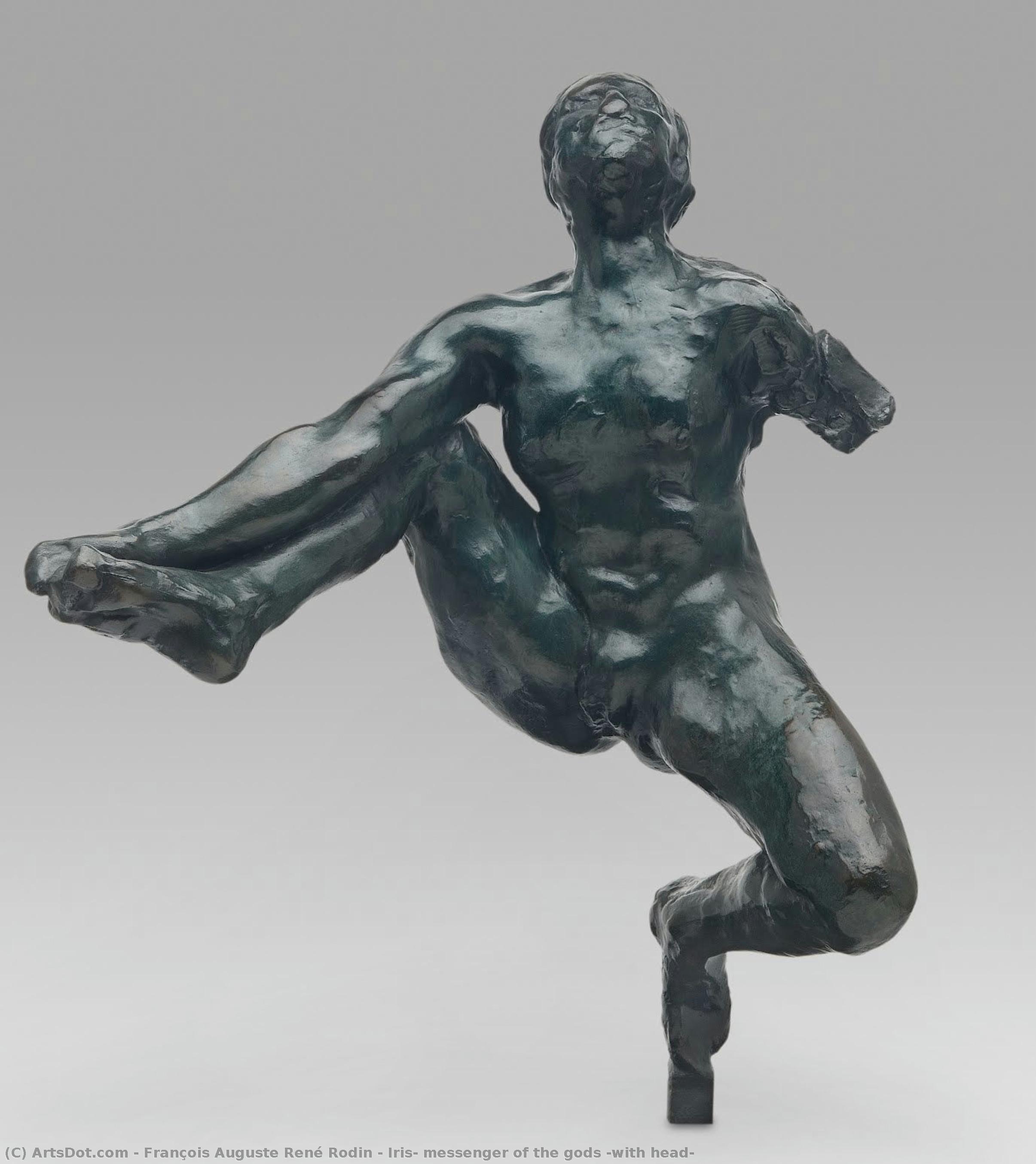
Iris, messenger of the gods (with head)
 Sculpture Bronze
- Sculpture
- Symbolist Sculpture
 1970
1970 40.0 x 48.0 cm
 Galería de Arte de Australia del Sur
 Ver más
Giclée / Impresión de arte
Impresiones giclée o en lienzo de calidad de museo con producción rápida y opciones de acabado flexibles. ( Comprar pintura hecha a mano Comprar imagen)




































Elija entre nuestros tamaños predefinidos que respetan las proporciones originales de la obra.

Puede introducir sus propias dimensiones para adaptarse a un marco o espacio específico. Si el tamaño seleccionado no coincide con las proporciones de la imagen original, recortaremos la obra de arte o extenderemos la imagen con un borde con efecto espejo o de color sólido. Se enviará una maqueta digital para su aprobación antes de que comience la producción.
Tenga en cuenta que la vista previa en pantalla no refleja el recorte o la extensión real. Solo la maqueta mostrará con precisión la composición final.
Aunque existen tamaños personalizados, recomendamos seleccionar una dimensión de la lista predefinida para preservar las proporciones originales.
Envío a todo el mundo () en 2 semanas en lugar de las 4/5 semanas estándar. (24 agosto)

Envío exprés gratuito a todo el mundo

Lienzo de lino de alta calidad

Seguro de envío total

Garantía de reembolso de impuestos aduaneros

Garantía de fidelidad cromática exacta

Política de devolución de 60 días (solo por defectos)

Garantía de devolución del 100% del dinero

Descuento por cantidad
 La opción de vidrio solo está disponible en tamaños inferiores a 110 cm.

Iris, messenger of the gods (with head)
Giclée / Impresión de arte
Dimensiones de la reproducción
-


Precio total final
$ 62
Descripción de la pieza
A Glimpse of Divine Messenger: Rodin’s *Iris, Messenger of the Gods*
Auguste Rodin's *Iris, Messenger of the Gods*, a bronze sculpture born from a complex interplay of mythology, personal experience, and artistic rebellion, remains one of the most arresting and debated works in his oeuvre. More than simply a depiction of the Greek goddess who carried messages between the gods and mortals, it’s an embodiment of dynamism, sensual power, and a profound exploration of the human condition. Created during a pivotal period in Rodin's career – 1891-1894 – this sculpture transcends its initial commission as a monument to Victor Hugo, evolving into a potent symbol of modernity and artistic freedom.
The genesis of *Iris* is inextricably linked to Rodin’s tumultuous relationship with his sister, Marie, whose untimely death profoundly impacted the artist. This personal grief fueled a desire to capture movement and vitality, rejecting the rigid formality of academic sculpture in favor of a more expressive and emotionally charged approach. The initial concept for the Hugo monument demanded a figure conveying both divine authority and human vulnerability; Rodin, however, found himself drawn to a radically different interpretation – a dynamic, almost aggressively sensual representation of Iris herself. This shift reflects a broader artistic trend at the time, challenging traditional notions of beauty and embracing a more naturalistic portrayal of the female form.
The Sculptor’s Technique: A Masterclass in Texture
Rodin's mastery of bronze casting is immediately apparent in *Iris*. He didn’t simply sculpt; he coaxed the metal into existence, meticulously building up layers of wax to create a surface of astonishing complexity. The sculpture’s skin isn’t smooth or polished; instead, it’s a landscape of deeply etched wrinkles, bulging muscles, and subtly shifting planes – a testament to Rodin's relentless pursuit of capturing the essence of human movement and emotion. This technique, honed through years of working with stone and clay, is particularly evident in the depiction of Iris’s legs, which seem to ripple with contained energy, poised for flight. The use of *repoussé* – hammering metal from the front to create relief on the back – further enhances the sculpture's three-dimensionality, adding a tactile quality that invites close examination.
The choice of bronze itself is significant. Bronze’s inherent malleability allowed Rodin to achieve the desired level of detail and expressiveness, while its durability ensured the sculpture’s longevity. The casting process was painstaking, involving multiple iterations and adjustments until the final form captured the artist's vision. Notably, the work was cast by Alexis Rudier, a renowned Parisian foundryman who collaborated closely with Rodin on numerous projects.
Symbolism and Interpretation: A Fragment of Eternity
*Iris* is rich in symbolic meaning, drawing upon both classical mythology and contemporary anxieties. As the messenger of the gods, Iris traditionally carried divine decrees and facilitated communication between the mortal realm and Olympus. However, Rodin’s interpretation transcends this traditional role, transforming her into a figure of potent energy and primal force. The sculpture's open pose – with legs spread wide and genitalia exposed – is deliberately provocative, challenging conventional notions of modesty and inviting viewers to confront their own desires and anxieties. Some scholars interpret the work as an allegory for the spirit of the 19th century, embodying both its dynamism and its underlying tensions.
The deliberate removal of Iris’s head and one arm – a later alteration made in 1894 – adds another layer of complexity to the sculpture's meaning. These omissions create a sense of fragmentation and vulnerability, suggesting that even the divine messenger is subject to earthly limitations. The remaining torso becomes a powerful symbol of embodied experience, stripped bare of adornment and presented with raw honesty.
A Legacy of Boldness: Rodin’s Enduring Influence
*Iris, Messenger of the Gods* stands as a testament to Rodin's revolutionary approach to sculpture. It broke from the conventions of academic art, embracing naturalism, emotional intensity, and a willingness to confront uncomfortable truths. The sculpture’s enduring appeal lies in its ability to evoke a wide range of emotions – sensuality, vulnerability, power, and mystery. It continues to fascinate and provoke viewers today, cementing Rodin's place as one of the most important figures in modern art.
Reproductions of *Iris* offer a remarkable opportunity to experience this iconic work firsthand, capturing its dynamic energy and profound symbolism. Whether displayed in a private collection or a public space, this sculpture serves as a powerful reminder of Rodin’s artistic vision and his enduring legacy.
Obras relacionadas
Biografía del artista
Primeros años y formación
François Auguste René Rodin, escultor francés, nació el 12 de noviembre de 1840 en París, Francia. Es ampliamente considerado como el precursor de la escultura moderna. A pesar de su educación tradicional, su enfoque artístico fue innovador y poco convencional. Su vida temprana estuvo marcada por un fuerte deseo de crear, lo que lo llevó a asistir a la Petite École, una escuela especializada en arte y matemáticas.Carrera artística
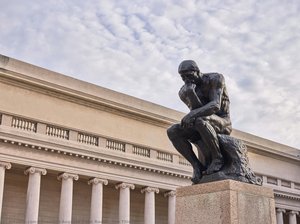
La carrera artística de Rodin se caracteriza por su habilidad única para modelar superficies complejas y turbulentas en arcilla. Muchas de sus esculturas más notables fueron inicialmente criticadas durante su vida debido a su desviación de las tradiciones figurativas tradicionales. Sin embargo, la persistencia y la dedicación de Rodin a su oficio finalmente llevaron a su reconocimiento como el escultor francés preeminente de su tiempo.- El Pensador (1880-1882), una de las esculturas más famosas de Rodin, es un ejemplo primordial de su enfoque artístico innovador.
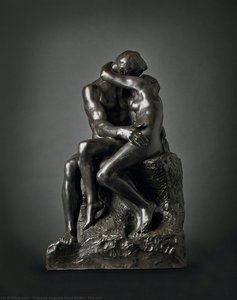
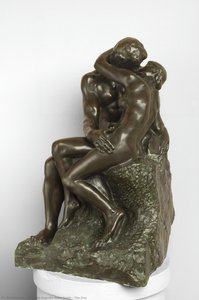
- El Beso (1886-1898), otra escultura icónica, muestra la capacidad de Rodin para capturar la esencia de la emoción humana.
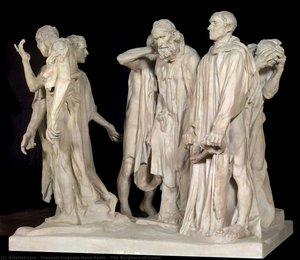
- Los Burgueses de Calais (1884-1895), una escultura poderosa y conmovedora, conmemora el sufrimiento y el sacrificio de seis ciudadanos de Calais durante la Guerra de los Cien Años.
Evolución y Influencias
Rodin experimentó con diversas técnicas y materiales a lo largo de su carrera, alejándose gradualmente de las convenciones académicas. Su trabajo estuvo influenciado por el arte antiguo, especialmente la escultura griega y romana, pero también se inspiró en el arte medieval y el Renacimiento. La influencia del impresionismo también es evidente en su enfoque en la textura y la luz. Rodin buscaba capturar no solo la forma física de sus sujetos, sino también su estado emocional interno.Legado e Importancia Histórica
La influencia de Rodin en la escultura moderna es innegable. Su enfoque poco convencional del arte ha inspirado a generaciones de artistas, consolidando su lugar en la historia del arte. Rompió con las tradiciones escultóricas anteriores al enfatizar la expresión emocional y la textura sobre la precisión anatómica. Su trabajo abrió el camino para nuevas formas de escultura que se centraban en la forma y la emoción más que en la representación realista. Rodin es recordado como un pionero que transformó la escultura y allanó el camino para los artistas modernos.Museos y Colecciones
Las obras de Rodin se pueden encontrar hoy en varios museos de todo el mundo, incluyendo:- Musée Rodin, París - dedicado a exhibir las esculturas, dibujos y otras obras de Rodin.
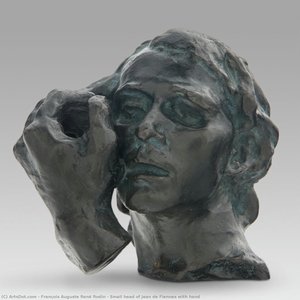
- ArtsDot.com - presenta una vasta colección de pinturas y esculturas de Rodin, incluyendo la pequeña cabeza de Jean de Fiennes con mano.
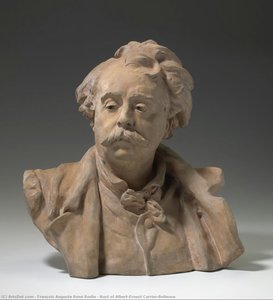
- Cantor Arts Center en la Universidad de Stanford, California - alberga varias obras de Rodin, incluyendo busto de Albert-Ernest Carrier-Belleuse.
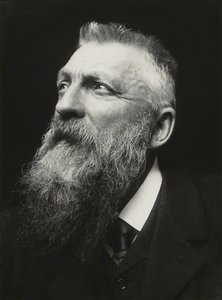
Auguste Rodin
1840 - 1917 , Francia
Datos clave
- Estilo Artístico: Escultura moderna
- Fecha De Muerte: 7 de noviembre de 1917
- Fecha De Nacimiento: 12 de noviembre de 1840
- Lugar De Nacimiento: París, Francia
- Nacionalidad: Francesa
- Nombre Completo: François Auguste René Rodin
- Obras Notables:
- El pensador
- El beso
- Los burgueses de Calais
Artículos relacionados

Las 10 Obras Maestras de Bronce que Revolucionaron la Historia del Arte | ArtsDot
Descubre las 10 esculturas de bronce más influyentes de la historia del arte. Explora obras maestras de Rodin, Degas y otros genios. Encuentra reproducciones de arte de calidad museo en ArtsDot.com.

Esculturas de Bronce Legendarias: 10 Obras Maestras que Transformaron el Arte | ArtsDot
Descubre las 10 esculturas de bronce más legendarias que revolucionaron el arte. Explora la historia de Rodin, Degas y otros maestros del bronce. Encuentra reproducciones de alta calidad e inspiración para tu hogar en ArtsDot.com.

The Enduring Legacy of Bronze: A Historical & Artistic Exploration for the Collector
Explore the rich history & enduring appeal of bronze sculpture with expert insights for collectors at ArtsDot. Learn about casting techniques, iconic artists, collecting tips & contemporary interpretations.
The Enduring Legacy of Bronze: History, Technique & Artistic Expression for the Collector
Explore the rich history & enduring appeal of bronze sculpture with expert insights for collectors at ArtsDot. Learn about casting techniques, iconic artists, and collecting tips.

The Enduring Legacy of Bronze Sculpture: A Collector's Guide to Form & Cultural Significance
Explore the rich history & enduring appeal of bronze sculpture with expert insights for collectors at ArtsDot. Learn about casting techniques, iconic artists, and collecting tips to build a discerning art collection.