 Compartir
 Compartir
 Ver detalles

 Descargar
 Ver similares
 Presentación de diapositivas
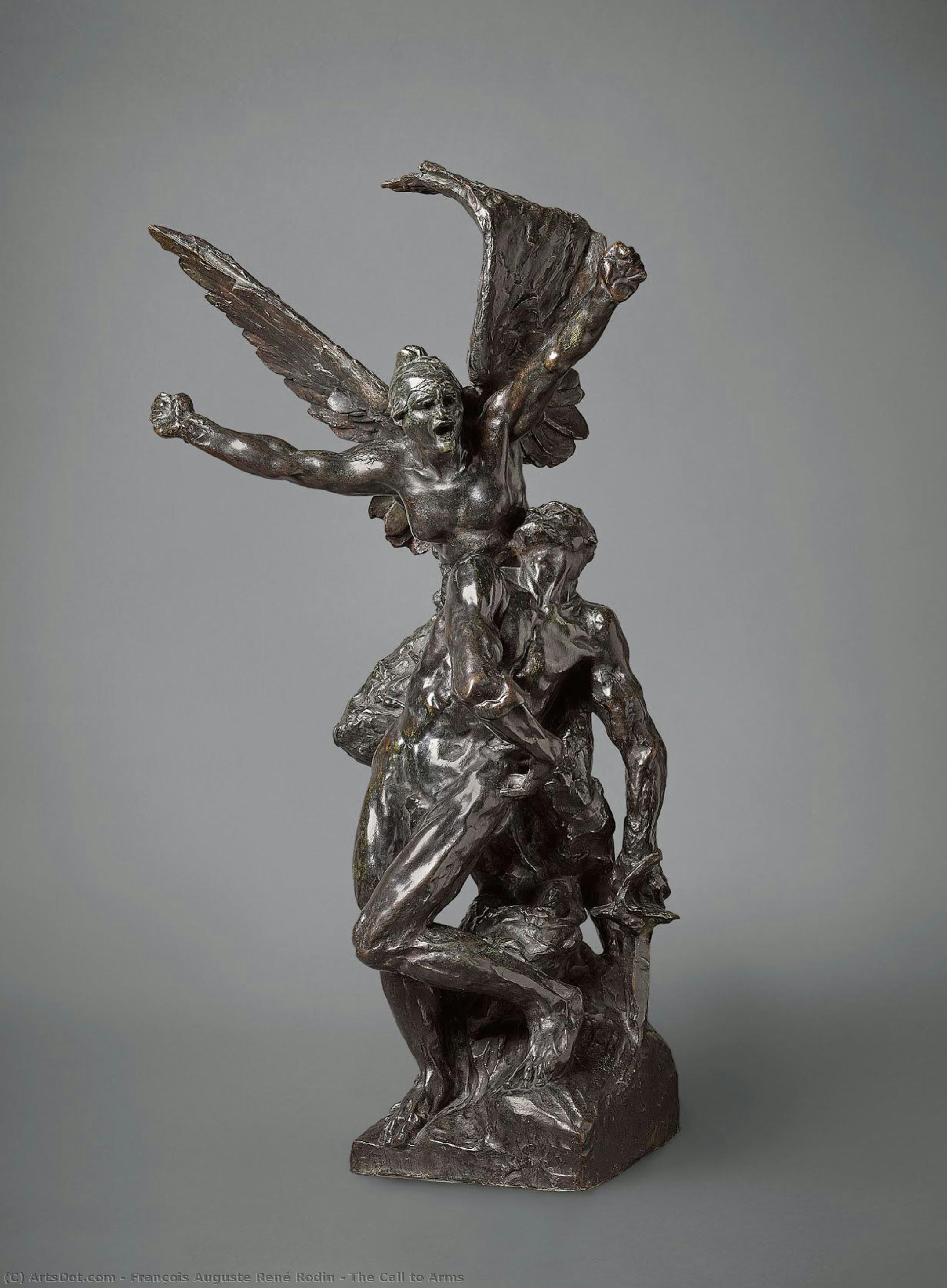
The Call to Arms
 Bronze
- Sculpture
- Baroque Sculpture
 1879
1879 113.0 x 57.0 cm
 Legion of Honor
 Leer más
Giclée / Impresión de arte
Impresiones giclée o en lienzo de calidad de museo con producción rápida y opciones de acabado flexibles. ( Encargar reproducción pintada a mano Comprar descarga)




































Elija entre nuestros tamaños predefinidos que respetan las proporciones originales de la obra.

Puede introducir sus propias dimensiones para adaptarse a un marco o espacio específico. Si el tamaño seleccionado no coincide con las proporciones de la imagen original, recortaremos la obra de arte o extenderemos la imagen con un borde con efecto espejo o de color sólido. Se enviará una maqueta digital para su aprobación antes de que comience la producción.
Tenga en cuenta que la vista previa en pantalla no refleja el recorte o la extensión real. Solo la maqueta mostrará con precisión la composición final.
Aunque existen tamaños personalizados, recomendamos seleccionar una dimensión de la lista predefinida para preservar las proporciones originales.
Envío a todo el mundo () en 2 semanas en lugar de las 4/5 semanas estándar. (21 agosto)

Envío exprés gratuito a todo el mundo

Lienzo de lino de alta calidad

Seguro de envío completo

Garantía de reembolso de aranceles aduaneros

Garantía de fidelidad cromática exacta

Política de devolución de 60 días (solo por defectos)

Garantía de devolución del 100% del dinero

Oferta por volumen
 La opción de vidrio solo está disponible en tamaños inferiores a 110 cm.

The Call to Arms
Giclée / Impresión de arte
Tamaño de la reproducción
-


Precio total
$ 62
Descripción de la pieza
The Weight of Wings: Rodin’s *The Call to Arms* – A Testament to Conflict and Hope
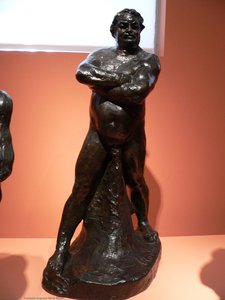
François Auguste René Rodin's *The Call to Arms*, often referred to as *La Défense*, is not merely a sculpture; it’s a visceral embodiment of the anxieties and aspirations born from wartime. Completed in 1879, this monumental bronze captures a pivotal moment – the desperate plea for recruits during the Franco-Prussian War – yet transcends its immediate historical context to resonate with universal themes of sacrifice, duty, and the enduring spirit of humanity. The sculpture’s power lies not just in its dramatic composition but also in Rodin's revolutionary approach to depicting human emotion: a raw, unvarnished portrayal that eschewed the idealized forms favored by his contemporaries.
Rodin’s genius is immediately apparent in the dynamic arrangement of figures. The central figure, a wounded soldier collapsing onto the ground, embodies profound anguish and vulnerability. His body, rendered with an astonishingly realistic musculature – a departure from the smooth, polished surfaces typical of academic sculpture – reveals the brutal toll of battle. Beside him, a winged angel, not one of serene beauty but radiating fierce determination, extends a sword towards the fallen warrior, urging him onward. This isn’t a comforting, paternalistic gesture; it's an urgent command, laced with both sorrow and unwavering resolve. The second angel, positioned on the right, mirrors this intensity, further amplifying the sculpture’s dramatic tension.
A Revolutionary Technique: Sculpting Emotion in Bronze
Rodin’s technique was radically innovative for his time. He abandoned the meticulous polishing favored by traditional sculptors and instead embraced a deliberately rough surface – a deliberate choice that allowed him to capture the texture of skin, muscle, and fabric with unprecedented detail. This “impasto” effect, achieved through repeated applications of wax and bronze, creates a sense of palpable weight and immediacy. The sculpture practically vibrates with energy; you can almost feel the heat of the forge and the desperation of the moment. Rodin’s use of negative space is equally masterful, allowing light to play across the surface and further emphasizing the figures' forms and emotions.
The bronze itself was cast using a process that allowed for subtle variations in color and texture – a testament to Rodin’s meticulous attention to detail. The darker areas, particularly around the wounded soldier’s face and limbs, are richer in metallic hues, while the lighter sections reflect light with a softer glow. This nuanced treatment adds depth and complexity to the sculpture, inviting viewers to linger and contemplate its every nuance.
Symbolism of Sacrifice and Duty
*The Call to Arms* is rich in symbolic meaning. The fallen soldier represents not just individual loss but also the immense cost of war – a sacrifice made for the defense of one’s nation. The angel, often interpreted as an allegorical figure representing France itself, embodies the unwavering spirit of patriotism and duty. However, Rodin deliberately avoids simplistic interpretations. The angel's expression is not triumphant or celebratory; it’s marked by profound sadness, acknowledging the tragic reality of war. The sword held aloft isn’t a symbol of victory but rather a reminder of the ongoing struggle.
Interestingly, *The Call to Arms* was initially rejected for the competition to design a monument commemorating the Siege of Paris in 1870-71. Rodin's raw and emotionally charged depiction clashed with the more conventional, heroic style favored by the judges. Despite this initial setback, Rodin persevered, eventually securing a commission to create a monumental version of the sculpture for Verdun in 1916 – a testament to his artistic vision and unwavering belief in his own work. The eventual placement in Verdun underscored its powerful message of resilience and sacrifice amidst the horrors of World War I.
A Timeless Masterpiece: Reproduction and Display
Reproductions of *The Call to Arms* offer a remarkable opportunity to bring this iconic sculpture into private collections and public spaces. High-quality reproductions, meticulously crafted using advanced printing techniques, faithfully capture the sculpture’s texture, color, and emotional intensity. When displayed thoughtfully – perhaps alongside historical documents or within a setting that evokes the spirit of wartime – *The Call to Arms* serves as a poignant reminder of humanity's capacity for both destruction and resilience. Its enduring power continues to resonate with viewers today, prompting reflection on the complexities of conflict, sacrifice, and the eternal struggle for peace.
Obras relacionadas
Biografía del artista
Primeros años y formación
François Auguste René Rodin, escultor francés, nació el 12 de noviembre de 1840 en París, Francia. Es ampliamente considerado como el precursor de la escultura moderna. A pesar de su educación tradicional, su enfoque artístico fue innovador y poco convencional. Su vida temprana estuvo marcada por un fuerte deseo de crear, lo que lo llevó a asistir a la Petite École, una escuela especializada en arte y matemáticas.Carrera artística
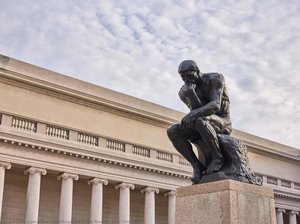
La carrera artística de Rodin se caracteriza por su habilidad única para modelar superficies complejas y turbulentas en arcilla. Muchas de sus esculturas más notables fueron inicialmente criticadas durante su vida debido a su desviación de las tradiciones figurativas tradicionales. Sin embargo, la persistencia y la dedicación de Rodin a su oficio finalmente llevaron a su reconocimiento como el escultor francés preeminente de su tiempo.- El Pensador (1880-1882), una de las esculturas más famosas de Rodin, es un ejemplo primordial de su enfoque artístico innovador.
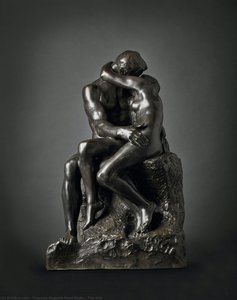
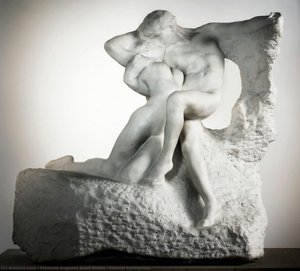
- El Beso (1886-1898), otra escultura icónica, muestra la capacidad de Rodin para capturar la esencia de la emoción humana.
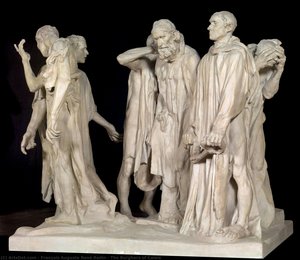
- Los Burgueses de Calais (1884-1895), una escultura poderosa y conmovedora, conmemora el sufrimiento y el sacrificio de seis ciudadanos de Calais durante la Guerra de los Cien Años.
Evolución y Influencias
Rodin experimentó con diversas técnicas y materiales a lo largo de su carrera, alejándose gradualmente de las convenciones académicas. Su trabajo estuvo influenciado por el arte antiguo, especialmente la escultura griega y romana, pero también se inspiró en el arte medieval y el Renacimiento. La influencia del impresionismo también es evidente en su enfoque en la textura y la luz. Rodin buscaba capturar no solo la forma física de sus sujetos, sino también su estado emocional interno.Legado e Importancia Histórica
La influencia de Rodin en la escultura moderna es innegable. Su enfoque poco convencional del arte ha inspirado a generaciones de artistas, consolidando su lugar en la historia del arte. Rompió con las tradiciones escultóricas anteriores al enfatizar la expresión emocional y la textura sobre la precisión anatómica. Su trabajo abrió el camino para nuevas formas de escultura que se centraban en la forma y la emoción más que en la representación realista. Rodin es recordado como un pionero que transformó la escultura y allanó el camino para los artistas modernos.Museos y Colecciones
Las obras de Rodin se pueden encontrar hoy en varios museos de todo el mundo, incluyendo:- Musée Rodin, París - dedicado a exhibir las esculturas, dibujos y otras obras de Rodin.
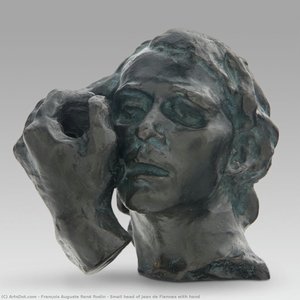
- ArtsDot.com - presenta una vasta colección de pinturas y esculturas de Rodin, incluyendo la pequeña cabeza de Jean de Fiennes con mano.
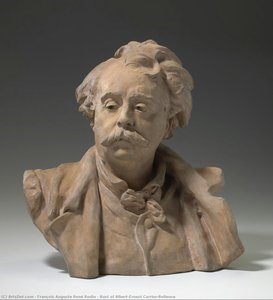
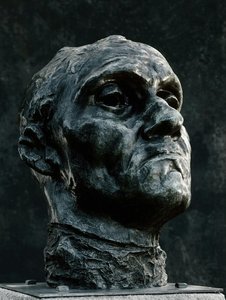
- Cantor Arts Center en la Universidad de Stanford, California - alberga varias obras de Rodin, incluyendo busto de Albert-Ernest Carrier-Belleuse.
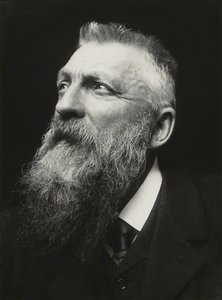
Auguste Rodin
1840 - 1917 , Francia
Datos clave
- Estilo Artístico: Escultura moderna
- Fecha De Muerte: 7 de noviembre de 1917
- Fecha De Nacimiento: 12 de noviembre de 1840
- Lugar De Nacimiento: París, Francia
- Nacionalidad: Francesa
- Nombre Completo: François Auguste René Rodin
- Obras Notables:
- El pensador
- El beso
- Los burgueses de Calais
Artículos relacionados

Las 10 Obras Maestras de Bronce que Revolucionaron la Historia del Arte | ArtsDot
Descubre las 10 esculturas de bronce más influyentes de la historia del arte. Explora obras maestras de Rodin, Degas y otros genios. Encuentra reproducciones de arte de calidad museo en ArtsDot.com.

Esculturas de Bronce Legendarias: 10 Obras Maestras que Transformaron el Arte | ArtsDot
Descubre las 10 esculturas de bronce más legendarias que revolucionaron el arte. Explora la historia de Rodin, Degas y otros maestros del bronce. Encuentra reproducciones de alta calidad e inspiración para tu hogar en ArtsDot.com.

The Enduring Legacy of Bronze: A Historical & Artistic Exploration for the Collector
Explore the rich history & enduring appeal of bronze sculpture with expert insights for collectors at ArtsDot. Learn about casting techniques, iconic artists, collecting tips & contemporary interpretations.
The Enduring Legacy of Bronze Sculpture: Technique, Symbolism & Cultural Impact
Explore the rich history & enduring appeal of bronze sculpture with expert insights for collectors. Learn about casting techniques, iconic artists, collecting tips & contemporary interpretations at ArtsDot.
The Enduring Legacy of Bronze: History, Technique & Artistic Expression for the Collector
Explore the rich history & enduring appeal of bronze sculpture with expert insights for collectors at ArtsDot. Learn about casting techniques, iconic artists, and collecting tips.