 Ver en contexto
 Enviar
 Compartir
 Detalles

 Descargar
 Similares
 Radiografía
 Presentación de diapositivas
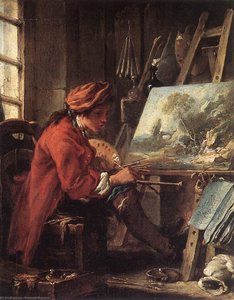
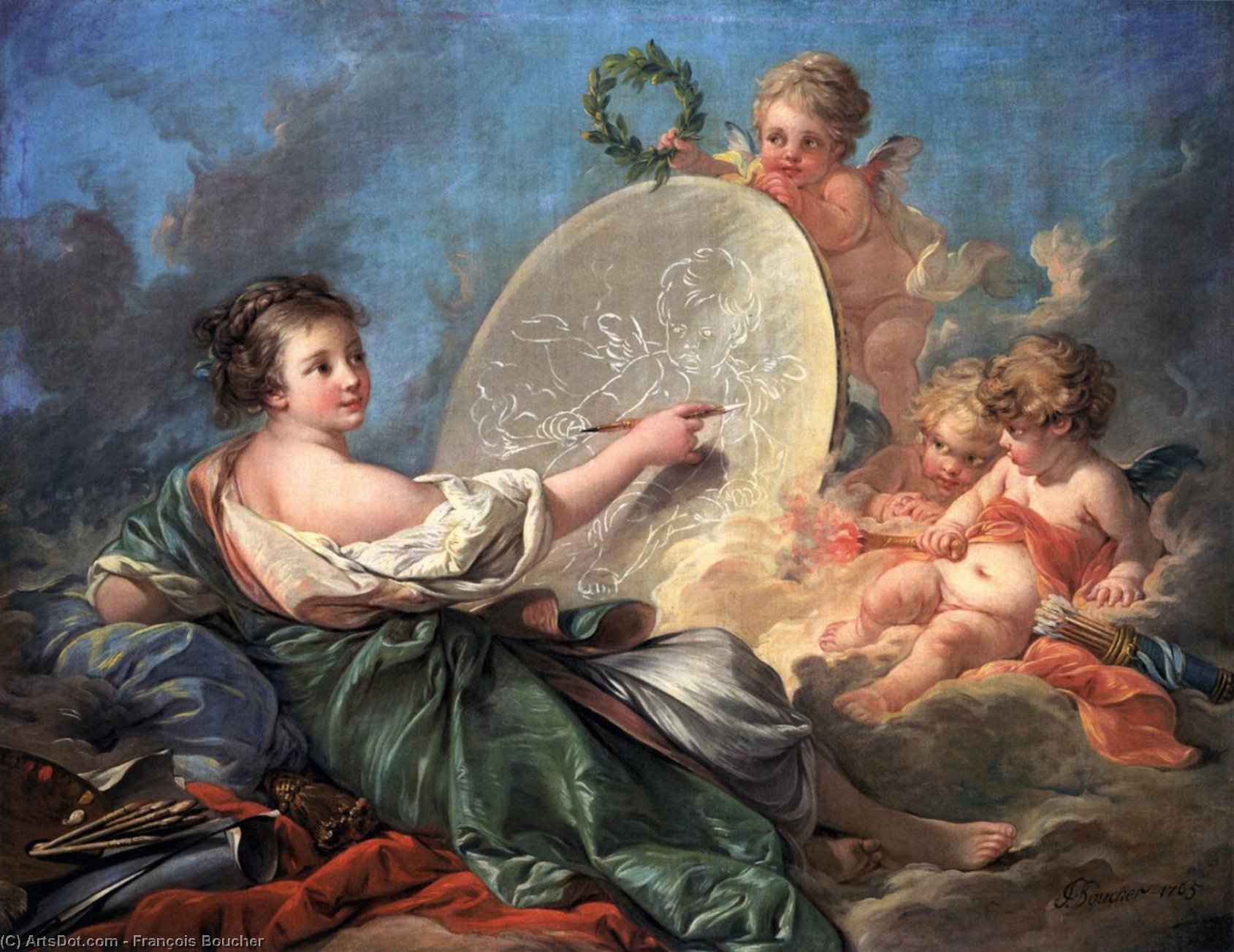
Allegory of Painting
 Acrílico sobre lienzo
- Arte de pared
- Rococo
 1765
1765 102.0 x 130.0 cm
 Galería Nacional de Arte
 Ver más
Reproducción al óleo hecha a mano
Óleo sobre lienzo pintado a mano en el tamaño y marco de su elección, realizado por encargo por nuestros artistas. ( Comprar impresión Comprar imagen)




P118B $10

P118H $10

P118W $10

P438Z $10

P508JH $12

P508YH $12

P805H $10

P805Z $10

P919BZ $10

P919G $10

P919XJ $10

P959ZH $10

P968JZ $12

W106C $8

W218G $10

W218JH $8

W218Y $10

W307PJ $10

W316G $10

W316PJ $8

W316Y $10

W398PJ $8

W4111J $10

W500HY $15

W500JH $15

W692G $12

W849H $8

W940BG $15

W953PJ $8




Elija entre nuestros tamaños predefinidos que respetan las proporciones originales de la obra.

Puede ingresar sus propias dimensiones para adaptarse a un marco o espacio específico. Si el tamaño seleccionado no coincide con las proporciones de la imagen original, recortaremos la obra o extenderemos la pintura con elementos adicionales pintados a mano. Se le enviará una maqueta digital para su aprobación antes de comenzar la producción.
Tenga en cuenta que la vista previa en pantalla no refleja el recorte o la extensión reales. Solo la maqueta mostrará con precisión la composición final.
Si bien existen tamaños personalizados, recomendamos seleccionar una dimensión de la lista predefinida para preservar las proporciones originales.
Tras realizar el pedido, el equipo de ArtsDot.com enviará un correo electrónico al cliente para solicitar instrucciones y proporcionarle una vista previa del boceto.
Envío a todo el mundo () en 3-4 semanas en lugar de las 5 semanas estándar. (24 agosto). Sin comprometer la calidad.

Envío exprés gratuito a todo el mundo

Lienzo de lino de alta calidad

Seguro de envío total

Garantía de reembolso de impuestos aduaneros

Garantía de fidelidad cromática exacta

Política de devolución de 60 días (solo por defectos)

Garantía de devolución del 100% del dinero

Descuento por cantidad
 La opción de vidrio solo está disponible en tamaños inferiores a 110 cm.

Allegory of Painting
Técnica de reproducción
Dimensiones de la reproducción
-


Precio total final
$ 263
Descripción de la obra
François Boucher’s Allegory of Painting: A Symphony of Rococo Elegance
The painting “Allegory of Painting,” executed by François Boucher in 1765, stands as a quintessential embodiment of the Rococo style—a movement that prioritized grace, ornamentation, and sensual pleasure over the grandeur of Neoclassicism. Commissioned during Louis XV’s reign, this artwork exemplifies the aristocratic tastes of the period and offers a fascinating glimpse into the artistic conventions of its time.Subject Matter and Composition
At first glance, the scene depicts a woman seated on the ground amidst a tranquil garden setting. She is accompanied by two children—a boy and a girl—creating an intimate tableau that speaks to themes of motherhood, innocence, and artistic creation. The woman holds a paintbrush aloft, symbolizing her role as painter or artist, while gazing intently at a canvas before her. Surrounding them are books, suggesting scholarly pursuits and the pursuit of knowledge alongside artistic endeavors. Boucher’s masterful composition utilizes diagonal lines to guide the viewer's eye across the canvas, fostering a sense of movement and dynamism within the serene landscape.Technique and Style: The Delicate Brushstroke
Boucher’s technique is characterized by its remarkable delicacy—a hallmark of Rococo painting. He employed thin layers of translucent paint, meticulously blended to achieve luminous effects and subtle tonal variations. Boucher skillfully utilized *sfumato*, a technique pioneered by Leonardo da Vinci, to soften contours and create atmospheric haze, enhancing the overall impression of ethereal beauty. The pastel hues—primarily blues, greens, and pinks—are applied with meticulous precision, capturing the vibrancy of the garden blossoms and conveying an atmosphere of refined tranquility.Symbolism: Layers of Meaning
Beyond its aesthetic appeal, “Allegory of Painting” is laden with symbolic significance. The woman represents artistic inspiration and creativity, while the children symbolize future generations inheriting the legacy of art. The books signify intellectual curiosity and the importance of learning—essential components of an artist’s education. Furthermore, the garden itself symbolizes paradise—a realm of beauty, harmony, and spiritual contemplation. Boucher deliberately incorporated these symbols to elevate the painting beyond mere visual representation, imbuing it with deeper philosophical undertones.Historical Context: Louis XV's Courtly Aesthetic
The artwork reflects the prevailing aesthetic sensibilities of Louis XV’s court, which favored opulent decoration and aristocratic indulgence. Rococo flourished during this era, fueled by a desire to escape the austerity of Enlightenment ideals—a reaction against reason and scientific inquiry. Boucher’s painting aligns perfectly with this cultural shift, demonstrating the enduring power of beauty and imagination as expressions of artistic excellence. It serves as a testament to the artistic achievements of the Rococo period and continues to inspire admiration for its timeless elegance.Emotional Impact: Capturing Serenity and Wonder
“Allegory of Painting” evokes a profound sense of serenity and wonder—a feeling that transcends time and cultural boundaries. The painting’s luminous colors, delicate brushstrokes, and harmonious composition create an immersive experience for the viewer, transporting them to a realm of idealized beauty. It invites contemplation on themes of creativity, innocence, and spiritual aspiration—resonating with audiences across generations who appreciate the sublime qualities of art.Obras relacionadas
Biografía del artista
François Boucher: Una Vida en el Rococó
François Boucher (1703-1770) fue una figura clave del arte francés del siglo XVIII, reconocido como uno de los pintores más celebrados de la época rococó. Su obra encarna la elegancia, sensualidad y espíritu lúdico que definieron este influyente estilo.
Primeros Años y Formación
Nacido el 29 de septiembre de 1703 en París, Francia, el viaje artístico de François Boucher comenzó bajo la tutela de su padre, Jean Boucher, también pintor. A los diecisiete años, llamó la atención de François Lemoyne, lo que llevó a un breve pero impactante aprendizaje. Perfeccionó aún más sus habilidades con el grabador Jean-François Cars antes de lograr un hito significativo: ganar el prestigioso Grand Prix de Rome en 1720.
Ascenso a la Prominencia y Desarrollo Artístico
El tiempo de Boucher en Italia, tras su victoria en el Grand Prix, demostró ser formativo. Al regresar a Francia, fue admitido en la Académie Royale de Peinture et de Sculpture en 1731. Su *morceau de réception*, “Rinaldo y Armida” (1734), estableció inmediatamente su dominio del estilo rococó. Este período vio emerger plenamente su voz artística, caracterizada por pinceladas delicadas, paletas pastel y un énfasis en temas mitológicos y pastorales.
Obras Clave y Temas
La obra de Boucher es notablemente diversa, abarcando mitología, retratos, escenas de género y artes decorativas. Algunas de sus obras más celebradas incluyen:
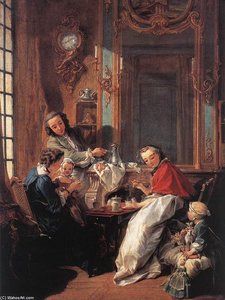
- “El Desayuno” (1739): Una encantadora representación de la vida doméstica con su esposa e hijos.
- “El Triunfo de Venus” (1740-1751): Una serie de pinturas que muestran la maestría de Boucher en las narrativas mitológicas.
- Numerosos retratos de Madame de Pompadour, la influyente amante del rey Luis XV, consolidando su posición en la corte.
- Pinturas de paisajes como “El Atardecer”, que demuestran una visión lírica e idílica de la naturaleza.
Los temas recurrentes en la obra de Boucher incluyen el amor, la belleza, el ocio y el mundo idealizado de la mitología. Sus pinturas a menudo evocan un sentido de erotismo lúdico y elegancia refinada.
Influencia y Legado
La influencia de Boucher se extendió más allá de la pintura. Diseñó trajes y escenografías para el teatro, creó tapices para los talleres de Beauvais y colaboró con la Gobelins Manufactory. Su nombramiento como *Premier Peintre du Roi* en 1765 consolidó su estatus como el artista líder del rococó francés.
Si bien más tarde los críticos cuestionaron la superficialidad percibida del arte rococó, el impacto de Boucher en las generaciones posteriores es innegable. Influyó a artistas como Jean-Honoré Fragonard y contribuyó significativamente al desarrollo del Neoclasicismo a través de sus estudiantes.
Significado Histórico
La obra de François Boucher proporciona una valiosa ventana a los gustos y valores de la sociedad francesa del siglo XVIII. Sus pinturas reflejan la cultura aristocrática de la época, caracterizada por el lujo, el refinamiento y la búsqueda del placer. Sigue siendo una figura significativa en la historia del arte, celebrado por su habilidad técnica, innovación artística y contribución perdurable al estilo rococó.
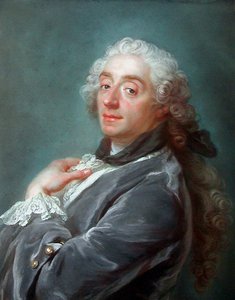
François Boucher
1703 - 1770 , Francia
Datos clave
- Artistas Que Influyeron:
- François Lemoyne
- Jean-François Cars
- Rubens
- Watteau
- Estilo Artístico: Rococó
- Fecha De Muerte: 30 de mayo de 1770
- Fecha De Nacimiento: 29 de septiembre de 1703
- Influenciado A Artistas: ['Jean-Honoré Fragonard']
- Lugar De Nacimiento: París, Francia
- Nacionalidad: Francés
- Nombre Completo: François Boucher
- Obras Notables:
- El Desayuno (1739)
- El Triunfo de Venus
- Retratos de Pompadour
- La puesta del sol
Artículos relacionados

Las 10 Obras Maestras del Azul Pizarra: Arte, Historia y Decoración
Descubre las 10 pinturas más famosas dominadas por el azul pizarra. Explora la historia, técnica y belleza de Monet, Van Gogh y otros maestros. Encuentra reproducciones de arte exclusivas para decorar tu hogar en .
François Boucher: Rococo Master of Myth, Sensuality, and the French Court
Explore the captivating world of François Boucher, master of Rococo painting! Discover his iconic works, aristocratic patronage, and lasting influence on French art history. Learn more at ArtsDot.

La Estética Rococó: Opulencia, Rebelión y Placer en el Arte del Siglo XVIII
Descubre la fascinante estética rococó: su historia, características clave y los artistas más influyentes del siglo XVIII. Un análisis profundo para amantes del arte y coleccionistas.

Rococó: 10 Obras Maestras que Definieron una Época | Arte y Decoración en
Descubre las 10 obras maestras del Rococó que marcaron una época. Explora la elegancia de Fragonard, Boucher y Watteau en . Reproducciones de arte de calidad museo para decorar tu hogar con estilo.
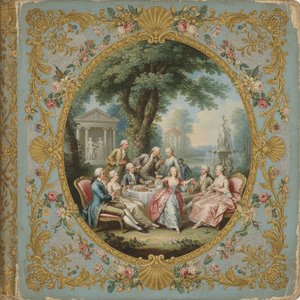
The Rococo Style: Aristocratic Leisure & the Pursuit of Delight in 18th-Century Art
Explore the opulent world of Rococo art! Discover Watteau, Boucher & Nattier's masterpieces. Expert insights for collectors seeking museum-quality reproductions and custom portraits at ArtsDot.