 Ver en contexto
 Enviar
 Compartir
 Detalles

 Descargar
 Similares
 Radiografía
 Presentación de diapositivas
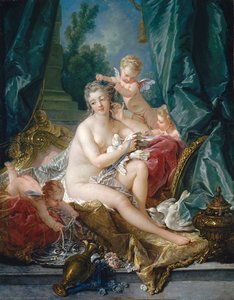
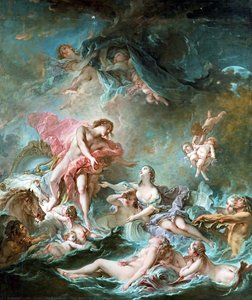
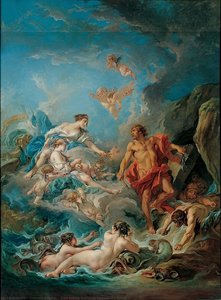
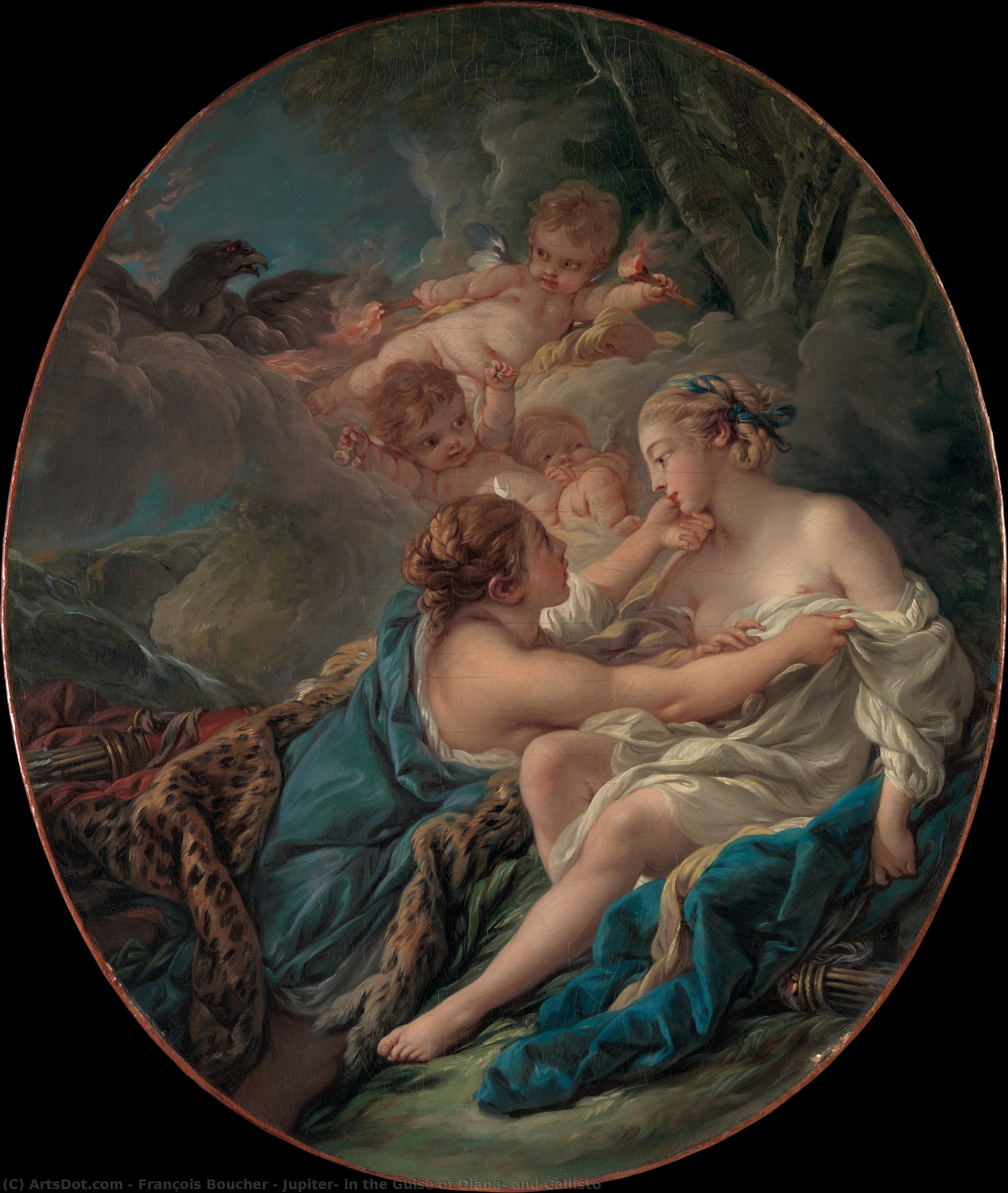
Jupiter, in the Guise of Diana, and Callisto
 Rococo
 1763
1763 65.0 x 55.0 cm
 Museo Metropolitano de Arte
 Ver más
Giclée / Impresión de arte
Impresiones giclée o en lienzo de calidad de museo con producción rápida y opciones de acabado flexibles. ( Comprar pintura hecha a mano Comprar imagen)




P118B $10

P118H $10

P118W $10

P438Z $10

P508JH $12

P508YH $12

P805H $10

P805Z $10

P919BZ $10

P919G $10

P919XJ $10

P959ZH $10

P968JZ $12

W106C $8

W218G $10

W218JH $8

W218Y $10

W307PJ $10

W316G $10

W316PJ $8

W316Y $10

W398PJ $8

W4111J $10

W500HY $15

W500JH $15

W692G $12

W849H $8

W940BG $15

W953PJ $8




Elija entre nuestros tamaños predefinidos que respetan las proporciones originales de la obra.

Puede introducir sus propias dimensiones para adaptarse a un marco o espacio específico. Si el tamaño seleccionado no coincide con las proporciones de la imagen original, recortaremos la obra de arte o extenderemos la imagen con un borde con efecto espejo o de color sólido. Se enviará una maqueta digital para su aprobación antes de que comience la producción.
Tenga en cuenta que la vista previa en pantalla no refleja el recorte o la extensión real. Solo la maqueta mostrará con precisión la composición final.
Aunque existen tamaños personalizados, recomendamos seleccionar una dimensión de la lista predefinida para preservar las proporciones originales.
Envío a todo el mundo () en 2 semanas en lugar de las 4/5 semanas estándar. (30 agosto)

Envío exprés gratuito a todo el mundo

Lienzo de lino de alta calidad

Seguro de envío total

Garantía de reembolso de impuestos aduaneros

Garantía de fidelidad cromática exacta

Política de devolución de 60 días (solo por defectos)

Garantía de devolución del 100% del dinero

Descuento por cantidad
 La opción de vidrio solo está disponible en tamaños inferiores a 110 cm.

Jupiter, in the Guise of Diana, and Callisto
Giclée / Impresión de arte
Dimensiones de la reproducción
-


Precio total final
$ 62
A Vision of Divine Desire: François Boucher’s “Jupiter, in the Guise of Diana, and Callisto”
François Boucher's "Jupiter, in the Guise of Diana, and Callisto," painted in 1763, is more than just a beautiful depiction; it’s a shimmering embodiment of the Rococo era’s fascination with mythology, sensuality, and the delicate dance between illusion and reality. Created during a period of opulent excess and refined taste within the French court, this oval painting transcends mere illustration, becoming a carefully constructed tableau designed to evoke both pleasure and contemplation. The scene unfolds on a verdant hillside, bathed in a soft, diffused light that seems to emanate from an unseen source – a hallmark of Boucher’s signature style, prioritizing atmosphere and mood over stark realism.
At the heart of the composition lies Jupiter, transformed into Diana, the goddess of the hunt. His eagle form subtly suggests his divine nature, while his gesture—a graceful sweep of his hand towards Callisto—hints at a carefully orchestrated seduction. Callisto, depicted as a young maiden, is caught in a moment of startled beauty, her expression a mixture of surprise and vulnerability. The inclusion of the nymph Angélique, positioned slightly to the left, adds another layer of intrigue, suggesting a secondary narrative within the larger mythological framework. The figures are not presented as engaged in a dramatic struggle, but rather as participants in a delicately staged encounter, emphasizing the painting’s inherent theatricality.
The Language of Rococo: Technique and Composition
Boucher's mastery lies not only in his subject matter but also in his technical execution. The painting is executed with exquisite detail, employing a technique known as *sfumato* – a subtle blurring of lines and edges that creates an ethereal quality. The drapery, particularly the voluminous folds of Diana’s gown and Callisto's flowing garments, appears to ripple and move with an almost palpable grace. This masterful use of texture is further enhanced by Boucher’s skillful handling of color; he employs a palette dominated by soft pinks, blues, and greens, creating a harmonious and visually soothing effect. The composition itself is carefully balanced, utilizing the oval format to create a sense of depth and movement. The figures are strategically placed within the landscape, drawing the viewer's eye through the scene with an effortless flow.
Notably, Boucher deliberately destabilizes spatial perspective. Bodies bisecting the oval format, clouds swirling in the background, and the elaborate rush of draperies contribute to a sense of visual ambiguity—a characteristic feature of Rococo art that challenges traditional notions of realism. This instability is not merely decorative; it reflects the era’s fascination with illusion and the blurring of boundaries between reality and fantasy.
Mythological Echoes: Ovid and the *Metamorphoses*
“Jupiter, in the Guise of Diana, and Callisto” draws heavily from Ovid's *Metamorphoses*, a collection of mythological tales that served as a primary source of inspiration for artists during the 18th century. The story depicted here is one of transformation and desire—Jupiter’s disguise as Diana to seduce Callisto, ultimately leading to her becoming a bear. This narrative explores themes of power, deception, and the capricious nature of the gods. Boucher skillfully translates this complex myth into a visually arresting scene, prioritizing the emotional impact over strict adherence to Ovid's original text. The painting’s beauty lies in its ability to evoke the spirit of the *Metamorphoses* while simultaneously existing as a self-contained work of art.
A Legacy of Sensuality and Grace
“Jupiter, in the Guise of Diana, and Callisto” remains a quintessential example of Boucher’s artistic genius. It exemplifies the Rococo style's emphasis on beauty, elegance, and sensual pleasure—qualities that resonated deeply with the French court and continue to captivate viewers today. Reproductions of this painting offer a glimpse into a world of refined taste and mythological intrigue, inviting us to contemplate the timeless themes of love, desire, and transformation. Its delicate balance of form and color, combined with its evocative narrative, solidifies Boucher’s place as one of the most celebrated artists of his era.
Obras relacionadas
Biografía del artista
François Boucher: Una Vida en el Rococó
François Boucher (1703-1770) fue una figura clave del arte francés del siglo XVIII, reconocido como uno de los pintores más celebrados de la época rococó. Su obra encarna la elegancia, sensualidad y espíritu lúdico que definieron este influyente estilo.
Primeros Años y Formación
Nacido el 29 de septiembre de 1703 en París, Francia, el viaje artístico de François Boucher comenzó bajo la tutela de su padre, Jean Boucher, también pintor. A los diecisiete años, llamó la atención de François Lemoyne, lo que llevó a un breve pero impactante aprendizaje. Perfeccionó aún más sus habilidades con el grabador Jean-François Cars antes de lograr un hito significativo: ganar el prestigioso Grand Prix de Rome en 1720.
Ascenso a la Prominencia y Desarrollo Artístico
El tiempo de Boucher en Italia, tras su victoria en el Grand Prix, demostró ser formativo. Al regresar a Francia, fue admitido en la Académie Royale de Peinture et de Sculpture en 1731. Su *morceau de réception*, “Rinaldo y Armida” (1734), estableció inmediatamente su dominio del estilo rococó. Este período vio emerger plenamente su voz artística, caracterizada por pinceladas delicadas, paletas pastel y un énfasis en temas mitológicos y pastorales.
Obras Clave y Temas
La obra de Boucher es notablemente diversa, abarcando mitología, retratos, escenas de género y artes decorativas. Algunas de sus obras más celebradas incluyen:
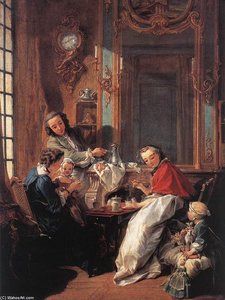
- “El Desayuno” (1739): Una encantadora representación de la vida doméstica con su esposa e hijos.
- “El Triunfo de Venus” (1740-1751): Una serie de pinturas que muestran la maestría de Boucher en las narrativas mitológicas.
- Numerosos retratos de Madame de Pompadour, la influyente amante del rey Luis XV, consolidando su posición en la corte.
- Pinturas de paisajes como “El Atardecer”, que demuestran una visión lírica e idílica de la naturaleza.
Los temas recurrentes en la obra de Boucher incluyen el amor, la belleza, el ocio y el mundo idealizado de la mitología. Sus pinturas a menudo evocan un sentido de erotismo lúdico y elegancia refinada.
Influencia y Legado
La influencia de Boucher se extendió más allá de la pintura. Diseñó trajes y escenografías para el teatro, creó tapices para los talleres de Beauvais y colaboró con la Gobelins Manufactory. Su nombramiento como *Premier Peintre du Roi* en 1765 consolidó su estatus como el artista líder del rococó francés.
Si bien más tarde los críticos cuestionaron la superficialidad percibida del arte rococó, el impacto de Boucher en las generaciones posteriores es innegable. Influyó a artistas como Jean-Honoré Fragonard y contribuyó significativamente al desarrollo del Neoclasicismo a través de sus estudiantes.
Significado Histórico
La obra de François Boucher proporciona una valiosa ventana a los gustos y valores de la sociedad francesa del siglo XVIII. Sus pinturas reflejan la cultura aristocrática de la época, caracterizada por el lujo, el refinamiento y la búsqueda del placer. Sigue siendo una figura significativa en la historia del arte, celebrado por su habilidad técnica, innovación artística y contribución perdurable al estilo rococó.

François Boucher
1703 - 1770 , Francia
Datos clave
- Artistas Que Influyeron:
- François Lemoyne
- Jean-François Cars
- Rubens
- Watteau
- Estilo Artístico: Rococó
- Fecha De Muerte: 30 de mayo de 1770
- Fecha De Nacimiento: 29 de septiembre de 1703
- Influenciado A Artistas: ['Jean-Honoré Fragonard']
- Lugar De Nacimiento: París, Francia
- Nacionalidad: Francés
- Nombre Completo: François Boucher
- Obras Notables:
- El Desayuno (1739)
- El Triunfo de Venus
- Retratos de Pompadour
- La puesta del sol
Artículos relacionados
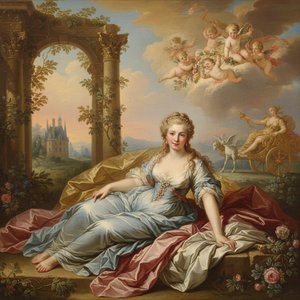
François Boucher: Rococo Master of Myth, Sensuality, and the French Court
Explore the captivating world of François Boucher, master of Rococo painting! Discover his iconic works, aristocratic patronage, and lasting influence on French art history. Learn more at ArtsDot.

La Estética Rococó: Opulencia, Rebelión y Placer en el Arte del Siglo XVIII
Descubre la fascinante estética rococó: su historia, características clave y los artistas más influyentes del siglo XVIII. Un análisis profundo para amantes del arte y coleccionistas.

Rococó: 10 Obras Maestras que Definieron una Época | Arte y Decoración en
Descubre las 10 obras maestras del Rococó que marcaron una época. Explora la elegancia de Fragonard, Boucher y Watteau en . Reproducciones de arte de calidad museo para decorar tu hogar con estilo.
The Allure of Elegance in Art: A Historical & Aesthetic Exploration of Refinement & Grace
Explore the exquisite world of Rococo art! Discover its history, masters (Watteau, Boucher & more), and defining elegance. Expert insights for collectors seeking museum-quality reproductions & custom portraits.
The Rococo Style: Aristocratic Leisure & the Pursuit of Delight in 18th-Century Art
Explore the opulent world of Rococo art! Discover Watteau, Boucher & Nattier's masterpieces. Expert insights for collectors seeking museum-quality reproductions and custom portraits at ArtsDot.