

 Ver en contexto
 Enviar
 Compartir
 Detalles

 Descargar
 Similares
 Radiografía
 Presentación de diapositivas
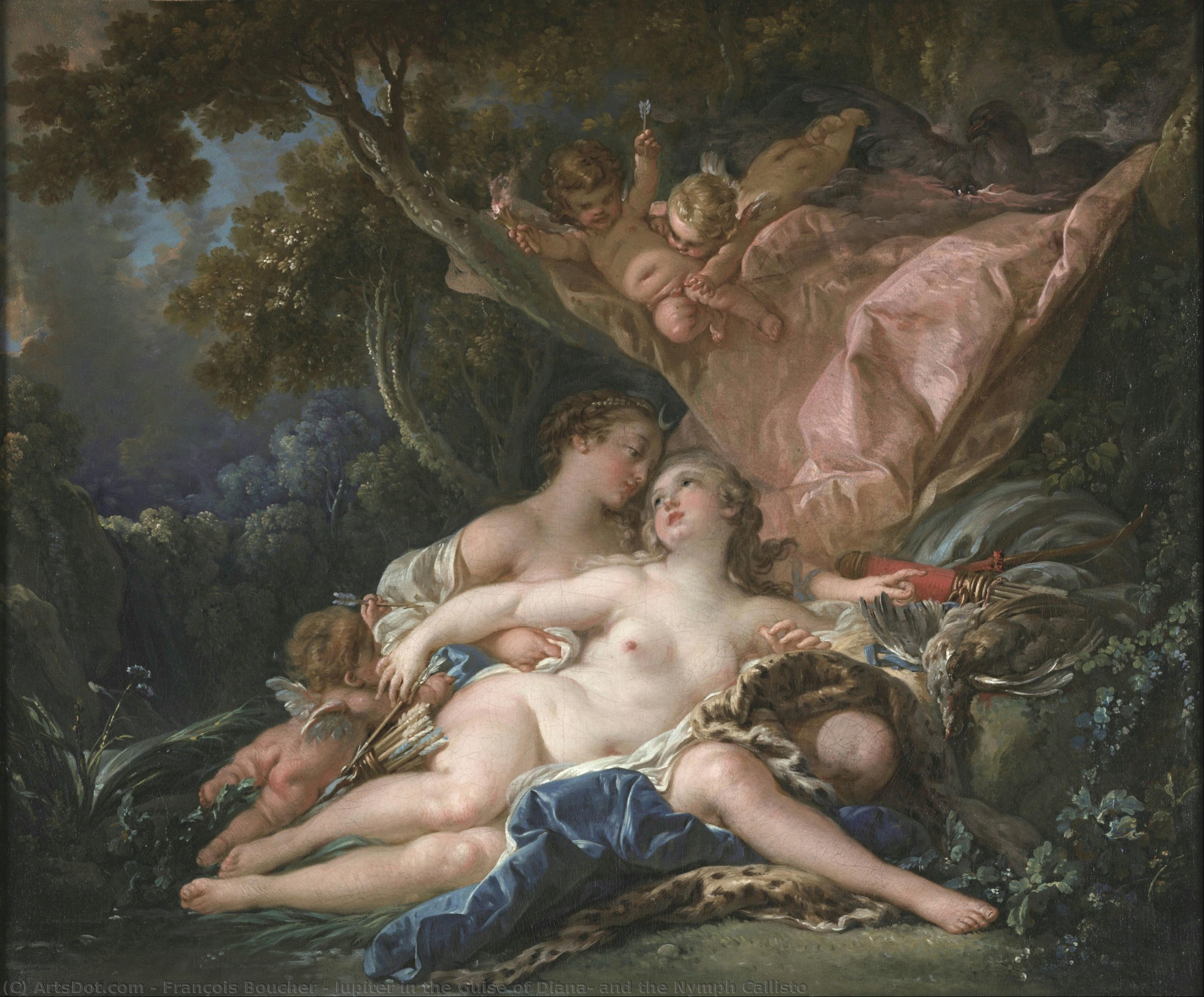
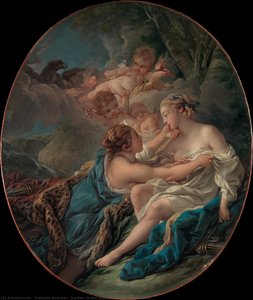
Jupiter in the Guise of Diana, and the Nymph Callisto
 Rococo
 1759
1759 57.0 x 69.0 cm
 Museo de Arte Nelson-Atkins
 Ver más
Adquiera una imagen digital de alta resolución y optimizada, muy superior a la vista previa en línea.
Cada archivo es preparado meticulosamente por nuestros especialistas internos mediante el uso de herramientas avanzadas y un experto retoque manual. Nos aseguramos de que cada imagen posea una claridad excepcional, una precisión cromática impecable y un detalle minucioso.
El archivo final se entrega por correo electrónico en un plazo de 72 horas, optimizado para su uso inmediato en entornos profesionales, editoriales y de impresión. Esta es la misma calidad en la que confían los estudios de diseño, las editoriales y las galerías de primer nivel.
Imagen Digital
Descarga un archivo de alta resolución para exhibición personal, impresión y proyectos creativos. ( Comprar impresión Comprar pintura hecha a mano)
Incluido en cada pedido de imágenes digitales
Entrega digital experta, garantizada.
Al elegir ArtsDot.com, no solo está adquiriendo una imagen; está recibiendo una obra de arte digital mejorada profesionalmente, elaborada con precisión y respaldada por una garantía de satisfacción. Esto es todo lo que incluye su pedido, automáticamente:

Entrega rápida por email
Recibirá su archivo de imagen digital en alta resolución por correo electrónico en un plazo de 72 horas tras realizar su pedido, listo para su uso inmediato.

Archivo digital optimizado por IA
Su obra de arte se optimiza profesionalmente mediante herramientas avanzadas de IA y edición manual, garantizando el máximo detalle, claridad y precisión cromática.

Reenvío gratuito de por vida
¿Has borrado o perdido tu archivo por error? No te preocupes: te lo volveremos a enviar en cualquier momento, sin coste adicional.

Sin gastos de importación, siempre
Disfrute de su obra de arte al instante sin aduanas, aranceles ni gastos de envío; las descargas digitales siempre están libres de impuestos.

Garantía de fidelidad de color
Garantizamos que su imagen digital refleje los colores originales con la mayor fidelidad posible, mediante el uso de herramientas profesionales y gestión del color.

Garantía de satisfacción de 60 días
Si no está satisfecho con su imagen digital, la revisaremos o le reembolsaremos el 100% en un plazo de 60 días, sin preguntas.

100% Garantía de devolución de dinero
¿No está satisfecho? Obtenga un reembolso completo dentro de los 60 días posteriores a la recepción de su archivo digital, sin necesidad de explicaciones.

Descuentos por pedidos grandes
Compra 3 imágenes, ahorra 10% - Compra 5, ahorra 15% - Compra 10+, ahorra 20%. Ideal para proyectos creativos, galerías y agencias.
A Dance of Gods and Nymphs: François Boucher’s “Jupiter in the Guise of Diana, and the Nymph Callisto”
François Boucher's "Jupiter in the Guise of Diana, and the Nymph Callisto," painted in 1759, is more than just a beautiful depiction of mythological figures; it’s a shimmering embodiment of Rococo elegance, a testament to Boucher’s mastery of light, color, and sensual form. This captivating work, now residing within the Nelson-Atkins Museum of Art in Kansas City, transports us to a world where divine desire unfolds amidst clouds of luxurious drapery and the tranquil beauty of Arcadia. It's a scene brimming with symbolism, inviting contemplation on themes of love, deception, and the eternal allure of the gods.
The painting immediately draws the eye into a softly lit, almost dreamlike space. Boucher expertly employs a technique known as *sfumato*, blurring lines and creating an atmospheric haze that softens the forms and contributes to the overall sense of opulence. The palette is rich and vibrant – deep reds, blues, and golds dominate, contrasted by delicate creams and pale pinks. Notice how light seems to emanate from within the figures themselves, highlighting their graceful curves and emphasizing the textures of their garments. Boucher’s brushwork is remarkably fluid, almost dissolving into the background, creating a sense of movement and dynamism despite the static pose of the subjects.
The Mythic Narrative Unveiled
At the heart of the composition lies the central drama: Jupiter, disguised as Diana (the goddess of the hunt), seducing Callisto, a nymph who has strayed from her duties. The story originates in Ovid’s *Metamorphoses*, where Zeus, captivated by Callisto's beauty, transforms himself into Diana to entice her. Boucher captures this pivotal moment with exquisite detail and subtle suggestion. We see Jupiter, rendered as an eagle – a potent symbol of his power and swiftness – reaching out towards Callisto, who is depicted reclining gracefully on a bed of flowers, her expression a mixture of surprise and yielding acceptance. The inclusion of the young Medor and Angélique, two cherubic figures, adds another layer to the narrative, hinting at the playful nature of divine love and the consequences of its pursuit.
The painting’s historical context is crucial to understanding its significance. Boucher was working during the height of the Rococo period, a style characterized by its emphasis on pleasure, beauty, and aristocratic taste. Royal patronage played a significant role in shaping this artistic movement, and Boucher benefited greatly from the support of Louis XV. This commission reflects the court’s fascination with classical mythology, which provided a rich source of inspiration for artists seeking to depict themes of love, desire, and heroism.
Symbolism and Emotional Resonance
Beyond the literal depiction of the myth, “Jupiter in the Guise of Diana” is laden with symbolic meaning. The crescent moon adorning Diana’s forehead serves as a visual reminder of her connection to Jupiter, highlighting the deception at play. The lush floral arrangement beneath Callisto symbolizes fertility and rebirth – a subtle nod to the nymph's impending motherhood. The overall mood of the painting is one of sensual delight tempered by a hint of melancholy. Despite the beauty and grace of the scene, there’s an underlying sense of vulnerability and loss associated with Callisto’s fate.
Boucher masterfully evokes a feeling of timelessness within this intimate tableau. The figures seem suspended in a perpetual moment of enchantment, inviting viewers to lose themselves in the beauty and drama of the myth. The painting's enduring appeal lies not only in its technical brilliance but also in its ability to tap into universal themes of love, desire, and the complexities of human relationships – all rendered with Boucher’s signature elegance and a profound understanding of the power of visual storytelling.
A Reproduction for Your Space
Reproductions of “Jupiter in the Guise of Diana, and the Nymph Callisto” offer a remarkable opportunity to bring this masterpiece into your home or office. The intricate details and vibrant colors are faithfully captured in high-quality prints, allowing you to appreciate Boucher’s artistry from afar. Whether displayed as a focal point in a salon or incorporated into a more subtle interior design scheme, this painting's evocative beauty will undoubtedly add a touch of sophistication and timeless charm to any space.
Obras relacionadas
Biografía del artista
François Boucher: Una Vida en el Rococó
François Boucher (1703-1770) fue una figura clave del arte francés del siglo XVIII, reconocido como uno de los pintores más celebrados de la época rococó. Su obra encarna la elegancia, sensualidad y espíritu lúdico que definieron este influyente estilo.
Primeros Años y Formación
Nacido el 29 de septiembre de 1703 en París, Francia, el viaje artístico de François Boucher comenzó bajo la tutela de su padre, Jean Boucher, también pintor. A los diecisiete años, llamó la atención de François Lemoyne, lo que llevó a un breve pero impactante aprendizaje. Perfeccionó aún más sus habilidades con el grabador Jean-François Cars antes de lograr un hito significativo: ganar el prestigioso Grand Prix de Rome en 1720.
Ascenso a la Prominencia y Desarrollo Artístico
El tiempo de Boucher en Italia, tras su victoria en el Grand Prix, demostró ser formativo. Al regresar a Francia, fue admitido en la Académie Royale de Peinture et de Sculpture en 1731. Su *morceau de réception*, “Rinaldo y Armida” (1734), estableció inmediatamente su dominio del estilo rococó. Este período vio emerger plenamente su voz artística, caracterizada por pinceladas delicadas, paletas pastel y un énfasis en temas mitológicos y pastorales.
Obras Clave y Temas
La obra de Boucher es notablemente diversa, abarcando mitología, retratos, escenas de género y artes decorativas. Algunas de sus obras más celebradas incluyen:
- “El Desayuno” (1739): Una encantadora representación de la vida doméstica con su esposa e hijos.
- “El Triunfo de Venus” (1740-1751): Una serie de pinturas que muestran la maestría de Boucher en las narrativas mitológicas.
- Numerosos retratos de Madame de Pompadour, la influyente amante del rey Luis XV, consolidando su posición en la corte.
- Pinturas de paisajes como “El Atardecer”, que demuestran una visión lírica e idílica de la naturaleza.
Los temas recurrentes en la obra de Boucher incluyen el amor, la belleza, el ocio y el mundo idealizado de la mitología. Sus pinturas a menudo evocan un sentido de erotismo lúdico y elegancia refinada.
Influencia y Legado
La influencia de Boucher se extendió más allá de la pintura. Diseñó trajes y escenografías para el teatro, creó tapices para los talleres de Beauvais y colaboró con la Gobelins Manufactory. Su nombramiento como *Premier Peintre du Roi* en 1765 consolidó su estatus como el artista líder del rococó francés.
Si bien más tarde los críticos cuestionaron la superficialidad percibida del arte rococó, el impacto de Boucher en las generaciones posteriores es innegable. Influyó a artistas como Jean-Honoré Fragonard y contribuyó significativamente al desarrollo del Neoclasicismo a través de sus estudiantes.
Significado Histórico
La obra de François Boucher proporciona una valiosa ventana a los gustos y valores de la sociedad francesa del siglo XVIII. Sus pinturas reflejan la cultura aristocrática de la época, caracterizada por el lujo, el refinamiento y la búsqueda del placer. Sigue siendo una figura significativa en la historia del arte, celebrado por su habilidad técnica, innovación artística y contribución perdurable al estilo rococó.

François Boucher
1703 - 1770 , Francia
Breves datos
- Artistas Que Influyeron:
- François Lemoyne
- Jean-François Cars
- Rubens
- Watteau
- Estilo Artístico: Rococó
- Fecha De Muerte: 30 de mayo de 1770
- Fecha De Nacimiento: 29 de septiembre de 1703
- Influenciado A Artistas: ['Jean-Honoré Fragonard']
- Lugar De Nacimiento: París, Francia
- Nacionalidad: Francés
- Nombre Completo: François Boucher
- Obras Notables:
- El Desayuno (1739)
- El Triunfo de Venus
- Retratos de Pompadour
- La puesta del sol

