 Ver en contexto
 Enviar
 Compartir
 Detalles

 Descargar
 Similares
 Radiografía
 Presentación de diapositivas
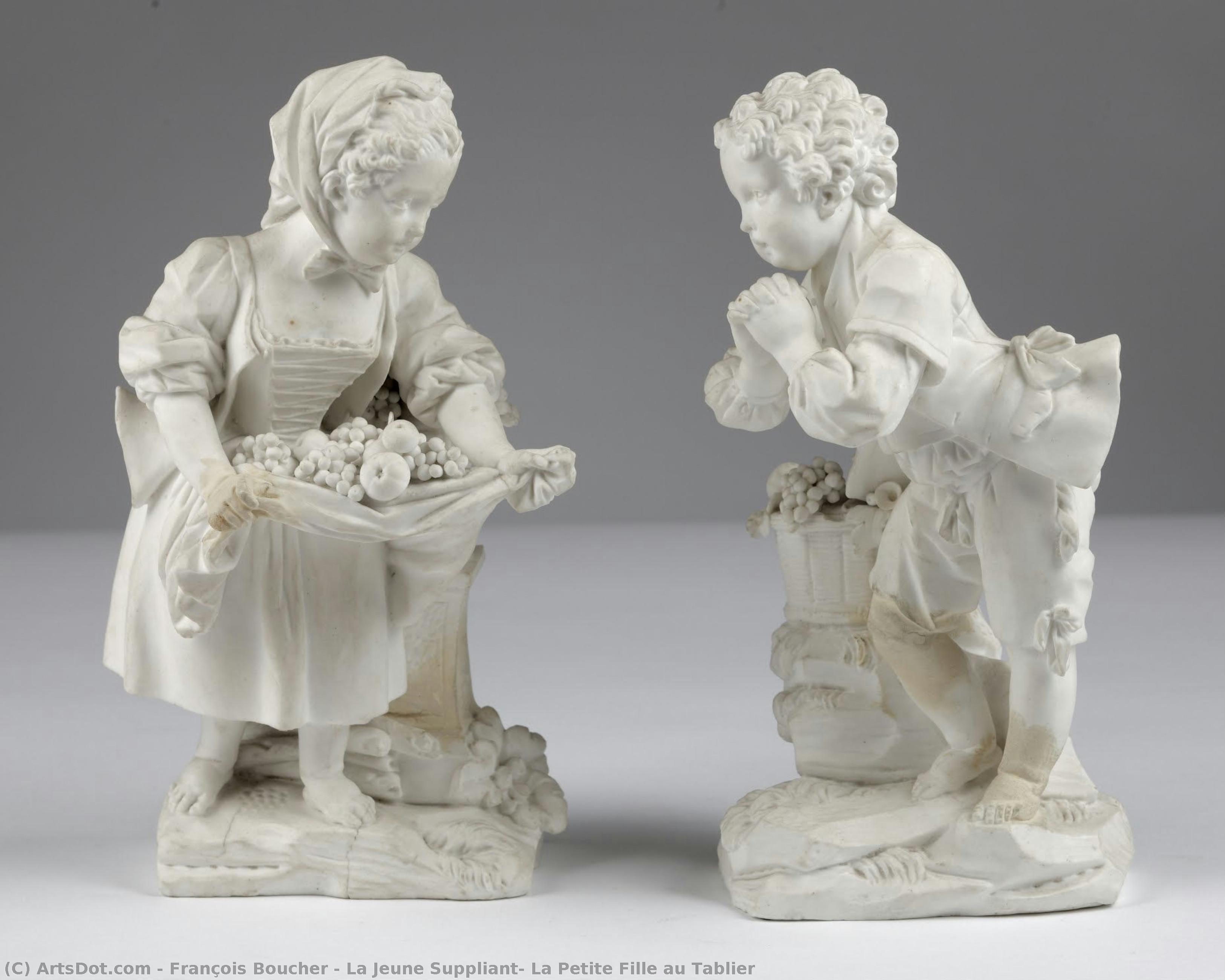
La Jeune Suppliant; La Petite Fille au Tablier


 Ver más
Reproducción al óleo hecha a mano
Óleo sobre lienzo pintado a mano en el tamaño y marco de su elección, realizado por encargo por nuestros artistas. ( Comprar impresión Comprar imagen)




P118B $10

P118H $10

P118W $10

P438Z $10

P508JH $12

P508YH $12

P805H $10

P805Z $10

P919BZ $10

P919G $10

P919XJ $10

P959ZH $10

P968JZ $12

W106C $8

W218G $10

W218JH $8

W218Y $10

W307PJ $10

W316G $10

W316PJ $8

W316Y $10

W398PJ $8

W4111J $10

W500HY $15

W500JH $15

W692G $12

W849H $8

W940BG $15

W953PJ $8




Elija entre nuestros tamaños predefinidos que respetan las proporciones originales de la obra.

Puede ingresar sus propias dimensiones para adaptarse a un marco o espacio específico. Si el tamaño seleccionado no coincide con las proporciones de la imagen original, recortaremos la obra o extenderemos la pintura con elementos adicionales pintados a mano. Se le enviará una maqueta digital para su aprobación antes de comenzar la producción.
Tenga en cuenta que la vista previa en pantalla no refleja el recorte o la extensión reales. Solo la maqueta mostrará con precisión la composición final.
Si bien existen tamaños personalizados, recomendamos seleccionar una dimensión de la lista predefinida para preservar las proporciones originales.
Tras realizar el pedido, el equipo de ArtsDot.com enviará un correo electrónico al cliente para solicitar instrucciones y proporcionarle una vista previa del boceto.
Envío a todo el mundo () en 3-4 semanas en lugar de las 5 semanas estándar. (29 agosto). Sin comprometer la calidad.

Envío exprés gratuito a todo el mundo

Lienzo de lino de alta calidad

Seguro de envío total

Garantía de reembolso de impuestos aduaneros

Garantía de fidelidad cromática exacta

Política de devolución de 60 días (solo por defectos)

Garantía de devolución del 100% del dinero

Descuento por cantidad
 La opción de vidrio solo está disponible en tamaños inferiores a 110 cm.

La Jeune Suppliant; La Petite Fille au Tablier
Técnica de reproducción
Dimensiones de la reproducción
-


Precio total final
$ 288
A Glimpse of Grace: La Jeune Suppliant by François Boucher
François Boucher’s “La Jeune Suppliant; La Petite Fille au Tablier” – a pair of exquisite bisque porcelain figurines crafted around 1752 – offers a captivating window into the opulent world of Rococo France. More than mere decorative objects, these diminutive figures embody the era's fascination with elegance, sentimentality, and the delicate interplay between innocence and aspiration. Modeled after designs by the celebrated Boucher himself and brought to life by the skilled hands of Pierre Blondeau at the Sèvres porcelain factory, they represent a pivotal moment in ceramic artistry – the adoption of “biscuit ware,” a technique that mimicked the appearance of marble with remarkable realism.
The scene unfolds with quiet intimacy. A young girl, her face tilted upward in a gesture of hopeful supplication, extends her hands towards an unseen benefactor. Her simple muslin dress and modest attire contrast subtly with the overflowing basket of fruit she carries – a symbol of abundance and prosperity, yet rendered with a delicate restraint that speaks to the era’s emphasis on understated luxury. Beside her stands another young woman, equally poised and graceful, seemingly offering a silent acknowledgment of the scene's poignant beauty. The figures are positioned within a softly lit interior, suggesting a private moment of contemplation or perhaps a plea for assistance – details that invite viewers to project their own emotions and interpretations onto this timeless tableau.
The Art of Biscuit Ware: A Revolutionary Technique
What truly distinguishes “La Jeune Suppliant” is the innovative use of biscuit ware, a technique pioneered by the Sèvres porcelain factory. Unlike traditional glazed porcelain, biscuit ware undergoes an initial firing process without any surface coating. This results in a matte, almost velvety texture – a deliberate departure from the glossy sheen favored during earlier periods. The artisans at Sèvres meticulously achieved this effect, striving to replicate the appearance of polished marble, a material highly prized for its beauty and association with nobility. This technique was largely inspired by Madame de Pompadour’s desire to see her unfinished order delivered as it was, showcasing the factory's new capabilities and establishing Sèvres as a leader in European ceramics.
The choice of bisque porcelain itself is significant. It provided a remarkable surface for capturing intricate details – the delicate folds of the girls’ clothing, the subtle contours of their faces, and the vibrant colors of the fruit. The factory's ability to faithfully reproduce Boucher’s original designs, down to the smallest brushstroke, speaks volumes about the skill and precision of its artisans. The figures are a testament to the meticulous craftsmanship that defined Sèvres porcelain during this period.
Rococo Sensibility: Symbolism and Emotional Resonance
“La Jeune Suppliant” is deeply rooted in the principles of Rococo art – an aesthetic characterized by its emphasis on grace, elegance, and a celebration of pleasure. The figures’ serene expressions and poised postures evoke a sense of idealized beauty and gentle charm. The act of supplication, while seemingly simple, carries profound symbolic weight. It speaks to themes of humility, vulnerability, and the enduring human need for connection and assistance.
Furthermore, the inclusion of the fruit basket subtly reinforces the era’s fascination with fertility, prosperity, and the bounty of nature. The scene is not merely a depiction of two young girls; it's an exploration of social dynamics, emotional states, and the values that shaped 18th-century French society. The figures embody a refined sensibility, reflecting the aristocratic tastes of Madame de Pompadour and her circle.
A Legacy in Porcelain: Reproduction and Appreciation
Today, “La Jeune Suppliant” remains one of the most beloved examples of Sèvres porcelain from the Boucher period. Its exquisite detail, innovative technique, and evocative subject matter continue to captivate art enthusiasts and collectors alike. High-quality reproductions offer a remarkable opportunity to experience the beauty and artistry of this iconic piece – allowing us to appreciate Boucher’s genius and the unparalleled skill of the Sèvres artisans in the comfort of our own homes. Whether displayed as a cherished heirloom or incorporated into an elegant interior design scheme, these figurines serve as a timeless reminder of the enduring allure of Rococo art.
Obras relacionadas

Biografía del artista
François Boucher: Una Vida en el Rococó
François Boucher (1703-1770) fue una figura clave del arte francés del siglo XVIII, reconocido como uno de los pintores más celebrados de la época rococó. Su obra encarna la elegancia, sensualidad y espíritu lúdico que definieron este influyente estilo.
Primeros Años y Formación
Nacido el 29 de septiembre de 1703 en París, Francia, el viaje artístico de François Boucher comenzó bajo la tutela de su padre, Jean Boucher, también pintor. A los diecisiete años, llamó la atención de François Lemoyne, lo que llevó a un breve pero impactante aprendizaje. Perfeccionó aún más sus habilidades con el grabador Jean-François Cars antes de lograr un hito significativo: ganar el prestigioso Grand Prix de Rome en 1720.
Ascenso a la Prominencia y Desarrollo Artístico
El tiempo de Boucher en Italia, tras su victoria en el Grand Prix, demostró ser formativo. Al regresar a Francia, fue admitido en la Académie Royale de Peinture et de Sculpture en 1731. Su *morceau de réception*, “Rinaldo y Armida” (1734), estableció inmediatamente su dominio del estilo rococó. Este período vio emerger plenamente su voz artística, caracterizada por pinceladas delicadas, paletas pastel y un énfasis en temas mitológicos y pastorales.
Obras Clave y Temas
La obra de Boucher es notablemente diversa, abarcando mitología, retratos, escenas de género y artes decorativas. Algunas de sus obras más celebradas incluyen:
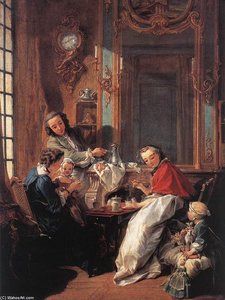
- “El Desayuno” (1739): Una encantadora representación de la vida doméstica con su esposa e hijos.
- “El Triunfo de Venus” (1740-1751): Una serie de pinturas que muestran la maestría de Boucher en las narrativas mitológicas.
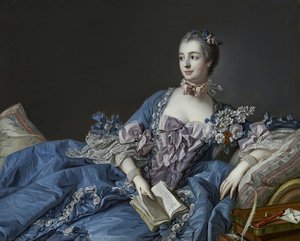
- Numerosos retratos de Madame de Pompadour, la influyente amante del rey Luis XV, consolidando su posición en la corte.
- Pinturas de paisajes como “El Atardecer”, que demuestran una visión lírica e idílica de la naturaleza.
Los temas recurrentes en la obra de Boucher incluyen el amor, la belleza, el ocio y el mundo idealizado de la mitología. Sus pinturas a menudo evocan un sentido de erotismo lúdico y elegancia refinada.
Influencia y Legado
La influencia de Boucher se extendió más allá de la pintura. Diseñó trajes y escenografías para el teatro, creó tapices para los talleres de Beauvais y colaboró con la Gobelins Manufactory. Su nombramiento como *Premier Peintre du Roi* en 1765 consolidó su estatus como el artista líder del rococó francés.
Si bien más tarde los críticos cuestionaron la superficialidad percibida del arte rococó, el impacto de Boucher en las generaciones posteriores es innegable. Influyó a artistas como Jean-Honoré Fragonard y contribuyó significativamente al desarrollo del Neoclasicismo a través de sus estudiantes.
Significado Histórico
La obra de François Boucher proporciona una valiosa ventana a los gustos y valores de la sociedad francesa del siglo XVIII. Sus pinturas reflejan la cultura aristocrática de la época, caracterizada por el lujo, el refinamiento y la búsqueda del placer. Sigue siendo una figura significativa en la historia del arte, celebrado por su habilidad técnica, innovación artística y contribución perdurable al estilo rococó.

François Boucher
1703 - 1770 , Francia
Datos clave
- Artistas Que Influyeron:
- François Lemoyne
- Jean-François Cars
- Rubens
- Watteau
- Estilo Artístico: Rococó
- Fecha De Muerte: 30 de mayo de 1770
- Fecha De Nacimiento: 29 de septiembre de 1703
- Influenciado A Artistas: ['Jean-Honoré Fragonard']
- Lugar De Nacimiento: París, Francia
- Nacionalidad: Francés
- Nombre Completo: François Boucher
- Obras Notables:
- El Desayuno (1739)
- El Triunfo de Venus
- Retratos de Pompadour
- La puesta del sol
Artículos relacionados

Esculturas de Bronce Legendarias: 10 Obras Maestras que Transformaron el Arte | ArtsDot
Descubre las 10 esculturas de bronce más legendarias que revolucionaron el arte. Explora la historia de Rodin, Degas y otros maestros del bronce. Encuentra reproducciones de alta calidad e inspiración para tu hogar en ArtsDot.com.
François Boucher: Rococo Master of Myth, Sensuality, and the French Court
Explore the captivating world of François Boucher, master of Rococo painting! Discover his iconic works, aristocratic patronage, and lasting influence on French art history. Learn more at ArtsDot.

The Enduring Form: Exploring Themes & Techniques in Sculpture Across Historical Periods
Explore the rich history of sculpture from ancient masterpieces to contemporary innovations. Discover key techniques, influential artists & investment potential for discerning art collectors.

Las 10 Obras Maestras de Bronce que Revolucionaron la Historia del Arte | ArtsDot
Descubre las 10 esculturas de bronce más influyentes de la historia del arte. Explora obras maestras de Rodin, Degas y otros genios. Encuentra reproducciones de arte de calidad museo en ArtsDot.com.

The Enduring Form: Sculpture Across History, Technique & Emotional Resonance
Explore the rich history of sculpture with ArtsDot. Discover key techniques, influential artists & investment potential for discerning collectors. Expert insights into valuing and collecting timeless masterpieces.