 Vista previa
 Compartir
 Compartir
 Ver detalles

 Descargar
 Ver similares
 Radiografía
 Presentación de diapositivas
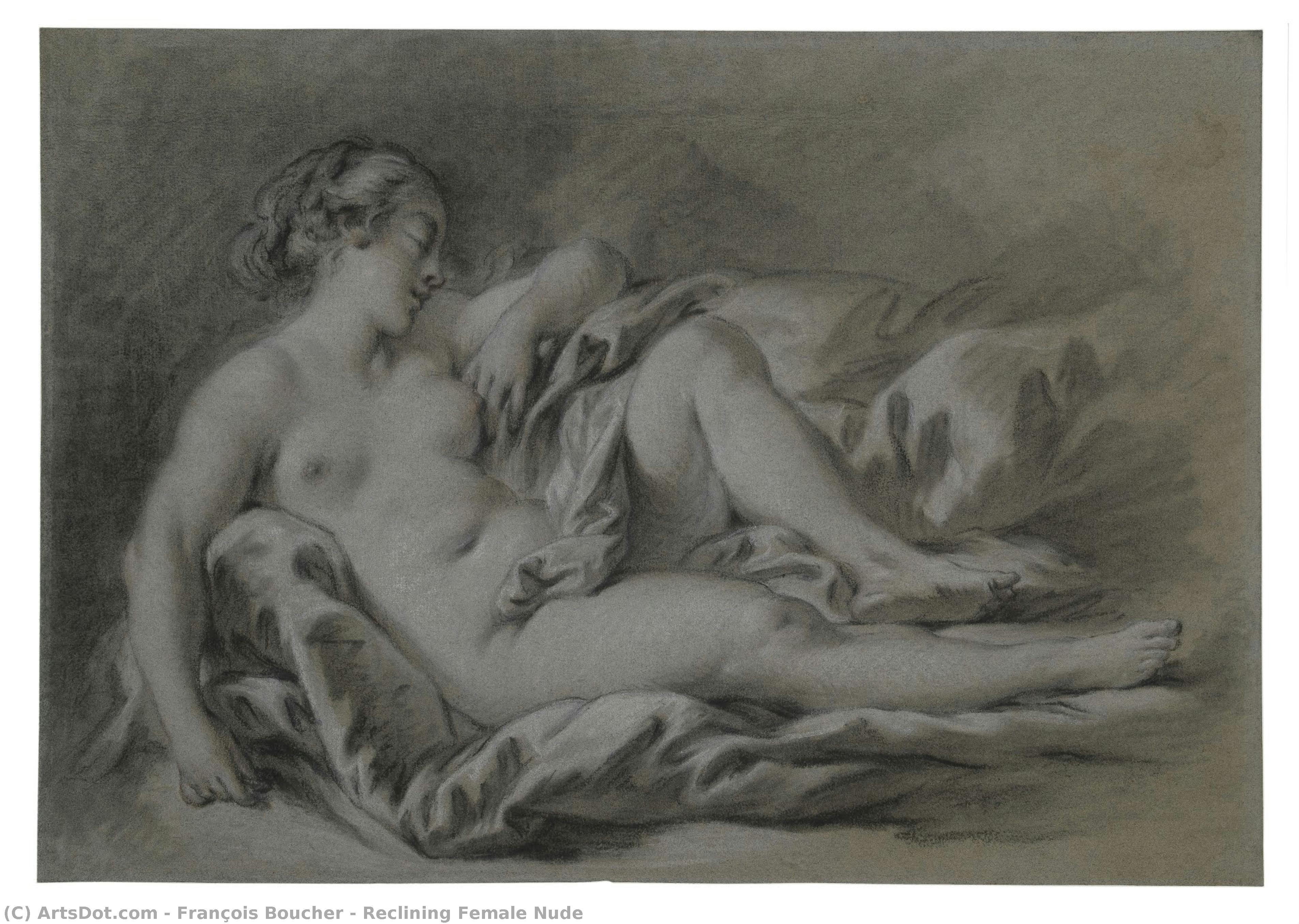
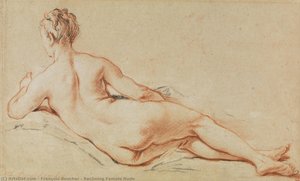
Reclining Female Nude
 Charcoal
- WallArt
- Neoclassicism
 1760
1760 28.0 x 40.0 cm
 Museo Calouste Gulbenkian
 Leer más
Giclée / Impresión de arte
Impresiones giclée o en lienzo de calidad de museo con producción rápida y opciones de acabado flexibles. ( Encargar reproducción pintada a mano Comprar descarga)




P118B $10

P118H $10

P118W $10

P438Z $10

P508JH $12

P508YH $12

P805H $10

P805Z $10

P919BZ $10

P919G $10

P919XJ $10

P959ZH $10

P968JZ $12

W106C $8

W218G $10

W218JH $8

W218Y $10

W307PJ $10

W316G $10

W316PJ $8

W316Y $10

W398PJ $8

W4111J $10

W500HY $15

W500JH $15

W692G $12

W849H $8

W940BG $15

W953PJ $8




Elija entre nuestros tamaños predefinidos que respetan las proporciones originales de la obra.

Puede introducir sus propias dimensiones para adaptarse a un marco o espacio específico. Si el tamaño seleccionado no coincide con las proporciones de la imagen original, recortaremos la obra de arte o extenderemos la imagen con un borde con efecto espejo o de color sólido. Se enviará una maqueta digital para su aprobación antes de que comience la producción.
Tenga en cuenta que la vista previa en pantalla no refleja el recorte o la extensión real. Solo la maqueta mostrará con precisión la composición final.
Aunque existen tamaños personalizados, recomendamos seleccionar una dimensión de la lista predefinida para preservar las proporciones originales.
Envío a todo el mundo () en 2 semanas en lugar de las 4/5 semanas estándar. (21 agosto)

Envío exprés gratuito a todo el mundo

Lienzo de lino de alta calidad

Seguro de envío completo

Garantía de reembolso de aranceles aduaneros

Garantía de fidelidad cromática exacta

Política de devolución de 60 días (solo por defectos)

Garantía de devolución del 100% del dinero

Oferta por volumen
 La opción de vidrio solo está disponible en tamaños inferiores a 110 cm.

Reclining Female Nude
Giclée / Impresión de arte
Tamaño de la reproducción
-


Precio total
$ 62
Descripción de la pieza
A Moment of Quiet Contemplation: Reclining Female Nude by François Boucher
This exquisite monochrome drawing, measuring 28 x 40 cm and dating back to 1760, offers a profound glimpse into the world of 18th-century French art through the masterful hand of François Boucher. Executed with charcoal or graphite, the piece embodies the hallmarks of Rococo – elegance, sensuality, and a delicate exploration of the human form – while simultaneously revealing a deep understanding of classical principles. The composition immediately draws the eye to the reclining nude figure, presented diagonally across the frame, an arrangement that suggests both dynamism and repose.
- Classical Influence: Boucher’s work is deeply rooted in the traditions of 18th-century French art, particularly influenced by artists like Jean Baptiste Chardin and, crucially, Nicolas Poussin. The pose itself echoes classical ideals of beauty and grace, reminiscent of Roman sculptures discovered during this period.
- Technical Mastery: The artist’s skill is evident in the meticulous layering of charcoal to build up tones and create subtle gradations. Varying degrees of shading are employed to define musculature and drapery folds with remarkable precision, creating a sense of volume and movement that belies the static pose.
- Soft Lighting & Intimacy: The diffused and soft lighting contributes significantly to the artwork’s emotional impact, fostering an atmosphere of intimacy and quiet contemplation. It suggests an unseen source, illuminating the figure with a gentle, almost reverential light.
The Artist's Context: François Boucher and the Rococo Era
François Boucher (1703-1770) was one of the most celebrated painters of the Rococo era, a period defined by its emphasis on ornamentation, playful subject matter, and aristocratic clientele. Born in Paris, Boucher’s artistic journey began with an apprenticeship under his father and further developed through training with prominent engravers. His victory at the Grand Prix de Rome in 1720 – a prestigious competition that launched many promising French artists – marked a pivotal moment in his career, providing him with invaluable experience and access to influential circles within the Académie Royale.
Boucher’s paintings frequently depicted mythological scenes and allegorical subjects, often imbued with themes of love, beauty, and sensuality. His work was highly sought after by royalty and nobility, reflecting the tastes of the time and solidifying his position as a leading figure in French art.
Symbolism and Emotional Resonance
The subject matter – a nude female form – carries significant symbolic weight within the context of 18th-century art. It represents not merely physical beauty but also ideals of virtue, innocence, and classical perfection. The pose itself, with its suggestion of vulnerability and quiet contemplation, evokes a sense of emotional depth. Boucher masterfully captures a moment of stillness, inviting the viewer to engage with the figure on an intimate level.
- Beauty & Sensuality: The depiction aligns perfectly with the Rococo’s fascination with beauty and sensuality, though presented with a restrained elegance rather than overt eroticism.
- Classical Ideals: The composition reinforces classical ideals of harmony, proportion, and balance – values central to the artistic movement of the time.
A Timeless Masterpiece – Perfect for Display
This hand-painted reproduction captures the essence of Boucher’s genius, offering a stunning addition to any art collection or interior design scheme. The monochromatic palette lends itself beautifully to various settings, from formal studies to contemporary living spaces. Its size (28 x 40 cm) makes it ideal for smaller rooms or as a striking focal point within a larger composition. Provenance: Originally created around 1760, this artwork reflects the artistic sensibilities of the Rococo period and offers a tangible connection to one of France’s most celebrated painters.
Obras relacionadas
Biografía del artista
François Boucher: Una Vida en el Rococó
François Boucher (1703-1770) fue una figura clave del arte francés del siglo XVIII, reconocido como uno de los pintores más celebrados de la época rococó. Su obra encarna la elegancia, sensualidad y espíritu lúdico que definieron este influyente estilo.
Primeros Años y Formación
Nacido el 29 de septiembre de 1703 en París, Francia, el viaje artístico de François Boucher comenzó bajo la tutela de su padre, Jean Boucher, también pintor. A los diecisiete años, llamó la atención de François Lemoyne, lo que llevó a un breve pero impactante aprendizaje. Perfeccionó aún más sus habilidades con el grabador Jean-François Cars antes de lograr un hito significativo: ganar el prestigioso Grand Prix de Rome en 1720.
Ascenso a la Prominencia y Desarrollo Artístico
El tiempo de Boucher en Italia, tras su victoria en el Grand Prix, demostró ser formativo. Al regresar a Francia, fue admitido en la Académie Royale de Peinture et de Sculpture en 1731. Su *morceau de réception*, “Rinaldo y Armida” (1734), estableció inmediatamente su dominio del estilo rococó. Este período vio emerger plenamente su voz artística, caracterizada por pinceladas delicadas, paletas pastel y un énfasis en temas mitológicos y pastorales.
Obras Clave y Temas
La obra de Boucher es notablemente diversa, abarcando mitología, retratos, escenas de género y artes decorativas. Algunas de sus obras más celebradas incluyen:
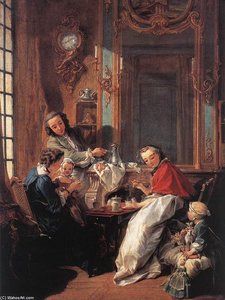
- “El Desayuno” (1739): Una encantadora representación de la vida doméstica con su esposa e hijos.
- “El Triunfo de Venus” (1740-1751): Una serie de pinturas que muestran la maestría de Boucher en las narrativas mitológicas.
- Numerosos retratos de Madame de Pompadour, la influyente amante del rey Luis XV, consolidando su posición en la corte.
- Pinturas de paisajes como “El Atardecer”, que demuestran una visión lírica e idílica de la naturaleza.
Los temas recurrentes en la obra de Boucher incluyen el amor, la belleza, el ocio y el mundo idealizado de la mitología. Sus pinturas a menudo evocan un sentido de erotismo lúdico y elegancia refinada.
Influencia y Legado
La influencia de Boucher se extendió más allá de la pintura. Diseñó trajes y escenografías para el teatro, creó tapices para los talleres de Beauvais y colaboró con la Gobelins Manufactory. Su nombramiento como *Premier Peintre du Roi* en 1765 consolidó su estatus como el artista líder del rococó francés.
Si bien más tarde los críticos cuestionaron la superficialidad percibida del arte rococó, el impacto de Boucher en las generaciones posteriores es innegable. Influyó a artistas como Jean-Honoré Fragonard y contribuyó significativamente al desarrollo del Neoclasicismo a través de sus estudiantes.
Significado Histórico
La obra de François Boucher proporciona una valiosa ventana a los gustos y valores de la sociedad francesa del siglo XVIII. Sus pinturas reflejan la cultura aristocrática de la época, caracterizada por el lujo, el refinamiento y la búsqueda del placer. Sigue siendo una figura significativa en la historia del arte, celebrado por su habilidad técnica, innovación artística y contribución perdurable al estilo rococó.
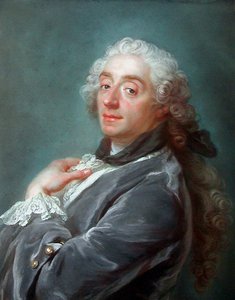
François Boucher
1703 - 1770 , Francia
Datos clave
- Artistas Que Influyeron:
- François Lemoyne
- Jean-François Cars
- Rubens
- Watteau
- Estilo Artístico: Rococó
- Fecha De Muerte: 30 de mayo de 1770
- Fecha De Nacimiento: 29 de septiembre de 1703
- Influenciado A Artistas: ['Jean-Honoré Fragonard']
- Lugar De Nacimiento: París, Francia
- Nacionalidad: Francés
- Nombre Completo: François Boucher
- Obras Notables:
- El Desayuno (1739)
- El Triunfo de Venus
- Retratos de Pompadour
- La puesta del sol
Artículos relacionados
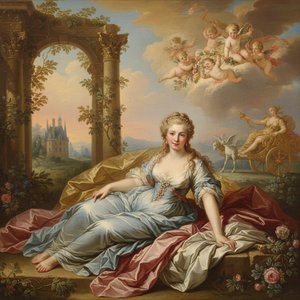
François Boucher: Rococo Master of Myth, Sensuality, and the French Court
Explore the captivating world of François Boucher, master of Rococo painting! Discover his iconic works, aristocratic patronage, and lasting influence on French art history. Learn more at ArtsDot.
The Eloquent Form: A Historical & Aesthetic Exploration of the Nude in Art
Explore the captivating history of the nude in art! From ancient Greece to modern masters, discover its evolving symbolism, techniques & enduring beauty. Expert insights for collectors and enthusiasts.
The Enduring Allure of the Nude: A Historical & Artistic Exploration of the Human Form
Explore the captivating history of nude art! Discover iconic paintings & artists from classical to modern eras. Uncover symbolism, techniques & find museum-quality reproductions at ArtsDot.
Charles Le Brun: Master of French Baroque Classicism & His Enduring Legacy
Explore the life & art of Charles Le Brun, master of French Baroque Classicism. Discover his royal commissions, influence on Versailles, and enduring legacy through detailed analysis & stunning artworks.
Los 10 Maestros del Neoclasicismo: Obras que Definieron una Era |
Descubre los 10 imprescindibles del Neoclasicismo con . Obras de David, Ingres y Canova que marcaron una era. Historia, técnica y significado de cada pieza. Encuentra reproducciones de arte de museo en