

 Ver en contexto
 Enviar
 Compartir
 Detalles

 Descargar
 Similares
 Radiografía
 Presentación de diapositivas
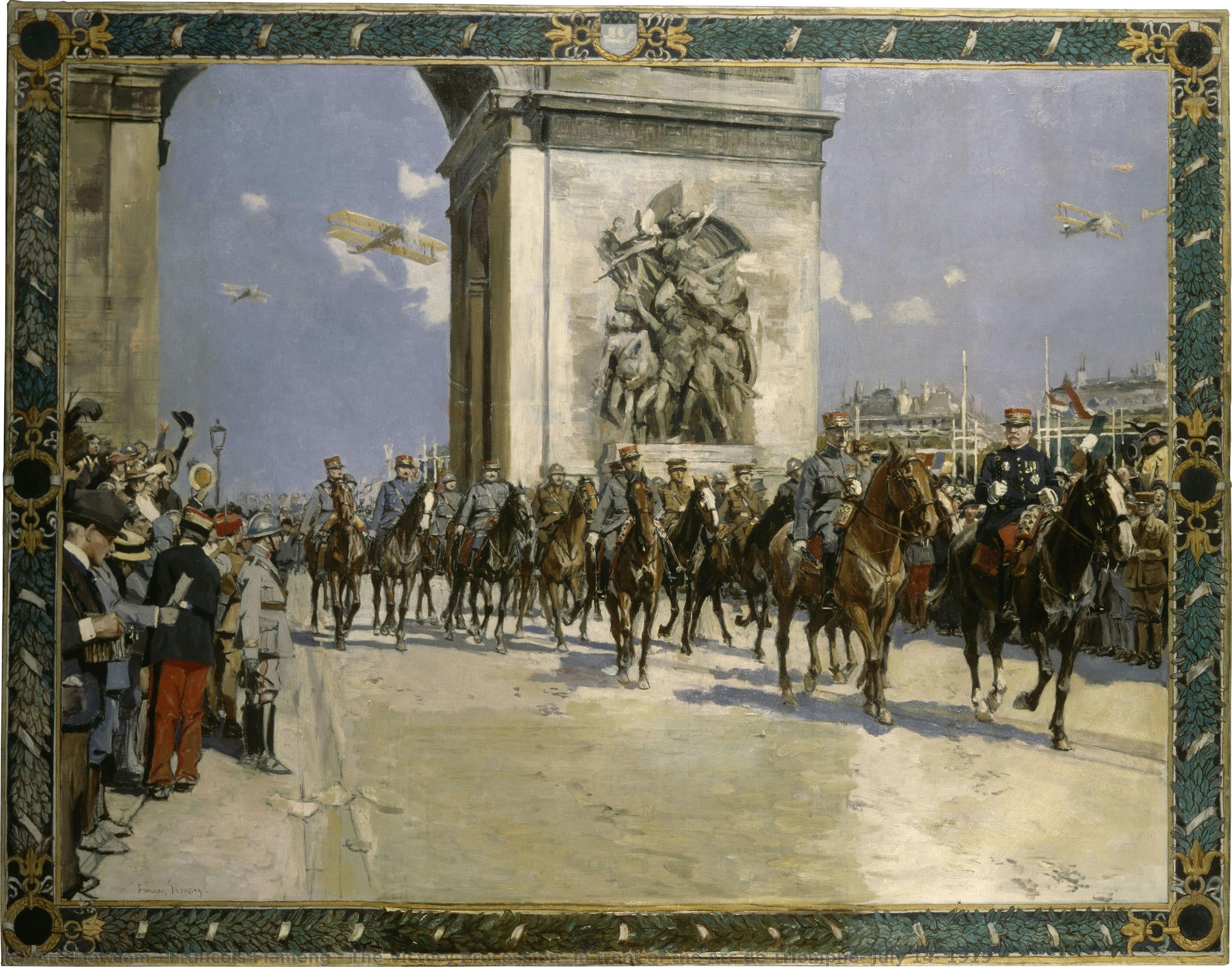
The Victory Procession, in front of the Arc de Triomphe, July 14, 1919


 Ver más
Reproducción al óleo hecha a mano
Óleo sobre lienzo pintado a mano en el tamaño y marco de su elección, realizado por encargo por nuestros artistas. ( Comprar impresión Comprar imagen)




P118B $10

P118H $10

P118W $10

P438Z $10

P508JH $12

P508YH $12

P805H $10

P805Z $10

P919BZ $10

P919G $10

P919XJ $10

P959ZH $10

P968JZ $12

W106C $8

W218G $10

W218JH $8

W218Y $10

W307PJ $10

W316G $10

W316PJ $8

W316Y $10

W398PJ $8

W4111J $10

W500HY $15

W500JH $15

W692G $12

W849H $8

W940BG $15

W953PJ $8




Elija entre nuestros tamaños predefinidos que respetan las proporciones originales de la obra.

Puede ingresar sus propias dimensiones para adaptarse a un marco o espacio específico. Si el tamaño seleccionado no coincide con las proporciones de la imagen original, recortaremos la obra o extenderemos la pintura con elementos adicionales pintados a mano. Se le enviará una maqueta digital para su aprobación antes de comenzar la producción.
Tenga en cuenta que la vista previa en pantalla no refleja el recorte o la extensión reales. Solo la maqueta mostrará con precisión la composición final.
Si bien existen tamaños personalizados, recomendamos seleccionar una dimensión de la lista predefinida para preservar las proporciones originales.
Tras realizar el pedido, el equipo de ArtsDot.com enviará un correo electrónico al cliente para solicitar instrucciones y proporcionarle una vista previa del boceto.
Envío a todo el mundo () en 3-4 semanas en lugar de las 5 semanas estándar. (25 agosto). Sin comprometer la calidad.

Envío exprés gratuito a todo el mundo

Lienzo de lino de alta calidad

Seguro de envío total

Garantía de reembolso de impuestos aduaneros

Garantía de fidelidad cromática exacta

Política de devolución de 60 días (solo por defectos)

Garantía de devolución del 100% del dinero

Descuento por cantidad
 La opción de vidrio solo está disponible en tamaños inferiores a 110 cm.

The Victory Procession, in front of the Arc de Triomphe, July 14, 1919
Técnica de reproducción
Dimensiones de la reproducción
-


Precio total final
$ 263
Descripción de la obra
François Flameng’s Triumph: A Celebration of Victory in Parisian Art
The painting “The Victory Procession, in front of the Arc de Triomphe, July 14, 1919,” by François Flameng stands as a monumental testament to the spirit of resilience and triumph that characterized France following the First World War. Executed in 1923, this impressive canvas captures a pivotal moment – the jubilant procession commemorating the Allied victory over Germany, unfolding against the grandeur of Paris’s iconic Arc de Triomphe. Flameng's masterful depiction transcends mere historical record; it embodies an emotional response to the momentous occasion and reflects the artistic sensibilities of his time.A Symphony of Color and Composition
Flameng’s stylistic approach firmly adheres to the Beaux-Arts tradition, prioritizing meticulous detail and a convincingly realistic portrayal of light and texture. The artist skillfully employs a palette dominated by warm hues – golds, reds, and creams – mirroring the celebratory fervor of the event. These colors are strategically layered to create depth and dynamism, guiding the viewer’s eye across the expansive canvas. Compositionally, Flameng arranges the figures with deliberate precision, establishing a pyramidal structure that emphasizes the central procession led by Marshal Ferdinand Foch and Marshal Joseph Joffre. The positioning of the horses and riders contributes significantly to this visual hierarchy, reinforcing the grandeur and solemnity of the occasion.Historical Context: Echoes of Remembrance
The painting’s genesis lies in the immediate aftermath of the Great War, a period marked by profound grief and national introspection. Yet, amidst the sorrow, there emerged an unwavering determination to honor those who had sacrificed their lives for France's liberation. July 14th, 1919 – Bastille Day – served as the focal point for commemorating this victory, symbolizing freedom from oppression and reaffirming republican ideals. Flameng’s artwork captures not only the visual spectacle of the procession but also its symbolic significance: it represents the collective yearning for peace and prosperity after years of devastation. The Arc de Triomphe itself—constructed to honor Napoleon's military triumphs—becomes a poignant reminder of France’s enduring legacy of leadership and resilience.Technique and Detail: Flameng’s Artistic Virtuosity
Flameng’s technique is characterized by painstaking brushwork, meticulously rendering the musculature of the horses and the uniforms of the soldiers with remarkable accuracy. He utilizes glazing techniques—applying thin layers of translucent paint over underlying colors—to achieve luminous effects and imbue the scene with an ethereal quality. Close observation reveals subtle nuances in shading and texture, demonstrating Flameng’s dedication to capturing the materiality of his subjects. The artist's attention to detail extends beyond mere representation; he strives to convey a palpable sense of movement and energy, conveying the excitement and jubilation of the celebratory procession.Emotional Resonance: Triumph Over Adversity
Ultimately, “The Victory Procession” transcends its historical context to evoke a powerful emotional response in the viewer. Flameng’s masterful depiction captures the spirit of optimism and hope that permeated French society following the war—a desire to rebuild and honor those who had endured unimaginable hardship. The grandeur of the Arc de Triomphe serves as a visual anchor for this sentiment, symbolizing France's triumphant return to glory. More than just an illustration of a historical event, Flameng’s painting speaks to the universal human experience of overcoming adversity and celebrating victory—a timeless masterpiece that continues to inspire awe and admiration.Obras relacionadas
Biografía del artista
François Flameng: Una Vida en el Arte
Infancia Temprana y Educación
- **Nacido:** 1856, Francia.
- François Léopold Flameng fue hijo de Léopold Flameng, un célebre grabador. Esta conexión familiar le proporcionó una educación temprana y completa en técnicas artísticas.
- Asistió a la École Nationale Supérieure des Beaux-arts, donde estudió bajo la tutela de Alexandre Cabanel.
- A partir de 1870, Flameng comenzó a crear reproducciones de obras de artistas renombrados para el catálogo de la galería Durand-Ruel.
Desarrollo Artístico y Estilo
- Inicialmente, Flameng ganó reconocimiento por sus pinturas históricas y retratos. Su estilo temprano estaba firmemente arraigado en la tradición académica, enfatizando el dibujo preciso y la representación realista.
- Exhibió por primera vez en el Salón en 1875 con “El Lectorio”, marcando un paso significativo en su carrera.
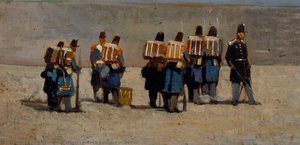
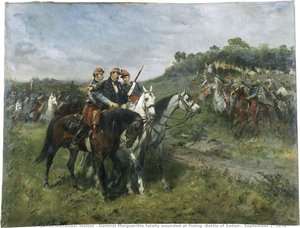
- Su obra evolucionó con el tiempo para abarcar temas más amplios, incluyendo representaciones de la vida militar y escenas de la sociedad contemporánea.
Logros Principales y Comisiones
- Flameng se convirtió en profesor en la Academia de Bellas Artes, demostrando su posición dentro de la comunidad artística.
- Recibió importantes encargos para decorar edificios públicos destacados como la Sorbona y el Opéra-Comique.
- En 1891, diseñó bocetos para las primeras cuatro notas bancarias de Francia (aunque el diseño de la nota de 1000 francos no se emitió hasta más tarde en una forma modificada).
- Fue invitado a Rusia en 1894 por el zar Alexander III para pintar retratos de miembros de la corte imperial.
- En 1900, creó un mural decorativo de París para Le Train Bleu, el restaurante de la estación Gare de Lyon.
- Se le otorgó el Légion d'Honneur, el más alto honor civil de Francia.
- En 1908, se convirtió en comandante honorario de la Orden Real Victoriana.
Primera Guerra Mundial y Trabajo Posterior
- La obra de Flameng adquirió una nueva dimensión durante la Primera Guerra Mundial. Fue nombrado presidente honorario de la Sociedad de Pintores Militares y documentador acreditado para el ministerio de guerra.
- Sus pinturas de este período, aunque realistas, fueron inicialmente criticadas por algunos por carecer de drama heroico – un testimonio de su compromiso de representar las realidades de la guerra.
- Muchas de estas pinturas de guerra fueron donadas posteriormente a el Musée de l'Armée.
- En 1919, fue elegido académico correspondiente honorario en la Academia Nacional de Diseño.
Vida Personal y Legado
- Flameng se casó con Marguerite Henriette Augusta Turquet en 1881. Su hija, Marie, se casó con el tenista Max Decugis, a quien Flameng también pintó.
- Fue amigo de John Singer Sargent, quien pintó su retrato, y viajó con Jean-Léon Gérôme y Victor Clairin en Italia.
- François Flameng murió en 1923, dejando atrás un cuerpo de trabajo diverso que refleja las corrientes artísticas e históricas de su tiempo. Sus pinturas ofrecen valiosas perspectivas sobre la sociedad francesa durante la Belle Époque y las realidades de la Primera Guerra Mundial.
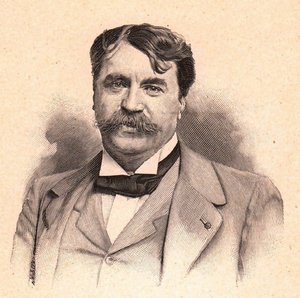
François Flameng
1856 - 1923 , Francia
Datos clave
- Artistic Movement Or Style: Arte académico
- Artists Or Movements Influenced By This Artist: ['John Singer Sargent']
- Artists Who Influenced This Artist:
- Alexandre Cabanel
- Léopold Flameng
- Date Of Birth: 1856
- Full Name: François Léopold Flameng
- Nationality: Francés
- Notable Artworks:
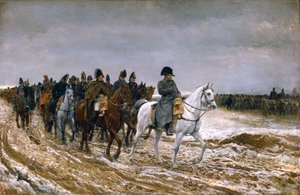
- Napoleón después de la batalla de Waterloo
- El triunfo procesional frente al Arco del Triunfo, 14 de julio de 1919
- Retrato de Miguel Ángel
- Place Of Birth: París, Francia
Artículos relacionados

Goya: Las 25 Obras Maestras del Genio Español | Reproducciones de Arte en ArtsDot
Descubre las 25 obras maestras de Goya, el genio español. Explora retratos icónicos, 'Los Caprichos' y 'Las Pinturas Negras'. Reproducciones de arte en lienzo de alta calidad para decorar tu hogar con estilo. ¡Encuentra tu obra favorita en ArtsDot.com!

Acerca de nosotros
Descubre nuestra historia! Llevamos el arte de clase mundial a tu vida gracias a una selección experta, creaciones personalizadas y vistas previas gratuitas. Aprobado por particulares y empresas desde el año 2000.
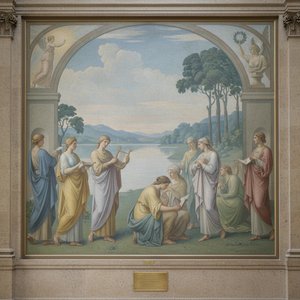
Pierre Puvis de Chavannes: Symbolism, Mural Painting, and the Pursuit of Ideal Beauty
Explore the life & work of Pierre Puvis de Chavannes, a pivotal Symbolist painter renowned for his monumental murals. Discover his aesthetic principles, key artworks like 'Hope,' and lasting influence on modern art. A deep dive into 19th-century French painting.
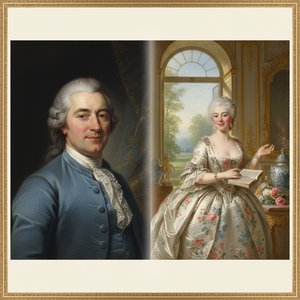
Maurice Quentin de La Tour: Light, Shadow & the Rococo Portrait
Explore the captivating world of Maurice Quentin de La Tour, a master of Rococo portraiture. Discover his innovative pastel techniques, intimate depictions of French aristocracy, and lasting artistic legacy. Learn more at ArtsDot.
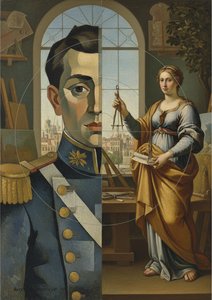
Roger de la Fresnaye: Cubism, Tradition & the Search for Order in Early 20th-Century French Painting
Explore the captivating world of Roger de la Fresnaye, a pivotal French Cubist painter. Discover his unique blend of tradition & modernity, influences, and lasting legacy with ArtsDot.

