

 Ver en contexto
 Enviar
 Compartir
 Detalles

 Descargar
 Similares
 Radiografía
 Presentación de diapositivas
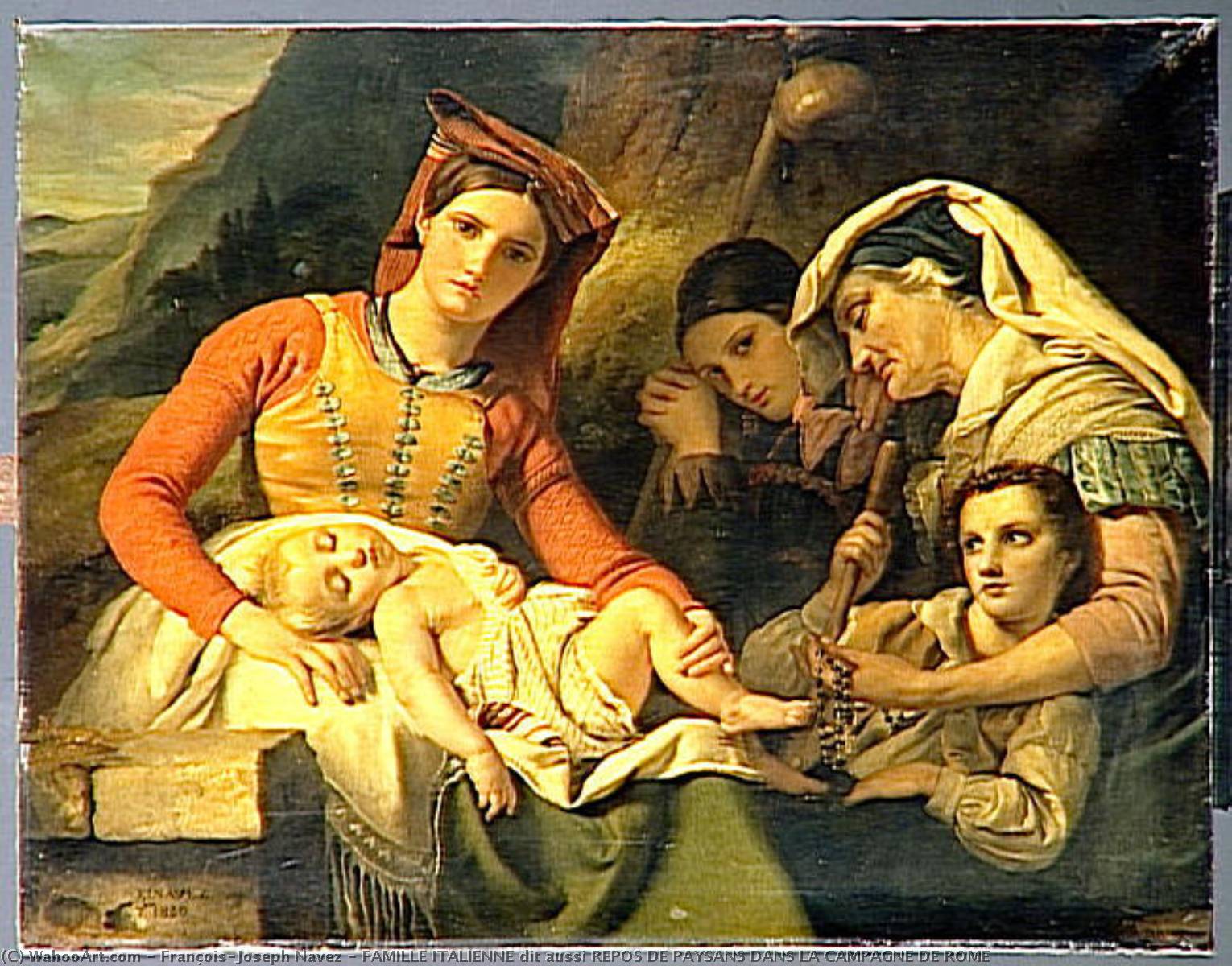
FAMILLE ITALIENNE dit aussi REPOS DE PAYSANS DANS LA CAMPAGNE DE ROME


 Ver más
Reproducción al óleo hecha a mano
Óleo sobre lienzo pintado a mano en el tamaño y marco de su elección, realizado por encargo por nuestros artistas. ( Comprar impresión Comprar imagen)




P118B $10

P118H $10

P118W $10

P438Z $10

P508JH $12

P508YH $12

P805H $10

P805Z $10

P919BZ $10

P919G $10

P919XJ $10

P959ZH $10

P968JZ $12

W106C $8

W218G $10

W218JH $8

W218Y $10

W307PJ $10

W316G $10

W316PJ $8

W316Y $10

W398PJ $8

W4111J $10

W500HY $15

W500JH $15

W692G $12

W849H $8

W940BG $15

W953PJ $8




Elija entre nuestros tamaños predefinidos que respetan las proporciones originales de la obra.

Puede ingresar sus propias dimensiones para adaptarse a un marco o espacio específico. Si el tamaño seleccionado no coincide con las proporciones de la imagen original, recortaremos la obra o extenderemos la pintura con elementos adicionales pintados a mano. Se le enviará una maqueta digital para su aprobación antes de comenzar la producción.
Tenga en cuenta que la vista previa en pantalla no refleja el recorte o la extensión reales. Solo la maqueta mostrará con precisión la composición final.
Si bien existen tamaños personalizados, recomendamos seleccionar una dimensión de la lista predefinida para preservar las proporciones originales.
Tras realizar el pedido, el equipo de ArtsDot.com enviará un correo electrónico al cliente para solicitar instrucciones y proporcionarle una vista previa del boceto.
Envío a todo el mundo () en 3-4 semanas en lugar de las 5 semanas estándar. (30 agosto). Sin comprometer la calidad.

Envío exprés gratuito a todo el mundo

Lienzo de lino de alta calidad

Seguro de envío total

Garantía de reembolso de impuestos aduaneros

Garantía de fidelidad cromática exacta

Política de devolución de 60 días (solo por defectos)

Garantía de devolución del 100% del dinero

Descuento por cantidad
 La opción de vidrio solo está disponible en tamaños inferiores a 110 cm.

FAMILLE ITALIENNE dit aussi REPOS DE PAYSANS DANS LA CAMPAGNE DE ROME
Técnica de reproducción
Dimensiones de la reproducción
-


Precio total final
$ 263
FAMILLE ITALIENNE dit aussi REPOS DE PAYSANS DANS LA CAMPAGNE DE ROME: A Romantic Vision of Pastoral Tranquility
François Joseph Navez’s “Famille Italienne,” housed in the Louvre Museum, stands as a quintessential example of 19th-century Romantic art—a genre deeply invested in capturing emotion and celebrating the sublime beauty of nature. Painted circa 1830, this monumental oil on canvas depicts a serene tableau of three women and a child nestled within a picturesque Italian landscape.
- Subject Matter: The scene portrays a familial moment—a woman cradling her infant daughter amidst rolling hills bathed in soft sunlight. This deliberate choice aligns perfectly with Romantic ideals, prioritizing domestic harmony and idealized representations of rural life.
- Style & Technique: Navez’s masterful brushwork exemplifies the Romantic style's commitment to realism blended with expressive color palettes. The artist meticulously rendered textures—the folds of fabric, the contours of faces—creating a palpable sense of depth and dimensionality. Notice particularly the luminous quality achieved through layering glazes, characteristic of Ingresian influence.
- Historical Context: Produced during a period marked by burgeoning interest in classical antiquity alongside fervent emotion, “Famille Italienne” reflects the broader artistic currents of its time. It echoes similar pastoral scenes executed by contemporaries like Léopold Robert and Jean Auguste Dominique Ingres, artists who championed the exploration of human psychology within natural landscapes.
- Symbolism: The inclusion of a rosary held by the elder woman subtly underscores the spiritual dimension of Romantic art—a desire to elevate the mundane into something transcendent. Furthermore, the sleeping infant symbolizes innocence and purity, mirroring Christian iconography prevalent during the era.
A Detailed Examination of Composition & Color Palette
Navez’s compositional choices contribute significantly to the painting's emotional impact. The central figure—the woman holding her child—dominates the canvas visually, drawing the viewer’s gaze inward. Careful positioning and subtle gestures convey tenderness and maternal devotion. Complementary colors—primarily reds and blues—are skillfully employed to create visual harmony and enhance the luminosity of the scene.
- Lighting: The artist utilizes chiaroscuro—the dramatic interplay between light and shadow—to sculpt the figures’ forms and imbue them with a sense of realism. Light streams down from above, illuminating the child's face and highlighting the woman’s serene expression.
- Color Harmony: The dominant blues of the landscape provide a calming counterpoint to the vibrant red dress worn by the central figure. This juxtaposition reinforces the painting’s thematic exploration of beauty and tranquility—a hallmark of Romantic aesthetics.
Provenance & Artistic Legacy
"Famille Italienne" boasts an illustrious provenance, having been acquired from Gerard Delarge's estate in 1993. Its journey through successive collectors underscores its enduring appeal to discerning connoisseurs and art historians alike. François Joseph Navez’s work solidified his reputation as a leading Romantic painter—a figure celebrated for his ability to capture the emotional essence of human experience within breathtaking landscapes.
- Artist Recognition: Navez's dedication to classical principles combined with Romantic fervor resulted in an oeuvre characterized by meticulous detail and profound psychological insight.
Conclusion: An Enduring Masterpiece
Ultimately, “Famille Italienne” transcends mere representation; it embodies the Romantic spirit—a yearning for beauty, a fascination with emotion, and a reverence for the natural world. Its enduring legacy testifies to Navez’s artistic genius and his profound understanding of human psychology within the context of sublime landscapes.
Obras relacionadas
Biografía del artista
François-Joseph Navez: Una Vida en el Arte Neoclásico
Primeros Años y Educación
- Nacimiento: Charleroi, Bélgica, 16 de noviembre de 1787.
- Navez provenía de un origen privilegiado, lo que le permitió dedicarse por completo a los estudios artísticos desde una edad temprana.
- Comenzó su formación académica en la Academia Real de Bellas Artes de Bruselas de 1803 a 1808, estudiando bajo Pierre Joseph Célestin François.
- En 1810, cofundó la “Sociedad de Amantes de las Artes”, demostrando un temprano compromiso para fomentar una comunidad artística.
París y Roma: Influencias y Desarrollo
- Navez recibió el primer premio por pintura histórica en 1812, lo que le permitió viajar a París.
- Influencia Clave: De 1813 a 1816, estudió con Jacques-Louis David, una figura fundamental del arte neoclásico. Esta mentoría moldeó profundamente su estilo y enfoque.
- Continuó su viaje artístico en Roma de 1817 a 1822, donde conoció a Jean-Auguste-Dominique Ingres y afinó aún más sus habilidades dentro de la tradición clásica.
- Su tiempo en Italia inculcó una profunda apreciación por las formas y temas clásicos, que se convertirían en señas de identidad de su obra.
Carrera y Estilo Artístico
- Al regresar a Bélgica, Navez estableció un estudio exitoso y rápidamente ganó reconocimiento como un talentoso retratista.
- Enfoque Artístico: Se destacó en retratos, escenas históricas y temas mitológicos, todos ejecutados con meticuloso detalle y composiciones elegantes.
- Su estilo se caracterizó por su claridad de forma, composiciones equilibradas y expresión emocional contenida – señas distintivas del Neoclasicismo.
- Era un maestro en capturar la semejanza y el carácter de sus modelos en retratos.
Liderazgo en la Academia Real
- La influencia de Navez se extendió más allá de su propia práctica artística. Se convirtió en Director de la Académie Royale des Beaux-Arts de Bruselas entre 1835 y 1862.
- Impacto Educativo: En este papel, desempeñó un papel crucial en la formación de la próxima generación de artistas belgas.
- Entre sus notables alumnos se encontraban Jean-François Portaels (quien también se convirtió en su yerno) y Jean Carolus.
Obras Maestras y Legado
- Pinturas Notables: Algunas de sus obras más celebradas incluyen “Masacre de los Inocentes”, “La ninfa Salmacis y Hermofrodito”, “Mujeres tejiendo en Fondi” y su retrato de Jacques-Louis David.
- Sus pinturas se conservan en importantes colecciones museísticas, mostrando su valor artístico perdurable.
- Significado Histórico: Navez es considerado una figura destacada del arte neoclásico belga. Puenteó la brecha entre la tradición clásica y las tendencias románticas emergentes del siglo XIX.
- Murió en Bruselas el 12 de octubre de 1869, dejando un rico legado artístico que continúa inspirando y cautivando a audiencias hoy en día.
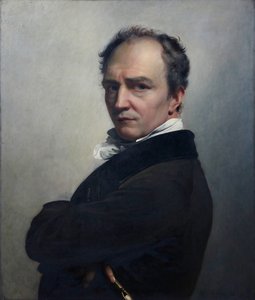
françois joseph navez
1787 - 1869 , Bélgica
Datos clave
- Artistic Movement Or Style: Neoclasicismo
- Artists Or Movements Influenced By This Artist: ['Romanticismo']
- Artists Who Influenced This Artist: ['Jacques Louis David']
- Date Of Birth: 1787
- Full Name: François Joseph Navez
- Nationality: Belga
- Notable Artworks:
- El Masacre de los Innocentes
- La Ninfa Salmacis y Hermófroditus
- Place Of Birth: Charleroi, Bélgica
Artículos relacionados

Paisajes Románticos: 10 Obras Maestras que Definieron un Movimiento Artístico
Descubre los 10 paisajes románticos más influyentes de artistas como Caspar David Friedrich y Turner. Explora la belleza, el simbolismo y las técnicas del movimiento romántico. Reproducciones de arte exclusivas en ArtsDot.com.

The Enduring Legacy of Oil on Canvas: Technique, History & Aesthetic Impact
Explore the rich history & techniques of oil painting – from Renaissance masters to Impressionism. Discover pigments, layering methods, and why this timeless medium endures. Expert insights for artists & art enthusiasts.

El Óleo sobre Lienzo: Historia, Técnica y la Persistencia de un Medio Artístico Atemporal
Descubre la historia y técnica del óleo sobre lienzo. Explora reproducciones fieles hechas a mano, personalización artística y consejos de expertos con ArtsDot. ¡Colecciona arte con confianza!
Paul Huet: Capturing the Essence of French Romanticism Through Light and Landscape
Explore the captivating world of Paul Huet (1803-1869), a master of French Romantic landscape painting. Discover his influence on Barbizon & Impressionism, and browse high-quality reproductions at ArtsDot.

El Legado Duradero del Óleo sobre Lienzo: Técnica, Historia y Práctica Contemporánea
Descubre la historia y técnica del óleo sobre lienzo. Explora reproducciones fieles hechas a mano, personalización artística y consejos de expertos con .

