

 Ver en contexto
 Enviar
 Compartir
 Detalles

 Descargar
 Similares
 Radiografía
 Presentación de diapositivas
 Estadísticas
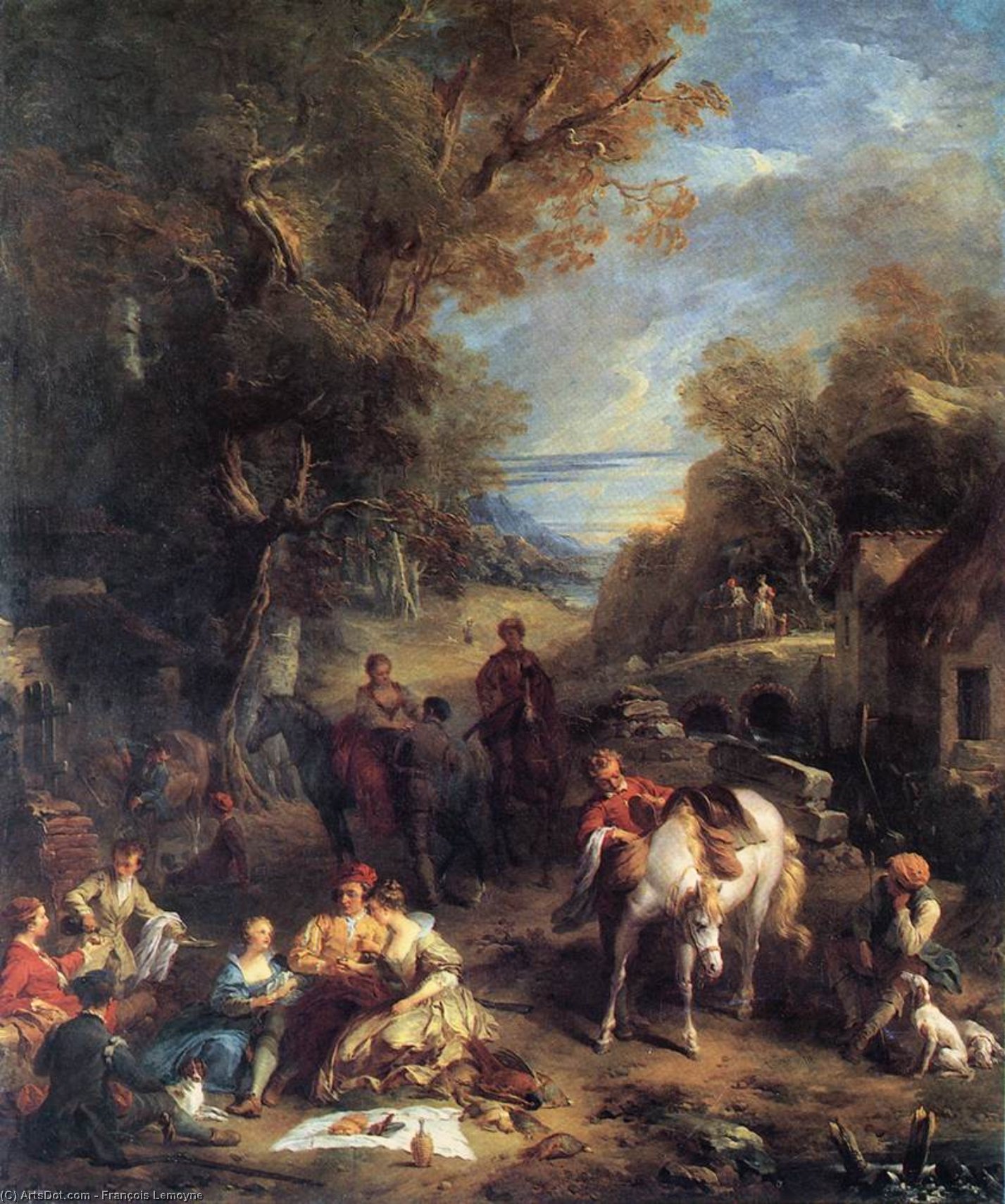
Hunting Picnic
 Oil On Canvas
- WallArt
- Baroque Rococo
 1723
1723 233.0 x 185.0 cm
 Museo de Arte
 Ver más
Adquiera una imagen digital de alta resolución y optimizada, muy superior a la vista previa en línea.
Cada archivo es preparado meticulosamente por nuestros especialistas internos mediante el uso de herramientas avanzadas y un experto retoque manual. Nos aseguramos de que cada imagen posea una claridad excepcional, una precisión cromática impecable y un detalle minucioso.
El archivo final se entrega por correo electrónico en un plazo de 72 horas, optimizado para su uso inmediato en entornos profesionales, editoriales y de impresión. Esta es la misma calidad en la que confían los estudios de diseño, las editoriales y las galerías de primer nivel.
Imagen Digital
Descarga un archivo de alta resolución para exhibición personal, impresión y proyectos creativos. ( Cambiar a Impresión Comprar pintura hecha a mano)
Incluido en cada pedido de imágenes digitales
Entrega digital experta, garantizada.
Al elegir ArtsDot.com, no solo está adquiriendo una imagen; está recibiendo una obra de arte digital mejorada profesionalmente, elaborada con precisión y respaldada por una garantía de satisfacción. Esto es todo lo que incluye su pedido, automáticamente:

Entrega rápida por email
Recibirá su archivo de imagen digital en alta resolución por correo electrónico en un plazo de 72 horas tras realizar su pedido, listo para su uso inmediato.

Archivo digital optimizado por IA
Su obra de arte se optimiza profesionalmente mediante herramientas avanzadas de IA y edición manual, garantizando el máximo detalle, claridad y precisión cromática.

Reenvío gratuito de por vida
¿Has borrado o perdido tu archivo por error? No te preocupes: te lo volveremos a enviar en cualquier momento, sin coste adicional.

Sin gastos de importación, siempre
Disfrute de su obra de arte al instante sin aduanas, aranceles ni gastos de envío; las descargas digitales siempre están libres de impuestos.

Garantía de fidelidad de color
Garantizamos que su imagen digital refleje los colores originales con la mayor fidelidad posible, mediante el uso de herramientas profesionales y gestión del color.

Garantía de satisfacción de 100 días
Si no está satisfecho con su imagen digital, la revisaremos o le reembolsaremos el 100% en un plazo de 100 días, sin preguntas.

100% Garantía de devolución de dinero
¿No está satisfecho? Obtenga un reembolso completo dentro de los 100 días posteriores a la recepción de su archivo digital, sin preguntas.

Descuentos por pedidos grandes
Compra 3 imágenes, ahorra 10% - Compra 5, ahorra 15% - Compra 10+, ahorra 20%. Ideal para proyectos creativos, galerías y agencias.
A Moment of Leisure: "Hunting Picnic" by François Lemoyne
François Lemoyne’s “Hunting Picnic,” painted in 1723, offers a captivating glimpse into the aristocratic leisure activities of 18th-century France – a world where the pursuit of game intertwined seamlessly with refined social gatherings. Measuring an impressive 233 x 185 cm, this oil on canvas work immediately draws the viewer into a scene brimming with vibrant energy and carefully orchestrated detail. The composition centers around a horse-drawn carriage, a symbol of status and mobility, alongside a gentleman in striking red attire – a bold statement against the verdant landscape. This isn’t merely a depiction of hunting; it's an embodiment of Rococo ideals: a celebration of beauty, pleasure, and the cultivated life.
- Subject Matter: The painting portrays a hunting picnic, showcasing a group of individuals enjoying the fruits of their pursuit amidst a picturesque rural setting.
- Key Figures: A prominent gentleman in red dominates the foreground, likely representing the host or a key participant in the hunt, while other figures are scattered throughout the scene, adding to the sense of social interaction and activity.
- Animal Presence: Two horses are prominently featured – one near the center, suggesting the immediate aftermath of the hunt, and another on the right, possibly accompanying the hunters or serving as a companion. A dog is also present, reinforcing the theme of companionship and skill.
Rococo Grandeur and Lemoyne’s Vision
François Lemoyne was a pivotal figure in the revival of large-scale allegorical painting during the Rococo period. Influenced by the legacy of Charles Le Brun, he sought to recapture the grandeur and intellectual depth of classical art while embracing the distinctive characteristics of the Rococo style – characterized by its emphasis on elegance, frivolity, and emotional expression. “Hunting Picnic” exemplifies this ambition; it’s not simply a charming pastoral scene but a carefully constructed tableau designed to evoke feelings of pleasure, sophistication, and aristocratic privilege. Lemoyne's meticulous attention to detail, evident in the rendering of fabrics, textures, and facial expressions, demonstrates his mastery of technique and his commitment to creating works that were both visually stunning and intellectually stimulating.
Historical Context: The painting reflects the tastes of the French aristocracy during the reign of Louis XV, a period marked by lavish spending, elaborate social rituals, and a passion for outdoor pursuits. Hunting was not just a sport but a symbol of status and power, and picnics offered an opportunity to display wealth and cultivate relationships.Technique and Artistic Style
Lemoyne’s brushwork is remarkably fluid and expressive, contributing significantly to the painting's lively atmosphere. He employs a technique known as *alla prima*, meaning “at first sight,” which involves applying paint directly to the canvas in relatively thin layers, allowing for quick changes of tone and texture. This approach results in a sense of immediacy and spontaneity that captures the dynamism of the scene. The use of color is particularly noteworthy – rich greens, blues, and reds create a vibrant palette that enhances the painting’s visual impact. The artist's skillful handling of light and shadow further adds to the depth and realism of the composition.
Symbolism and Emotional Impact
"Hunting Picnic" transcends a simple depiction of leisure; it is laden with symbolic meaning. The red clothing worn by the central figure, for example, could represent passion, courage, or even royalty. The horses symbolize strength and nobility, while the overall scene evokes a sense of harmony between humanity and nature. The painting’s emotional impact lies in its ability to transport the viewer to another time and place – a world of refined pleasure, social connection, and the beauty of the French countryside. This artwork is a testament to Lemoyne's artistic skill and his understanding of the cultural values of his era.
Obras relacionadas

Biografía del artista
François Lemoyne: Una Vida en la Pintura Rococó
- Nacido: París, Francia (1688)
- Fallecido: 1737
François Lemoyne fue un prominente pintor francés del Rococó a principios y mediados del siglo XVIII. Es reconocido por sus grandiosos frescos de techos alegóricos y escenas mitológicas, contribuyendo significativamente al panorama artístico del reinado de Luis XV. Aunque a menudo eclipsado por contemporáneos como Boucher y Watteau, Lemoyne buscó establecerse como el heredero de Charles Le Brun, una figura destacada en la historia del arte francés.
Vida Temprana y Formación
- Aprendizaje: Lemoyne inicialmente estudió bajo Robert le Vrac, su padrastro.
- Académie Royale: Se formó formalmente en la Académie Royale de peinture et de sculpture a partir de 1701, estudiando con Louis Galloche y más tarde recibiendo orientación de Pierre-Jacques Cazes. La influencia de Cazes se nota particularmente en el uso del color por parte de Lemoyne.
- Prix de Rome: En 1711, logró un hito importante al ganar el Prix de Roma, un premio que normalmente otorgaba viajes a Italia para estudiar arte. Sin embargo, las limitaciones financieras le impidieron aprovechar esta oportunidad de inmediato.
Desarrollo Artístico e Influencias
- Influencia Italiana: Su eventual viaje a Italia en 1723/24, acompañando a François Berger, demostró ser crucial. Estudió las obras de Rafael, Correggio y Tiziano, absorbiendo técnicas y estéticas artísticas italianas.
- Impacto de Rubens: Una fuerte influencia en Lemoyne fue la obra de Peter Paul Rubens, evidente particularmente en su uso vibrante del color y composiciones dinámicas.
- Escuela Veneciana: La exposición a la pintura veneciana, especialmente dentro de la colección de Pierre Crozat, moldeó aún más su estilo artístico.
- Estilo Rococó: Si bien influenciado por maestros anteriores, el trabajo de Lemoyne perteneció firmemente al período Rococó, caracterizado por elegancia, ornamentación y un enfoque en la belleza decorativa.
Obras Principales y Logros
- Frescos de Techo: Lemoyne es mejor conocido por sus monumentales frescos de techo, notablemente L'Apothéose d'Hercule (La Apoteosis de Hércules) en el Salon d’Hercule en el Palacio de Versalles. Este trabajo demostró su dominio de las técnicas ilusionistas y fue ampliamente elogiado por contemporáneos como Voltaire y el Cardenal Fleury.
- Pinturas Religiosas: También creó obras religiosas significativas, como La Transfiguración en la cabecera de la Iglesia del Jacobino (ahora Iglesia Parroquial de San Tomás de Aquino) en París.
- Premier Peintre du Roi: En 1736, Lemoyne alcanzó la cúspide de su carrera al ser nombrado Premier peintre du roi (Primer Pintor del Rey) bajo Luis XV.
Significado Histórico y Legado
François Lemoyne jugó un papel vital en la configuración de la pintura francesa del Rococó. Su ambición era revivir la tradición de los grandes frescos alegóricos de techo, que habían caído en desuso. Aunque su carrera se truncó trágicamente por el suicidio en 1737, su trabajo dejó un impacto duradero en las generaciones futuras de artistas.
- Influencia en Estudiantes: Lemoyne sirvió como tutor de artistas destacados como Charles-Joseph Natoire y François Boucher, transmitiendo sus conocimientos artísticos e influyendo en su desarrollo.
- Declive de la Pintura de Techo: Su muerte marcó el fin de una era, coincidiendo con la disminución de la popularidad de las grandes pinturas alegóricas de techo.
- Reconocimiento Actual: Si bien quizás no sea tan ampliamente reconocido como algunos de sus contemporáneos, las contribuciones de Lemoyne al arte francés del Rococó se aprecian cada vez más por su habilidad técnica y ambición artística.
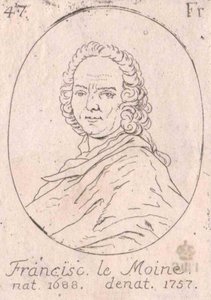
François Lemoyne
1688 - 1737 , Francia
Breves datos
- Artistas Influenciados:
- François Boucher
- Charles-Joseph Natoire
- Artistas Que Influyeron:
- Charles Le Brun
- Rubens
- Fecha De Fallecimiento: 1737
- Fecha De Nacimiento: 1688
- Lugar De Nacimiento: París, Francia
- Movimiento Artístico: Pintura rococó
- Nacionalidad: Francés
- Nombre Completo: François Lemoyne
- Obras Notables:
- Apotéosis de Hércules
- La Transfiguración