

 Ver en contexto
 Enviar
 Compartir
 Detalles

 Descargar
 Similares
 Radiografía
 Presentación de diapositivas
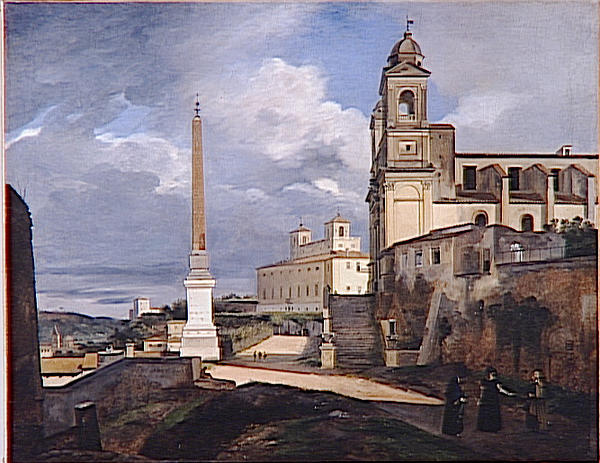
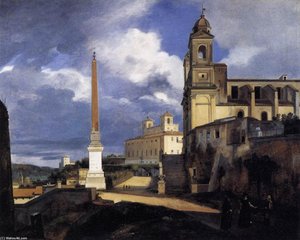
LA TRINITE DES MONTS ET LA VILLA MEDICIS A ROME


 Ver más
Giclée / Impresión de arte
Impresiones giclée o en lienzo de calidad de museo con producción rápida y opciones de acabado flexibles. ( Comprar pintura hecha a mano Comprar imagen)




P118B $10

P118H $10

P118W $10

P438Z $10

P508JH $12

P508YH $12

P805H $10

P805Z $10

P919BZ $10

P919G $10

P919XJ $10

P959ZH $10

P968JZ $12

W106C $8

W218G $10

W218JH $8

W218Y $10

W307PJ $10

W316G $10

W316PJ $8

W316Y $10

W398PJ $8

W4111J $10

W500HY $15

W500JH $15

W692G $12

W849H $8

W940BG $15

W953PJ $8




Elija entre nuestros tamaños predefinidos que respetan las proporciones originales de la obra.

Puede introducir sus propias dimensiones para adaptarse a un marco o espacio específico. Si el tamaño seleccionado no coincide con las proporciones de la imagen original, recortaremos la obra de arte o extenderemos la imagen con un borde con efecto espejo o de color sólido. Se enviará una maqueta digital para su aprobación antes de que comience la producción.
Tenga en cuenta que la vista previa en pantalla no refleja el recorte o la extensión real. Solo la maqueta mostrará con precisión la composición final.
Aunque existen tamaños personalizados, recomendamos seleccionar una dimensión de la lista predefinida para preservar las proporciones originales.
Envío a todo el mundo () en 2 semanas en lugar de las 4/5 semanas estándar. (23 agosto)

Envío exprés gratuito a todo el mundo

Lienzo de lino de alta calidad

Seguro de envío total

Garantía de reembolso de impuestos aduaneros

Garantía de fidelidad cromática exacta

Política de devolución de 60 días (solo por defectos)

Garantía de devolución del 100% del dinero

Descuento por cantidad
 La opción de vidrio solo está disponible en tamaños inferiores a 110 cm.

LA TRINITE DES MONTS ET LA VILLA MEDICIS A ROME
Giclée / Impresión de arte
Dimensiones de la reproducción
-


Precio total final
$ 62
Descripción de la pieza
François Marius Granet’s Roman Vista: A Symphony of Stone and Sky
François Marius Granet's “La Trinité des Monts et la Villa Médicis, à Rome” is more than just a picturesque landscape; it’s a carefully constructed meditation on the grandeur of ancient Rome and the burgeoning spirit of Neoclassicism. Painted in 1808 during his formative years in Italy, this work captures a specific vista overlooking the city – the imposing silhouette of the Trinità dei Monti church rising above the Villa Medici, a testament to papal power and French influence. Granet’s genius lies not merely in replicating a scene but in imbuing it with a profound sense of atmosphere, history, and restrained emotion.
The painting immediately draws the eye towards the central obelisk, a stark geometric form anchoring the composition and subtly referencing ancient Egyptian monuments – a deliberate nod to Rome’s imperial past. Granet masterfully employs linear perspective, guiding the viewer's gaze along a carefully orchestrated axis that culminates in the Villa Medici. This villa, originally built by the Médicis family, stands as a symbol of Renaissance wealth and artistic patronage, its creamy façade softened against the dramatic backdrop of the sky. The church, with its prominent dome, adds another layer of architectural complexity, representing both religious authority and civic pride. The inclusion of figures – a small group strolling along the street – provides a vital sense of scale and human presence within this monumental setting.
A Palette of Restrained Color and Atmospheric Depth
Granet’s color palette is remarkably restrained, dominated by muted grays, browns, and blues. This isn't a vibrant celebration of color; rather, it’s an exercise in tonal harmony, reflecting the diffused light of a Roman afternoon. The sky, rendered in varying shades of blue, suggests a sense of quiet contemplation, while the buildings are painted in warm beige and cream tones that evoke the weathered stone of centuries-old structures. The earthy browns and greens of the landscape provide a grounding element, preventing the composition from feeling overly formal or artificial. Notice how Granet uses subtle shifts in tone to create an illusion of depth – darker shadows accentuate the receding buildings, while lighter hues brighten the foreground elements.
Granet’s technique is characterized by visible brushstrokes, yet these are skillfully blended to achieve a remarkably smooth surface. He demonstrates a deep understanding of light and shadow, using them not just to define forms but also to create a sense of atmosphere. The foliage, while somewhat indistinct, is rendered with an awareness of texture – the rough surfaces of stone walls contrast with the softer appearance of clouds. The artist’s focus isn't on photographic realism; instead, he prioritizes capturing the *feeling* of Rome—its timelessness, its grandeur, and its subtle melancholy.
Symbolism and the Echoes of History
Beyond its purely visual appeal, “La Trinité des Monts et la Villa Médicis, à Rome” is rich in symbolic meaning. The obelisk, a symbol of power and eternity, connects the scene to ancient Egypt – the cradle of Western civilization. The presence of the church and the villa reflects the complex interplay between religion and secular power that characterized Roman society. Granet’s choice to depict this specific view—a vantage point overlooking both religious and political landmarks—suggests a broader commentary on the city's enduring legacy.
Furthermore, the painting embodies the spirit of Neoclassicism, an artistic movement that sought inspiration in the art and architecture of ancient Greece and Rome. Granet’s meticulous attention to detail, his emphasis on order and symmetry, and his restrained emotionalism are all hallmarks of this style. The work can be seen as a deliberate attempt to revive the ideals of classical antiquity—reason, beauty, and civic virtue—in the context of early 19th-century France.
A Timeless Masterpiece: A Legacy of Roman Beauty
“La Trinité des Monts et la Villa Médicis, à Rome” is a testament to François Marius Granet’s artistic skill and his deep appreciation for the beauty of Rome. It's a painting that invites contemplation, transporting the viewer to another time and place. The work’s enduring appeal lies in its ability to capture not just a specific scene but also the spirit of an entire civilization—a legacy of art, architecture, and history that continues to inspire awe and admiration today.
Obras relacionadas
Biografía del artista
Primeros Años y Comienzos Artísticos
François Marius Granet, nacido en Aix-en-Provence el 17 de diciembre de 1775, surgió de humildes comienzos. Su padre era un modesto constructor, una vida muy alejada del mundo del arte que finalmente consumiría las pasiones de su hijo. Incluso de niño, Granet poseía un intenso impulso artístico, lo que llevó a sus padres a buscarle instrucción: primero con un artista italiano de paso y luego en una escuela gratuita dirigida por M. Constantin, un respetado pintor paisajista. Esta exposición temprana sentó las bases para sus futuros empeños, aunque fueron sus experiencias durante los tumultuosos años de la Revolución Francesa lo que moldearía en primer lugar su visión artística. En 1793, Granet se unió a los voluntarios de Aix en el asedio de Toulon, no como soldado sino como decorador en el arsenal. Este período le proporcionó habilidades prácticas y un vistazo directo a las realidades del conflicto, un tema que permearía sutilmente su obra posterior. Un encuentro crucial con el joven Comte de Forbin resultó transformador; por invitación de Forbin, Granet viajó a París en 1797, ingresando al prestigioso estudio de Jacques-Louis David.El Estudio de David y el Monasterio Capuchino
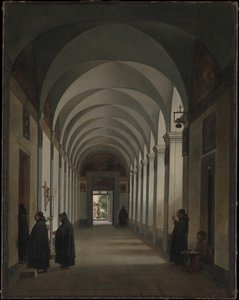
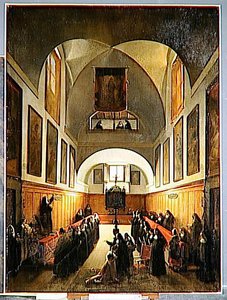
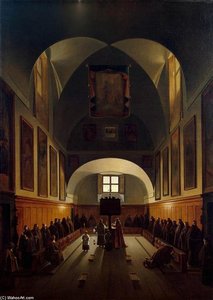
El riguroso estilo neoclásico de David influyó inicialmente en Granet, pero pronto comenzó a forjar su propio camino. Consiguió una celda dentro del antiguo monasterio capuchino, un espacio que alguna vez se utilizó para imprimir asignados revolucionarios y que se había convertido en un refugio para los artistas. Fue aquí, en medio del juego de luces y sombras en los antiguos pasillos, donde Granet concibió lo que se convertiría en la obra definitoria de su vida: “El Coro de los Capuchinos”. Se dedicó a esta pintura con compromiso inquebrantable, revisándola y perfeccionándola repetidamente durante décadas. El monasterio mismo fue más que un simple estudio; fue un entorno que impactó profundamente su sensibilidad artística. A diferencia de muchos de sus contemporáneos, quienes se centraban en grandes narrativas históricas o retratos de la élite, Granet encontró belleza y significado en la tranquila austeridad de la vida monástica, explorando la interacción entre la arquitectura, la luz y la presencia humana. Este enfoque no fue meramente estético; reflejó un interés más profundo por la espiritualidad y el paso del tiempo.Años Romanos y el Desarrollo de la Pintura Tonal
En 1802, Granet emprendió una larga estancia en Roma, un período crucial para su maduración artística. Permaneció allí hasta 1819, sumergiéndose en la herencia clásica de la ciudad y absorbiendo su atmósfera de grandeza y decadencia. Fue durante estos años que desarrolló plenamente su distintivo estilo tonal, una técnica caracterizada por sutiles gradaciones de luz y sombra, enfatizando los efectos atmosféricos sobre el detalle preciso. Sus pinturas romanas, como “Stella Pintando a una Madonna en su Pared de Prisión” (1810) y “Sodoma en el Hospital” (1815), demuestran este enfoque en evolución. No estaba interesado en recrear eventos históricos con precisión fotográfica; más bien, buscaba capturar la resonancia emocional de una escena a través de tonos y composiciones cuidadosamente orquestados. Las figuras dentro de sus obras a menudo parecen integradas en el entorno arquitectónico, casi como si fueran extensiones de la piedra y el estuco que las rodean. Este énfasis en el tono se convirtió en su sello distintivo, diferenciándolo de otros artistas del período.Carrera Tardía y Legado
Al regresar a París en 1819, Granet continuó refinando su estilo único, produciendo una serie de obras significativas incluyendo “Basílica Basse di St François d'Assise” (1823) y “La Redención de los Prisioneros” (1831). Fue nombrado director de la Académie de France en Roma en 1829, un testimonio de su creciente reputación. Sus pinturas priorizaron consistentemente la atmósfera y la profundidad emocional sobre la claridad narrativa. Incluso las obras con temas históricos o religiosos —como "Muerte de Poussin" (1834)— fueron tratadas como oportunidades para explorar efectos tonales y espacio arquitectónico. La dedicación de Granet al tono a veces atrajo críticas; algunos encontraron su obra carente de intensidad dramática, pero él se mantuvo firme en su visión artística. Fue un maestro en crear ambiente y evocar una sensación de tranquila contemplación. François Marius Granet murió en 1849, dejando tras de sí un cuerpo de trabajo que continúa cautivando a los espectadores con su belleza sutil y sensibilidad única. Su influencia se puede ver en las obras posteriores de artistas que exploraron temas similares de espiritualidad, atmósfera y la interacción entre luz y arquitectura. El Musée Granet en Aix-en-Provence, establecido tras su muerte, sirve como un tributo perdurable a su vida y logros artísticos, albergando muchas de sus pinturas más importantes y ofreciendo a los visitantes un vistazo al mundo de este notable pintor francés.
François Marius Granet
1775 - 1849 , Francia
Datos clave
- Artistic Movement Or Style: Pintura Tonal
- Artists Who Influenced This Artist: ['David']
- Date Of Birth: 17 de diciembre de 1775
- Date Of Death: 1849
- Full Name: François Marius Granet
- Nationality: Francés
- Notable Artworks:
- Coro de los Capucinos
- Stella pintando una Madonna
- Sodoma en el hospital
- Ransom de prisioneros
- Muerte de Poussin
- Place Of Birth: Aix-en-Provence, Francia
Artículos relacionados

Paisajes Románticos: 10 Obras Maestras que Definieron un Movimiento Artístico
Descubre los 10 paisajes románticos más influyentes de artistas como Caspar David Friedrich y Turner. Explora la belleza, el simbolismo y las técnicas del movimiento romántico. Reproducciones de arte exclusivas en ArtsDot.com.

Evocations of Place: A Historical Journey Through Landscape Art
Explore the rich history of landscape art with ArtsDot. Discover renowned artists, movements like Impressionism & Romanticism, and expert guidance for collecting timeless pieces. Find your perfect serene escape today!

John Constable: Las 25 Obras Maestras del Paisaje Inglés | ArtsDot
Descubre las 25 obras maestras de John Constable, el pintor romántico inglés que capturó la belleza del paisaje. Explora su técnica, historia y significado en ArtsDot.com. Reproducciones de arte de alta calidad para tu hogar.

Evoking Atmosphere & Identity: A Journey Through Landscape Painting's History
Explore the rich history of landscape painting! Discover renowned artists, movements like Romanticism, & techniques such as atmospheric perspective. Find inspiration and quality reproductions at ArtsDot.

Evocations of Place: A Historical Journey Through Landscape Art
Explore the rich history of landscape art with ArtsDot. Discover renowned artists, movements like Impressionism & tonalism, and expert guidance for collecting timeless pieces. Find your perfect serene escape today!

