

 Enviar
 Compartir
 Detalles

 Descargar
 Similares
 Presentación de diapositivas
 Stats
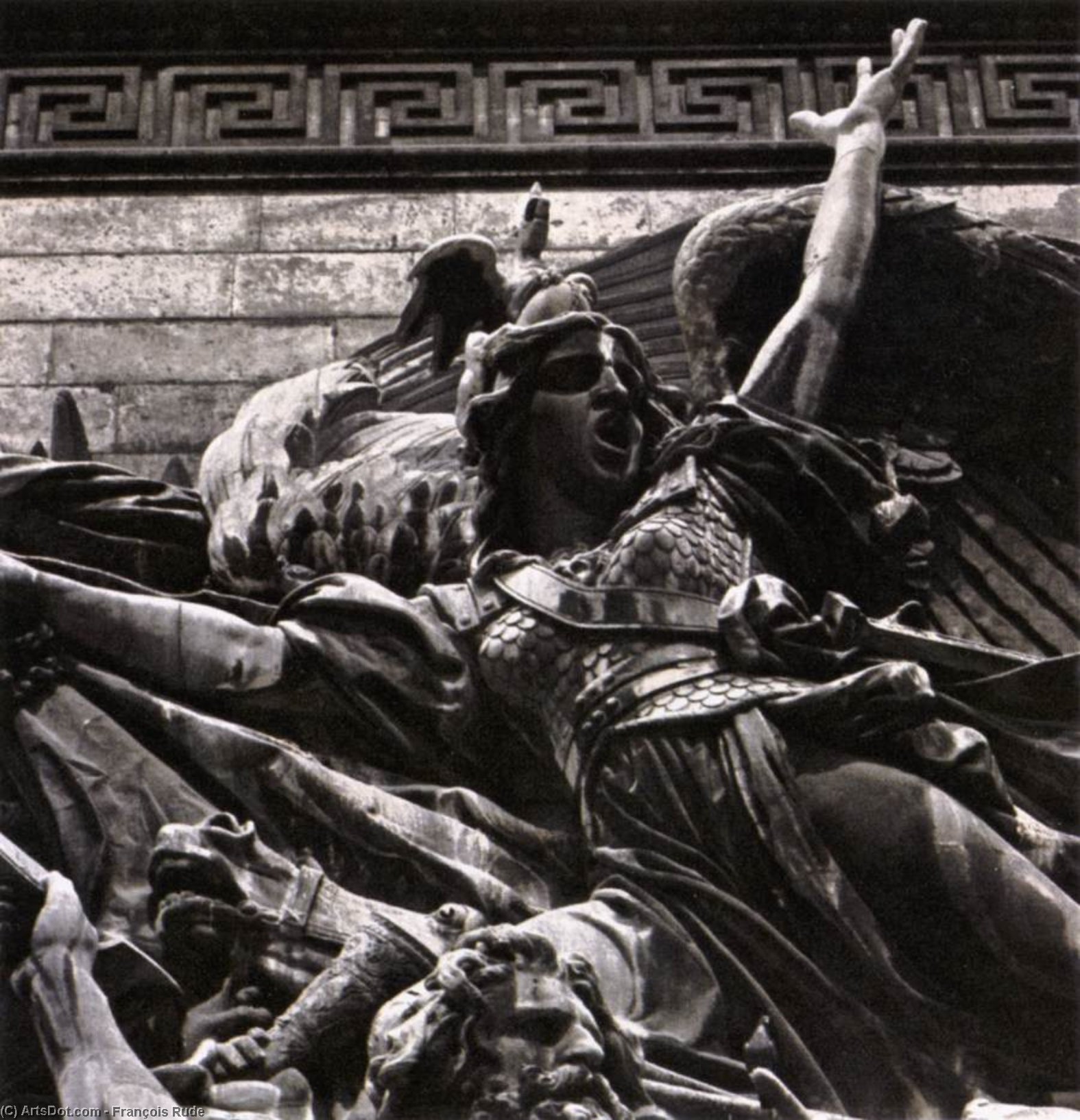
StatsMarch of the Volunteers of 1792 (detail)


 Ver más
Adquiera una imagen digital de alta resolución y optimizada, muy superior a la vista previa en línea.
Cada archivo es preparado meticulosamente por nuestros especialistas internos mediante el uso de herramientas avanzadas y un experto retoque manual. Nos aseguramos de que cada imagen posea una claridad excepcional, una precisión cromática impecable y un detalle minucioso.
El archivo final se entrega por correo electrónico en un plazo de 72 horas, optimizado para su uso inmediato en entornos profesionales, editoriales y de impresión. Esta es la misma calidad en la que confían los estudios de diseño, las editoriales y las galerías de primer nivel.
Imagen Digital
Descarga un archivo de alta resolución para exhibición personal, impresión y proyectos creativos. ( Switch to Print Comprar pintura hecha a mano)
Incluido en cada pedido de imágenes digitales
Entrega digital experta, garantizada.
Al elegir ArtsDot.com, no solo está adquiriendo una imagen; está recibiendo una obra de arte digital mejorada profesionalmente, elaborada con precisión y respaldada por una garantía de satisfacción. Esto es todo lo que incluye su pedido, automáticamente:

Entrega rápida por email
Recibirá su archivo de imagen digital en alta resolución por correo electrónico en un plazo de 72 horas tras realizar su pedido, listo para su uso inmediato.

Archivo digital optimizado por IA
Su obra de arte se optimiza profesionalmente mediante herramientas avanzadas de IA y edición manual, garantizando el máximo detalle, claridad y precisión cromática.

Reenvío gratuito de por vida
¿Has borrado o perdido tu archivo por error? No te preocupes: te lo volveremos a enviar en cualquier momento, sin coste adicional.

Sin gastos de importación, siempre
Disfrute de su obra de arte al instante sin aduanas, aranceles ni gastos de envío; las descargas digitales siempre están libres de impuestos.

Garantía de fidelidad de color
Garantizamos que su imagen digital refleje los colores originales con la mayor fidelidad posible, mediante el uso de herramientas profesionales y gestión del color.

Garantía de satisfacción de 100 días
Si no está satisfecho con su imagen digital, la revisaremos o le reembolsaremos el 100% en un plazo de 100 días, sin preguntas.

100% Garantía de devolución de dinero
¿No está satisfecho? Obtenga un reembolso completo dentro de los 100 días posteriores a la recepción de su archivo digital, sin preguntas.

Descuentos por pedidos grandes
Compra 3 imágenes, ahorra 10% - Compra 5, ahorra 15% - Compra 10+, ahorra 20%. Ideal para proyectos creativos, galerías y agencias.
The Rousing Spirit of Revolution: François Rude’s *March of the Volunteers of 1792*
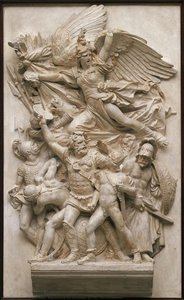
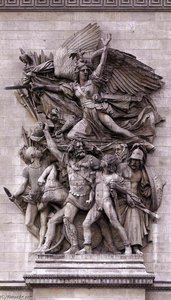
François Rude's *March of the Volunteers of 1792*, often referred to as *La Marseillaise*, is more than just a sculpture; it’s a visceral embodiment of revolutionary fervor and a cornerstone of French artistic identity. Created in 1836 for the Arc de Triomphe, an ambitious project intended to celebrate France's military triumphs, Rude masterfully harnessed the power of classical allegory to capture the spirit of the tumultuous year 1792 – a period defined by citizen armies, patriotic zeal, and the fight for liberty. The work’s enduring appeal lies not only in its dramatic scale but also in its profound ability to evoke both the urgency and the idealism of that pivotal moment in French history.
Rude, born in Dijon in 1784, possessed a keen understanding of artistic trends, moving from Neoclassicism to Romanticism. His early training under François Devosges instilled a respect for classical forms, yet he quickly developed a distinctive style characterized by dynamic movement and emotional intensity. His time in Brussels, marked by his marriage to Sophie Frémiet – herself a talented painter – provided fertile ground for experimentation and the development of his signature approach. This period saw him create a bust of Louis David, establishing his reputation as a sculptor capable of capturing both grandeur and psychological depth.
A Symphony of Movement: Technique and Composition
The sculpture’s impact is immediately felt through its monumental scale – originally intended to be even larger before being scaled down for the Arc de Triomphe. Rude employed a technique that seamlessly blends classical influences with Romantic dynamism. The figures, rendered in meticulously carved marble, are not static representations but rather caught in a moment of intense action. Observe how he uses contrapposto—a subtle shift in weight—to create a sense of naturalism and movement within the rigid forms. The composition is carefully orchestrated: a surging wave of humanity propelled forward by a female figure embodying Liberty herself. This central allegorical figure, depicted with powerful wings and a Phrygian cap – a symbol of freedom adopted during the Roman Republic – dominates the scene, her outstretched hand urging the volunteers onward.
Notice the details—the varied ages and social classes represented within the throng, the determined expressions on their faces, and the archaic weaponry they carry. Rude deliberately incorporates elements from antiquity, referencing the heroic figures of classical mythology to imbue the contemporary scene with a sense of timeless significance. The use of light and shadow further enhances the sculpture’s dramatic effect, highlighting key figures and creating a palpable sense of energy.
Symbolism and Historical Context
*La Marseillaise* is deeply rooted in the events of 1792, a year marked by significant political upheaval. The French Revolution had overthrown the monarchy, and France was embroiled in war against European powers seeking to restore the Bourbon dynasty. The “Volunteers” depicted are citizens answering the call to arms, driven by a fervent desire for liberty and national unity. The choice of a female figure representing Liberty is particularly striking; it reflects the revolutionary ideals that championed equality and popular sovereignty.
Crucially, the sculpture’s placement on the Arc de Triomphe was deliberately designed to resonate with both Republican and Royalist factions. The work's powerful imagery appealed to all segments of French society, embodying a shared commitment to national pride and the defense of the Republic. The song *La Marseillaise*, which inspired the sculpture’s title, became France’s national anthem, further cementing its place in the nation’s cultural consciousness.
Emotional Resonance and Enduring Legacy
Beyond its historical significance, *March of the Volunteers of 1792* possesses a profound emotional resonance. The sculpture captures the raw energy of revolution—the courage, determination, and sacrifice that fueled France's struggle for liberty. It’s a testament to the power of collective action and the enduring appeal of ideals such as freedom, equality, and fraternity.
Today, *La Marseillaise* remains one of the most recognizable and beloved works of French art. Its powerful imagery continues to inspire generations, serving as a potent reminder of France’s revolutionary past and its commitment to democratic values. Reproductions of this iconic sculpture are highly sought after by collectors and interior designers alike, offering a tangible connection to a pivotal moment in European history.
Obras relacionadas

Biografía del artista
Vida Temprana y Formación
- François Rude nació en Dijon, Francia, el 4 de enero de 1784, hijo de un hojalatero/cerrajero.
- Su vida temprana involucró ayudar en el oficio de su padre antes de demostrar talento artístico.
- Asistió a la École de Dessin de François Devosges en Dijon, mostrando sus habilidades emergentes.
- Bajo el patrocinio de Louis Frémiet, comenzó a estudiar con Pierre Cartellier en París en el estudio de Edme Gaulle en 1805.
- En 1809, su trabajo comenzó a ganar reconocimiento, obteniendo varios premios.
- Ganó el Prix de Rome en 1812 pero no pudo viajar debido a las condiciones políticas.
Período en Bruselas y Matrimonio
- En 1815, Rude dejó París hacia Roma pero terminó en Bruselas con los Frémiet debido a circunstancias políticas.
- Se casó con Sophie Frémiet, una pintora consumada, formando una formidable asociación artística.
- Mientras estaba en Bruselas, ejecutó su primer busto de Louis David, obteniendo un aviso significativo.
Regreso a París y Obras Principales
- Rude y su esposa regresaron a París en 1827, donde permanecieron hasta su muerte.
- Sus obras notables incluyen la estatua de un Pescador Neapolitano Jugando con una Tortuga (1831-33), expuesta en el Louvre.
- Fue comisionado para el Arco del Triunfo, creando la icónica escultura "La Marsellesa" (Salida de los Voluntarios de 1792) completada en 1836. Esta es posiblemente su obra más famosa y significativa.
- Otras esculturas importantes incluyen:
- Busto de Jacques-Louis David
- Estatua de Mauricio, Conde de Sajonia
- Cabeza de Cristo (fundición de yeso)
- Busto de James de Montry
- Hacia el final de su carrera, Dijon comisionó una escultura de mármol que representa a Hebe, la diosa griega de la juventud. Rude creó el modelo en 1852 pero murió antes de que se completara; su sobrino lo terminó.
Estilo e Influencias
- El estilo de Rude unió Neoclasicismo y Romanticismo.
- Si bien inicialmente influenciado por los principios neoclásicos, adoptó cada vez más un estilo dinámico y emocional.
- Su trabajo a menudo expresaba temas patrióticos, reflejando el clima político de su época.
- Fue influenciado por escultores anteriores como Pierre Cartellier y Edme Gaulle.
- El patrocinio de Louis Frémiet jugó un papel crucial en su desarrollo temprano.
Vida Posterior y Legado
- François Rude murió el 3 de noviembre de 1855, en París.
- Es recordado por sus esculturas poderosas y expresivas, particularmente "La Marsellesa", que sigue siendo un símbolo de la identidad nacional francesa.
- Su trabajo representa una transición de la formalidad rígida del Neoclasicismo al estilo más emotivo y dramático del Romanticismo.
- Numerosos bustos y fundiciones de sus obras se encuentran en museos como el Musée Rude, el Musée des Beaux-Arts de Dijon y el Louvre.
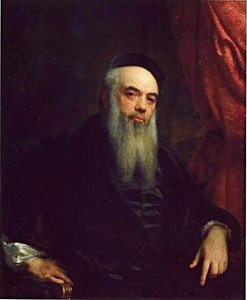
François Rude
1784 - 1855 , Francia
Breves datos
- Artistas Que Influyeron:
- Pierre Cartellier
- Edme Gaulle
- Fecha De Fallecimiento: 3 de noviembre de 1855
- Fecha De Nacimiento: 4 de enero de 1784
- Lugar De Nacimiento: Dijon, Francia
- Movimiento Artístico: Neoclasicismo y Romanticismo
- Nacionalidad: Francés
- Nombre Completo: François Rude
- Obras Notables:
- La Marsellesa
- Neoyornés pescador
- Busto de Jacques-Louis David