

 Enviar
 Compartir
 Detalles

 Descargar
 Similares
 Presentación de diapositivas
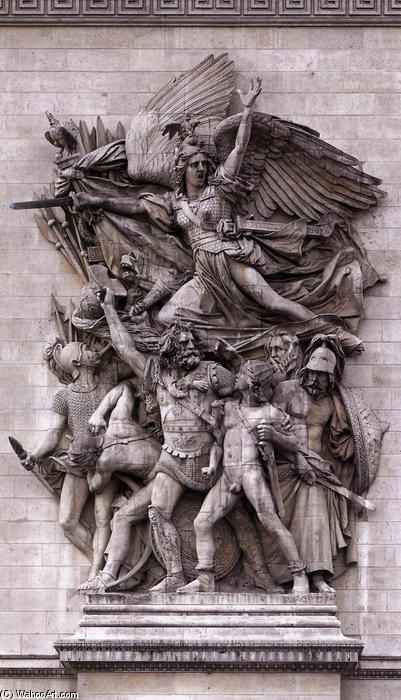
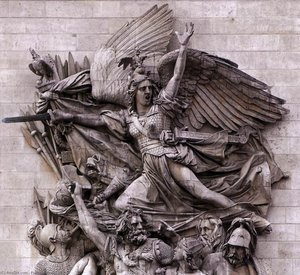
March of the Volunteers of 1792 (La Marseillaise)


 Ver más
Giclée / Impresión de arte
Impresiones giclée o en lienzo de calidad de museo con producción rápida y opciones de acabado flexibles. ( Comprar pintura hecha a mano Comprar imagen)




































Elija entre nuestros tamaños predefinidos que respetan las proporciones originales de la obra.

Puede introducir sus propias dimensiones para adaptarse a un marco o espacio específico. Si el tamaño seleccionado no coincide con las proporciones de la imagen original, recortaremos la obra de arte o extenderemos la imagen con un borde con efecto espejo o de color sólido. Se enviará una maqueta digital para su aprobación antes de que comience la producción.
Tenga en cuenta que la vista previa en pantalla no refleja el recorte o la extensión real. Solo la maqueta mostrará con precisión la composición final.
Aunque existen tamaños personalizados, recomendamos seleccionar una dimensión de la lista predefinida para preservar las proporciones originales.
Envío a todo el mundo () en 2 semanas en lugar de las 4/5 semanas estándar. (6 septiembre)

Envío exprés gratuito a todo el mundo

Lienzo de lino de alta calidad

Seguro de envío total

Garantía de reembolso de impuestos aduaneros

Garantía de fidelidad cromática exacta

Política de devolución de 100 días (solo por defectos)

Garantía de devolución del 100% del dinero

Descuento por cantidad
 La opción de vidrio solo está disponible en tamaños inferiores a 110 cm.

March of the Volunteers of 1792 (La Marseillaise)
Giclée / Impresión de arte
Dimensiones de la reproducción
-


Precio total final
$ 62
The March of Liberty: François Rude’s “La Marseillaise”
François Rude's "La Marseillaise," dramatically sculpted onto the eastern façade of Paris’s Arc de Triomphe, isn’t merely a monumental relief; it’s a visceral embodiment of revolutionary fervor and the spirit of France itself. Completed in 1836, this colossal work transcends its physical scale to become an enduring symbol of national identity, a testament to the power of collective action, and a captivating study in classical allegory infused with Romantic dynamism. Born in Dijon in 1784, Rude’s artistic journey mirrored the tumultuous shifts occurring within France – from the rigid formality of Neoclassicism to the passionate embrace of Romanticism. His early apprenticeship under François Devosges honed his technical skills, but it was his patronage by Louis Frémiet and subsequent studies with Pierre Cartellier in Paris that truly ignited his creative fire.
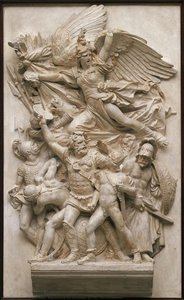
The sculpture’s subject is rooted in a pivotal moment during the French Revolution: the Battle of Valmy in 1792. The National Convention, recognizing the imminent threat posed by invading Prussian and Austrian forces, summoned the citizenry to defend the Republic. Rude masterfully captures this call to arms, depicting not a static battle scene but an eruption of patriotic energy – a surging wave of humanity propelled forward by the unwavering determination for freedom. At the sculpture’s heart stands a magnificent female figure, often interpreted as Liberty or Victory, her wings outstretched in triumphant gesture. She holds aloft a flagon overflowing with water, a potent symbol of life-giving force and purity—a direct reference to the revolutionary ideals of renewal and regeneration.
A Symphony of Movement and Emotion
Rude’s genius lies not just in his subject matter but also in his masterful execution. The relief is sculpted from limestone, meticulously carved to convey an astonishing sense of movement and dynamism. Observe how the figures are arranged – a swirling vortex of bodies, each contributing to the overall momentum. The musculature of the soldiers is rendered with remarkable realism, their faces etched with determination and urgency. The sculptor’s use of light and shadow further enhances this effect, creating a dramatic interplay that draws the viewer into the scene. Notably, Rude employed his wife, Sophie Frémiet, as a model for the central figure, imbuing her portrayal with an unparalleled sense of passion and conviction.
The composition is rich in classical allusions, yet infused with Romantic sensibilities. The figures are reminiscent of ancient Greek and Roman warriors, but their expressions and gestures betray a distinctly modern urgency. The inclusion of elements like the Phrygian cap – a symbol of liberation worn by freed slaves during the Roman Republic – adds another layer of symbolic meaning, connecting the revolutionary struggle to centuries of historical resistance against oppression. The sheer scale of the relief—measuring over 42 feet wide and 26 feet high—amplifies this impact, creating an immersive experience for the viewer.
Context and Legacy
“La Marseillaise” was commissioned during a period of political transition in France – following the Bourbon Restoration and the July Revolution of 1830. The Arc de Triomphe itself was intended to celebrate French military victories, but the sculpture’s message resonated far beyond mere glorification of war. It became a powerful symbol of national unity and republican ideals, embodying the spirit of the people rising up in defense of their liberty. The work's placement on the Arc de Triomphe ensured its constant visibility, cementing its status as one of Paris’s most iconic landmarks.
Rude’s masterpiece stands as a bridge between Neoclassicism and Romanticism, reflecting the evolving artistic landscape of 19th-century France. It's a testament to his ability to synthesize classical forms with emotional intensity, creating an artwork that continues to captivate audiences today. The sculpture’s enduring appeal lies in its universal themes – freedom, courage, and the collective will to overcome adversity—making it not just a historical artifact but a timeless expression of the human spirit.
Obras relacionadas
Biografía del artista
Vida Temprana y Formación
- François Rude nació en Dijon, Francia, el 4 de enero de 1784, hijo de un hojalatero/cerrajero.
- Su vida temprana involucró ayudar en el oficio de su padre antes de demostrar talento artístico.
- Asistió a la École de Dessin de François Devosges en Dijon, mostrando sus habilidades emergentes.
- Bajo el patrocinio de Louis Frémiet, comenzó a estudiar con Pierre Cartellier en París en el estudio de Edme Gaulle en 1805.
- En 1809, su trabajo comenzó a ganar reconocimiento, obteniendo varios premios.
- Ganó el Prix de Rome en 1812 pero no pudo viajar debido a las condiciones políticas.
Período en Bruselas y Matrimonio
- En 1815, Rude dejó París hacia Roma pero terminó en Bruselas con los Frémiet debido a circunstancias políticas.
- Se casó con Sophie Frémiet, una pintora consumada, formando una formidable asociación artística.
- Mientras estaba en Bruselas, ejecutó su primer busto de Louis David, obteniendo un aviso significativo.
Regreso a París y Obras Principales
- Rude y su esposa regresaron a París en 1827, donde permanecieron hasta su muerte.
- Sus obras notables incluyen la estatua de un Pescador Neapolitano Jugando con una Tortuga (1831-33), expuesta en el Louvre.
- Fue comisionado para el Arco del Triunfo, creando la icónica escultura "La Marsellesa" (Salida de los Voluntarios de 1792) completada en 1836. Esta es posiblemente su obra más famosa y significativa.
- Otras esculturas importantes incluyen:
- Busto de Jacques-Louis David
- Estatua de Mauricio, Conde de Sajonia
- Cabeza de Cristo (fundición de yeso)
- Busto de James de Montry
- Hacia el final de su carrera, Dijon comisionó una escultura de mármol que representa a Hebe, la diosa griega de la juventud. Rude creó el modelo en 1852 pero murió antes de que se completara; su sobrino lo terminó.
Estilo e Influencias
- El estilo de Rude unió Neoclasicismo y Romanticismo.
- Si bien inicialmente influenciado por los principios neoclásicos, adoptó cada vez más un estilo dinámico y emocional.
- Su trabajo a menudo expresaba temas patrióticos, reflejando el clima político de su época.
- Fue influenciado por escultores anteriores como Pierre Cartellier y Edme Gaulle.
- El patrocinio de Louis Frémiet jugó un papel crucial en su desarrollo temprano.
Vida Posterior y Legado
- François Rude murió el 3 de noviembre de 1855, en París.
- Es recordado por sus esculturas poderosas y expresivas, particularmente "La Marsellesa", que sigue siendo un símbolo de la identidad nacional francesa.
- Su trabajo representa una transición de la formalidad rígida del Neoclasicismo al estilo más emotivo y dramático del Romanticismo.
- Numerosos bustos y fundiciones de sus obras se encuentran en museos como el Musée Rude, el Musée des Beaux-Arts de Dijon y el Louvre.
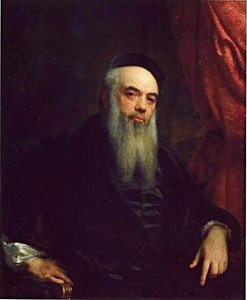
François Rude
1784 - 1855 , Francia
Datos clave
- Artistas Que Influyeron:
- Pierre Cartellier
- Edme Gaulle
- Fecha De Fallecimiento: 3 de noviembre de 1855
- Fecha De Nacimiento: 4 de enero de 1784
- Lugar De Nacimiento: Dijon, Francia
- Movimiento Artístico: Neoclasicismo y Romanticismo
- Nacionalidad: Francés
- Nombre Completo: François Rude
- Obras Notables:
- La Marsellesa
- Neoyornés pescador
- Busto de Jacques-Louis David
Artículos relacionados

Goya: Las 25 Obras Maestras del Genio Español | Reproducciones de Arte en ArtsDot
Descubre las 25 obras maestras de Goya, el genio español. Explora retratos icónicos, 'Los Caprichos' y 'Las Pinturas Negras'. Reproducciones de arte en lienzo de alta calidad para decorar tu hogar con estilo. ¡Encuentra tu obra favorita en ArtsDot.com!

Acerca de nosotros
Descubre nuestra historia! Llevamos el arte de clase mundial a tu vida gracias a una selección experta, creaciones personalizadas y vistas previas gratuitas. Aprobado por particulares y empresas desde el año 2000.
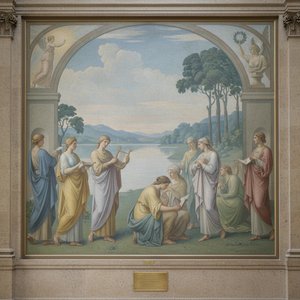
Pierre Puvis de Chavannes: Symbolism, Mural Painting, and the Pursuit of Ideal Beauty
Explore the life & work of Pierre Puvis de Chavannes, a pivotal Symbolist painter renowned for his monumental murals. Discover his aesthetic principles, key artworks like 'Hope,' and lasting influence on modern art. A deep dive into 19th-century French painting.
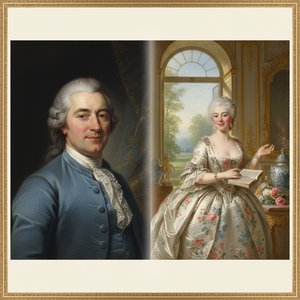
Maurice Quentin de La Tour: Light, Shadow & the Rococo Portrait
Explore the captivating world of Maurice Quentin de La Tour, a master of Rococo portraiture. Discover his innovative pastel techniques, intimate depictions of French aristocracy, and lasting artistic legacy. Learn more at ArtsDot.
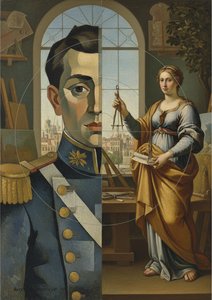
Roger de la Fresnaye: Cubism, Tradition & the Search for Order in Early 20th-Century French Painting
Explore the captivating world of Roger de la Fresnaye, a pivotal French Cubist painter. Discover his unique blend of tradition & modernity, influences, and lasting legacy with ArtsDot.