 Ver en contexto
 Enviar
 Compartir
 Detalles

 Descargar
 Similares
 Radiografía
 Presentación de diapositivas
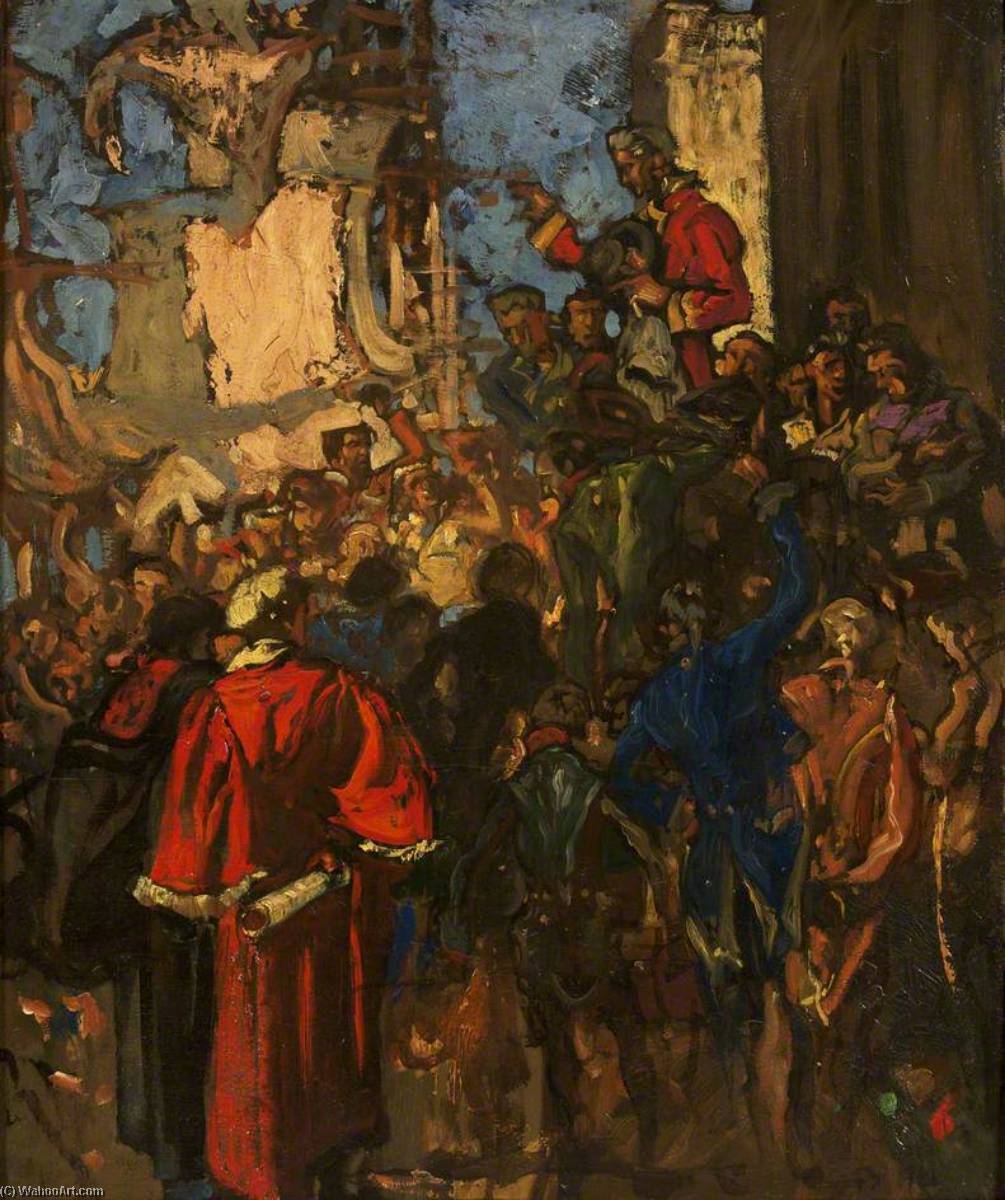
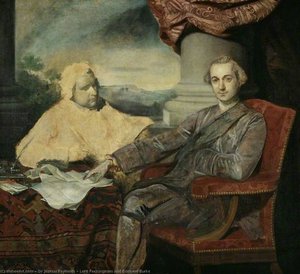
The Chairing of Edmund Burke in 1774
 Oil On Panel
- Arts & Crafts
 1921
1921 54.0 x 45.0 cm
 Museo de Bristol - Galería de Arte
 Ver más
Reproducción al óleo hecha a mano
Óleo sobre lienzo pintado a mano en el tamaño y marco de su elección, realizado por encargo por nuestros artistas. ( Comprar impresión Comprar imagen)




P118B $10

P118H $10

P118W $10

P438Z $10

P508JH $12

P508YH $12

P805H $10

P805Z $10

P919BZ $10

P919G $10

P919XJ $10

P959ZH $10

P968JZ $12

W106C $8

W218G $10

W218JH $8

W218Y $10

W307PJ $10

W316G $10

W316PJ $8

W316Y $10

W398PJ $8

W4111J $10

W500HY $15

W500JH $15

W692G $12

W849H $8

W940BG $15

W953PJ $8




Elija entre nuestros tamaños predefinidos que respetan las proporciones originales de la obra.

Puede ingresar sus propias dimensiones para adaptarse a un marco o espacio específico. Si el tamaño seleccionado no coincide con las proporciones de la imagen original, recortaremos la obra o extenderemos la pintura con elementos adicionales pintados a mano. Se le enviará una maqueta digital para su aprobación antes de comenzar la producción.
Tenga en cuenta que la vista previa en pantalla no refleja el recorte o la extensión reales. Solo la maqueta mostrará con precisión la composición final.
Si bien existen tamaños personalizados, recomendamos seleccionar una dimensión de la lista predefinida para preservar las proporciones originales.
Tras realizar el pedido, el equipo de ArtsDot.com enviará un correo electrónico al cliente para solicitar instrucciones y proporcionarle una vista previa del boceto.
Envío a todo el mundo () en 3-4 semanas en lugar de las 5 semanas estándar. (31 agosto). Sin comprometer la calidad.

Envío exprés gratuito a todo el mundo

Lienzo de lino de alta calidad

Seguro de envío total

Garantía de reembolso de impuestos aduaneros

Garantía de fidelidad cromática exacta

Política de devolución de 60 días (solo por defectos)

Garantía de devolución del 100% del dinero

Descuento por cantidad
 La opción de vidrio solo está disponible en tamaños inferiores a 110 cm.

The Chairing of Edmund Burke in 1774
Técnica de reproducción
Dimensiones de la reproducción
-


Precio total final
$ 263
The Chairing of Edmund Burke in 1774 – A Tableau of Political Turmoil
Frank Brangwyn’s “The Chairing of Edmund Burke in 1774” is more than just a depiction of a historical event; it's a vibrant, almost theatrical rendering of political upheaval and the burgeoning spirit of dissent. Painted in 1921, this oil on panel captures a pivotal moment – the public humiliation and symbolic “chairing” of Burke, a prominent Member of Parliament, following his controversial speech against the Stamp Act. The scene unfolds within a bustling London streetscape, rendered with Brangwyn’s signature blend of meticulous detail and expressive brushwork. The composition is dynamic, pulling the viewer into the heart of the commotion, where Burke, seated in an ornate chair, is surrounded by a throng of onlookers – some supportive, others openly hostile. The sheer energy of the crowd, their faces etched with varying degrees of outrage and curiosity, immediately establishes a sense of dramatic tension.
Brangwyn’s style leans heavily into the Orientalist tradition he was known for, yet here it's skillfully adapted to portray a distinctly British scene. He employs a rich, layered palette – deep reds, browns, and ochres dominate, creating an atmosphere of both warmth and intensity. The use of light is particularly masterful; it’s not uniformly bright but strategically applied to highlight key figures and areas of interest, drawing the eye to Burke's stoic expression and the faces in the crowd. Notice how he uses subtle gradations of color to suggest depth and movement within the densely packed scene – a testament to his technical skill.
A Portrait of a Political Dissenter
Edmund Burke himself is presented with remarkable dignity amidst the chaos. He’s not depicted as a victim, but rather as a man of principle, calmly enduring public censure. The chair itself—a symbol of humiliation and forced silence—becomes a focal point, emphasizing his position as a voice challenging established authority. The figures surrounding him are equally compelling; some wear expressions of fervent support, brandishing pamphlets and banners, while others display open hostility, their faces contorted with anger. This juxtaposition highlights the deep divisions within British society at the time – a period marked by intense debate over taxation, representation, and the future of the empire.
The historical context is crucial to understanding the painting’s significance. Burke's speech, delivered in 1774, argued against the Stamp Act, advocating for colonial rights and challenging the notion of parliamentary supremacy. His stance resonated with many colonists and fueled the growing movement towards independence. “The Chairing” wasn’t simply a public shaming; it was a deliberate attempt by the British government to silence dissent and intimidate opposition. Brangwyn's painting serves as a powerful visual record of this moment in history, capturing not just the event itself but also the underlying political tensions that were shaping the course of events.
Symbolism and Artistic Technique
Beyond its historical subject matter, “The Chairing of Edmund Burke” is rich in symbolic detail. The horse-drawn carriages, the elaborate clothing of some onlookers, and even the positioning of the figures all contribute to a complex visual narrative. Brangwyn’s meticulous attention to detail extends beyond mere representation; he uses his brushwork to convey emotion and atmosphere. Observe how he employs loose, expressive strokes in the depiction of the crowd, contrasting them with more controlled, precise rendering of Burke himself. This technique effectively communicates the sense of chaos and control within the scene.
The painting’s composition is carefully balanced, creating a dynamic yet stable image. The diagonal lines created by the street and the figures contribute to this sense of movement, while the central placement of Burke anchors the composition and draws the viewer's attention. Furthermore, Brangwyn’s use of color—particularly the vibrant reds and browns—evokes a sense of drama and intensity, reflecting the emotional turmoil at the heart of the scene. The inclusion of several horses adds to the overall feeling of movement and excitement.
A Timeless Reflection on Power and Protest
“The Chairing of Edmund Burke in 1774” remains a compelling work of art because it transcends its historical context. It’s not simply a portrait of a political event; it's an enduring meditation on power, protest, and the struggle for freedom. Brangwyn masterfully captures the energy and complexity of this pivotal moment in British history, creating an image that continues to resonate with viewers today. Reproductions of this painting offer a remarkable opportunity to bring this dramatic scene into any space, serving as a potent reminder of the importance of dissent and the enduring power of visual storytelling.
Obras relacionadas
Biografía del artista
Primeros Años y Formación
- Nacimiento: Brujas, Bélgica (1867) – Registrado como Guillaume François
- Fallecimiento: 1956
- Antecedentes Familiares: Hijo de William Curtis Brangwyn, un diseñador exitoso, y Eleanor Griffiths. Su padre se mudó a Bélgica después de ganar un concurso para diseñar una iglesia parroquial.
- Educación Temprana: Asistió a la Escuela Secundaria de Westminster. Con frecuencia faltaba a clases para pasar tiempo en el taller de su padre o en el Museo de Kensington Sur.
- Aprendizajes: Se hizo aprendiz brevemente con Arthur Heygate Mackmurdo y William Morris, inicialmente como vidriero antes de trabajar en bordado y papel tapiz.
- Primer Reconocimiento: Su pintura "Funeral en el Mar" ganó una medalla en el Salón de París de 1891, solidificando su compromiso de convertirse en artista.
Desarrollo Artístico y Estilo
- Temas Iniciales: Se centró principalmente en temas tradicionales que representaban el mar y la vida marítima.
- Influencia Orientalista: Los viajes a Constantinopla (Estambul), España, Egipto, Turquía y Marruecos en la década de 1890 influyeron significativamente en su obra, lo que llevó a una paleta más brillante y a la exploración de temas orientalistas.
- Versatilidad: Brangwyn fue un artista excepcionalmente versátil que trabajó en diversos medios, incluyendo pintura, dibujo, grabado, ilustración, diseño de vidrieras, diseño de muebles, cerámica y diseño de interiores.
- Producción Prolífica: Se estima que produjo más de 12,000 obras a lo largo de su carrera, abarcando pinturas, dibujos, grabados, xilografías, litografías, diseños arquitectónicos y más.
- Comisiones de Murales: Famoso por las comisiones de murales a gran escala caracterizadas por colores vibrantes y representaciones detalladas de plantas y animales, aunque las obras posteriores se volvieron más planas en estilo.
Logros Destacados y Obras Notables
- Comisión de la Galería l'Art Nouveau (1895): Siegfried Bing lo encargó para decorar el exterior de su galería parisina, lo que llevó a trabajar en varios campos de las artes decorativas.
- Trabajo de Ilustración: Ilustró una reimpresión de seis volúmenes de la traducción de "Las Mil y Una Noches" de Edward William Lane en 1896.
- Colaboraciones: Colaboró con el artista japonés Urushibara Mokuchu en una serie de grabados en madera.
- Pinturas Notables:
- “Funeral en el Mar” (1890) – Ganó una medalla en el Salón de París de 1891.
- "El Cuerno de Oro, Constantinopla" - Una obra más brillante y colorida en comparación con "Funeral en el Mar".
- “Músicos Árabes”
- “La Asunción de Edmund Burke en 1774”
- “Begonias” (1920) – Conocido por su realismo texturizado y paleta cálida.
Influencias y Significado Histórico
- William Morris y el Movimiento Arts and Crafts: El aprendizaje inicial con William Morris lo expuso a los principios del movimiento Arts and Crafts, que enfatizaba la artesanía y la integración del diseño.
- Orientalismo: Sus viajes y exposición a las culturas de Oriente Medio influyeron fuertemente en su estilo artístico y temática.
- Reconocimiento: Recibió reconocimiento de críticos continentales y estadounidenses por sus diseños decorativos, aunque los críticos británicos a veces le costaba categorizarlo.
- Legado: La prolífica producción y versatilidad de Brangwyn lo establecieron como una figura significativa en el arte de finales del siglo XIX y principios del XX, uniendo la brecha entre la pintura tradicional y el diseño moderno. Sus murales y obras decorativas dejaron un impacto duradero en el panorama artístico británico.
Vida Personal
- Relaciones: Tuvo una aventura con Ellen Kate Chesterfield, lo que resultó en un hijo, James Barron Chesterfield-Brangwyn.
- Matrimonio: Se casó con Lucy Ray (enfermera) en 1896; no tuvieron hijos.
- Residencias: Vivió en Temple Lodge, Hammersmith, Londres de 1900 a 1937/38 y más tarde compró The Jointure, Ditchling, Sussex en 1918.
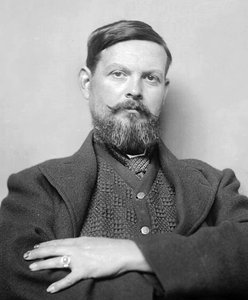
Frank Brangwyn
1867 - 1956 , Bélgica
Datos clave
- Artistas Que Influyeron:
- William Morris
- Arthur Mackmurdo
- Fecha De Fallecimiento: 11 de junio de 1956
- Fecha De Nacimiento: 12 de mayo de 1867
- Lugar De Nacimiento: Brujas, Bélgica
- Movimiento Artístico: Arts and Crafts, Orientalismo
- Nacionalidad: Anglo-galés
- Nombre Completo: Sir Frank William Brangwyn
- Obras Notables:
- Funeral en el Mar
- El Cuerno de Oro
- Músicos Árabes
- La Asunción de Burke
- Begonias
Artículos relacionados
Frank Brangwyn: A Life Immersed in Colour, Craft & the Spirit of Modern British Art
Explore the vibrant life & prolific work of Frank Brangwyn, a master of British art. Discover his stunning paintings, designs, and monumental Empire Panels – a celebration of colour, craft, and artistic innovation.
Las 10 Obras Maestras al Óleo sobre Panel que Transformaron la Historia del Arte |
Descubre las 10 obras maestras al óleo sobre panel que revolucionaron la historia del arte. Explora a Jan van Eyck, Botticelli y otros genios renacentistas. Reproducciones de arte exclusivas en para transformar tu hogar.
Oil on Panel: A Historical Survey of Technique, Support & Aesthetic Evolution
Explore the rich history of oil on panel painting! Discover Renaissance techniques, support structures & aesthetic evolution. Expert insights for art collectors and enthusiasts.
El Enduring Legado de la Tabla: Una Revisión Histórica de la Técnica, el Soporte y el Impacto Estético del Óleo sobre Madera
Descubre la fascinante historia de la pintura sobre tabla y óleo sobre madera. Explora técnicas ancestrales, artistas clave del Renacimiento y consejos para conservar estas obras maestras. ¡Un viaje por el legado artístico!

The Enduring Legacy of Oil on Canvas: Technique, History & Aesthetic Impact
Explore the rich history & techniques of oil painting – from Renaissance masters to Impressionism. Discover pigments, layering methods, and why this timeless medium endures. Expert insights for artists & art enthusiasts.