 Vista previa
 Compartir
 Compartir
 Ver detalles

 Descargar
 Ver similares
 Radiografía
 Presentación de diapositivas
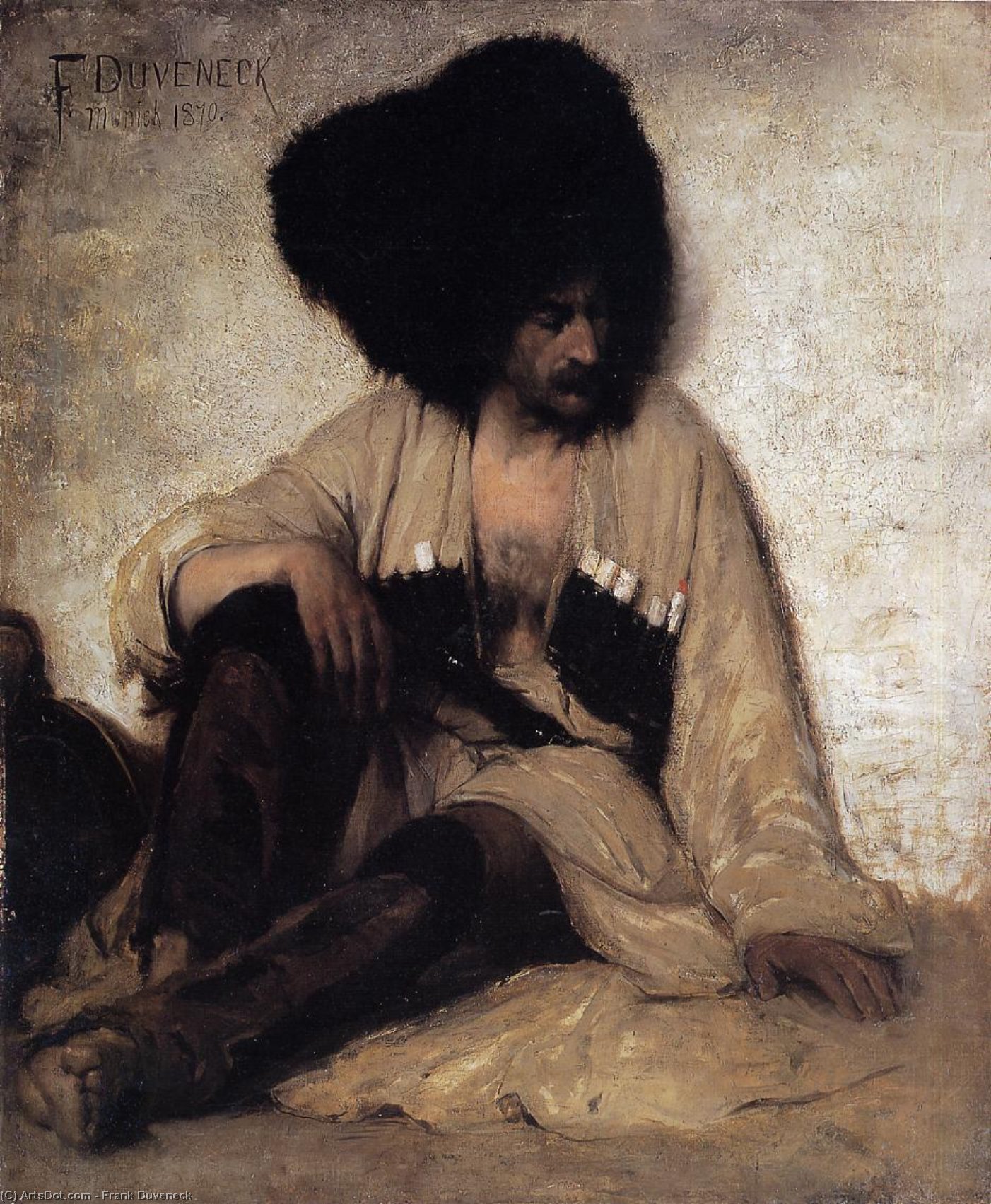
Caucasian Soldier


 Leer más
Reproducción al óleo hecha a mano
Óleo sobre lienzo pintado a mano en el tamaño y marco de su elección, realizado por encargo por nuestros artistas. ( Pedir impresión Comprar descarga)




P118B $10

P118H $10

P118W $10

P438Z $10

P508JH $12

P508YH $12

P805H $10

P805Z $10

P919BZ $10

P919G $10

P919XJ $10

P959ZH $10

P968JZ $12

W106C $8

W218G $10

W218JH $8

W218Y $10

W307PJ $10

W316G $10

W316PJ $8

W316Y $10

W398PJ $8

W4111J $10

W500HY $15

W500JH $15

W692G $12

W849H $8

W940BG $15

W953PJ $8




Elija entre nuestros tamaños predefinidos que respetan las proporciones originales de la obra.

Puede ingresar sus propias dimensiones para adaptarse a un marco o espacio específico. Si el tamaño seleccionado no coincide con las proporciones de la imagen original, recortaremos la obra o extenderemos la pintura con elementos adicionales pintados a mano. Se le enviará una maqueta digital para su aprobación antes de comenzar la producción.
Tenga en cuenta que la vista previa en pantalla no refleja el recorte o la extensión reales. Solo la maqueta mostrará con precisión la composición final.
Si bien existen tamaños personalizados, recomendamos seleccionar una dimensión de la lista predefinida para preservar las proporciones originales.
Tras realizar el pedido, el equipo de ArtsDot.com enviará un correo electrónico al cliente para solicitar instrucciones y proporcionarle una vista previa del boceto.
Envío a todo el mundo () en 3-4 semanas en lugar de las 5 semanas estándar. (20 agosto). Sin comprometer la calidad.

Envío exprés gratuito a todo el mundo

Lienzo de lino de alta calidad

Seguro de envío completo

Garantía de reembolso de aranceles aduaneros

Garantía de fidelidad cromática exacta

Política de devolución de 60 días (solo por defectos)

Garantía de devolución del 100% del dinero

Oferta por volumen
 La opción de vidrio solo está disponible en tamaños inferiores a 110 cm.

Caucasian Soldier
Técnica de reproducción
Tamaño de la reproducción
-


Precio total
$ 263
Descripción de la obra
A Soulful Portrait: Frank Duveneck’s “Caucasian Soldier”
Frank Duveneck's "Caucasian Soldier," painted in 1870, is more than just a portrait; it’s a poignant distillation of hardship, resilience, and the quiet dignity of an individual caught within the currents of history. This arresting image, rendered in a style deeply rooted in the academic tradition yet imbued with a strikingly modern sensibility, invites us to contemplate themes of displacement, identity, and the weight of experience. The painting immediately draws the eye to its subject – a man of imposing stature, dominated by a magnificent, almost defiant afro that speaks volumes about his heritage and inner strength. His expression is one of profound melancholy, a subtle sadness that hints at untold stories and burdens carried with quiet grace.
Duveneck’s technique is masterful in its restraint and detail. He employs a realistic approach reminiscent of the 19th-century academic style, characterized by meticulously rendered features and a subdued color palette. Yet, he avoids mere imitation, injecting a palpable sense of immediacy into the scene. The artist's brushstrokes are visible, lending texture to the fabric of his clothing and the contours of his face – a deliberate choice that emphasizes the physicality of the subject and imbues the painting with a tactile quality. Notice how light is used—softly diffused, it casts gentle shadows that sculpt the man’s features, adding depth and volume without resorting to dramatic contrasts. The background, deliberately blurred and indistinct, serves not as a distraction but rather as a framing device, intensifying our focus on the solitary figure at the heart of the composition.
The Context of Conflict: A Soldier's Story
“Caucasian Soldier” emerged during a turbulent period in Russian history – the protracted Caucasian War (1834-1859). This conflict pitted the Russian Empire against various Caucasian peoples, including Chechens, Circassians, and Dagestanis, who fiercely resisted subjugation. The painting captures a moment of quiet contemplation amidst this ongoing struggle, offering a glimpse into the lives of those caught in the crossfire of imperial ambition. The subject himself is likely a soldier – perhaps a Circassian or another ethnic group involved in the conflict – conveying a sense of displacement and vulnerability. It’s important to note that Duveneck's work frequently engaged with themes of marginalization and social injustice, reflecting the realities faced by many individuals during this era.
Further research reveals that Frank Duveneck was deeply affected by his own family history, particularly the death of his father at a young age. This early loss undoubtedly shaped his artistic vision, fostering a sensitivity to human suffering and a desire to capture the complexities of the human condition. The painting’s somber mood and introspective gaze can be interpreted as an echo of this personal experience, lending it a profound emotional resonance.
Symbolism and Emotional Impact
The symbolism within “Caucasian Soldier” is layered and evocative. The man's posture—slumped slightly, his head bowed—suggests weariness, resignation, or perhaps even grief. His afro, a striking feature that defies conventional notions of beauty in the context of the time, can be seen as a symbol of cultural pride, resilience, and resistance against imposed norms. It’s a powerful visual statement asserting identity amidst adversity. The muted color palette—dominated by browns, grays, and ochres—reinforces the painting's mood of melancholy and quiet contemplation.
Ultimately, “Caucasian Soldier” is a deeply moving work that transcends its historical context to speak to universal themes of loss, displacement, and the enduring strength of the human spirit. It’s a testament to Duveneck’s artistic skill and his ability to capture not just likeness but also emotion—a rare and valuable achievement.
A Legacy in Oil: Reproduction & Appreciation
Reproductions of “Caucasian Soldier” offer an accessible way to experience the power and beauty of this remarkable painting. ArtsDot.com provides high-quality reproductions that faithfully capture Duveneck’s masterful technique and evocative imagery. Consider a custom print on canvas or archival paper – a tangible connection to a pivotal moment in art history and a poignant reflection on the human condition. The original, created with oil paints on canvas, showcases a rich layering of paint, creating texture and depth that is beautifully replicated in modern reproductions.
Explore the full artwork details at http://www.davidrumsey.com/amica/ for a deeper dive into its history, provenance, and artistic significance. Don’t miss the opportunity to own a piece of art that speaks volumes about resilience, identity, and the enduring power of human emotion.
Obras relacionadas
Biografía del artista
Primeros años y formación
Frank Duveneck, cuyo nombre de nacimiento era Frank Decker, nació el 9 de octubre de 1848 en Covington, Kentucky. Su padre, Bernhard Decker, un inmigrante alemán, falleció cuando Frank tenía solo un año de edad, y su madre se casó más tarde con Joseph "Squire" Duveneck. Esta herencia influiría significativamente en el estilo artístico de Duveneck. A los 15 años, Duveneck comenzó a estudiar arte bajo la tutela del pintor local Johann Schmitt y fue aprendiz de una empresa alemana de decoradores de iglesias. Esta temprana exposición sentó las bases para su éxito futuro.Evolución artística y obras notables
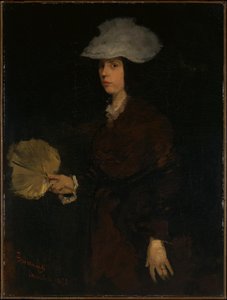
En 1869, Duveneck viajó a Múnich para estudiar con Wilhelm von Diez y Wilhelm Leibl en la Real Academia de Múnich. Este período marcó un cambio fundamental en su estilo, adoptando un enfoque oscuro, realista y directo de la pintura. Algunas de las obras más celebradas de Duveneck incluyen:- Lady with Fan (1873), que muestra su deuda con la paleta oscura y el pincelado cortante de Frans Hals.
- The Whistling Boy (1872), otro ejemplo de su estilo temprano y expresivo.
- The Cobbler's Apprentice (1877), óleo sobre lienzo, actualmente en el Taft Museum of Art en Cincinnati, Ohio.
Enseñanza y legado
En 1878, Duveneck abrió una escuela en Múnich y más tarde en Polling, Baviera. Sus alumnos, conocidos como los "chicos de Duveneck", incluyeron a John Twachtman, Otto Bacher, Julius Rolshoven y John White Alexander. Después de regresar a América, Duveneck enseñó en la Academia de Arte de Cincinnati. Entre sus alumnos notables se encontraron Ida Holterhoff Holloway, John Christen Johansen, M. Jean McLane, Edward Charles Volkert, Russel Wright, Charles Mills, Herman y Bessie Wessel.Vida posterior y fallecimiento
Duveneck falleció el 3 de enero de 1919 en Covington, Kentucky. Su obra se puede encontrar en varios museos, incluyendo el Museo Metropolitano de Arte en Nueva York, la Galería Nacional de Arte en Washington, D.C., y el Museo de Arte de Cincinnati.Influencias e importancia histórica
Duveneck fue influenciado por artistas como Frans Hals y Gustave Courbet, adoptando su realismo directo y pinceladas expresivas. Su estilo oscuro y su enfoque en la representación de la vida cotidiana lo convirtieron en una figura clave del realismo americano. Su enseñanza tuvo un impacto significativo en el desarrollo de varios artistas importantes, consolidando su legado como un mentor influyente y un artista innovador que ayudó a moldear el panorama artístico estadounidense del siglo XIX. Su capacidad para capturar la esencia humana con pinceladas audaces y una paleta rica lo distingue como uno de los pintores más importantes de su época.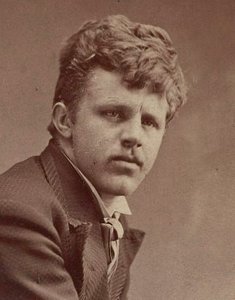
Frank Duveneck
1848 - 1919 , Estados Unidos de América
Datos clave
- Artistas Que Influyeron:
- Frans Hals
- Gustave Courbet
- Fecha De Fallecimiento: 3 de enero de 1919
- Fecha De Nacimiento: 9 de octubre de 1848
- Influenciado A Artistas:
- John Twachtman
- Otto Bacher
- Lugar De Nacimiento: Covington, Estados Unidos
- Movimiento Artístico: Realismo americano
- Nacionalidad: Estadounidense
- Nombre Completo: Frank Duveneck
- Obras Notables:
- Lady with Fan (1873)
- The Whistling Boy (1872)
- The Cobbler's Apprentice (1877)
Artículos relacionados

The Enduring Legacy of Oil on Canvas: Technique, History & Aesthetic Impact
Explore the rich history & techniques of oil painting – from Renaissance masters to Impressionism. Discover pigments, layering methods, and why this timeless medium endures. Expert insights for artists & art enthusiasts.

El Óleo sobre Lienzo: Historia, Técnica y la Persistencia de un Medio Artístico Atemporal
Descubre la historia y técnica del óleo sobre lienzo. Explora reproducciones fieles hechas a mano, personalización artística y consejos de expertos con ArtsDot. ¡Colecciona arte con confianza!

The Enduring Power of Painting: A Historical & Contemporary Exploration of Form and Emotion
Explore the rich history & enduring techniques of oil painting with ArtsDot. Discover masterpieces, learn about art collecting, and find authentic handmade reproductions crafted by skilled artists.

El Siglo XIX en el Arte: 10 Obras Maestras para Decorar con Historia y Estilo
Descubre 10 obras maestras del siglo XIX: Monet, Goya y más. Explora el impresionismo, realismo y romanticismo que definieron una época. Encuentra reproducciones de arte exclusivas para decorar tu hogar con estilo en ArtsDot.com.

El Legado Duradero del Óleo sobre Lienzo: Técnica, Historia y Práctica Contemporánea
Descubre la historia y técnica del óleo sobre lienzo. Explora reproducciones fieles hechas a mano, personalización artística y consejos de expertos con .