

 Ver en contexto
 Enviar
 Compartir
 Detalles

 Descargar
 Similares
 Radiografía
 Presentación de diapositivas
 Estadísticas
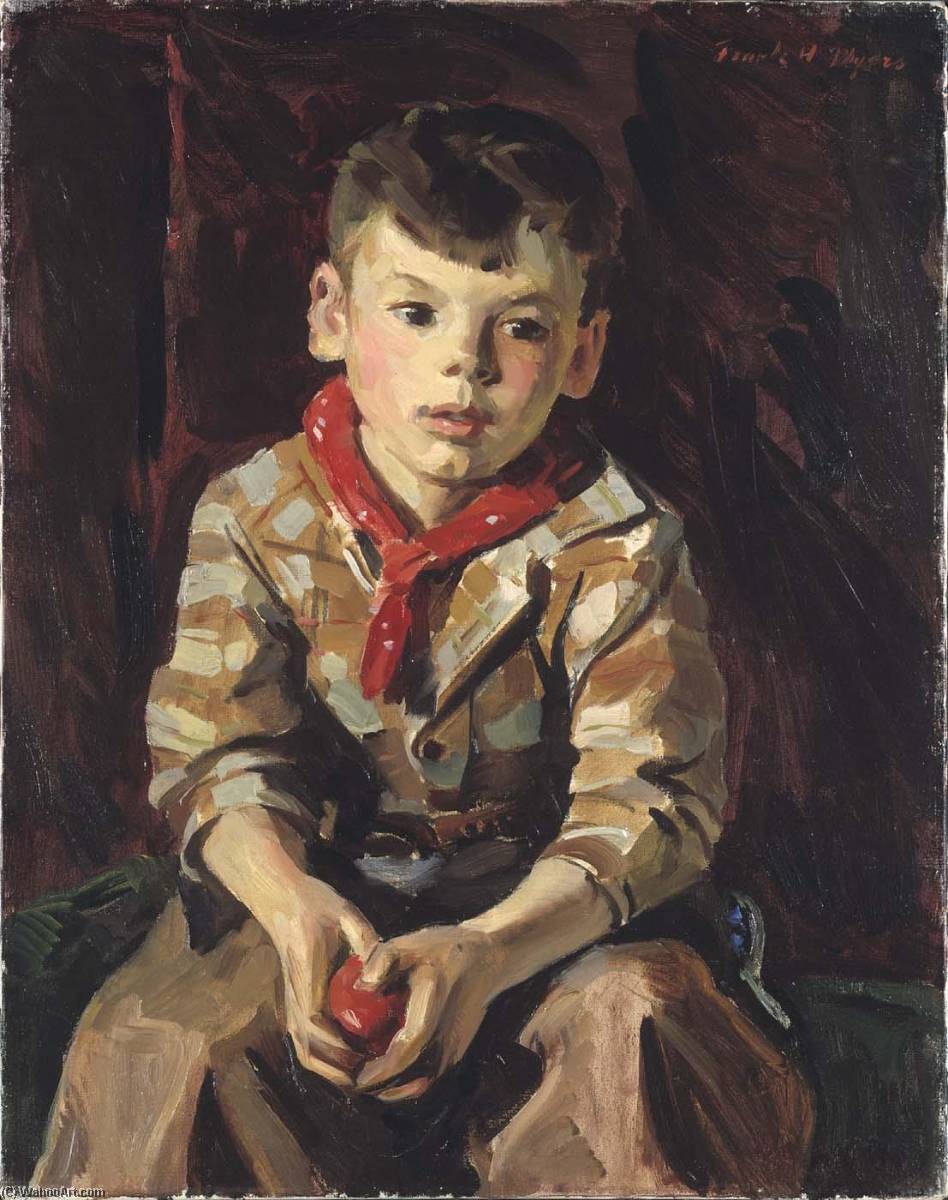
Sunny Jim
 1937
1937 72.0 x 57.0 cm
 Ver más
Adquiera una imagen digital de alta resolución y optimizada, muy superior a la vista previa en línea.
Cada archivo es preparado meticulosamente por nuestros especialistas internos mediante el uso de herramientas avanzadas y un experto retoque manual. Nos aseguramos de que cada imagen posea una claridad excepcional, una precisión cromática impecable y un detalle minucioso.
El archivo final se entrega por correo electrónico en un plazo de 72 horas, optimizado para su uso inmediato en entornos profesionales, editoriales y de impresión. Esta es la misma calidad en la que confían los estudios de diseño, las editoriales y las galerías de primer nivel.
Imagen Digital
Descarga un archivo de alta resolución para exhibición personal, impresión y proyectos creativos. ( Cambiar a Impresión Comprar pintura hecha a mano)
Incluido en cada pedido de imágenes digitales
Entrega digital experta, garantizada.
Al elegir ArtsDot.com, no solo está adquiriendo una imagen; está recibiendo una obra de arte digital mejorada profesionalmente, elaborada con precisión y respaldada por una garantía de satisfacción. Esto es todo lo que incluye su pedido, automáticamente:

Entrega rápida por email
Recibirá su archivo de imagen digital en alta resolución por correo electrónico en un plazo de 72 horas tras realizar su pedido, listo para su uso inmediato.

Archivo digital optimizado por IA
Su obra de arte se optimiza profesionalmente mediante herramientas avanzadas de IA y edición manual, garantizando el máximo detalle, claridad y precisión cromática.

Reenvío gratuito de por vida
¿Has borrado o perdido tu archivo por error? No te preocupes: te lo volveremos a enviar en cualquier momento, sin coste adicional.

Sin gastos de importación, siempre
Disfrute de su obra de arte al instante sin aduanas, aranceles ni gastos de envío; las descargas digitales siempre están libres de impuestos.

Garantía de fidelidad de color
Garantizamos que su imagen digital refleje los colores originales con la mayor fidelidad posible, mediante el uso de herramientas profesionales y gestión del color.

Garantía de satisfacción de 100 días
Si no está satisfecho con su imagen digital, la revisaremos o le reembolsaremos el 100% en un plazo de 100 días, sin preguntas.

100% Garantía de devolución de dinero
¿No está satisfecho? Obtenga un reembolso completo dentro de los 100 días posteriores a la recepción de su archivo digital, sin preguntas.

Descuentos por pedidos grandes
Compra 3 imágenes, ahorra 10% - Compra 5, ahorra 15% - Compra 10+, ahorra 20%. Ideal para proyectos creativos, galerías y agencias.
Obras relacionadas









Biografía del artista
Frank Harmon Myers: Weaver of Light and Memory
Frank Harmon Myers (1899 – 1956) wasn’t a name that immediately resonates within the halls of art history, yet his paintings—particularly those capturing the dramatic interplay of light on the Monterey Peninsula coastline—hold a quiet power. Born in Cleves, Ohio, and later establishing himself in Cincinnati and ultimately finding solace and inspiration in Pacific Grove, California, Myers was an artist deeply attuned to the shifting moods of nature and the evocative quality of memory. His work represents a fascinating confluence of influences – from the burgeoning Impressionism of his early training to the stark realism of the American West and, subtly, hints of the emerging Abstract Expressionist movement.
Myers’s artistic journey began with formal instruction at the Cincinnati Art Academy, where he studied under figures like Frank Duveneck and John Ellsworth Weis. These foundational years instilled in him a solid understanding of technique and composition, but it was his subsequent travels – including a formative sojourn to France in 1923 – that truly ignited his artistic vision. Immersed in the vibrant atmosphere of Parisian art studios, he absorbed the techniques of plein air painting championed by artists like Jean Despujols and Auguste Francoise-Marie Gorguet, learning to capture fleeting moments of light and color with remarkable immediacy. This experience profoundly shaped his approach to landscape painting, moving beyond mere representation towards a more subjective exploration of atmosphere and emotion.
Upon returning to the United States, Myers continued to refine his style, experimenting with bolder brushstrokes and increasingly expressive color palettes. His early works often depicted urban scenes and portraits, showcasing a burgeoning talent for capturing human character and detail. However, it was his relocation to California in 1940 that marked a pivotal shift in his artistic focus. Drawn by the dramatic coastline of Monterey, he began to dedicate himself almost exclusively to painting seascapes—a series of works that would ultimately define his legacy. These paintings aren’t simply depictions of the ocean; they are meditations on light, time, and the enduring power of memory. Myers masterfully employed a technique of layering thin washes of color, creating an ethereal quality that seemed to dissolve the boundaries between reality and dream.
Myers's artistic development can be understood through his engagement with various artistic communities. He was a member of the Carmel Art Association, collaborating with fellow artists like Armin Hansen and Donald Teague, contributing to the vibrant cultural landscape of the Monterey Peninsula. His work frequently appeared in group exhibitions, showcasing his talent to a wider audience. Notably, he spent time painting alongside Joseph Henry Sharp, a prominent figure in the Taos art colony, absorbing influences from Southwestern landscapes and Native American culture. This exposure broadened his artistic horizons, adding layers of complexity and symbolism to his paintings.
The Language of Light and Water
Myers’s most distinctive characteristic was his masterful manipulation of light. He wasn't interested in rendering a photographic likeness of the coastline; instead, he sought to capture the *feeling* of being there—the way sunlight dances on the water, the shifting hues of the sky, the subtle gradations of color that define the landscape. His brushwork is loose and expressive, conveying a sense of movement and spontaneity. He often employed a technique known as “broken color,” applying small dabs or strokes of paint side-by-side, allowing the viewer’s eye to blend them together optically. This created an illusion of depth and luminosity, mimicking the way light scatters in the atmosphere.
The influence of Impressionism is readily apparent in Myers's use of color and brushwork, but he transcends mere imitation. He developed a unique visual language—one that speaks to the emotional resonance of the natural world. His paintings are not simply beautiful; they are imbued with a sense of melancholy and nostalgia, as if recalling forgotten moments and lost connections. The recurring motif of the “white mantle” – a reference to the fog often rolling in off the Pacific – adds another layer of symbolic meaning, suggesting the ephemeral nature of beauty and the passage of time.
Key Works and Recognition
Several paintings stand out as particularly significant examples of Myers’s oeuvre. "The White Mantle" (circa 1940) is arguably his most iconic work—a breathtaking depiction of a foggy coastline, rendered in shimmering blues and grays. “Sunny Jim” (also circa 1940), named after the local landmark, captures the warmth and luminosity of a California sunrise. And "Self Portrait" offers a rare glimpse into the artist’s own introspection, revealing his thoughtful gaze and quiet demeanor.
Myers's work has been recognized by numerous institutions, including the National Museum of American Art, the University of Cincinnati, and the Monterey Peninsula Museum of Art. His paintings are held in private collections as well, testament to their enduring appeal. The Santa Paula Art Museum recently hosted a special exhibition dedicated to his life and work, further solidifying his place within the canon of California landscape painting.
A Legacy of Atmospheric Impressionism
Frank Harmon Myers’s legacy extends beyond the individual paintings that comprise his body of work. He represents a crucial link between the early years of American Impressionism and the subsequent development of Abstract Expressionism. His emphasis on subjective experience, emotional resonance, and the transformative power of light paved the way for future generations of artists to explore new ways of representing the world around them. Though often overlooked by mainstream art history, Myers’s paintings continue to captivate viewers with their ethereal beauty and profound sense of place—a testament to his enduring artistic vision.
frank harmon myers
1899 - 1956
Breves datos
- Artistic Movement Or Style: Impressionism
- Artists Or Movements Influenced By This Artist: ['Frederick Judd Waugh']
- Artists Who Influenced This Artist:
- Frank Duveneck
- John Ellsworth Weis
- Joseph Henry Sharp
- Date Of Birth: 1899
- Date Of Death: 1956
- Full Name: Frank Harmon Myers
- Nationality: American
- Notable Artworks:
- The White Mantle
- Sunny Jim
- Self Portrait
- Place Of Birth: Cleves, Ohio, USA