 Ver en contexto
 Enviar
 Compartir
 Detalles

 Descargar
 Similares
 Radiografía
 Presentación de diapositivas
 Stats
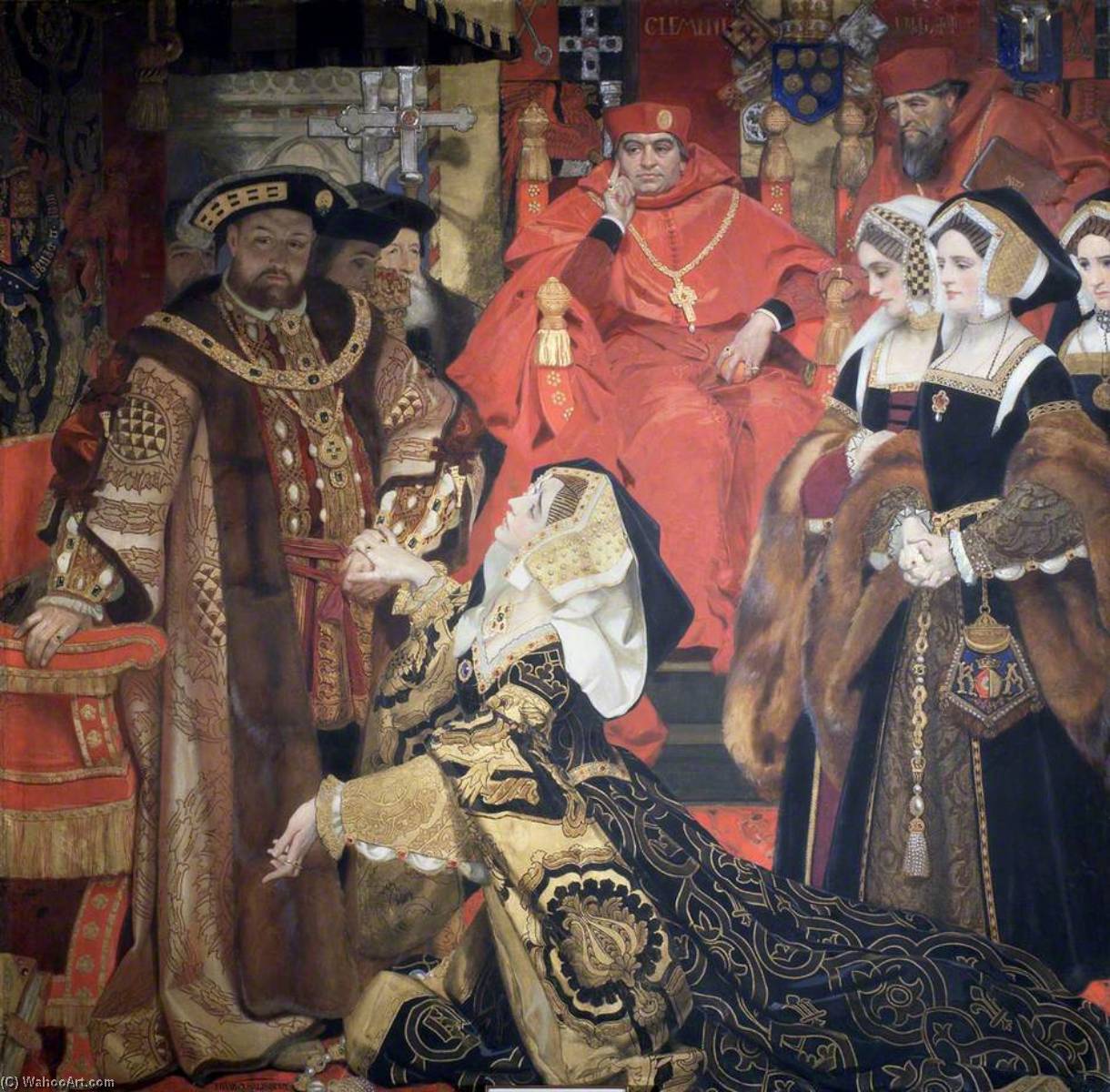
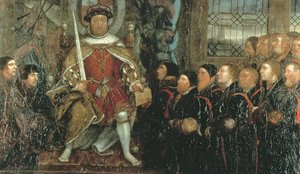
StatsHenry VIII and Catherine of Aragon before Papal Legates at Blackfriars, 1529
 Oil On Canvas
- WallArt
- Contemporary Realism
 1910
1910- Early Modern
 206.0 x 211.0 cm
 Ver más
Giclée / Impresión de arte
Impresiones giclée o en lienzo de calidad de museo con producción rápida y opciones de acabado flexibles. ( Comprar pintura hecha a mano Switch to Digital Image)




P118B $10

P118H $10

P118W $10

P438Z $10

P508JH $12

P508YH $12

P805H $10

P805Z $10

P919BZ $10

P919G $10

P919XJ $10

P959ZH $10

P968JZ $12

W106C $8

W218G $10

W218JH $8

W218Y $10

W307PJ $10

W316G $10

W316PJ $8

W316Y $10

W398PJ $8

W4111J $10

W500HY $15

W500JH $15

W692G $12

W849H $8

W940BG $15

W953PJ $8




Elija entre nuestros tamaños predefinidos que respetan las proporciones originales de la obra.

Puede introducir sus propias dimensiones para adaptarse a un marco o espacio específico. Si el tamaño seleccionado no coincide con las proporciones de la imagen original, recortaremos la obra de arte o extenderemos la imagen con un borde con efecto espejo o de color sólido. Se enviará una maqueta digital para su aprobación antes de que comience la producción.
Tenga en cuenta que la vista previa en pantalla no refleja el recorte o la extensión real. Solo la maqueta mostrará con precisión la composición final.
Aunque existen tamaños personalizados, recomendamos seleccionar una dimensión de la lista predefinida para preservar las proporciones originales.
Envío a todo el mundo () en 2 semanas en lugar de las 4/5 semanas estándar. (7 septiembre)

Envío exprés gratuito a todo el mundo

Lienzo de lino de alta calidad

Seguro de envío total

Garantía de reembolso de impuestos aduaneros

Garantía de fidelidad cromática exacta

Política de devolución de 100 días (solo por defectos)

Garantía de devolución del 100% del dinero

Descuento por cantidad
 La opción de vidrio solo está disponible en tamaños inferiores a 110 cm.

Henry VIII and Catherine of Aragon before Papal Legates at Blackfriars, 1529
Giclée / Impresión de arte
Dimensiones de la reproducción
-


Precio total final
$ 62
A Moment Frozen in Tudor Majesty
In the grand, sweeping canvas of Frank O. Salisbury’s "Henry VIII and Catherine of Aragon before Papal Legates at Blackfriars, 1529," we are transported to a pivotal fracture point in English history. This monumental work, painted in 1910, does not merely depict a meeting; it captures the heavy, palpable tension of a kingdom on the precipice of transformation. Salisbury, often revered as Britain’s "Painter Laureate," utilizes his mastery of historical pageantry to reconstruct the solemn atmosphere of Blackfriars. The scene finds King Henry VIII and his formidable Queen, Catherine of Aragon, positioned before the Papal Legates, a moment where the fate of the English Reformation hangs in the balance. Through his meticulous brushwork, Salisbury invites the viewer to witness the collision of royal ambition and ecclesiastical authority.
The composition is a masterclass in narrative depth and theatrical arrangement. The eye is immediately drawn to the central figures, whose presence commands the space with an almost sculptural weight. Salisbury’s technique shines in the intricate rendering of the period's opulent attire; the heavy velvets, shimmering silks, and elaborate embroidery are captured with such precision that one can almost feel the texture of the royal garments. The artist employs a rich, warm palette that evokes the gilded splendor of the Tudor court, yet he balances this brilliance with shadows that suggest the underlying political intrigue. Every figure in the crowd—from the stoic knights to the watchful courtiers—serves as a silent witness to this historical drama, creating a sense of a living, breathing assembly.
Beyond the mere spectacle of costume and ceremony, the painting is imbued with profound symbolism. The presence of the Pope’s representatives serves as a reminder of the spiritual and political ties that Henry VIII was on the verge of severing. There is a subtle, rhythmic movement within the crowd, a sense of waiting and anticipation that mirrors the historical uncertainty of 1529. Even the inclusion of background details, such as the passage of time indicated by a visible clock, underscores the urgency of the diplomatic negotiations. For the discerning collector or interior designer, this piece offers more than just visual grandeur; it provides a window into the soul of an era, making it a profound centerpiece for any collection dedicated to historical narrative and classical elegance.
Owning a high-quality reproduction of this masterpiece allows one to bring the weight of history and the splendor of the Edwardian interpretation of the Tudor age into a contemporary space. The scale of the original—a commanding 206 x 211 cm—is reflected in the emotional impact of the imagery, offering an immersive experience that commands attention. Whether placed in a formal study, a grand hallway, or a curated gallery wall, this work serves as a conversation starter, evoking themes of power, devotion, and the inexorable march of time. It is an invitation to dwell within the majesty of the past, rendered with the unparalleled skill of a painter who truly understood the art of the portrait and the drama of history.
Obras relacionadas
Biografía del artista
Frank Owen Salisbury: Una Vida en el Retrato y la Pageantria
- Nacido: Harpenden, Reino Unido (18 de diciembre de 1874)
- Fallecido: 31 de agosto de 1962
- Conocido como "El Pintor Laureado de Gran Bretaña"
Primeros Años y Formación
- La primera etapa de la vida de Salisbury estuvo marcada por una salud delicada, lo que llevó a una educación en casa supervisada principalmente por su hermana, Emilie.
- Comenzó a trabajar en el depósito de bicicletas de su padre, reparando bicicletas.
- A los 15 años, fue aprendiz de su hermano, Henry James Salisbury, quien dirigía una empresa de vidrieras en St Albans. Este aprendizaje le proporcionó habilidades invaluables en pintura y trabajo detallado cruciales para el arte del vitral.
- Asistió a la Escuela de Arte Heatherley y posteriormente ganó becas en las Escuelas de la Royal Academy (1892-1897), donde se destacó, obteniendo dos medallas de plata y la beca Landseer que facilitó un viaje a Italia en 1896.
Desarrollo Artístico y Estilo
- El estilo de Salisbury se caracterizó por un enfoque decididamente conservador, arraigado en técnicas tradicionales y temas. Favorecía lienzos de gran tamaño que representaban eventos históricos y ocasiones ceremoniales.
- Su trabajo inicial incluyó retratos de la gente local y miembros de la Iglesia Metodista de Harpenden.
- Un encuentro clave con Lord Wakefield lo introdujo al retrato social, lo que llevó a encargos de figuras prominentes.
- Desarrolló una técnica de pintura rápida, supuestamente perfeccionada mediante la práctica diaria de pintar a sus hijas gemelas durante una hora cada mañana.
- Su trabajo estuvo influenciado por los frescos renacentistas y un deseo de capturar la grandeza de la pageantria.
Logros Destacados y Obras Notables
- Retratos Reales: Salisbury obtuvo un reconocimiento significativo por sus retratos de la familia real británica, incluidos veinticinco miembros de la Casa de Windsor y siendo el primer artista en pintar a Su Majestad la Reina Isabel II.
- Winston Churchill: Pintó a Winston Churchill más veces que cualquier otro artista, creando imágenes icónicas como las que lo retrataban con un traje de sirena y durante el discurso "Sangre, Sudor y Lágrimas".
- Presidentes Estadounidenses: La reputación de Salisbury se extendió a los Estados Unidos, donde pintó a seis presidentes estadounidenses, incluido Franklin D. Roosevelt (cuyo retrato sigue siendo el retrato oficial de la Casa Blanca).
- Retratados Significativos: Otros retratos importantes incluyen los de Richard Burton, Andrew Carnegie, Sir Alan Cobham, Sir Robert Ludvig Mond, Maria Montessori, Montgomery of Alamein, Earl Mountbatten of Burma, Benito Mussolini, John Player, Lord Rank, Jan-Christiaan Smuts y Sir Henry Wood.
- Mural para el Royal Exchange: En 1919, pintó un gran mural para el Royal Exchange en Londres conmemorando el Servicio Nacional de Acción de Gracias por la Paz.
Significado Histórico y Legado
- Salisbury logró un éxito financiero considerable en ambos lados del Atlántico, encarnando lo que se consideraba "El Sueño Americano".
- A pesar de su prolífica producción y popularidad, nunca fue elegido miembro de la Royal Academy, una fuente de decepción para él.
- Fue un crítico vocal de los movimientos artísticos modernos como el Cubismo y el Surrealismo, lo que refleja una preferencia por los valores artísticos tradicionales.
- Su legado radica en su capacidad para capturar la esencia de figuras prominentes y momentos históricos a través de un estilo clásico y digno, consolidando su lugar como uno de los principales artistas sociales de Gran Bretaña de su generación.
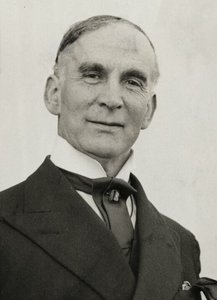
Frank O. Salisbury
1874 - 1962 , Reino Unido
Datos clave
- Artistas Que Influyeron: ['Artistas del Renacimiento']
- Fecha De Fallecimiento: 31 de agosto de 1962
- Fecha De Nacimiento: 18 de diciembre de 1874
- Lugar De Nacimiento: Harpenden, Reino Unido
- Movimiento Artístico: Realismo Conservador
- Nacionalidad: Inglés
- Nombre Completo: Frank Owen Salisbury
- Obras Notables:
- El Niño Cornwell
- Retratos de Churchill
- Retrato de la Reina Isabel II
- Mural del Royal Exchange
Artículos relacionados
William Henry Pyne: A Topographical Vision of Early 19th-Century England – Art, Society & Watercolour's Rise
Explore the captivating world of William Henry Pyne (1769-1843), a key figure in early 19th-century English art. Discover his stunning watercolours, architectural studies & contribution to the rise of watercolour painting. Learn about this fascinating artist's life and legacy.

Henri Matisse: Las 25 Obras Maestras que Definieron un Genio del Color | ArtsDot
Descubre las 25 obras maestras de Henri Matisse, el rey del color y padre del fauvismo. Explora su arte moderno, lienzos vibrantes y la historia detrás de cada pintura icónica. Encuentra reproducciones de alta calidad en ArtsDot.com.
Fauvismo Expresionista: 10 Obras Maestras que Transformaron el Arte | ArtsDot
Descubre las 10 obras maestras del fauvismo que revolucionaron el arte. Explora la pasión, el color y la expresión de Matisse, Derain y más. Reproducciones de alta calidad en ArtsDot.com.
Henry Moore: Sculpting Modernity – Form, Emotion & the Human Condition
Explore the revolutionary sculptures of Henry Moore – abstract forms, reclining figures & powerful expressions of the human condition. Discover his legacy & artistic process with ArtsDot.
Robert Henri & the Spirit of American Realism: A Legacy of Urban Life and Artistic Independence
Explore the life & legacy of Robert Henri, a pivotal figure in American Realism. Discover his captivating portraits, influence on the Ashcan School, and enduring impact on art history. Learn more at ArtsDot.