

 Ver en contexto
 Enviar
 Compartir
 Detalles

 Descargar
 Similares
 Radiografía
 Presentación de diapositivas
 Estadísticas
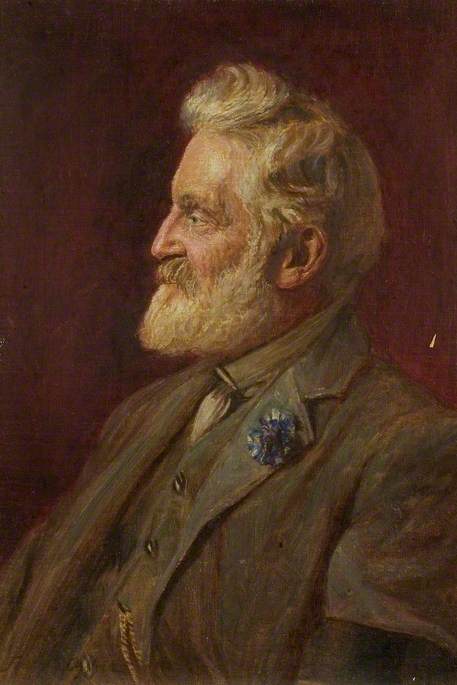
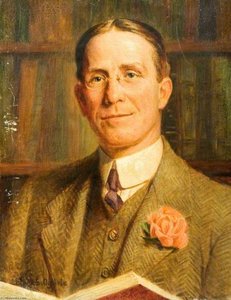
Thomas Langston (1846–1930)
 1915
1915 37.0 x 26.0 cm
 Ver más
Reproducción al óleo hecha a mano
Óleo sobre lienzo pintado a mano en el tamaño y marco de su elección, realizado por encargo por nuestros artistas. ( Cambiar a Impresión Cambiar a imagen digital)




































Elija entre nuestros tamaños predefinidos que respetan las proporciones originales de la obra.

Puede ingresar sus propias dimensiones para adaptarse a un marco o espacio específico. Si el tamaño seleccionado no coincide con las proporciones de la imagen original, recortaremos la obra o extenderemos la pintura con elementos adicionales pintados a mano. Se le enviará una maqueta digital para su aprobación antes de comenzar la producción.
Tenga en cuenta que la vista previa en pantalla no refleja el recorte o la extensión reales. Solo la maqueta mostrará con precisión la composición final.
Si bien existen tamaños personalizados, recomendamos seleccionar una dimensión de la lista predefinida para preservar las proporciones originales.
Tras realizar el pedido, el equipo de ArtsDot.com enviará un correo electrónico al cliente para solicitar instrucciones y proporcionarle una vista previa del boceto.
Envío a todo el mundo () en 3-4 semanas en lugar de las 5 semanas estándar. (9 septiembre). Sin comprometer la calidad.

Envío exprés gratuito a todo el mundo

Lienzo de lino de alta calidad

Seguro de envío total

Garantía de reembolso de impuestos aduaneros

Garantía de fidelidad cromática exacta

Política de devolución de 100 días (solo por defectos)

Garantía de devolución del 100% del dinero

Descuento por cantidad
 La opción de vidrio solo está disponible en tamaños inferiores a 110 cm.

Thomas Langston (1846–1930)
Técnica de reproducción
Dimensiones de la reproducción
-


Precio total final
$ 263
Obras relacionadas







Biografía del artista
A Life Etched in Likeness: The World of Frank Stanley Ogilvie
Frank Stanley Ogilvie, a name often shadowed by the more prominent artists of his era, nevertheless carved a significant niche for himself as a portraitist during the late Victorian and early Edwardian periods. Born in 1858, Ogilvie’s life unfolded against a backdrop of rapid social change and artistic innovation. While biographical details remain somewhat elusive – a common fate for many dedicated studio artists – his work speaks volumes about his skill, sensitivity, and dedication to capturing the essence of his sitters. He also worked under the pseudonym George Ogilvie Forbes, adding another layer of intrigue to his already fascinating career. Ogilvie wasn’t necessarily striving for groundbreaking stylistic departures; rather, he excelled in a tradition of classical portraiture, offering a refined and dignified representation of the upper echelons of British society. His canvases weren't about revolutionizing art but about preserving a sense of identity, status, and character within a meticulously crafted aesthetic framework.The Foundations of a Portraitist: Training and Early Influences
Details regarding Ogilvie’s formal artistic training are scarce, however it is known that he studied at the Royal Academy Schools, a prestigious institution that nurtured generations of British artists. This grounding in academic principles undoubtedly shaped his approach to portraiture. The influence of pre-Raphaelite ideals – with their emphasis on detail and naturalism – can be subtly detected in some of his earlier works, though Ogilvie quickly developed a more restrained and classical style. He absorbed the techniques of masters like Reynolds and Gainsborough, artists who understood how to flatter and idealize their subjects while simultaneously conveying a sense of psychological depth. The emphasis on light and shadow, evident throughout his oeuvre, suggests a careful study of Rembrandt’s chiaroscuro effects. It's likely that Ogilvie also benefited from the mentorship of lesser-known but highly respected portraitists working in London at the time, honing his skills through observation and practice within a thriving artistic community.A Portraitist of Society: Style and Subject Matter
Ogilvie’s portraits are characterized by their technical precision, elegant compositions, and subtle psychological insights. He favored a relatively dark palette, employing rich browns, grays, and blacks to create a sense of gravitas and sophistication. His sitters – typically members of the British aristocracy, military officers, and prominent professionals – are depicted with dignity and composure. He was particularly adept at capturing the character of men, often portraying them in formal attire against neutral backgrounds. While not overtly expressive, his portraits reveal nuances of personality through carefully rendered facial features, posture, and gaze. William Grey & Thomas Langston, for example, showcases Ogilvie’s ability to convey a sense of quiet strength and intellectual curiosity. He wasn't interested in flamboyant displays of wealth or status; instead, he focused on presenting his subjects as individuals with inner lives and complex personalities. His work reflects the Victorian emphasis on morality, respectability, and social order.Legacy and Historical Context
Although Ogilvie never achieved the widespread fame of some of his contemporaries, his portraits remain valuable historical documents, offering a glimpse into the lives and values of the British upper class during a period of significant transformation. His work provides insight into Victorian notions of masculinity, status, and artistic representation.- His paintings are now found in numerous public and private collections across the United Kingdom.
- Ogilvie’s dedication to classical portraiture helped preserve a tradition of refined artistry during an era increasingly dominated by modern movements.
- The meticulous detail and psychological depth of his portraits continue to captivate viewers today.
frank stanley ogilvie
1858 - 1937
Datos clave
- Artistic Movement Or Style: Victorian Portrait Art
- Date Of Birth: 1858
- Date Of Death: 1937
- Full Name: Frank Stanley Ogilvie
- Nationality: British
- Notable Artworks: ['William Grey & Thomas Langston']
- Place Of Birth: Corowa, Australia