

 Ver en contexto
 Enviar
 Compartir
 Detalles

 Descargar
 Similares
 Radiografía
 Presentación de diapositivas
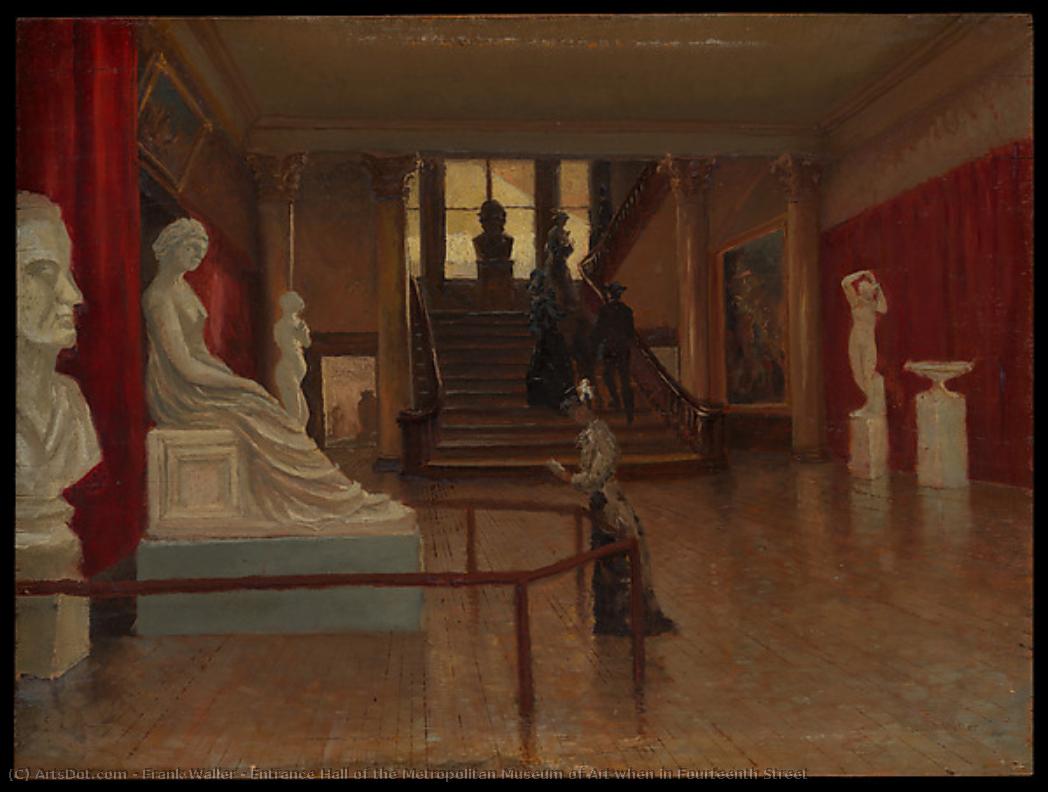
Entrance Hall of the Metropolitan Museum of Art when in Fourteenth Street
 Oil On Canvas
- WallArt
- Realism
 1881
1881- 19th Century
 31.0 x 41.0 cm
 Museo Metropolitano de Arte
 Ver más
Giclée / Impresión de arte
Impresiones giclée o en lienzo de calidad de museo con producción rápida y opciones de acabado flexibles. ( Comprar pintura hecha a mano Comprar imagen)




P118B $10

P118H $10

P118W $10

P438Z $10

P508JH $12

P508YH $12

P805H $10

P805Z $10

P919BZ $10

P919G $10

P919XJ $10

P959ZH $10

P968JZ $12

W106C $8

W218G $10

W218JH $8

W218Y $10

W307PJ $10

W316G $10

W316PJ $8

W316Y $10

W398PJ $8

W4111J $10

W500HY $15

W500JH $15

W692G $12

W849H $8

W940BG $15

W953PJ $8




Elija entre nuestros tamaños predefinidos que respetan las proporciones originales de la obra.

Puede introducir sus propias dimensiones para adaptarse a un marco o espacio específico. Si el tamaño seleccionado no coincide con las proporciones de la imagen original, recortaremos la obra de arte o extenderemos la imagen con un borde con efecto espejo o de color sólido. Se enviará una maqueta digital para su aprobación antes de que comience la producción.
Tenga en cuenta que la vista previa en pantalla no refleja el recorte o la extensión real. Solo la maqueta mostrará con precisión la composición final.
Aunque existen tamaños personalizados, recomendamos seleccionar una dimensión de la lista predefinida para preservar las proporciones originales.
Envío a todo el mundo () en 2 semanas en lugar de las 4/5 semanas estándar. (4 septiembre)

Envío exprés gratuito a todo el mundo

Lienzo de lino de alta calidad

Seguro de envío total

Garantía de reembolso de impuestos aduaneros

Garantía de fidelidad cromática exacta

Política de devolución de 60 días (solo por defectos)

Garantía de devolución del 100% del dinero

Descuento por cantidad
 La opción de vidrio solo está disponible en tamaños inferiores a 110 cm.

Entrance Hall of the Metropolitan Museum of Art when in Fourteenth Street
Giclée / Impresión de arte
Dimensiones de la reproducción
-


Precio total final
$ 62
A Glimpse of Early Majesty: Waller’s Vision for The Met
Frank Waller's “Entrance Hall of the Metropolitan Museum of Art when in Fourteenth Street” isn’t merely a depiction of a museum space; it’s a carefully constructed tableau of ambition, cultural aspiration, and the nascent pride of a young nation. Painted in 1881, this oil on canvas transports us back to The Met's formative years – a time when the institution was still establishing its identity and solidifying its role as a cornerstone of American art and scholarship. Waller, an architect deeply invested in the educational mission of museums, sought to capture not just the physical architecture but also the *feeling* of encountering such a monumental space for the first time. The scene unfolds within the Douglas Mansion, then serving as The Met’s temporary home, a period brimming with experimentation and a palpable sense of building towards something grander.
The painting immediately establishes a feeling of controlled elegance. Waller masterfully employs atmospheric perspective – the subtle shift in color and detail as objects recede into the distance – to create an illusion of immense depth within the hall. The sweeping staircase, rendered with meticulous attention to form and light, draws the eye upwards, inviting the viewer to ascend into the museum’s heart. The diffused natural light filtering through the large windows contributes significantly to this sense of spaciousness, bathing the scene in a soft, almost reverent glow. It's a deliberate choice, suggesting an atmosphere conducive to contemplation and appreciation of art.
A Symphony of Classical Detail: Technique and Composition
Waller’s technique is characterized by a remarkable blend of realism and impressionism. He meticulously observes the details – the texture of the wooden floorboards, the folds in the drapery, the subtle expressions on the faces of the visitors – yet simultaneously employs loose brushstrokes and a muted color palette to evoke a sense of atmosphere and mood. The composition is carefully balanced, with the central focus firmly placed on William Wetmore Story’s “Polyxena,” a Roman sculpture depicting the daughter of Achilles, prominently displayed for viewing by museum patrons. The placement of the woman consulting the guidebook anchors the scene, highlighting the active engagement between art and audience.
Notice how Waller utilizes lines to define architectural elements – the straight edges of the windows, the geometric forms of the sculptures, and the precise angles of the staircase. These linear structures provide a sense of order and stability within the composition, contrasting subtly with the softer, more atmospheric rendering of light and shadow. The brushwork itself is deliberately textured, adding a tactile quality to the painting and reinforcing the impression of a richly detailed environment.
Symbolism and the American Spirit
Beyond its technical merits, “Entrance Hall” carries significant symbolic weight. The inclusion of “Polyxena,” a classical sculpture deeply rooted in Roman mythology, speaks to America’s fascination with antiquity and its desire to emulate the achievements of past civilizations. Waller's decision to depict this particular artwork underscores the museum’s commitment to preserving and celebrating Western artistic heritage. The presence of the woman studying the guidebook represents the burgeoning interest in art education within American society – a key element of Waller’s own advocacy for museums as centers of learning.
Furthermore, the scene embodies the spirit of progress and optimism characteristic of late 19th-century America. The grand scale of the hall, combined with the attentive engagement of its visitors, suggests a nation confident in its future and eager to embrace the transformative power of art and culture. Waller’s painting serves as a visual testament to this burgeoning sense of national identity.
A Timeless Masterpiece: Reproduction and Legacy
Reproduced faithfully today, “Entrance Hall of the Metropolitan Museum of Art when in Fourteenth Street” remains a captivating window into a pivotal moment in American art history. Its enduring appeal lies not only in its technical brilliance but also in its ability to evoke a powerful emotional response – a sense of wonder, curiosity, and appreciation for the beauty and significance of artistic creation. This artwork offers a unique glimpse into the early days of one of the world’s leading museums, reminding us of the vital role that institutions like The Met play in shaping our understanding of the past and inspiring our vision for the future.
Obras relacionadas





Biografía del artista
american architect, orientalist, and landscape painter (1842-1923)
in the realm of american art, few names shine as brightly as frank waller (painter), a multifaceted artist whose contributions to architecture, orientalism, and landscape painting are undeniable. born in 1842 in new york city and passing away in morristown, nj in 1923, waller's life was a testament to his passion for the arts.early life and education
waller’s artistic journey began with the study of commercial art at the new york free academy from 1857 to 1861. this foundational education laid the groundwork for his future endeavors. he first exhibited his work at the national academy of design in 1870, marking the beginning of a prolific career.european influences and architectural pursuits
undertaking a study trip to europe, waller spent time in rome, studying under john gadsby chapman. this exposure broadened his artistic horizons, influencing his later work. initially, he worked as an architect from 1885 and was a member of the architectural league of new york, reflecting his diverse skill set.landscape painting and legacy
from 1895 until his death in 1923, waller dedicated himself to landscape painting. this period saw the creation of numerous pieces, including entrance hall of the metropolitan museum of art when in fourteenth street, a testament to his skill in capturing the essence of new york city’s architectural landmarks. he explored themes of nature and spirituality, blending meticulous observation with expressive brushstrokes—a hallmark of his distinctive style.- Notable Works:
- Entrance Hall of the Metropolitan Museum of Art When in Fourteenth Street (The Metropolitan Museum of Art, New York, United States)
- Studies from Nature: Waller’s landscapes often depicted serene vistas and dramatic mountain ranges, capturing the grandeur of the American wilderness.
influences
waller's artistic vision was shaped by several key influences. european art movements—particularly Impressionism and Orientalism—provided him with inspiration for his color palettes and compositional techniques. he also drew upon architectural styles prevalent in his time, incorporating elements of Beaux-Arts grandeur into his designs.- European Art Movements:
- Impressionism – Waller embraced the fleeting effects of light and atmosphere, mirroring the aesthetic principles championed by artists like Claude Monet.
- Orientalism – His fascination with Egypt fueled a series of evocative paintings that celebrated ancient monuments and exotic landscapes.
museums and collections
waller’s artistic achievements are recognized in prominent museums across america. The Metropolitan Museum of Art houses a significant collection of his works, showcasing his mastery of architectural representation and landscape painting. Additionally, The Smithsonian American Art Museum proudly displays several pieces from waller’s oeuvre. Frank Waller (Painter) remains a celebrated figure in american art history—a testament to his unwavering dedication and artistic brilliance.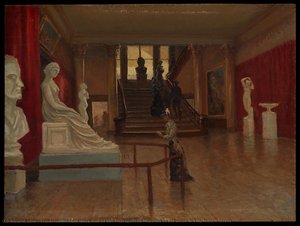
Frank Waller
1842 - 1923 , Estados Unidos
Datos clave
- Artistic Movement Or Style: Orientalismo, Pintura Paisajista
- Artists Or Movements Influenced By This Artist: ['Movimientos artísticos europeos']
- Artists Who Influenced This Artist: ['John Gadsby Chapman']
- Date Of Birth: 1842
- Date Of Death: 1923
- Full Name: Frank Waller
- Nationality: Americano
- Notable Artworks:
- Entrada Hall del Museo Metropolitano cuando en Fourteenth Street
- Estudios desde la naturaleza
- Place Of Birth: Nueva York
Artículos relacionados

Equilibrio y Audacia: La Integración del Arte Contemporáneo en Interiores Clásicos para una Modernidad Atemporal
Descubre cómo integrar el arte contemporáneo en interiores clásicos con elegancia y sofisticación. Expertos en diseño te guían para crear espacios atemporales llenos de personalidad. ¡Inspírate!

The Enduring Legacy of Oil on Canvas: Technique, History & Aesthetic Impact
Explore the rich history & techniques of oil painting – from Renaissance masters to Impressionism. Discover pigments, layering methods, and why this timeless medium endures. Expert insights for artists & art enthusiasts.

El Óleo sobre Lienzo: Historia, Técnica y la Persistencia de un Medio Artístico Atemporal
Descubre la historia y técnica del óleo sobre lienzo. Explora reproducciones fieles hechas a mano, personalización artística y consejos de expertos con ArtsDot. ¡Colecciona arte con confianza!

Los 10 Maestros del Neoclasicismo: Obras que Definieron una Era |
Descubre los 10 imprescindibles del Neoclasicismo con . Obras de David, Ingres y Canova que marcaron una era. Historia, técnica y significado de cada pieza. Encuentra reproducciones de arte de museo en

10 Obras Maestras al Óleo sobre Tabla que Revolucionaron la Historia del Arte | ArtsDot
Descubre 10 obras maestras al óleo sobre tabla que revolucionaron el arte. Explora la historia de Van Gogh, Monet y otros artistas clave. Encuentra reproducciones de alta calidad e inspírate para decorar tu hogar con ArtsDot.com.

