

 Ver en contexto
 Enviar
 Compartir
 Detalles

 Descargar
 Similares
 Radiografía
 Presentación de diapositivas
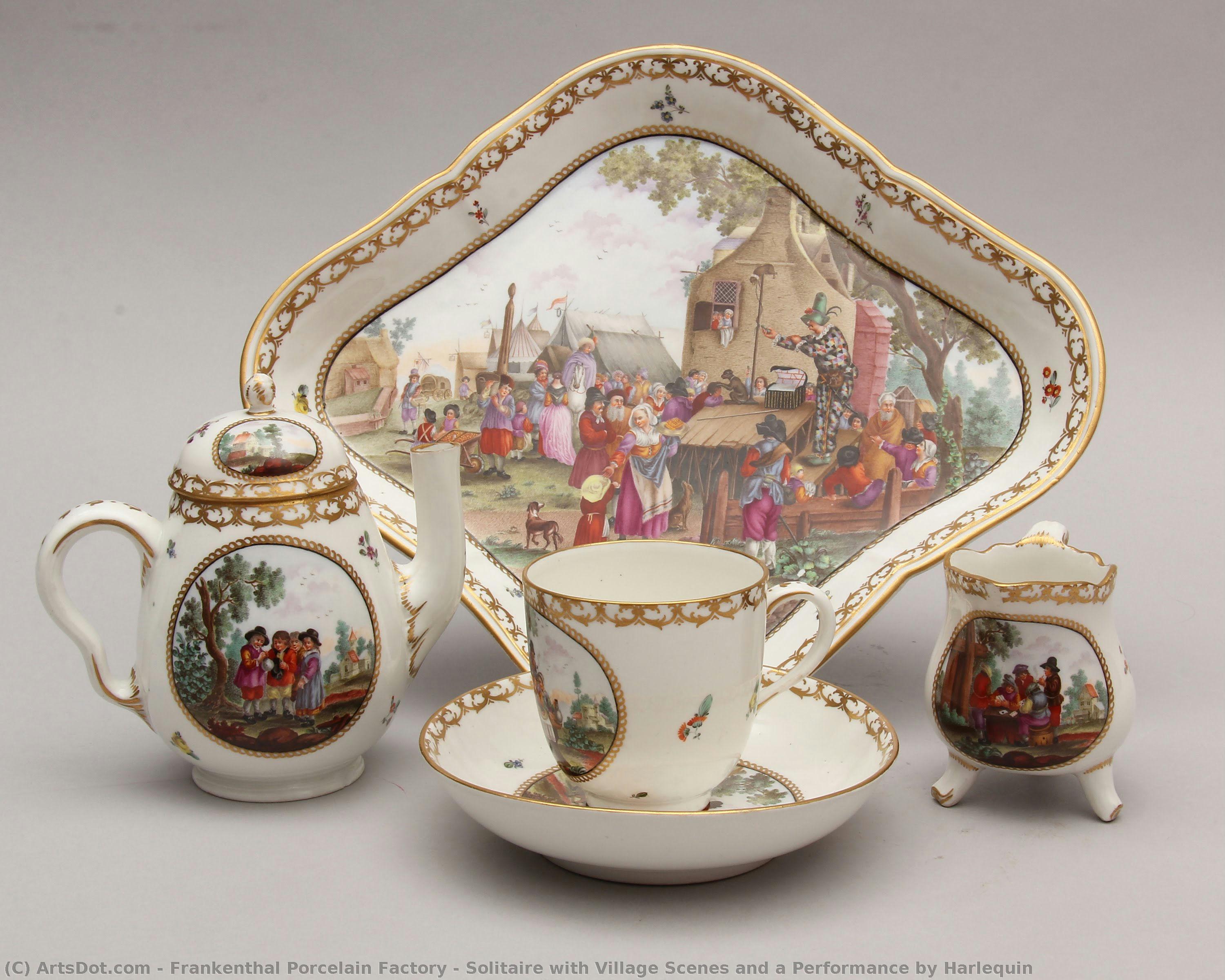
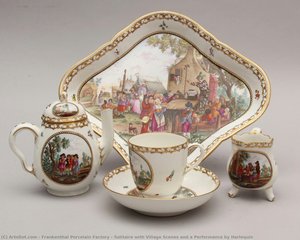
Solitaire with Village Scenes and a Performance by Harlequin
 Rococo
 1770
1770 3.0 x 29.0 cm
 Museo Gardiner
 Ver más
Reproducción al óleo hecha a mano
Óleo sobre lienzo pintado a mano en el tamaño y marco de su elección, realizado por encargo por nuestros artistas. ( Comprar impresión Comprar imagen)




P118B $10

P118H $10

P118W $10

P438Z $10

P508JH $12

P508YH $12

P805H $10

P805Z $10

P919BZ $10

P919G $10

P919XJ $10

P959ZH $10

P968JZ $12

W106C $8

W218G $10

W218JH $8

W218Y $10

W307PJ $10

W316G $10

W316PJ $8

W316Y $10

W398PJ $8

W4111J $10

W500HY $15

W500JH $15

W692G $12

W849H $8

W940BG $15

W953PJ $8




Elija entre nuestros tamaños predefinidos que respetan las proporciones originales de la obra.

Puede ingresar sus propias dimensiones para adaptarse a un marco o espacio específico. Si el tamaño seleccionado no coincide con las proporciones de la imagen original, recortaremos la obra o extenderemos la pintura con elementos adicionales pintados a mano. Se le enviará una maqueta digital para su aprobación antes de comenzar la producción.
Tenga en cuenta que la vista previa en pantalla no refleja el recorte o la extensión reales. Solo la maqueta mostrará con precisión la composición final.
Si bien existen tamaños personalizados, recomendamos seleccionar una dimensión de la lista predefinida para preservar las proporciones originales.
Tras realizar el pedido, el equipo de ArtsDot.com enviará un correo electrónico al cliente para solicitar instrucciones y proporcionarle una vista previa del boceto.
Envío a todo el mundo () en 3-4 semanas en lugar de las 5 semanas estándar. (26 agosto). Sin comprometer la calidad.

Envío exprés gratuito a todo el mundo

Lienzo de lino de alta calidad

Seguro de envío total

Garantía de reembolso de impuestos aduaneros

Garantía de fidelidad cromática exacta

Política de devolución de 60 días (solo por defectos)

Garantía de devolución del 100% del dinero

Descuento por cantidad
 La opción de vidrio solo está disponible en tamaños inferiores a 110 cm.

Solitaire with Village Scenes and a Performance by Harlequin
Técnica de reproducción
Dimensiones de la reproducción
-


Precio total final
$ 488
Obras relacionadas
Biografía del artista
The Enigmatic World of the Frankenthal Porcelain Factory
The Frankenthal Porcelain Factory, though not a single artist in the traditional sense, represents a remarkable chapter in 18th-century European ceramics and decorative arts. Established in 1754 in Frankenthal, Palatinate (present-day Germany), this manufactory quickly rose to prominence for its innovative approach to porcelain production, particularly its charming and often whimsical figurines depicting scenes of everyday life, mythology, and allegorical subjects. Unlike many other porcelain centers that relied heavily on imitating established styles – Meissen’s Rococo elegance or Sèvres’ refined classicism – Frankenthal cultivated a distinctly playful aesthetic, blending Baroque exuberance with emerging Rococo sensibilities.
The factory's origins are intertwined with the entrepreneurial spirit of Johann Valentin Nething, who initially sought to establish a glassworks. Recognizing the burgeoning demand for porcelain, he pivoted his focus and secured skilled artisans from Vienna, including Konrad Link, whose influence would prove pivotal in shaping Frankenthal’s early style. The initial years were marked by experimentation; the factory mastered soft-paste porcelain, a technique that allowed for vibrant colors and delicate forms but also presented unique challenges in terms of durability. This pursuit of technical excellence was coupled with an equally ambitious artistic vision.
A Flourishing of Rococo Charm
Frankenthal’s signature style quickly emerged – characterized by its lightheartedness, intricate detail, and a penchant for narrative scenes. The factory produced a wide range of wares, from elaborate dinner services adorned with floral motifs to exquisitely sculpted figurines. However, it was the figurines that truly captured the public imagination. These were not merely decorative objects; they were miniature dramas frozen in porcelain, often depicting amorous encounters, theatrical performances, and allegorical tales. A particularly beloved series featured figures of Harlequin and Columbine, their playful interactions embodying the spirit of the commedia dell'arte. The factory’s sculptors possessed a remarkable ability to imbue these figures with personality and movement, creating a sense of intimacy and charm that set them apart from their contemporaries.
The influence of Balthasar Permoser, the renowned sculptor whose work graced the Zwinger Palace in Dresden, is evident in Frankenthal’s dynamic compositions and expressive figures. Furthermore, the factory drew inspiration from contemporary print culture, adapting popular engravings and paintings into three-dimensional form. This willingness to embrace diverse sources of inspiration contributed to the unique eclecticism of Frankenthal porcelain.
Technical Innovations and Artistic Collaboration
The success of the Frankenthal Porcelain Factory was not solely attributable to its artistic talent; it also benefited from a series of technical innovations. The factory developed a distinctive enamel palette, renowned for its rich colors and subtle gradations. They were particularly adept at producing *blanc de chine* porcelain – a pure white variety prized for its translucence and delicate texture. This mastery of materials allowed the sculptors to create figures with an exceptional level of detail and refinement.
Collaboration was central to Frankenthal’s production process. While individual sculptors were responsible for designing and modeling the figurines, painters, gilders, and kiln workers all played crucial roles in bringing these creations to life. This collaborative spirit fostered a sense of shared artistic vision and contributed to the consistently high quality of Frankenthal porcelain.
Decline and Legacy
Despite its initial success, the Frankenthal Porcelain Factory faced increasing competition from other European manufactories throughout the late 18th century. Economic challenges and shifting tastes led to a gradual decline in production. The factory was sold several times before finally closing its doors in 1800. However, the legacy of Frankenthal porcelain endures.
Today, Frankenthal figurines are highly sought after by collectors worldwide. They represent a unique moment in European decorative arts – a time when playful charm and technical innovation converged to create objects of exceptional beauty and enduring appeal. The factory’s willingness to embrace diverse influences and its commitment to artistic collaboration set it apart from its contemporaries, leaving an indelible mark on the history of porcelain production. The surviving examples offer a fascinating glimpse into the social and cultural values of 18th-century Europe – a world where leisure, entertainment, and refined artistry were highly prized.
Datos clave
- Artistic Movement Or Style: Rococo
- Date Of Death: Living
- Full Name: Frankenthal Porcelain Factory
- Notable Artworks: ['Solitaire with Village Scenes & Harlequin']
Artículos relacionados
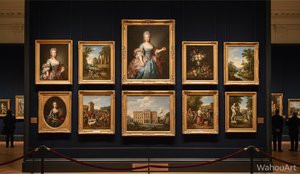
El Siglo XVIII en el Arte: 10 Obras Maestras para Decorar con Historia y Elegancia
Descubre 10 obras maestras del siglo XVIII: Goya, Fragonard y más. Explora la historia, el arte barroco, rococó y neoclasicismo que inspiran decoración elegante. Reproducciones de alta calidad en ArtsDot.com.

El Arte de Agradecer: Pinturas Personalizadas para Damas de Honor - Un Regalo Inolvidable
Encuentra el regalo perfecto para las damas de honor: pinturas personalizadas únicas y hechas a mano por artistas expertos. te ayuda a crear un recuerdo inolvidable.
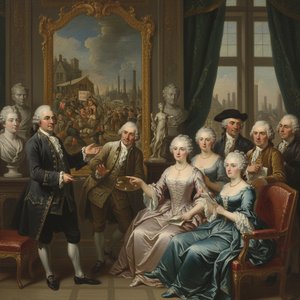
Reflections of an Age: Social Commentary & Artistic Representation in 18th-Century Society
Explore the social commentary & artistic representation of 18th-century society. Discover Rococo masterpieces, portraiture's power, and shifting historical perspectives. Expert insights for art lovers.
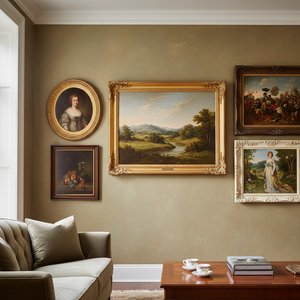
10 Obras Maestras del Siglo XIX: Arte Clásico para Decorar tu Hogar | ArtsDot
Descubre 10 obras maestras del siglo XIX: Monet, Van Gogh, Goya y más. Explora la historia, el arte y los estilos que definieron una época. Reproducciones de alta calidad para decorar tu hogar con elegancia en ArtsDot.com.
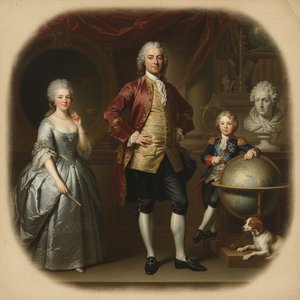
Reflecting Nobility & Nuance: 18th-Century Portraiture as a Window into Societal Values
Explore the world of 18th-century portraiture with ArtsDot. Discover symbolism, artistic innovation & societal values reflected in masterpieces by Reynolds, Hogarth & more. Expert insights for collectors.

