 Ver en contexto
 Enviar
 Compartir
 Detalles

 Descargar
 Similares
 Radiografía
 Presentación de diapositivas
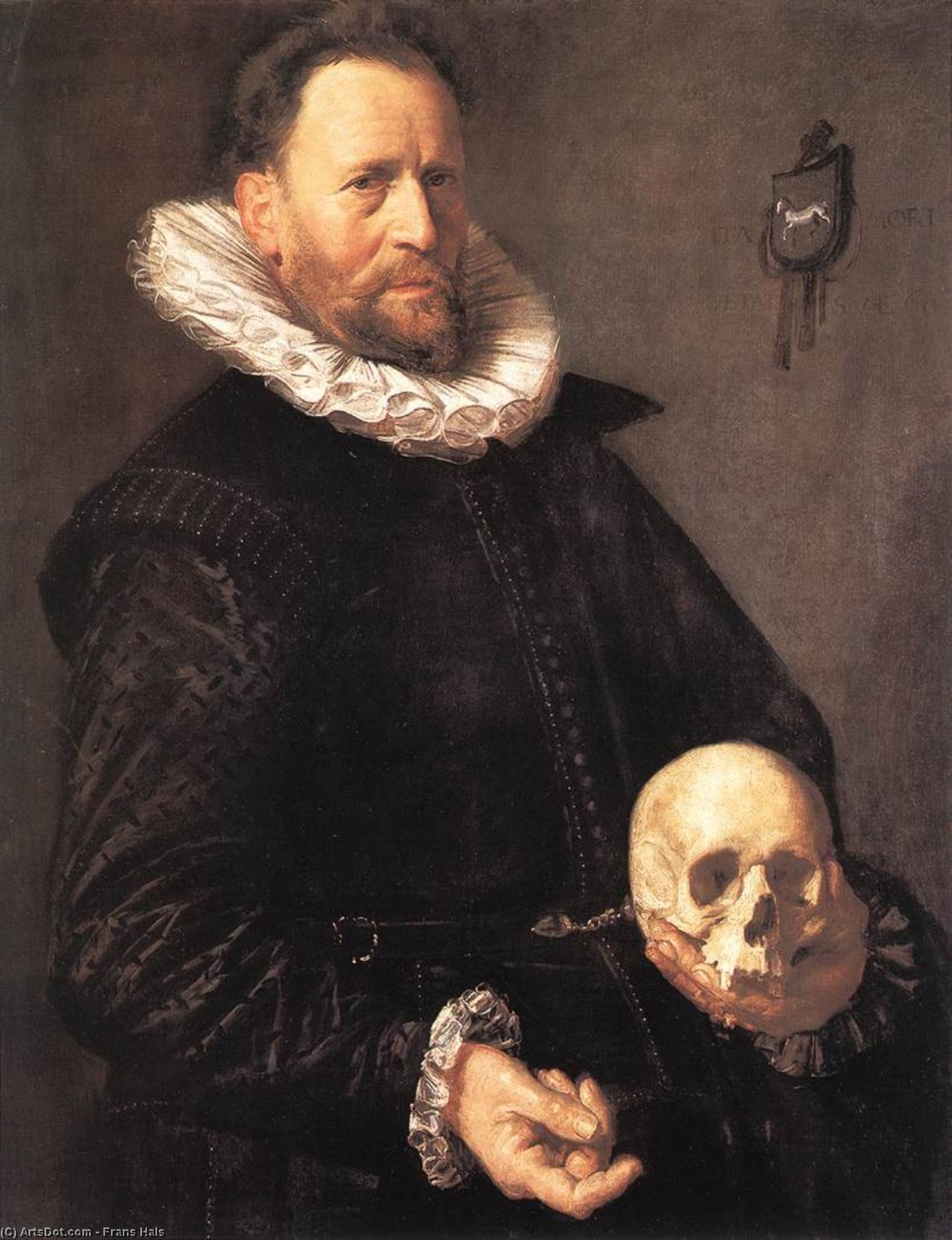
Portrait of a Man Holding a Skull
 Oil
Oil- WallArt
- Dutch Golden Age
 1611
1611- Early Modern
 94.0 x 72.0 cm
 Barber Institute of Fine Arts
 Ver más
Giclée / Impresión de arte
Impresiones giclée o en lienzo de calidad de museo con producción rápida y opciones de acabado flexibles. ( Comprar pintura hecha a mano Comprar imagen)




P118B $10

P118H $10

P118W $10

P438Z $10

P508JH $12

P508YH $12

P805H $10

P805Z $10

P919BZ $10

P919G $10

P919XJ $10

P959ZH $10

P968JZ $12

W106C $8

W218G $10

W218JH $8

W218Y $10

W307PJ $10

W316G $10

W316PJ $8

W316Y $10

W398PJ $8

W4111J $10

W500HY $15

W500JH $15

W692G $12

W849H $8

W940BG $15

W953PJ $8




Elija entre nuestros tamaños predefinidos que respetan las proporciones originales de la obra.

Puede introducir sus propias dimensiones para adaptarse a un marco o espacio específico. Si el tamaño seleccionado no coincide con las proporciones de la imagen original, recortaremos la obra de arte o extenderemos la imagen con un borde con efecto espejo o de color sólido. Se enviará una maqueta digital para su aprobación antes de que comience la producción.
Tenga en cuenta que la vista previa en pantalla no refleja el recorte o la extensión real. Solo la maqueta mostrará con precisión la composición final.
Aunque existen tamaños personalizados, recomendamos seleccionar una dimensión de la lista predefinida para preservar las proporciones originales.
Envío a todo el mundo () en 2 semanas en lugar de las 4/5 semanas estándar. (24 agosto)

Envío exprés gratuito a todo el mundo

Lienzo de lino de alta calidad

Seguro de envío total

Garantía de reembolso de impuestos aduaneros

Garantía de fidelidad cromática exacta

Política de devolución de 60 días (solo por defectos)

Garantía de devolución del 100% del dinero

Descuento por cantidad
 La opción de vidrio solo está disponible en tamaños inferiores a 110 cm.

Portrait of a Man Holding a Skull
Giclée / Impresión de arte
Dimensiones de la reproducción
-


Precio total final
$ 62
Descripción de la pieza
A Haunting Encounter with Mortality
In the quiet, contemplative depths of the Dutch Golden Age, few images command the viewer's attention with such visceral intensity as Frans Hals I’s “Portrait of a Man Holding a Skull.” Painted in 1611, this masterpiece serves as much more than a mere likeness of a gentleman; it is a profound, psychological encounter that bridges the gap between the living and the eternal. The subject, an impeccably dressed man adorned in a dark suit and a crisp, ruffled collar, stands before us not with the pride of status, but with the heavy weight of introspection. In his grasp, he holds a skull—a stark, anatomical reality that disrupts the elegance of his attire. This deliberate juxtaposition creates an immediate, breathtaking tension, forcing the observer to confront the memento mori theme: the inescapable truth that beneath all worldly finery lies the inevitability of decay.
The composition is masterfully orchestrated to draw the eye into a silent dialogue between beauty and terror. While the man’s clothing speaks of aristocratic stability and the burgeoning wealth of the Netherlands, the skull acts as a disruptive force, a tangible reminder of human vulnerability. The background, featuring subtle hints of a wall and a clock, adds a layer of temporal depth, suggesting that time itself is the silent witness to this confrontation. For the collector or the interior designer, this painting offers a centerpiece of immense intellectual gravity, providing a focal point that invites long periods of reflection and conversation.
The Revolutionary Hand of Frans Hals
What truly elevates this work into the pantheon of Baroque greatness is the inimitable technique of Frans Hals. Moving away from the polished, almost porcelain-like finishes favored by many of his contemporaries, Hals embraced a revolutionary, loose brushstroke that breathed life into the canvas. He utilized impasto—the thick, textured application of pigment—to build form and light, creating a sense of immediacy that feels remarkably modern even centuries later. This "sketchy" quality does not suggest incompleteness; rather, it captures the very essence of movement and spirit, allowing the light to dance across the folds of the ruffled collar and the rugged surface of the bone.
This expressive approach allows the viewer to feel the artist's presence in every stroke. The way the light catches the ridges of the paint lends a sculptural quality to the man’s face, heightening the psychological realism that became Hals’s hallmark. For those seeking to adorn a space with art, a high-quality reproduction of this piece brings not just a visual element, but a tactile energy. It is an invitation to experience the spontaneous, rhythmic vitality of the Dutch masters, where every brushstroke serves to deepen the emotional resonance of the subject's somber meditation.
A Timeless Addition to the Curated Space
Beyond its historical significance, “Portrait of a Man Holding a Skull” possesses an enduring emotional impact that transcends the era of its creation. It is a piece that speaks to the human condition—to our triumphs, our vanities, and our shared mortality. In a contemporary setting, such a painting acts as a sophisticated anchor, lending an air of academic prestige and soulful depth to a room. Whether placed in a library, a study, or a grand hallway, it challenges the viewer to look past the surface of things.
For the discerning art lover, owning a reproduction of this caliber is an opportunity to possess a fragment of history’s most poignant reflections. It is an investment in atmosphere, bringing into a home the same spirit of inquiry and dramatic brilliance that defined the 17th-century Netherlands. This painting does not merely decorate a wall; it transforms a space into a sanctuary for thought, making it an essential acquisition for anyone dedicated to the pursuit of art that moves the soul.
Obras relacionadas
Biografía del artista
Frans Hals I: Una Vida en Pinceladas
Frans Hals I fue un pintor holandés nacido en Amberes, Bélgica, alrededor de 1580. Aunque su vida temprana permanece algo envuelta en el misterio, llegó a convertirse en una de las figuras más importantes de la Edad de Oro Holandesa, celebrado por su innovadora pintura de retratos y escenas de género.
Vida Temprana y Formación
Los detalles que rodean los primeros años de Hals son escasos. Se cree que recibió formación artística inicial en Amberes, un centro prominente para la pintura en ese momento. Sin embargo, debido a las tensiones religiosas y políticas, su familia se trasladó a Haarlem, en los Países Bajos. Se convirtió en miembro de la Gremio de San Lucas de Haarlem en 1610, marcando el comienzo formal de su carrera profesional.
Estilo Artístico y Desarrollo
Hals se distinguió por un estilo fresco y espontáneo. A diferencia de muchos de sus contemporáneos que favorecían el detalle meticuloso, Hals empleaba un pincelada suelta y expresiva. Esta técnica impregnaba sus pinturas con una sensación de inmediatez y vitalidad, capturando la personalidad y carácter de sus sujetos de una manera revolucionaria para su época.
- Sus retratos no eran simplemente representaciones; eran estudios psicológicos.
- Destacó en la representación de momentos fugaces: risas, conversaciones o contemplación.
- El uso de luz y sombra por parte de Hals añadía profundidad y dramatismo a sus composiciones.
Obras Notables
Si bien Hals produjo una amplia gama de obras, es mejor conocido por sus retratos. Algunas de sus pinturas más celebradas incluyen:
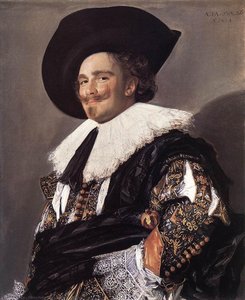
- El Caballero Risueño (1624) – Un ejemplo quintessential de su capacidad para capturar el carácter y el movimiento.
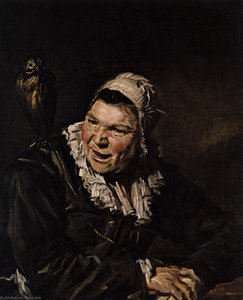
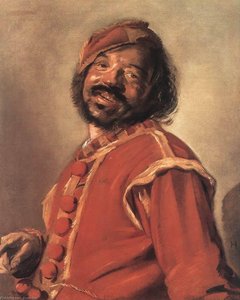
- Malle Babbe (c. 1633-1635) – Una representación impactante de una anciana, que muestra la habilidad de Hals para representar la edad y la personalidad.
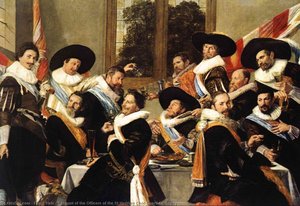
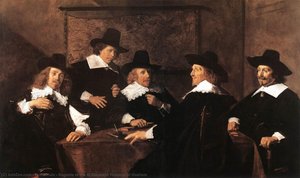
- Retratos de los Regentes del Hogar de Ancianos en Haarlem (1664) - Demostrando su maestría en la pintura de grupo.
También creó escenas de género convincentes – representaciones de la vida cotidiana – que ofrecían vislumbres de la sociedad holandesa.
Influencias y Legado
Determinar las influencias directas de Hals es un desafío, ya que desarrolló un estilo altamente individual. Sin embargo, es probable que estuviera al tanto del trabajo de pintores flamencos anteriores como Pieter Bruegel el Viejo. Su enfoque innovador en la pintura de retratos tuvo un profundo impacto en las generaciones posteriores de artistas.
- Influyó a artistas como Adriaen Brouwer y Johannes Vermeer.
- Su énfasis en capturar la personalidad allanó el camino para retratos más íntimos y psicológicos.
- Artistas posteriores, incluidos los impresionistas, admiraron su pincelada suelta y su enfoque en la luz.
Significado Histórico
Frans Hals I desempeñó un papel crucial en la configuración de la pintura holandesa durante la Edad de Oro. Su obra refleja la prosperidad creciente y el individualismo de los Países Bajos en ese momento. Se alejó de la formalidad rígida hacia un estilo más naturalista y expresivo, dejando un legado perdurable en el mundo del arte.
Hoy en día, sus pinturas son muy buscadas y se pueden encontrar en importantes museos de todo el mundo, incluido el Museo Frans Hals en Haarlem, que alberga la colección más grande de su obra. Sus contribuciones continúan inspirando a los artistas y cautivando al público siglos después.
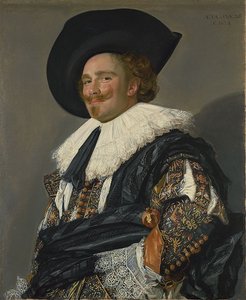
frans hals i
1580 - 1585 , Bélgica
Datos clave
- Artistic Movement Or Style: Edad Dorada Holandesa
- Artists Or Movements Influenced By This Artist:
- Adriaen Brouwer
- Johannes Vermeer
- Artists Who Influenced This Artist: ['Pieter Bruegel el Viejo']
- Date Of Birth: 1580
- Full Name: Frans Hals I
- Nationality: Holandés
- Notable Artworks:
- El Caballero Risueño
- Malle Babbe
- Retratos de los Regentes del Hogar de Ancianos
- Place Of Birth: Amberes, Bélgica
Artículos relacionados
Frans Hals I: Innovation, Intimacy & the Dutch Golden Age Portrait
Explore the revolutionary portraiture of Frans Hals I, a master of the Dutch Golden Age. Discover his innovative techniques, captivating character studies & lasting impact on art history. Learn more at ArtsDot.

Los 10 Maestros del Siglo de Oro Holandés: Arte, Historia y Decoración Exclusiva
Descubre los 10 imprescindibles del Siglo de Oro Holandés: Rembrandt, Vermeer y más. Explora la historia, técnica y belleza de estos lienzos clásicos. Encuentra reproducciones de arte exclusivas para decorar tu hogar en .

La Luz y la República: Innovación Artística en el Siglo de Oro Neerlandés
Descubra la innovación artística del Siglo de Oro Neerlandés. Explore las obras maestras de Rembrandt y Vermeer, técnicas revolucionarias y el legado perdurable de este florecimiento cultural. ¡Sumérjase en la luz y la belleza!

Reflejos de una Época Dorada: La Pintura Barroca Holandesa y la Innovación Cultural
Descubra la riqueza y el detalle de la pintura barroca holandesa del Siglo de Oro. Explore las obras maestras de Rembrandt, Vermeer y otros artistas clave. Análisis experto e historia cultural.
Illuminating Realism: Exploring the Dutch Golden Age of Painting (1600-1700)
Explore the Dutch Golden Age of painting (1600-1700) with ArtsDot. Discover Rembrandt, Vermeer & other masters. Learn about techniques, history & find museum-quality reproductions.