 Ver en contexto
 Enviar
 Compartir
 Detalles

 Descargar
 Similares
 Radiografía
 Presentación de diapositivas
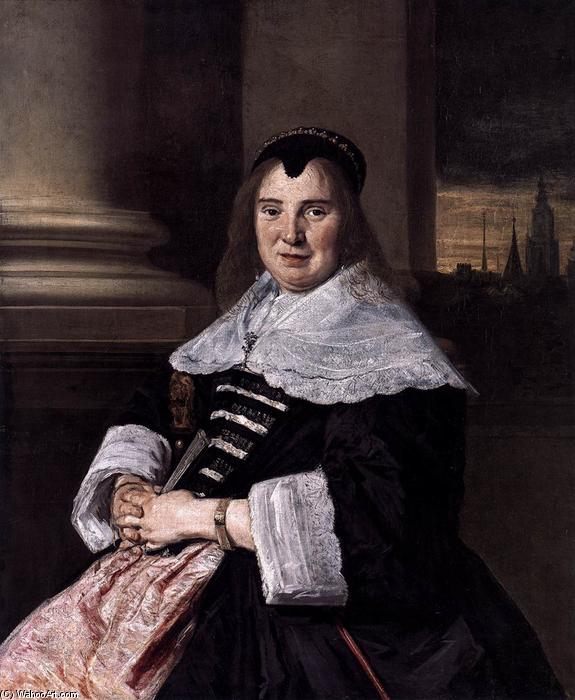
Portrait of a Woman
 Oil On Canvas
- WallArt
- Baroque Realism
 1650
1650- Early Modern
 100.0 x 82.0 cm
 Museo Metropolitano de Arte
 Ver más
Giclée / Impresión de arte
Impresiones giclée o en lienzo de calidad de museo con producción rápida y opciones de acabado flexibles. ( Comprar pintura hecha a mano Comprar imagen)




P118B $10

P118H $10

P118W $10

P438Z $10

P508JH $12

P508YH $12

P805H $10

P805Z $10

P919BZ $10

P919G $10

P919XJ $10

P959ZH $10

P968JZ $12

W106C $8

W218G $10

W218JH $8

W218Y $10

W307PJ $10

W316G $10

W316PJ $8

W316Y $10

W398PJ $8

W4111J $10

W500HY $15

W500JH $15

W692G $12

W849H $8

W940BG $15

W953PJ $8




Elija entre nuestros tamaños predefinidos que respetan las proporciones originales de la obra.

Puede introducir sus propias dimensiones para adaptarse a un marco o espacio específico. Si el tamaño seleccionado no coincide con las proporciones de la imagen original, recortaremos la obra de arte o extenderemos la imagen con un borde con efecto espejo o de color sólido. Se enviará una maqueta digital para su aprobación antes de que comience la producción.
Tenga en cuenta que la vista previa en pantalla no refleja el recorte o la extensión real. Solo la maqueta mostrará con precisión la composición final.
Aunque existen tamaños personalizados, recomendamos seleccionar una dimensión de la lista predefinida para preservar las proporciones originales.
Envío a todo el mundo () en 2 semanas en lugar de las 4/5 semanas estándar. (27 agosto)

Envío exprés gratuito a todo el mundo

Lienzo de lino de alta calidad

Seguro de envío total

Garantía de reembolso de impuestos aduaneros

Garantía de fidelidad cromática exacta

Política de devolución de 60 días (solo por defectos)

Garantía de devolución del 100% del dinero

Descuento por cantidad
 La opción de vidrio solo está disponible en tamaños inferiores a 110 cm.

Portrait of a Woman
Giclée / Impresión de arte
Dimensiones de la reproducción
-


Precio total final
$ 62
Descripción de la pieza
A Glimpse Through the Golden Age: The Soul of a Portrait
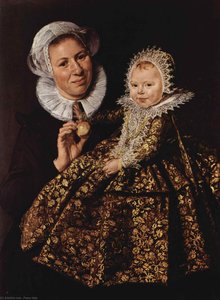
To stand before Frans Hals I’s "Portrait of a Woman" is to encounter a moment suspended in time, a direct confrontation with a spirit that has endured since 1650. In an era when Antwerp and Haarlem pulsed with the nervous energy of religious and political transformation, this masterpiece emerged not merely as a record of a face, but as a profound exploration of human dignity. The subject, seated in a poised profile, commands the canvas with a presence that feels remarkably immediate. There is no artifice here to mask her character; instead, Hals invites us into a private space where the weight of social standing meets the quiet intimacy of a single, captured breath.
The painting serves as a window into the Dutch Golden Age, a period defined by burgeoning mercantile wealth and a shift toward celebrating the beauty of everyday life. While many of his contemporaries sought to idealize their subjects through meticulous, almost frozen precision, Hals pioneered a style of Baroque realism that prioritized vitality over perfection. Through his masterful use of chiaroscuro, he orchestrates a dramatic dance between light and shadow, illuminating the delicate contours of the woman's face while allowing the background—a hazy, atmospheric vista of Haarlem rooftops—to recede into a soft, melancholic depth. This technique does more than create dimension; it imbues the sitter with a luminous, living quality that transcends the flat surface of the canvas.
The Mastery of the Brush: Technique and Texture
What truly distinguishes this work for the discerning collector is the revolutionary alla prima technique employed by the artist. By applying paint directly onto the canvas without the traditional layers of underpainting, Hals achieved a sense of spontaneity that was radical for his time. His brushstrokes are not merely tools of description but are expressive elements in their own right, creating textures that range from the smooth, porcelain-like skin of the subject to the heavy, tactile folds of her somber attire. This loose, energetic application allows light to catch the ridges of the paint, giving the portrait a rhythmic, breathing quality.
The color palette is a sophisticated study in restraint, dominated by muted browns, deep grays, and crisp whites. This tonal harmony reinforces the sense of solemnity and formal grace essential to a high-status commission. For those looking to integrate such a piece into a contemporary interior, its understated elegance offers a timeless anchor. Whether placed in a sunlit gallery or a moody, library-style study, the painting’s ability to command attention through subtle variation rather than garish color makes it an incomparable centerpiece for sophisticated decor.
A Legacy of Dignity and Emotion
Beyond the technical brilliance lies the emotional resonance of the piece. The subject's gaze, though directed away from the viewer in profile, suggests a profound inner life—a mixture of reserved strength and quiet contemplation. This is not a portrait designed for vanity, but one intended to commemorate an enduring legacy. The symbolic weight of her clothing and the structured composition reflect the social hierarchies of the 17th-century Netherlands, yet the human element remains universal.
For art lovers and interior designers alike, a high-quality reproduction of this work offers more than just aesthetic beauty; it brings a piece of history into the modern home. It is an invitation to slow down, to observe the interplay of light, and to connect with the profound human dignity that Frans Hals captured so effortlessly over three centuries ago. Owning such a piece is an act of preserving the spirit of the Baroque, ensuring that the flickering light of the Golden Age continues to illuminate our contemporary spaces.
Obras relacionadas
Biografía del artista
Frans Hals I: Una Vida en Pinceladas
Frans Hals I fue un pintor holandés nacido en Amberes, Bélgica, alrededor de 1580. Aunque su vida temprana permanece algo envuelta en el misterio, llegó a convertirse en una de las figuras más importantes de la Edad de Oro Holandesa, celebrado por su innovadora pintura de retratos y escenas de género.
Vida Temprana y Formación
Los detalles que rodean los primeros años de Hals son escasos. Se cree que recibió formación artística inicial en Amberes, un centro prominente para la pintura en ese momento. Sin embargo, debido a las tensiones religiosas y políticas, su familia se trasladó a Haarlem, en los Países Bajos. Se convirtió en miembro de la Gremio de San Lucas de Haarlem en 1610, marcando el comienzo formal de su carrera profesional.
Estilo Artístico y Desarrollo
Hals se distinguió por un estilo fresco y espontáneo. A diferencia de muchos de sus contemporáneos que favorecían el detalle meticuloso, Hals empleaba un pincelada suelta y expresiva. Esta técnica impregnaba sus pinturas con una sensación de inmediatez y vitalidad, capturando la personalidad y carácter de sus sujetos de una manera revolucionaria para su época.
- Sus retratos no eran simplemente representaciones; eran estudios psicológicos.
- Destacó en la representación de momentos fugaces: risas, conversaciones o contemplación.
- El uso de luz y sombra por parte de Hals añadía profundidad y dramatismo a sus composiciones.
Obras Notables
Si bien Hals produjo una amplia gama de obras, es mejor conocido por sus retratos. Algunas de sus pinturas más celebradas incluyen:
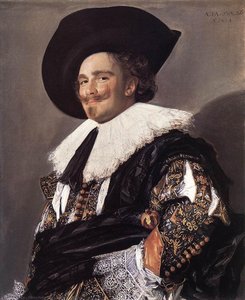
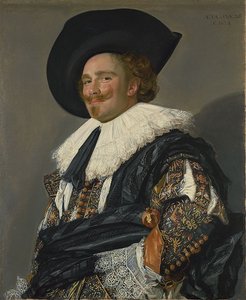
- El Caballero Risueño (1624) – Un ejemplo quintessential de su capacidad para capturar el carácter y el movimiento.
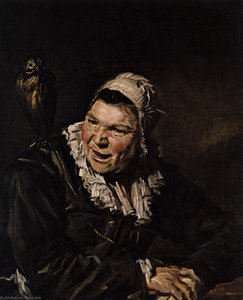
- Malle Babbe (c. 1633-1635) – Una representación impactante de una anciana, que muestra la habilidad de Hals para representar la edad y la personalidad.
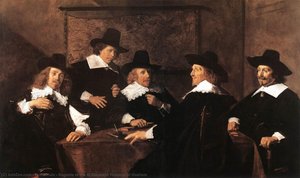
- Retratos de los Regentes del Hogar de Ancianos en Haarlem (1664) - Demostrando su maestría en la pintura de grupo.
También creó escenas de género convincentes – representaciones de la vida cotidiana – que ofrecían vislumbres de la sociedad holandesa.
Influencias y Legado
Determinar las influencias directas de Hals es un desafío, ya que desarrolló un estilo altamente individual. Sin embargo, es probable que estuviera al tanto del trabajo de pintores flamencos anteriores como Pieter Bruegel el Viejo. Su enfoque innovador en la pintura de retratos tuvo un profundo impacto en las generaciones posteriores de artistas.
- Influyó a artistas como Adriaen Brouwer y Johannes Vermeer.
- Su énfasis en capturar la personalidad allanó el camino para retratos más íntimos y psicológicos.
- Artistas posteriores, incluidos los impresionistas, admiraron su pincelada suelta y su enfoque en la luz.
Significado Histórico
Frans Hals I desempeñó un papel crucial en la configuración de la pintura holandesa durante la Edad de Oro. Su obra refleja la prosperidad creciente y el individualismo de los Países Bajos en ese momento. Se alejó de la formalidad rígida hacia un estilo más naturalista y expresivo, dejando un legado perdurable en el mundo del arte.
Hoy en día, sus pinturas son muy buscadas y se pueden encontrar en importantes museos de todo el mundo, incluido el Museo Frans Hals en Haarlem, que alberga la colección más grande de su obra. Sus contribuciones continúan inspirando a los artistas y cautivando al público siglos después.
frans hals i
1580 - 1585 , Bélgica
Datos clave
- Artistic Movement Or Style: Edad Dorada Holandesa
- Artists Or Movements Influenced By This Artist:
- Adriaen Brouwer
- Johannes Vermeer
- Artists Who Influenced This Artist: ['Pieter Bruegel el Viejo']
- Date Of Birth: 1580
- Full Name: Frans Hals I
- Nationality: Holandés
- Notable Artworks:
- El Caballero Risueño
- Malle Babbe
- Retratos de los Regentes del Hogar de Ancianos
- Place Of Birth: Amberes, Bélgica
Artículos relacionados
Frans Hals I: Innovation, Intimacy & the Dutch Golden Age Portrait
Explore the revolutionary portraiture of Frans Hals I, a master of the Dutch Golden Age. Discover his innovative techniques, captivating character studies & lasting impact on art history. Learn more at ArtsDot.

Los 10 Maestros del Siglo de Oro Holandés: Arte, Historia y Decoración Exclusiva
Descubre los 10 imprescindibles del Siglo de Oro Holandés: Rembrandt, Vermeer y más. Explora la historia, técnica y belleza de estos lienzos clásicos. Encuentra reproducciones de arte exclusivas para decorar tu hogar en .

La Luz y la República: Innovación Artística en el Siglo de Oro Neerlandés
Descubra la innovación artística del Siglo de Oro Neerlandés. Explore las obras maestras de Rembrandt y Vermeer, técnicas revolucionarias y el legado perdurable de este florecimiento cultural. ¡Sumérjase en la luz y la belleza!

Reflejos de una Época Dorada: La Pintura Barroca Holandesa y la Innovación Cultural
Descubra la riqueza y el detalle de la pintura barroca holandesa del Siglo de Oro. Explore las obras maestras de Rembrandt, Vermeer y otros artistas clave. Análisis experto e historia cultural.
Illuminating Realism: Exploring the Dutch Golden Age of Painting (1600-1700)
Explore the Dutch Golden Age of painting (1600-1700) with ArtsDot. Discover Rembrandt, Vermeer & other masters. Learn about techniques, history & find museum-quality reproductions.