 Ver en contexto
 Enviar
 Compartir
 Detalles

 Descargar
 Similares
 Radiografía
 Presentación de diapositivas
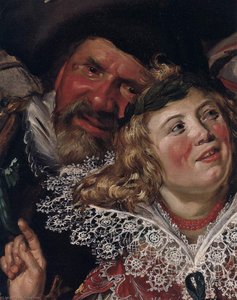
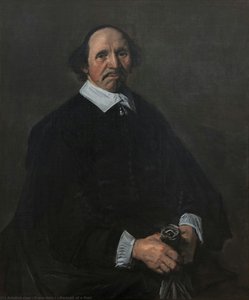
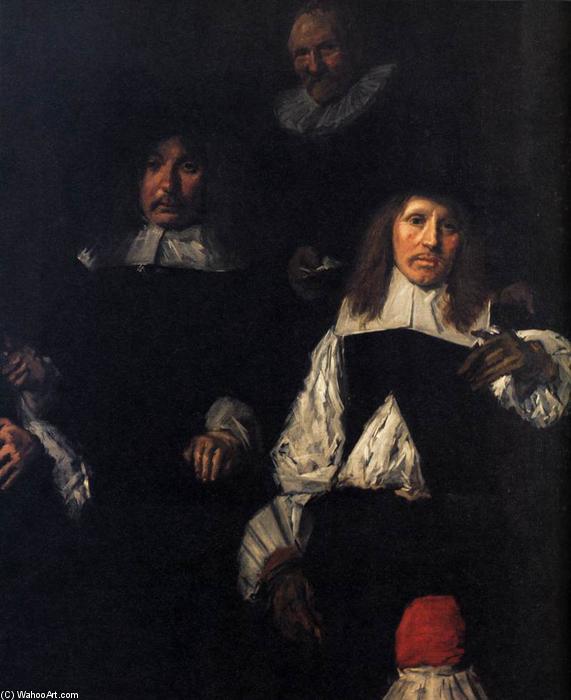
Regents of the Old Men's Almshouse (detail)


 Ver más
Reproducción al óleo hecha a mano
Óleo sobre lienzo pintado a mano en el tamaño y marco de su elección, realizado por encargo por nuestros artistas. ( Comprar impresión Comprar imagen)




P118B $10

P118H $10

P118W $10

P438Z $10

P508JH $12

P508YH $12

P805H $10

P805Z $10

P919BZ $10

P919G $10

P919XJ $10

P959ZH $10

P968JZ $12

W106C $8

W218G $10

W218JH $8

W218Y $10

W307PJ $10

W316G $10

W316PJ $8

W316Y $10

W398PJ $8

W4111J $10

W500HY $15

W500JH $15

W692G $12

W849H $8

W940BG $15

W953PJ $8




Elija entre nuestros tamaños predefinidos que respetan las proporciones originales de la obra.

Puede ingresar sus propias dimensiones para adaptarse a un marco o espacio específico. Si el tamaño seleccionado no coincide con las proporciones de la imagen original, recortaremos la obra o extenderemos la pintura con elementos adicionales pintados a mano. Se le enviará una maqueta digital para su aprobación antes de comenzar la producción.
Tenga en cuenta que la vista previa en pantalla no refleja el recorte o la extensión reales. Solo la maqueta mostrará con precisión la composición final.
Si bien existen tamaños personalizados, recomendamos seleccionar una dimensión de la lista predefinida para preservar las proporciones originales.
Tras realizar el pedido, el equipo de ArtsDot.com enviará un correo electrónico al cliente para solicitar instrucciones y proporcionarle una vista previa del boceto.
Envío a todo el mundo () en 3-4 semanas en lugar de las 5 semanas estándar. (2 septiembre). Sin comprometer la calidad.

Envío exprés gratuito a todo el mundo

Lienzo de lino de alta calidad

Seguro de envío total

Garantía de reembolso de impuestos aduaneros

Garantía de fidelidad cromática exacta

Política de devolución de 60 días (solo por defectos)

Garantía de devolución del 100% del dinero

Descuento por cantidad
 La opción de vidrio solo está disponible en tamaños inferiores a 110 cm.

Regents of the Old Men's Almshouse (detail)
Técnica de reproducción
Dimensiones de la reproducción
-


Precio total final
$ 313
A Glimpse of Authority: Frans Hals’ Regents of the Old Men's Almshouse
Frans Hals’ “Regents of the Old Men’s Almshouse (detail)” isn’t merely a portrait; it’s a carefully constructed tableau of civic responsibility, quiet contemplation, and the subtle drama inherent in human interaction. Painted in 1664, this intimate study – a fragment pulled from a larger composition – offers an unparalleled window into the social fabric of Haarlem during the Dutch Golden Age. Hals, renowned for his ability to capture fleeting moments and individual character with remarkable immediacy, has here distilled the essence of authority and the weight of obligation into a remarkably restrained yet profoundly affecting image.
The scene unfolds within the dimly lit confines of an almshouse, a charitable institution providing refuge for elderly men. Three figures dominate the composition: prominent citizens, likely regents or overseers entrusted with managing the almshouse’s affairs. Their formal attire – dark coats, crisp collars, and meticulously arranged periwigs – speaks to their status and the gravity of their roles. Yet, Hals doesn't present them as imposing figures of power; instead, he imbues them with a palpable sense of humanity. The slight turn of a head, the subtle furrow of a brow, the carefully controlled expressions all hint at the complexities beneath the surface of official duty.
The Language of Brushstroke: Hals’ Revolutionary Technique
Hals' genius lies not in meticulous detail but in his revolutionary approach to brushwork. He eschewed the smooth, polished surfaces favored by many of his contemporaries, opting instead for a loose, expressive style characterized by visible strokes and a vibrant sense of movement. In “Regents,” this technique is particularly evident in the rendering of the fabrics – the heavy folds of the coats, the delicate texture of the collars, and the subtle sheen of the periwigs. These aren’t simply representations of material; they are imbued with life through Hals' masterful manipulation of paint.
Notice how he builds up layers of color with rapid, broken strokes, creating a sense of immediacy and spontaneity. The shadows are not blended smoothly but rather defined by distinct brushstrokes, adding depth and volume to the figures. This technique, combined with his use of light – a single, strong source illuminating the subjects from the left – creates a dramatic interplay of highlights and shadows that draws the viewer’s eye and emphasizes their features. The painting feels almost as if it's caught in a fleeting moment, a snapshot of a conversation frozen in time.
Symbolism and Emotional Resonance
Beyond its formal portraiture, “Regents” is rich with symbolic meaning. The almshouse itself represents the values of compassion and social responsibility – hallmarks of Dutch society during the 17th century. The somber expressions on the men’s faces suggest a sense of duty, perhaps even melancholy, reflecting the burdens they carry in their roles. The triangular composition, anchored by the figures' positions, reinforces this feeling of stability and shared purpose.
However, there’s also an undercurrent of quiet dignity and restraint. Hals doesn’t depict these men as heroes or paragons of virtue; rather, he presents them as ordinary individuals grappling with complex responsibilities. The subtle smiles, the averted gazes – they hint at a shared understanding, a silent acknowledgment of the weight of their obligations. The painting's monochromatic palette further enhances this sense of gravitas, stripping away any distractions and focusing attention on the figures’ expressions and gestures.
A Window into Haarlem’s Soul
“Regents of the Old Men’s Almshouse (detail)” is more than just a portrait; it's a poignant reflection of Dutch society at its finest. It offers a rare glimpse into the lives of ordinary citizens, revealing their values, responsibilities, and the quiet dignity they brought to their roles. Reproductions of this captivating work capture not only Hals’ technical brilliance but also the emotional depth and social significance that make it one of the most enduring images of the Dutch Golden Age. Consider commissioning a high-quality reproduction – a tangible reminder of this powerful testament to human compassion and civic duty.
Obras relacionadas
Biografía del artista
Frans Hals I: Una Vida en Pinceladas
Frans Hals I fue un pintor holandés nacido en Amberes, Bélgica, alrededor de 1580. Aunque su vida temprana permanece algo envuelta en el misterio, llegó a convertirse en una de las figuras más importantes de la Edad de Oro Holandesa, celebrado por su innovadora pintura de retratos y escenas de género.
Vida Temprana y Formación
Los detalles que rodean los primeros años de Hals son escasos. Se cree que recibió formación artística inicial en Amberes, un centro prominente para la pintura en ese momento. Sin embargo, debido a las tensiones religiosas y políticas, su familia se trasladó a Haarlem, en los Países Bajos. Se convirtió en miembro de la Gremio de San Lucas de Haarlem en 1610, marcando el comienzo formal de su carrera profesional.
Estilo Artístico y Desarrollo
Hals se distinguió por un estilo fresco y espontáneo. A diferencia de muchos de sus contemporáneos que favorecían el detalle meticuloso, Hals empleaba un pincelada suelta y expresiva. Esta técnica impregnaba sus pinturas con una sensación de inmediatez y vitalidad, capturando la personalidad y carácter de sus sujetos de una manera revolucionaria para su época.
- Sus retratos no eran simplemente representaciones; eran estudios psicológicos.
- Destacó en la representación de momentos fugaces: risas, conversaciones o contemplación.
- El uso de luz y sombra por parte de Hals añadía profundidad y dramatismo a sus composiciones.
Obras Notables
Si bien Hals produjo una amplia gama de obras, es mejor conocido por sus retratos. Algunas de sus pinturas más celebradas incluyen:
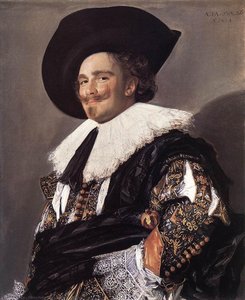
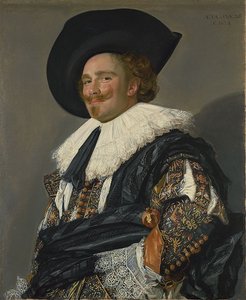
- El Caballero Risueño (1624) – Un ejemplo quintessential de su capacidad para capturar el carácter y el movimiento.
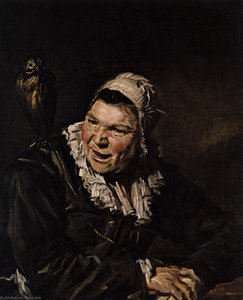
- Malle Babbe (c. 1633-1635) – Una representación impactante de una anciana, que muestra la habilidad de Hals para representar la edad y la personalidad.
- Retratos de los Regentes del Hogar de Ancianos en Haarlem (1664) - Demostrando su maestría en la pintura de grupo.
También creó escenas de género convincentes – representaciones de la vida cotidiana – que ofrecían vislumbres de la sociedad holandesa.
Influencias y Legado
Determinar las influencias directas de Hals es un desafío, ya que desarrolló un estilo altamente individual. Sin embargo, es probable que estuviera al tanto del trabajo de pintores flamencos anteriores como Pieter Bruegel el Viejo. Su enfoque innovador en la pintura de retratos tuvo un profundo impacto en las generaciones posteriores de artistas.
- Influyó a artistas como Adriaen Brouwer y Johannes Vermeer.
- Su énfasis en capturar la personalidad allanó el camino para retratos más íntimos y psicológicos.
- Artistas posteriores, incluidos los impresionistas, admiraron su pincelada suelta y su enfoque en la luz.
Significado Histórico
Frans Hals I desempeñó un papel crucial en la configuración de la pintura holandesa durante la Edad de Oro. Su obra refleja la prosperidad creciente y el individualismo de los Países Bajos en ese momento. Se alejó de la formalidad rígida hacia un estilo más naturalista y expresivo, dejando un legado perdurable en el mundo del arte.
Hoy en día, sus pinturas son muy buscadas y se pueden encontrar en importantes museos de todo el mundo, incluido el Museo Frans Hals en Haarlem, que alberga la colección más grande de su obra. Sus contribuciones continúan inspirando a los artistas y cautivando al público siglos después.
frans hals i
1580 - 1585 , Bélgica
Datos clave
- Artistic Movement Or Style: Edad Dorada Holandesa
- Artists Or Movements Influenced By This Artist:
- Adriaen Brouwer
- Johannes Vermeer
- Artists Who Influenced This Artist: ['Pieter Bruegel el Viejo']
- Date Of Birth: 1580
- Full Name: Frans Hals I
- Nationality: Holandés
- Notable Artworks:
- El Caballero Risueño
- Malle Babbe
- Retratos de los Regentes del Hogar de Ancianos
- Place Of Birth: Amberes, Bélgica
Artículos relacionados
Frans Hals I: Innovation, Intimacy & the Dutch Golden Age Portrait
Explore the revolutionary portraiture of Frans Hals I, a master of the Dutch Golden Age. Discover his innovative techniques, captivating character studies & lasting impact on art history. Learn more at ArtsDot.

Los 10 Maestros del Siglo de Oro Holandés: Arte, Historia y Decoración Exclusiva
Descubre los 10 imprescindibles del Siglo de Oro Holandés: Rembrandt, Vermeer y más. Explora la historia, técnica y belleza de estos lienzos clásicos. Encuentra reproducciones de arte exclusivas para decorar tu hogar en .

La Luz y la República: Innovación Artística en el Siglo de Oro Neerlandés
Descubra la innovación artística del Siglo de Oro Neerlandés. Explore las obras maestras de Rembrandt y Vermeer, técnicas revolucionarias y el legado perdurable de este florecimiento cultural. ¡Sumérjase en la luz y la belleza!
Illuminating Realism: Exploring the Dutch Golden Age of Painting (1600-1700)
Explore the Dutch Golden Age of painting (1600-1700) with ArtsDot. Discover Rembrandt, Vermeer & other masters. Learn about techniques, history & find museum-quality reproductions.

Reflejos de una Época Dorada: La Pintura Barroca Holandesa y la Innovación Cultural
Descubra la riqueza y el detalle de la pintura barroca holandesa del Siglo de Oro. Explore las obras maestras de Rembrandt, Vermeer y otros artistas clave. Análisis experto e historia cultural.