 Ver en contexto
 Enviar
 Compartir
 Detalles

 Descargar
 Similares
 Radiografía
 Presentación de diapositivas
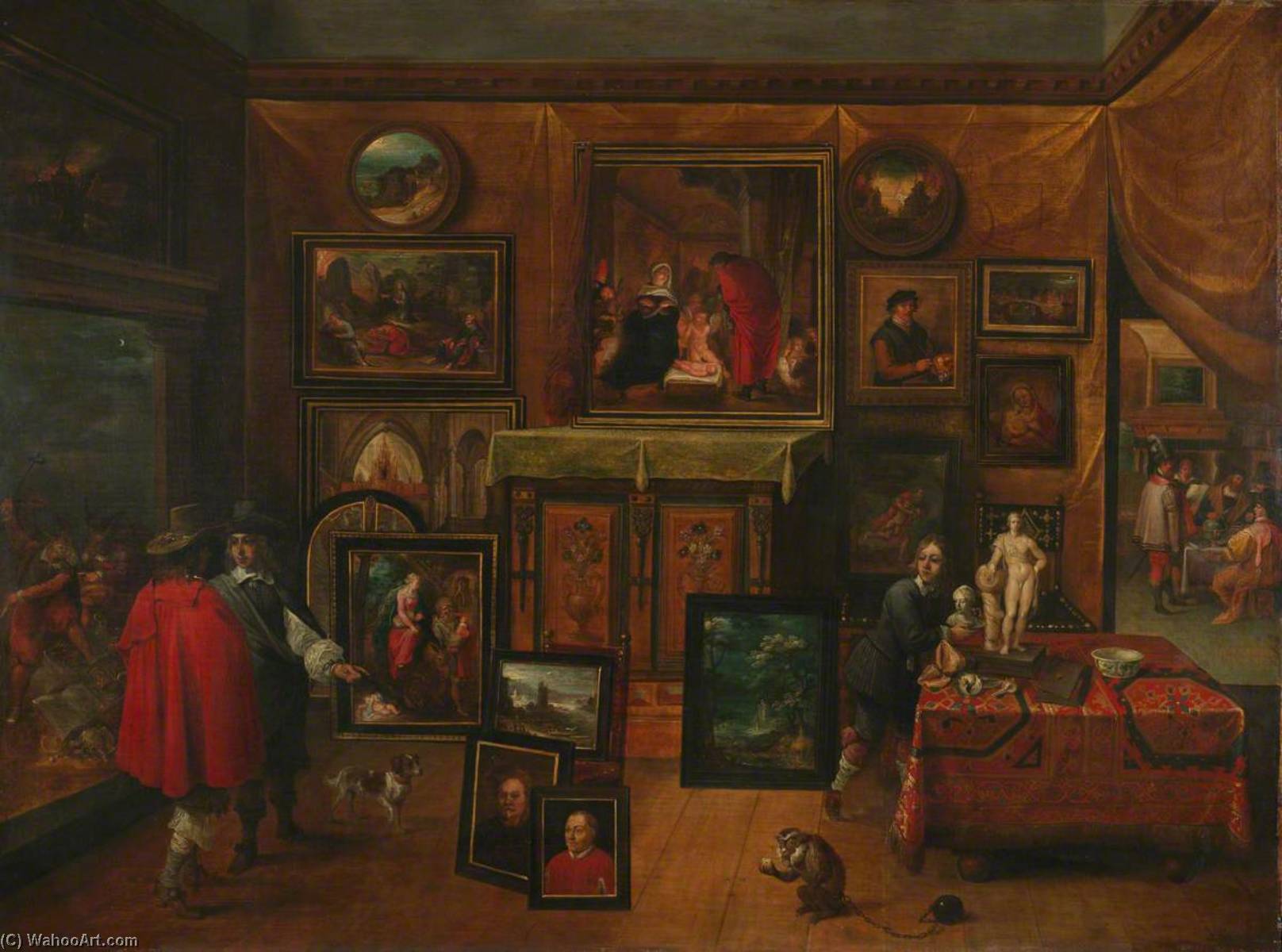
The Interior of a Picture Gallery
 Oil On Canvas
- WallArt
- Baroque
 1640
1640 59.0 x 79.0 cm
 Galería Courtauld
 Ver más
Giclée / Impresión de arte
Impresiones giclée o en lienzo de calidad de museo con producción rápida y opciones de acabado flexibles. ( Comprar pintura hecha a mano Comprar imagen)




P118B $10

P118H $10

P118W $10

P438Z $10

P508JH $12

P508YH $12

P805H $10

P805Z $10

P919BZ $10

P919G $10

P919XJ $10

P959ZH $10

P968JZ $12

W106C $8

W218G $10

W218JH $8

W218Y $10

W307PJ $10

W316G $10

W316PJ $8

W316Y $10

W398PJ $8

W4111J $10

W500HY $15

W500JH $15

W692G $12

W849H $8

W940BG $15

W953PJ $8




Elija entre nuestros tamaños predefinidos que respetan las proporciones originales de la obra.

Puede introducir sus propias dimensiones para adaptarse a un marco o espacio específico. Si el tamaño seleccionado no coincide con las proporciones de la imagen original, recortaremos la obra de arte o extenderemos la imagen con un borde con efecto espejo o de color sólido. Se enviará una maqueta digital para su aprobación antes de que comience la producción.
Tenga en cuenta que la vista previa en pantalla no refleja el recorte o la extensión real. Solo la maqueta mostrará con precisión la composición final.
Aunque existen tamaños personalizados, recomendamos seleccionar una dimensión de la lista predefinida para preservar las proporciones originales.
Envío a todo el mundo () en 2 semanas en lugar de las 4/5 semanas estándar. (28 agosto)

Envío exprés gratuito a todo el mundo

Lienzo de lino de alta calidad

Seguro de envío total

Garantía de reembolso de impuestos aduaneros

Garantía de fidelidad cromática exacta

Política de devolución de 60 días (solo por defectos)

Garantía de devolución del 100% del dinero

Descuento por cantidad
 La opción de vidrio solo está disponible en tamaños inferiores a 110 cm.

The Interior of a Picture Gallery
Giclée / Impresión de arte
Dimensiones de la reproducción
-


Precio total final
$ 62
A Window into Wealth and Taste: Frans Francken III’s ‘Interior of a Picture Gallery’
Frans Francken III's “Interior of a Picture Gallery” (circa 1640) isn’t merely a painting; it’s a meticulously crafted tableau vivant, a frozen moment within the opulent world of a wealthy collector. Painted during the height of the Flemish Baroque period, this work transports us to a lavish interior—likely an art gallery or private study—overflowing with the tangible symbols of status and refined taste. It's a scene brimming with quiet activity, suggesting a gathering of discerning individuals appreciating the fruits of their considerable wealth, and it speaks volumes about the values and aesthetics of 17th-century Europe.
The composition immediately draws the eye into a carefully orchestrated space. The perspective is subtly flattened, creating an illusion of depth through layering – multiple framed paintings, imposing sculptures, and figures engaged in various activities all vying for attention. Francken masterfully employs light to enhance this sense of volume; it seems to emanate from several sources, casting dramatic shadows that add a remarkable three-dimensionality to the scene. The color palette is rich and saturated—deep reds, browns, and golds dominate, punctuated by touches of blue and green within the artworks themselves – reflecting the luxurious materials and refined sensibilities of its imagined patrons.
The Baroque Vision: Style and Technique
Francken’s style firmly places this work within the Baroque tradition. Notice the dynamism in the arrangement of objects, the dramatic lighting, and the meticulous detail with which each element is rendered. The brushwork is remarkably fine, creating a sense of texture that invites close inspection – one can almost feel the velvet upholstery, the polished marble, and the intricate details of the paintings themselves. The figures are not idealized; they possess a certain realism, conveying a sense of human interaction and engagement with their surroundings. This isn’t a static portrait but a lively scene capturing a specific moment in time.
Technically, Francken demonstrates a remarkable understanding of color theory and glazing techniques. The layering of translucent paint creates a luminous quality, particularly evident in the reflections on the polished surfaces. The artist's skill is further showcased in his ability to depict complex textures – from the folds of fabric to the rough surface of stone sculptures – with astonishing accuracy. This level of detail speaks to Francken’s dedication and mastery of his craft.
Symbolism and Social Commentary
Beyond its aesthetic beauty, “Interior of a Picture Gallery” offers a subtle commentary on the social dynamics of the era. The scene depicts a gathering of men – presumably wealthy merchants or collectors – admiring a collection of artworks. The presence of several figures engaged in conversation suggests an exchange of ideas and opinions, highlighting the importance of intellectual pursuits within this elite circle. The inclusion of objects like sculptures and tapestries further reinforces the notion that wealth was not merely about material possessions but also about demonstrating cultural refinement and erudition.
Interestingly, a closer look reveals a touch of irony. The figures are dressed in elaborate attire, yet one figure on the left is depicted with a donkey’s head, a potent symbol of ignorance and folly. This detail subtly challenges the notion that wealth automatically equates to wisdom or virtue, suggesting a critical awareness of societal values.
A Legacy of Grandeur: Historical Context
Painted in 1640, this work reflects the flourishing art market of Antwerp during the Dutch Golden Age. The city was a major center for artistic production and trade, attracting wealthy patrons from across Europe who sought to acquire prestigious artworks. Frans Francken III’s “Interior of a Picture Gallery” exemplifies this trend, capturing the spirit of an era defined by both economic prosperity and artistic innovation. The painting's popularity is testament to its ability to capture the essence of a particular social milieu – a world where art was not just admired but actively consumed as a symbol of status and sophistication.
Obras relacionadas

Biografía del artista
Frans Francken III: Vida y Legado
Infancia Temprana y Orígenes Familiares
Frans Francken III nació en Amberes, Bélgica, en 1581, dentro de una familia prolífica de artistas. Era el hijo de Frans Francken II y Elisabeth Placquet, ambos pintores también. Esta herencia artística familiar moldeó significativamente su desarrollo temprano y su trayectoria profesional. La familia Francken desempeñó un papel crucial en la escena artística de Amberes durante generaciones, estableciendo una sólida base para el éxito futuro de Frans III.
Formación Artística y Afiliación a la Guilda
Frans Francken III recibió su formación artística dentro del taller de su padre, absorbiendo las técnicas y estilos predominantes en ese momento. Se convirtió en maestro en la Guilda de San Lucas de Amberes en 1639, lo que significaba su reconocimiento profesional como artista independiente. Más tarde, sirvió como decano de la guilda de 1656 a 1666, demostrando su liderazgo dentro de la comunidad artística.
Estilo Artístico e Influencias
El estilo de Francken III está firmemente arraigado en la tradición barroca flamenca. Se especializó en escenas de género, retratos y lo que se conocen como “pinturas de gabinete” – obras a pequeña escala destinadas a colecciones privadas. Su obra demuestra un agudo ojo para el detalle, colores vibrantes y composiciones dinámicas. Pedro Pablo Rubens fue una influencia significativa en su estilo, ganándose el apodo de “Francken al estilo de Rubens”. Incorporó hábilmente elementos del dramatismo de la luz y las figuras enérgicas de Rubens en su propia visión artística.
Temas y Sujetos Clave
- Escenas de Género: Francken III representaba con frecuencia la vida cotidiana, a menudo con un tono moralizante o satírico.
- Retratos: Creó retratos individuales y grupales, capturando los rasgos de ciudadanos prominentes y miembros de la aristocracia.
- Pinturas de Galería: Su contribución más distintiva fue el desarrollo de las pinturas de galería – representaciones elaboradas de coleccionistas de arte rodeados de sus posesiones más preciadas. Estas obras ofrecen una fascinante visión de los hábitos de colección y los gustos artísticos del siglo XVII.
- Escenas Históricas y Religiosas: También produjo composiciones históricas y religiosas, a menudo inspirándose en historias bíblicas y mitología clásica.
Logros Importantes y Obras Notables
La prolífica producción de Francken III incluye numerosas obras significativas que muestran su habilidad artística y versatilidad. Algunas de sus pinturas más notables incluyen:
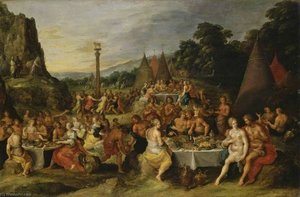
- Arcadia – La Edad Dorada: Una fiesta lujosa que ejemplifica su estilo “al estilo de Rubens”.
- El Interior de una Galería de Pinturas (1640): Una representación detallada del entorno de un coleccionista de arte, mostrando arte opulento y vida social.
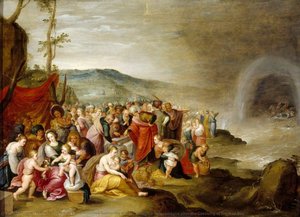
- La Adoración del Toro Dorado: Una escena bíblica dramática que demuestra su dominio de la composición y el color.
Enseñanza y Legado
Frans Francken III también fue un profesor respetado, transmitiendo sus conocimientos y habilidades a artistas aspirantes como Carstian Luyckx y Jan Baptist Segaert. Murió en Amberes en 1642. Su legado reside en su capacidad para capturar el espíritu de su tiempo a través de escenas de género vibrantes, retratos perspicaces y pinturas de galería innovadoras. Aunque a menudo eclipsado por Rubens, Francken III sigue siendo una figura importante en el arte barroco flamenco, ofreciendo una perspectiva única sobre la vida y la cultura artística del siglo XVII.
Significado Histórico
El trabajo de Francken III proporciona información valiosa sobre el panorama social, cultural y artístico del siglo XVII en Flandes. Sus pinturas de galería, en particular, son significativas por su documentación de las prácticas de colección de arte y el estatus cambiante de los artistas dentro de la sociedad. Ayudó a popularizar este género, influyendo en generaciones posteriores de pintores.
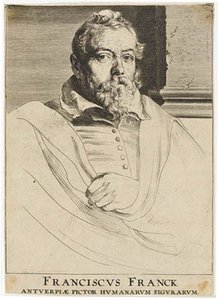
Frans Francken Iii
1581 - 1642 , Bélgica
Datos clave
- Artistic Movement Or Style: Flemish Baroque
- Artists Or Movements Influenced By This Artist: ['David Teniers the Younger']
- Artists Who Influenced This Artist: ['Peter Paul Rubens']
- Date Of Birth: 1581 Antwerp Belgium
- Date Of Death: 1642 Antwerp Belgium
- Full Name: Frans Francken III
- Nationality: Flemish
- Notable Artworks:
- Arcadia – The Golden Age
- The Interior of a Picture Gallery (1640)
- The Worship Of The Calf
- Place Of Birth: Antwerp
Artículos relacionados

Reflejos de una Época Dorada: La Pintura Barroca Holandesa y la Innovación Cultural
Descubra la riqueza y el detalle de la pintura barroca holandesa del Siglo de Oro. Explore las obras maestras de Rembrandt, Vermeer y otros artistas clave. Análisis experto e historia cultural.

Los 10 Maestros del Siglo de Oro Holandés: Arte, Historia y Decoración Exclusiva
Descubre los 10 imprescindibles del Siglo de Oro Holandés: Rembrandt, Vermeer y más. Explora la historia, técnica y belleza de estos lienzos clásicos. Encuentra reproducciones de arte exclusivas para decorar tu hogar en .

Los 10 Maestros del Barroco Holandés: Obras que Definen una Época | ArtsDot
Descubre los 10 imprescindibles del Barroco holandés: Rembrandt, Vermeer y más. Explora la historia, técnica y belleza de estas obras maestras. Reproducciones de arte en ArtsDot.com para decorar tu hogar con elegancia.

La Luz y la República: Innovación Artística en el Siglo de Oro Neerlandés
Descubra la innovación artística del Siglo de Oro Neerlandés. Explore las obras maestras de Rembrandt y Vermeer, técnicas revolucionarias y el legado perdurable de este florecimiento cultural. ¡Sumérjase en la luz y la belleza!
Illuminating Realism: Exploring the Dutch Golden Age of Painting (1600-1700)
Explore the Dutch Golden Age of painting (1600-1700) with ArtsDot. Discover Rembrandt, Vermeer & other masters. Learn about techniques, history & find museum-quality reproductions.