

 Ver en contexto
 Enviar
 Compartir
 Detalles

 Descargar
 Similares
 Radiografía
 Presentación de diapositivas
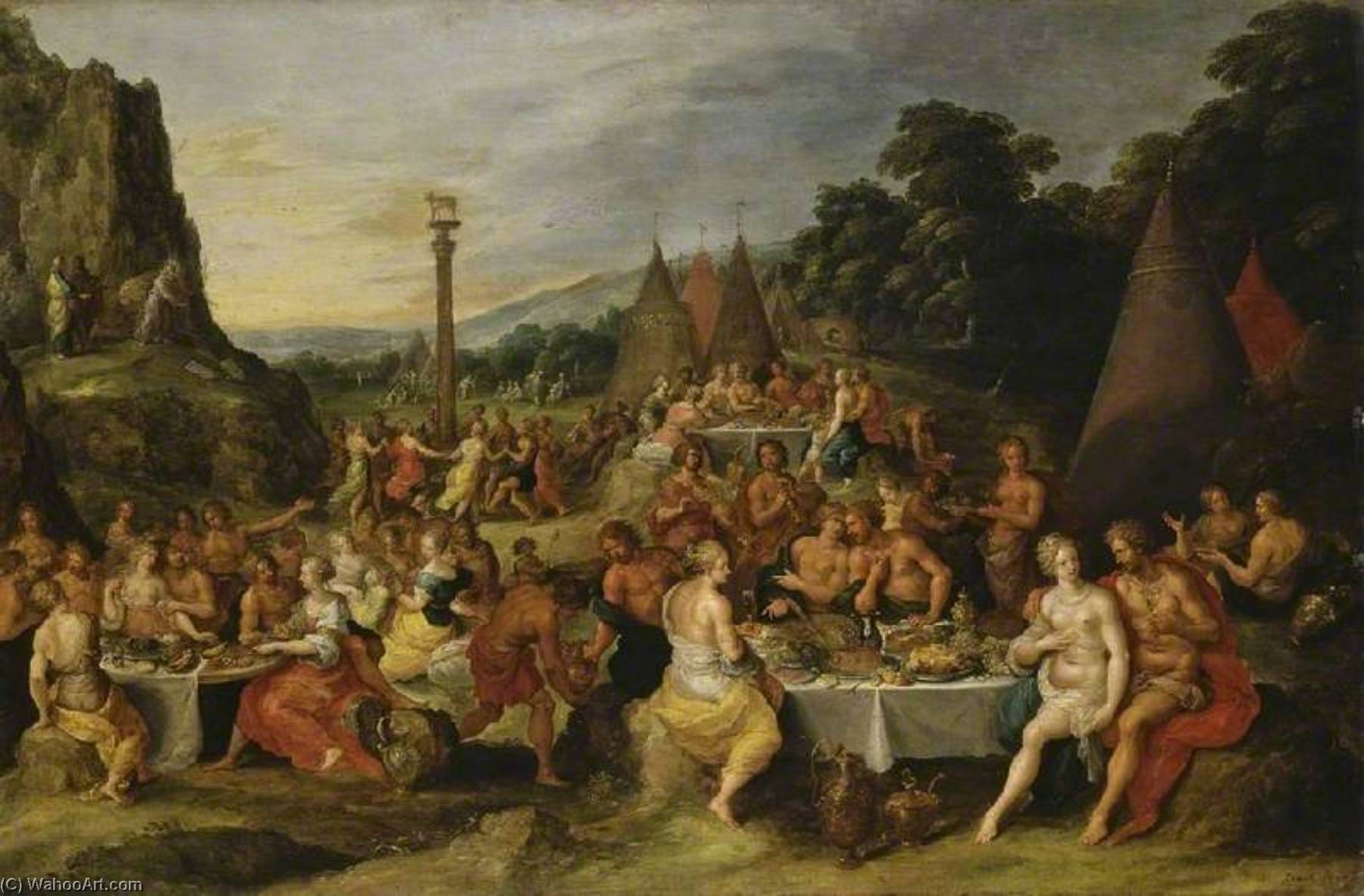
The Worship of the Golden Calf
 Acrylic On Canvas
- WallArt
- Baroque
 1635
1635 57.0 x 86.0 cm
 Fitzwilliam College
 Ver más
Adquiera una imagen digital de alta resolución y optimizada, muy superior a la vista previa en línea.
Cada archivo es preparado meticulosamente por nuestros especialistas internos mediante el uso de herramientas avanzadas y un experto retoque manual. Nos aseguramos de que cada imagen posea una claridad excepcional, una precisión cromática impecable y un detalle minucioso.
El archivo final se entrega por correo electrónico en un plazo de 72 horas, optimizado para su uso inmediato en entornos profesionales, editoriales y de impresión. Esta es la misma calidad en la que confían los estudios de diseño, las editoriales y las galerías de primer nivel.
Imagen Digital
Descarga un archivo de alta resolución para exhibición personal, impresión y proyectos creativos. ( Comprar impresión Comprar pintura hecha a mano)
Incluido en cada pedido de imágenes digitales
Entrega digital experta, garantizada.
Al elegir ArtsDot.com, no solo está adquiriendo una imagen; está recibiendo una obra de arte digital mejorada profesionalmente, elaborada con precisión y respaldada por una garantía de satisfacción. Esto es todo lo que incluye su pedido, automáticamente:

Entrega rápida por email
Recibirá su archivo de imagen digital en alta resolución por correo electrónico en un plazo de 72 horas tras realizar su pedido, listo para su uso inmediato.

Archivo digital optimizado por IA
Su obra de arte se optimiza profesionalmente mediante herramientas avanzadas de IA y edición manual, garantizando el máximo detalle, claridad y precisión cromática.

Reenvío gratuito de por vida
¿Has borrado o perdido tu archivo por error? No te preocupes: te lo volveremos a enviar en cualquier momento, sin coste adicional.

Sin gastos de importación, siempre
Disfrute de su obra de arte al instante sin aduanas, aranceles ni gastos de envío; las descargas digitales siempre están libres de impuestos.

Garantía de fidelidad de color
Garantizamos que su imagen digital refleje los colores originales con la mayor fidelidad posible, mediante el uso de herramientas profesionales y gestión del color.

Garantía de satisfacción de 60 días
Si no está satisfecho con su imagen digital, la revisaremos o le reembolsaremos el 100% en un plazo de 60 días, sin preguntas.

100% Garantía de devolución de dinero
¿No está satisfecho? Obtenga un reembolso completo dentro de los 60 días posteriores a la recepción de su archivo digital, sin necesidad de explicaciones.

Descuentos por pedidos grandes
Compra 3 imágenes, ahorra 10% - Compra 5, ahorra 15% - Compra 10+, ahorra 20%. Ideal para proyectos creativos, galerías y agencias.
A Scene of Frenzy and Divine Displeasure: Frans Francken III’s “The Worship of the Golden Calf”
Frans Francken III's "The Worship of the Golden Calf," painted in 1635, is not merely a depiction of an ancient event; it’s a visceral portrayal of human fallibility and divine wrath. This monumental oil on panel captures a chaotic moment – the immediate aftermath of the Israelites’ idolatrous worship of a golden calf after Moses' ascent to Mount Sinai. The painting isn’t a straightforward historical record, but rather a carefully constructed drama brimming with psychological intensity and symbolic weight. Francken masterfully utilizes dramatic lighting, dynamic composition, and richly detailed figures to convey both the immediate frenzy of the scene and the profound spiritual consequences that follow.

Baroque Drama and the Power of Gesture
Francken’s style firmly places this work within the vibrant tradition of Flemish Baroque painting, heavily influenced by the dramatic compositions of Peter Paul Rubens. The artist employs a highly theatrical approach, prioritizing movement and gesture over strict realism. Notice how every figure is caught in a moment of intense action – some reaching for the calf, others consumed with ecstatic dancing, while still others appear bewildered or attempting to justify their actions. The figures are rendered with an almost frenzied energy, their bodies contorted and limbs flailing, reflecting the overwhelming emotional state of the scene. Francken’s use of chiaroscuro—the dramatic contrast between light and shadow—further amplifies this sense of drama, highlighting key figures and creating a palpable atmosphere of chaos and impending doom.
- Composition: The painting is organized around a central table laden with food and drink, serving as the focal point for the revelry. The arrangement draws the eye into the heart of the scene, emphasizing the hubris of the act.
- Color Palette: Rich reds, golds, and browns dominate the palette, symbolizing wealth, indulgence, and the allure of earthly pleasures – all contributing to the painting’s sense of decadence.
- Technique: Francken's masterful brushwork creates a remarkable level of detail, from the intricate folds of the clothing to the textures of the food and drink. This meticulousness adds to the realism and immediacy of the scene.
Symbolism and Spiritual Significance
Beyond its immediate depiction of the event, “The Worship of the Golden Calf” carries profound symbolic weight. The golden calf itself represents a rejection of the true God – Yahweh – in favor of earthly idols. It’s a potent reminder of humanity's tendency to stray from divine guidance and embrace fleeting pleasures. The birds perched on the scene—one at the top left, another at the bottom right—are often interpreted as symbols of temptation and distraction, further emphasizing the dangers of idolatry. The painting serves as a cautionary tale about the consequences of disobedience and the importance of maintaining faith.
A Legacy of Flemish Art: Francken’s Place in History
Frans Francken III was a pivotal figure within the prolific Francken family, renowned for their contributions to Flemish art during the 17th century. He built upon the artistic legacy established by his father and grandfather, developing a distinctive style characterized by dynamic compositions, dramatic lighting, and an emphasis on human emotion. His work reflects the cultural and religious climate of Antwerp at the time – a city grappling with the aftermath of religious upheaval while simultaneously embracing artistic innovation. Reproductions of “The Worship of the Golden Calf” offer a captivating glimpse into this fascinating period in art history, showcasing the skill and vision of one of Flanders’ most celebrated masters. Consider adding this powerful image to your collection or interior design scheme – its dramatic intensity and symbolic depth will undoubtedly command attention.
Obras relacionadas

Biografía del artista
Frans Francken III: Vida y Legado
Infancia Temprana y Orígenes Familiares
Frans Francken III nació en Amberes, Bélgica, en 1581, dentro de una familia prolífica de artistas. Era el hijo de Frans Francken II y Elisabeth Placquet, ambos pintores también. Esta herencia artística familiar moldeó significativamente su desarrollo temprano y su trayectoria profesional. La familia Francken desempeñó un papel crucial en la escena artística de Amberes durante generaciones, estableciendo una sólida base para el éxito futuro de Frans III.
Formación Artística y Afiliación a la Guilda
Frans Francken III recibió su formación artística dentro del taller de su padre, absorbiendo las técnicas y estilos predominantes en ese momento. Se convirtió en maestro en la Guilda de San Lucas de Amberes en 1639, lo que significaba su reconocimiento profesional como artista independiente. Más tarde, sirvió como decano de la guilda de 1656 a 1666, demostrando su liderazgo dentro de la comunidad artística.
Estilo Artístico e Influencias
El estilo de Francken III está firmemente arraigado en la tradición barroca flamenca. Se especializó en escenas de género, retratos y lo que se conocen como “pinturas de gabinete” – obras a pequeña escala destinadas a colecciones privadas. Su obra demuestra un agudo ojo para el detalle, colores vibrantes y composiciones dinámicas. Pedro Pablo Rubens fue una influencia significativa en su estilo, ganándose el apodo de “Francken al estilo de Rubens”. Incorporó hábilmente elementos del dramatismo de la luz y las figuras enérgicas de Rubens en su propia visión artística.
Temas y Sujetos Clave
- Escenas de Género: Francken III representaba con frecuencia la vida cotidiana, a menudo con un tono moralizante o satírico.
- Retratos: Creó retratos individuales y grupales, capturando los rasgos de ciudadanos prominentes y miembros de la aristocracia.
- Pinturas de Galería: Su contribución más distintiva fue el desarrollo de las pinturas de galería – representaciones elaboradas de coleccionistas de arte rodeados de sus posesiones más preciadas. Estas obras ofrecen una fascinante visión de los hábitos de colección y los gustos artísticos del siglo XVII.
- Escenas Históricas y Religiosas: También produjo composiciones históricas y religiosas, a menudo inspirándose en historias bíblicas y mitología clásica.
Logros Importantes y Obras Notables
La prolífica producción de Francken III incluye numerosas obras significativas que muestran su habilidad artística y versatilidad. Algunas de sus pinturas más notables incluyen:
- Arcadia – La Edad Dorada: Una fiesta lujosa que ejemplifica su estilo “al estilo de Rubens”.
- El Interior de una Galería de Pinturas (1640): Una representación detallada del entorno de un coleccionista de arte, mostrando arte opulento y vida social.
- La Adoración del Toro Dorado: Una escena bíblica dramática que demuestra su dominio de la composición y el color.
Enseñanza y Legado
Frans Francken III también fue un profesor respetado, transmitiendo sus conocimientos y habilidades a artistas aspirantes como Carstian Luyckx y Jan Baptist Segaert. Murió en Amberes en 1642. Su legado reside en su capacidad para capturar el espíritu de su tiempo a través de escenas de género vibrantes, retratos perspicaces y pinturas de galería innovadoras. Aunque a menudo eclipsado por Rubens, Francken III sigue siendo una figura importante en el arte barroco flamenco, ofreciendo una perspectiva única sobre la vida y la cultura artística del siglo XVII.
Significado Histórico
El trabajo de Francken III proporciona información valiosa sobre el panorama social, cultural y artístico del siglo XVII en Flandes. Sus pinturas de galería, en particular, son significativas por su documentación de las prácticas de colección de arte y el estatus cambiante de los artistas dentro de la sociedad. Ayudó a popularizar este género, influyendo en generaciones posteriores de pintores.
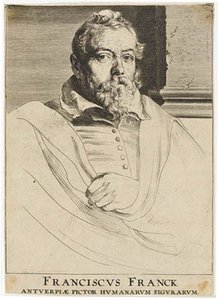
Frans Francken Iii
1581 - 1642 , Bélgica
Breves datos
- Artistic Movement Or Style: Flemish Baroque
- Artists Or Movements Influenced By This Artist: ['David Teniers the Younger']
- Artists Who Influenced This Artist: ['Peter Paul Rubens']
- Date Of Birth: 1581 Antwerp Belgium
- Date Of Death: 1642 Antwerp Belgium
- Full Name: Frans Francken III
- Nationality: Flemish
- Notable Artworks:
- Arcadia – The Golden Age
- The Interior of a Picture Gallery (1640)
- The Worship Of The Calf
- Place Of Birth: Antwerp

