

 Ver en contexto
 Enviar
 Compartir
 Detalles

 Descargar
 Similares
 Radiografía
 Presentación de diapositivas
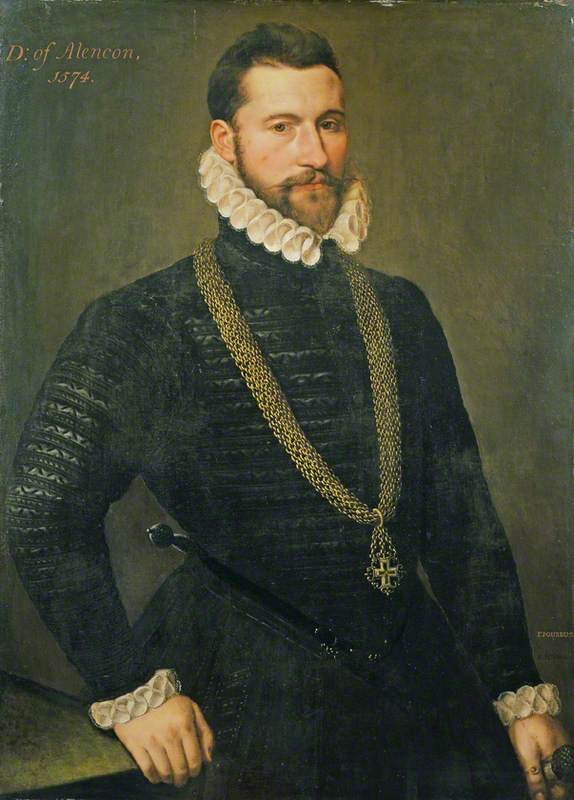
Portrait of a Man
 Oil On Canvas
- WallArt
- Elizabethan Portraiture
 1574
1574 99.0 x 71.0 cm
 The Wallace Collection
 Ver más
Reproducción al óleo hecha a mano
Óleo sobre lienzo pintado a mano en el tamaño y marco de su elección, realizado por encargo por nuestros artistas. ( Comprar impresión Comprar imagen)




P118B $10

P118H $10

P118W $10

P438Z $10

P508JH $12

P508YH $12

P805H $10

P805Z $10

P919BZ $10

P919G $10

P919XJ $10

P959ZH $10

P968JZ $12

W106C $8

W218G $10

W218JH $8

W218Y $10

W307PJ $10

W316G $10

W316PJ $8

W316Y $10

W398PJ $8

W4111J $10

W500HY $15

W500JH $15

W692G $12

W849H $8

W940BG $15

W953PJ $8




Elija entre nuestros tamaños predefinidos que respetan las proporciones originales de la obra.

Puede ingresar sus propias dimensiones para adaptarse a un marco o espacio específico. Si el tamaño seleccionado no coincide con las proporciones de la imagen original, recortaremos la obra o extenderemos la pintura con elementos adicionales pintados a mano. Se le enviará una maqueta digital para su aprobación antes de comenzar la producción.
Tenga en cuenta que la vista previa en pantalla no refleja el recorte o la extensión reales. Solo la maqueta mostrará con precisión la composición final.
Si bien existen tamaños personalizados, recomendamos seleccionar una dimensión de la lista predefinida para preservar las proporciones originales.
Tras realizar el pedido, el equipo de ArtsDot.com enviará un correo electrónico al cliente para solicitar instrucciones y proporcionarle una vista previa del boceto.
Envío a todo el mundo () en 3-4 semanas en lugar de las 5 semanas estándar. (6 septiembre). Sin comprometer la calidad.

Envío exprés gratuito a todo el mundo

Lienzo de lino de alta calidad

Seguro de envío total

Garantía de reembolso de impuestos aduaneros

Garantía de fidelidad cromática exacta

Política de devolución de 100 días (solo por defectos)

Garantía de devolución del 100% del dinero

Descuento por cantidad
 La opción de vidrio solo está disponible en tamaños inferiores a 110 cm.

Portrait of a Man
Técnica de reproducción
Dimensiones de la reproducción
-


Precio total final
$ 263
A Window Into Elizabethan Dignity: Frans Pourbus’ Portrait of Sir Henry Neville
Frans Pourbus the Elder's "Portrait of a Man," completed in 1574, stands as a testament to the artistic fervor of the Flemish Renaissance and embodies the ideals of its time. Painted during the reign of Elizabeth I and James VI of Scotland—a period marked by political intrigue and burgeoning humanist thought—this artwork transcends mere representation; it’s an exploration of status, intellect, and the solemn grandeur characteristic of Elizabethan portraiture. The painting's meticulous detail speaks volumes about Pourbus’ mastery of technique and his unwavering commitment to capturing the essence of his subject.- Technical Brilliance: Executed in oil on canvas, Pourbus employed a masterful blending of colors—primarily dark browns and greys—to create a subdued yet impactful visual experience. The subtle layering of glazes lends depth and luminosity to the figure’s skin tones, demonstrating an understanding of chiaroscuro – dramatic lighting that sculpts form and enhances emotional resonance.
- Composition & Perspective: Centered around Sir Henry Neville, a prominent diplomat and nobleman, the portrait utilizes a single-point perspective, directing the viewer's gaze directly to the subject’s face. This deliberate compositional choice reinforces his importance and establishes him as the focal point of attention.
- Detailed Rendering: The artist painstakingly rendered every aspect of Neville’s attire—a black doublet adorned with ruffled collars, a heavy gold chain bearing a pendant—reflecting the opulent fashions of the era. Furthermore, meticulous attention was paid to capturing the texture of fabrics and jewelry, showcasing Pourbus' dedication to realism.
- Elizabethan Influence: Pourbus' style aligns perfectly with the prevailing artistic trends of Elizabeth I’s court, where portraiture flourished as a means of asserting royal prestige and commemorating influential figures.
- Northern Renaissance Legacy: This artwork exemplifies the Northern Renaissance preoccupation with humanist ideals—the belief in human reason and potential—a cornerstone of intellectual discourse during the sixteenth century.
Obras relacionadas
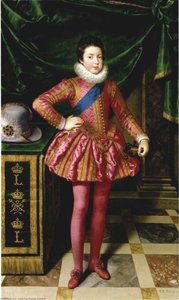
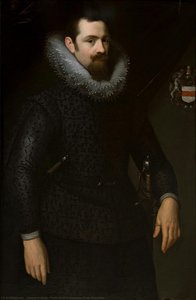
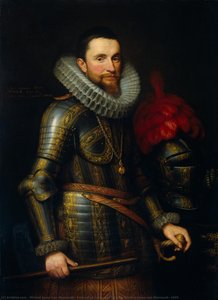
Biografía del artista
Frans Pourbus el Viejo: Un Retratista Renacentista Flamenco
- Nacido: Bruges, Bélgica (1545)
- Fallecido: 1581
Vida Temprana y Formación
Frans Pourbus el Viejo nació en Bruges, Bélgica, en 1545. Era hijo de Pieter Pourbus, un prominente pintor de retratos y composiciones religiosas que se había mudado desde Gouda a Bruges a una edad temprana. Su madre, Anna Blondeel, era hija de Lancelot Blondeel, también un notable artista, arquitecto, topógrafo y cartógrafo en Bruges. Frans recibió su formación artística inicial de su padre, aprendiendo el estilo tradicional de la pintura flamenca.
Alrededor de 1550, con tan solo quince años, Frans se convirtió en el principal asistente en el taller de su padre. En 1564, fue registrado como trabajando dentro del taller de Frans Floris en Amberes. Floris, una figura destacada del movimiento "Romanista"—artistas que estudiaron a maestros flamencos del Alto Renacimiento italiano como Miguel Ángel y Rafael—influyó significativamente en el desarrollo de Pourbus. Trabajar con Floris le expuso a un estilo más pictórico y le permitió completar lienzos inacabados bajo la guía de su maestro.
Viajes, Matrimonio y Familia
Karel van Mander, un biógrafo contemporáneo, relata que Frans tenía la intención de viajar a Italia en 1566, una búsqueda común para los artistas de la época. Sin embargo, abandonó este plan después de visitar a Lucas de Heere en Gante, supuestamente cautivado por la sobrina del pintor-poeta. Posteriormente se casó con Suzanna Floris, la sobrina de su maestro Frans Floris e hija de Cornelis Floris de Vriendt, un prominente escultor y arquitecto, en 1566.
Frans y Suzanna tuvieron un hijo, también llamado Frans (Frans Pourbus el Joven), nacido en 1569. Este Frans más joven se convertiría en un retratista de renombre internacional para la realeza europea. La pareja también tuvo dos otros hijos que murieron en la infancia.
Carrera y Desarrollo Artístico
- Afiliación a Gremios: En 1569, Frans Pourbus fue registrado como maestro de los gremios de San Lucas tanto en Bruges como en Amberes.
- Alumnos: Recibió aprendices, incluyendo Roctus Gabrelius da Bresson (1572) y Peeter Cobbe (1575).
- Influencia de Anthonis Mor: El contacto con el prominente pintor de retratos Anthonis Mor llevó a una posible exposición al trabajo de Mor, lo que algunos estudiosos sugieren influyó en el estilo maduro de Pourbus.
Después de la muerte de su esposa en 1578, Frans se casó nuevamente con Anna Mahieu, hija del pintor Jan Mahieu. Tuvieron un hijo llamado Moisés, lo que sugiere una afiliación religiosa calvinista, lo que probablemente contribuyó a su creciente especialización en el retrato después de 1577.
Obras Principales y Legado
Frans Pourbus el Viejo es conocido principalmente por sus retratos y composiciones religiosas, con ocasionales escenas de género. Sus modelos eran a menudo de la clase mercantil emergente de Bruges y Amberes. Comisiones notables incluyen:
- Paneles de San Andrés: 14 paneles que representan la historia de San Andrés (1572) para la Catedral de St Bavo en Gante.
- Tríptico de Viglius Aytta: Un tríptico de Vigilius Aytta (1571), también para la Catedral de St Bavo.
- Decoración del Coro en el Abadía de San Martín, Tournai: En 1574, redecoró el coro de la iglesia abacial con 17 obras en tres series: un ciclo de la Pasión de Cristo, una representación del Cristo crucificado con los ladrones (para el altar mayor) y paneles inversos que ilustran la vida de San Martín.
Karel van Mander notó la habilidad de Pourbus para pintar animales y árboles desde la naturaleza. Trágicamente, Frans Pourbus murió el 19 de septiembre de 1581, mientras cumplía con sus deberes de guardia civil, sucumbiendo a una fiebre tifoidea contraída cerca de un conducto de alcantarillado. Su legado continuó a través de su hijo, Frans Pourbus el Joven, quien continuó la tradición familiar del retrato y logró un reconocimiento internacional.
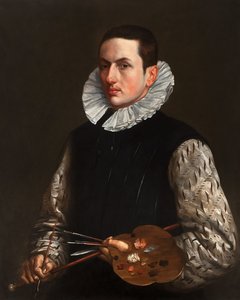
Frans Pourbus el Viejo
1545 - 1581 , Bélgica
Datos clave
- Artistas Influenciados: ['Frans Pourbus el Joven']
- Artistas Influyentes:
- Miguel Ángel
- Rafael
- Frans Floris
- Fecha De Nacimiento: 1545
- Lugar De Nacimiento: Brujas, Bélgica
- Movimiento Artístico: Renacimiento flamenco
- Nacionalidad: Flamenco
- Nombre Completo: Frans Pourbus el Anciano
- Obras Notables:
- Paneles de San Andrés
- Tríptico de Viglius Aytta
Artículos relacionados
Sir Joshua Reynolds: Las 25 Obras Maestras del Retrato Inglés | ArtsDot
Descubre las 25 obras maestras de Sir Joshua Reynolds, el pintor inglés que elevó el retrato a la categoría de arte. Explora su técnica clásica, estilo rococó y significado histórico en ArtsDot.com. ¡Encuentra reproducciones de alta calidad para tu hogar!
Henri Matisse: Las 25 Obras Maestras que Definieron un Genio del Color | ArtsDot
Descubre las 25 obras maestras de Henri Matisse, el rey del color y padre del fauvismo. Explora su arte moderno, lienzos vibrantes y la historia detrás de cada pintura icónica. Encuentra reproducciones de alta calidad en ArtsDot.com.
Alfred Munnings: Las 25 Obras Maestras del Pintor de Caballos | ArtsDot
Descubre las 25 obras maestras de Alfred Munnings, el pintor británico de caballos por excelencia. Explora su impresionismo inglés, escenas campestres y técnica única. Encuentra reproducciones de arte de alta calidad en ArtsDot.com.
Fauvismo Expresionista: 10 Obras Maestras que Transformaron el Arte | ArtsDot
Descubre las 10 obras maestras del fauvismo que revolucionaron el arte. Explora la pasión, el color y la expresión de Matisse, Derain y más. Reproducciones de alta calidad en ArtsDot.com.
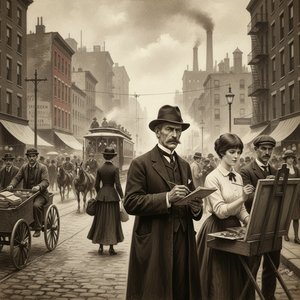
Robert Henri & the Spirit of American Realism: A Legacy of Urban Life and Artistic Independence
Explore the life & legacy of Robert Henri, a pivotal figure in American Realism. Discover his captivating portraits, influence on the Ashcan School, and enduring impact on art history. Learn more at ArtsDot.