 Vista previa
 Compartir
 Compartir
 Ver detalles

 Descargar
 Ver similares
 Radiografía
 Presentación de diapositivas
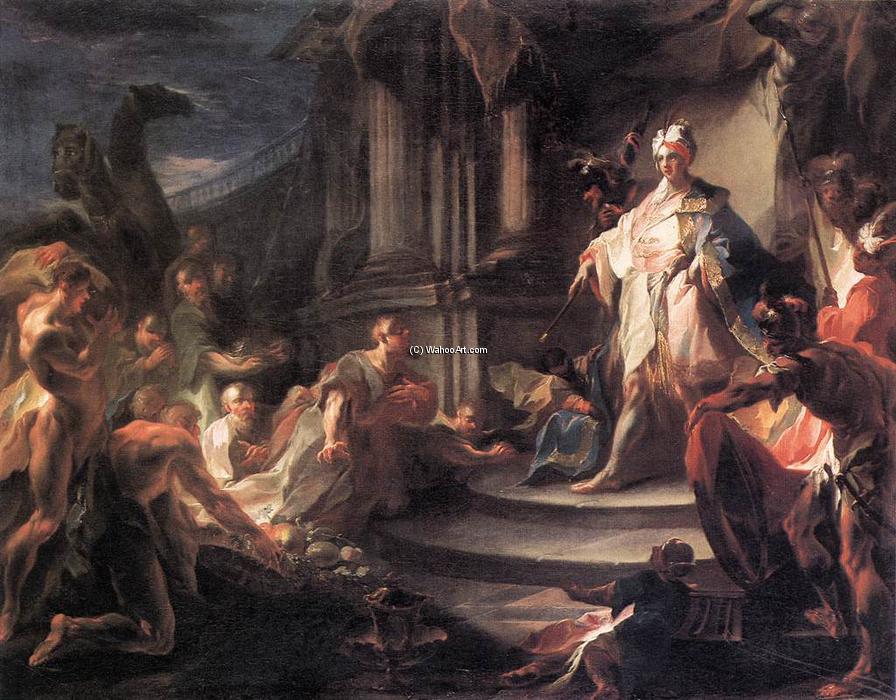
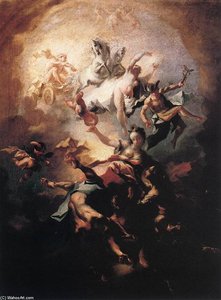
Joseph and his Brothers
 Oil On Canvas
- WallArt
- Rococo Style
 1745
1745 73.0 x 90.0 cm
 Museo de las Artes de Budapest
 Leer más
Reproducción al óleo hecha a mano
Óleo sobre lienzo pintado a mano en el tamaño y marco de su elección, realizado por encargo por nuestros artistas. ( Pedir impresión Comprar descarga)




P118B $10

P118H $10

P118W $10

P438Z $10

P508JH $12

P508YH $12

P805H $10

P805Z $10

P919BZ $10

P919G $10

P919XJ $10

P959ZH $10

P968JZ $12

W106C $8

W218G $10

W218JH $8

W218Y $10

W307PJ $10

W316G $10

W316PJ $8

W316Y $10

W398PJ $8

W4111J $10

W500HY $15

W500JH $15

W692G $12

W849H $8

W940BG $15

W953PJ $8




Elija entre nuestros tamaños predefinidos que respetan las proporciones originales de la obra.

Puede ingresar sus propias dimensiones para adaptarse a un marco o espacio específico. Si el tamaño seleccionado no coincide con las proporciones de la imagen original, recortaremos la obra o extenderemos la pintura con elementos adicionales pintados a mano. Se le enviará una maqueta digital para su aprobación antes de comenzar la producción.
Tenga en cuenta que la vista previa en pantalla no refleja el recorte o la extensión reales. Solo la maqueta mostrará con precisión la composición final.
Si bien existen tamaños personalizados, recomendamos seleccionar una dimensión de la lista predefinida para preservar las proporciones originales.
Tras realizar el pedido, el equipo de ArtsDot.com enviará un correo electrónico al cliente para solicitar instrucciones y proporcionarle una vista previa del boceto.
Envío a todo el mundo () en 3-4 semanas en lugar de las 5 semanas estándar. (21 agosto). Sin comprometer la calidad.

Envío exprés gratuito a todo el mundo

Lienzo de lino de alta calidad

Seguro de envío completo

Garantía de reembolso de aranceles aduaneros

Garantía de fidelidad cromática exacta

Política de devolución de 60 días (solo por defectos)

Garantía de devolución del 100% del dinero

Oferta por volumen
 La opción de vidrio solo está disponible en tamaños inferiores a 110 cm.

Joseph and his Brothers
Técnica de reproducción
Tamaño de la reproducción
-


Precio total
$ 263
Descripción de la obra
A Window into Rococo Faith: Exploring Franz Anton Maulbertsch’s “Joseph and his Brothers”
Franz Anton Maulbertsch (1724-1796) stands as a pivotal figure in bridging the opulent grandeur of Baroque art with the delicate luminescence of Rococo, marking a significant transition within European artistic sensibilities. Born in Langenargen, Germany, Maulbertsch’s formative years were steeped in the traditions of Vienna’s Academy, where he honed his skills under influential masters—a grounding that would profoundly shape his distinctive style and propel him to renown across Central Europe. Unlike many artists of his era who slavishly adhered to established conventions, Maulbertsch possessed a remarkable ability to absorb stylistic influences while simultaneously forging his own artistic identity. This discerning approach is vividly demonstrated in “Joseph and his Brothers,” completed in 1745 and currently residing at the Szépmûvészeti Múzeum in Budapest—a painting that transcends mere depiction; it embodies the spirit of its time.The Rococo Aesthetic: Light, Color, and Illusion
Maulbertsch’s artistic vision was undeniably rooted in the Rococo movement, characterized by a rejection of Baroque severity in favor of playful asymmetry, pastel hues, and an emphasis on illusionistic techniques. Artists like Giovanni Battista Pittoni and Peter Paul Rubens had captivated audiences with their masterful use of light and color—a legacy Maulbertsch skillfully embraced. The painting’s palette is dominated by soft pinks, creams, and golds, creating a luminous atmosphere that diffuses across the scene. Careful attention to detail—particularly in rendering fabrics and architectural surfaces—further enhances this sense of depth and realism, blurring the boundaries between what is seen and what is imagined. This technique aligns perfectly with the Rococo’s fascination for creating idealized spaces and evoking emotional responses within the viewer.Biblical Narrative Illuminated: Symbolism and Composition
“Joseph and his Brothers” recounts a familiar biblical tale—the persecution of Joseph by his brothers after he reveals his divine lineage. Maulbertsch's masterful composition directs our gaze towards Joseph, positioned centrally amidst a richly ornamented interior space dominated by monumental columns and a balcony. He is adorned in regal attire—a crown signifying his rightful authority—and holds aloft a scepter and scroll, emblems of leadership and prophetic utterance. The brothers kneel before him, conveying humility and supplication, while their expressions reflect fear and awe – emotions skillfully conveyed through Maulbertsch’s nuanced portrayal of human anatomy and gesture. The inclusion of a colossal statue in the background underscores the painting's grandeur and reinforces its religious significance. Statues were frequently employed in ecclesiastical art to inspire piety and convey moral lessons; here, it serves as a visual anchor for the narrative, grounding the drama within a framework of solemn reverence. Maulbertsch’s meticulous attention to detail—from the intricate patterns on Joseph’s robes to the subtle shading that sculpts the faces of his brothers—elevates “Joseph and his Brothers” beyond mere storytelling into an enduring testament to Rococo artistry.A Legacy Enduring: Influence and Artistic Significance
Franz Anton Maulbertsch's influence extended far beyond his own lifetime, shaping the artistic landscape of Vienna and inspiring subsequent generations of painters. His work stands as a cornerstone of Viennese Rococo art—a style characterized by its refined elegance and emotional expressiveness. Reproductions of “Joseph and his Brothers” continue to captivate audiences today, offering a glimpse into a bygone era of artistic innovation and spiritual contemplation. ArtsDot.com presents exceptional quality reproductions that allow you to experience the beauty and power of this iconic masterpiece firsthand.Obras relacionadas
Biografía del artista
Franz Anton Maulbertsch: Vida y Legado
Infancia Temprana y Educación
Franz Anton Maulbertsch nació en Langenargen, Alemania, en 1724. Demostró talento artístico desde una edad temprana, lo que le llevó a buscar formación formal en la Academia de Viena. Esta educación fundamental fue crucial para moldear su estilo y carrera futuros.
Influencias y Desarrollo Artístico
El desarrollo artístico de Maulbertsch se vio significativamente influenciado por varias figuras clave. Estudió bajo Paul Troger, un destacado pintor barroco austriaco, y absorbió el dramatismo característico de esa época. Además, recibió inspiración de maestros venecianos como Giovanni Battista Pittoni y Piazzetta, cuya utilización de la luz y el color impactaron profundamente en su obra. También examinó meticulosamente los frescos de Sebastiano Ricci en el Palacio de Schönbrunn en Viena. Un momento decisivo fue conocer a Giambattista Tiepolo mientras estaba activo en Würzburgo alrededor de 1750; este encuentro amplió los horizontes artísticos de Maulbertsch.
Estilo Artístico y Obras Principales
Maulbertsch se convirtió en uno de los exponentes más renombrados del pintoresco rococó en la región de habla alemana. Su estilo se caracteriza por colores vibrantes, composiciones dinámicas y un sentido teatral. Destacó como fresco pintor, recibiendo numerosas comisiones para obras religiosas y seculares.
- Comisiones Eclesiásticas: Maulbertsch decoró iglesias en Bicske, Kalocsa, la Michaelerkirche y Piaristenkirche Maria Treu de Viena, Porta Coeli en Moravia, el Palacio del Arzobispo de Kroměříž y la Villa de Halbturn.
- Pinturas Notables: También creó pinturas como “Júpiter y Antiope”, “San Pablo Baptiza a un Eunuco”, “Un Barbero Cirujano en el Trabajo” y “Serenata Pastoral”.
Logros y Reconocimientos
La habilidad de Maulbertsch como fresco pintor condujo a un amplio reconocimiento y numerosas comisiones prestigiosas. Su capacidad para crear obras visualmente impresionantes y emocionalmente atractivas consolidó su reputación como uno de los principales pintores de su tiempo. Logró combinar el drama barroco con la elegancia y la ligereza del rococó, creando una voz artística única.
Significado Histórico
Franz Anton Maulbertsch desempeñó un papel vital en la conexión entre el barroco tardío y el período clásico temprano. Su obra refleja los cambiantes gustos del siglo XVIII mientras mantiene una fuerte conexión con las técnicas tradicionales. Ayudó a establecer un estilo rococó austríaco distintivo, influyendo en generaciones posteriores de artistas. Sus frescos siguen siendo ejemplos importantes de arte religioso y pintura decorativa de esa época.
Vida Tardía y Muerte
Maulbertsch continuó trabajando diligentemente a lo largo de su carrera, manteniendo un alto nivel de calidad artística hasta su muerte en Viena en 1796. Su legado continúa siendo celebrado a través de la preservación y el estudio de sus notables obras de arte.
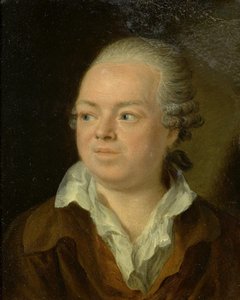
Franz Anton Maulbertsch
1724 - 1796 , Alemania
Datos clave
- Artistic Movement Or Style: Rococó, Barroco
- Artists Who Influenced This Artist:
- Paul Troger
- Giovanni Battista Pittoni
- Piazzetta
- Giambattista Tiepolo
- Date Of Birth: 1724
- Date Of Death: 1796
- Full Name: Franz Anton Maulbertsch
- Nationality: Alemania/Austria
- Notable Artworks:
- Júpiter y Antiope
- San Pablo Baptiza a un Eunuco
- Un Barbero Cirujano en el Trabajo
- Serenata Pastoral
- Place Of Birth: Langenargen, Alemania
Artículos relacionados
Franz von Stuck: Symbolism, Decadence & the Pursuit of Ideal Beauty
Explore the captivating world of Franz von Stuck, a leading Symbolist painter. Discover his mythological masterpieces, decadent themes, & investment potential. Expert analysis for discerning collectors.

Joseph Henry Sharp: Capturing the Spirit of the Plains – Life, Art & Legacy
Explore the life & art of Joseph Henry Sharp, a founding member of the Taos Society of Artists renowned for his realistic depictions of Native American culture and Western landscapes. Discover his legacy with ArtsDot.
Franz Bischoff: Bridging Tonalism & Impressionism in California Landscape Painting
Explore the captivating art of Franz Bischoff, a pivotal figure bridging Tonalism & California Impressionism. Discover his stunning landscapes, floral works, and lasting legacy with ArtsDot.
Joseph Kleitsch: Bridging Impressionism & California Regionalism – A Study of Light and Identity
Explore the life & work of Joseph Kleitsch, a pivotal California Impressionist painter. Discover his vibrant landscapes, portraits, and legacy within the Laguna Beach art colony. A comprehensive study for collectors & enthusiasts.
Joseph Stella: Modernism's Dynamic Vision of Industry, Urban Life & the American Spirit
Explore the captivating world of Joseph Stella, a pioneer of American Modernism. Discover his iconic depictions of industry, urban life & the Brooklyn Bridge. Expert analysis for art collectors.