 Ver en contexto
 Enviar
 Compartir
 Detalles

 Descargar
 Similares
 Radiografía
 Presentación de diapositivas
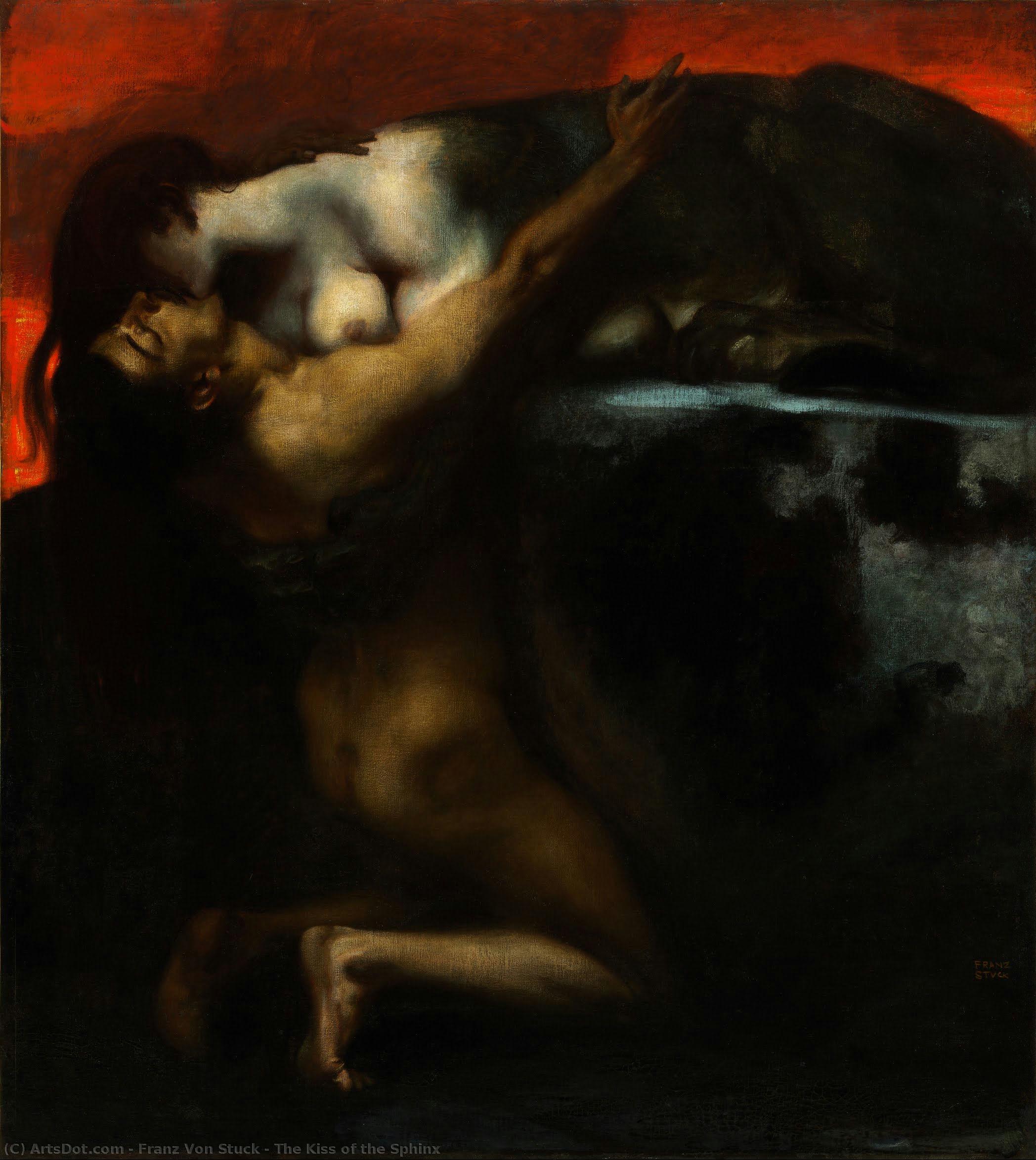
The Kiss of the Sphinx
 Oil On Canvas
- WallArt
- Symbolism
 1895
1895- 19th Century
 162.0 x 145.0 cm
 Museo de Bellas Artes (Budapest)
 Ver más
Reproducción al óleo hecha a mano
Óleo sobre lienzo pintado a mano en el tamaño y marco de su elección, realizado por encargo por nuestros artistas. ( Comprar impresión Comprar imagen)




P118B $10

P118H $10

P118W $10

P438Z $10

P508JH $12

P508YH $12

P805H $10

P805Z $10

P919BZ $10

P919G $10

P919XJ $10

P959ZH $10

P968JZ $12

W106C $8

W218G $10

W218JH $8

W218Y $10

W307PJ $10

W316G $10

W316PJ $8

W316Y $10

W398PJ $8

W4111J $10

W500HY $15

W500JH $15

W692G $12

W849H $8

W940BG $15

W953PJ $8




Elija entre nuestros tamaños predefinidos que respetan las proporciones originales de la obra.

Puede ingresar sus propias dimensiones para adaptarse a un marco o espacio específico. Si el tamaño seleccionado no coincide con las proporciones de la imagen original, recortaremos la obra o extenderemos la pintura con elementos adicionales pintados a mano. Se le enviará una maqueta digital para su aprobación antes de comenzar la producción.
Tenga en cuenta que la vista previa en pantalla no refleja el recorte o la extensión reales. Solo la maqueta mostrará con precisión la composición final.
Si bien existen tamaños personalizados, recomendamos seleccionar una dimensión de la lista predefinida para preservar las proporciones originales.
Tras realizar el pedido, el equipo de ArtsDot.com enviará un correo electrónico al cliente para solicitar instrucciones y proporcionarle una vista previa del boceto.
Envío a todo el mundo () en 3-4 semanas en lugar de las 5 semanas estándar. (27 agosto). Sin comprometer la calidad.

Envío exprés gratuito a todo el mundo

Lienzo de lino de alta calidad

Seguro de envío total

Garantía de reembolso de impuestos aduaneros

Garantía de fidelidad cromática exacta

Política de devolución de 60 días (solo por defectos)

Garantía de devolución del 100% del dinero

Descuento por cantidad
 La opción de vidrio solo está disponible en tamaños inferiores a 110 cm.

The Kiss of the Sphinx
Técnica de reproducción
Dimensiones de la reproducción
-


Precio total final
$ 263
Descripción de la obra
A Descent into Mythic Desire
In the twilight of the nineteenth century, few images captured the psychological tremors of the era as profoundly as Franz Ritter von Stuck’s "The Kiss of the Sphinx." Completed in 1895, this masterpiece serves as a haunting cornerstone of German Symbolism, inviting the viewer into a realm where the boundaries between the physical and the metaphysical dissolve. The painting presents a dramatic tableau of a sensual encounter, set against the stark, unforgiving textures of a rock formation. As the central figures—a man and a woman—are locked in an intimate, almost primal embrace, the composition pulls the observer into a vortex of passion and mystery. It is not merely a depiction of a moment, but an exploration of the eternal tension between human instinct and the unknown.
The atmosphere of the work is thick with a sense of heavy, brooding enchantment. Stuck masterfully utilizes a palette dominated by deep, somber tones—rich reds, earthy browns, and midnight shadows—to cultivate an environment that feels both claustrophobic and infinitely vast. This deliberate use of color serves to mirror the psychological intensity of the scene, evoking the weight of subconscious desires. While time has softened some of the original vibrancy of these hues, the painting retains a formidable emotional gravity, making it a piece that does not merely hang on a wall but commands the very air of the room it inhabits.
The Alchemy of Symbolism and Form
Technically, "The Kiss of the Sphinx" is a triumph of balanced contradictions. Stuck, a pivotal figure who bridged the gap between academic realism and the burgeoning expressive abstraction of the modern era, employs meticulous modeling techniques to render the musculature of the male figure with palpable physicality. This anatomical precision provides a grounded, tactile reality that contrasts breathtakingly with the more ethereal, almost ghostly quality of the female form. Through this interplay of light and shadow, Stuck achieves a sense of impasto texture and depth that makes the stone beneath the lovers feel as cold and real as the heat of their skin.
Beyond its technical brilliance, the painting is steeped in the intellectual ferment of the Munich Secession movement. Influenced by the Nietzschean philosophy and Wagnerian mythology prevalent in his time, Stuck utilizes the motif of the femme fatale to explore themes of primal instinct and spiritual yearning. The Sphinx, a creature of riddle and danger, becomes a symbol for the seductive yet destructive nature of desire itself. For the discerning collector or interior designer, this artwork offers more than aesthetic beauty; it provides a profound narrative depth, making it an ideal centerpiece for spaces designed to evoke contemplation, drama, and sophisticated mystery.
An Enduring Legacy for the Modern Collector
To possess a reproduction of "The Kiss of the Sphinx" is to bring a fragment of art history’s most evocative era into the contemporary home. The painting’s ability to resonate across centuries lies in its universal themes: the struggle between civilization and instinct, and the intoxicating power of the unseen. Its dark, moody aesthetic makes it an extraordinary choice for curated interiors that lean toward the dramatic, the classical, or the avant-garde, providing a focal point that sparks conversation and invites deep emotional engagement.
Whether one is drawn to the historical significance of Stuck’s role in shaping the visual landscape of Munich or simply captivated by the raw, cinematic intensity of the composition, this work remains an unparalleled icon of Symbolist mastery. It stands as a testament to a period when art sought to peel back the layers of the human soul, offering a window into the beautiful, terrifying depths of our shared mythic imagination.
Obras relacionadas
Biografía del artista
Franz Ritter von Stuck: Una Vida en Arte
Franz Ritter von Stuck (1863-1928) fue un influyente pintor, escultor, grabador y arquitecto alemán. Se erige como una figura clave del movimiento Simbolista y un contribuyente importante a la transición del historicismo del siglo XIX al arte moderno.
Vida Temprana y Educación
Nacido el 23 de febrero de 1863, en Tettenweis, Baviera (Alemania), la vida temprana de Stuck estuvo impregnada de tradiciones rurales. Inicialmente tenía la intención de seguir los pasos de su padre como guardabosques, pero demostró una aptitud temprana para el arte. Su formación artística formal comenzó en la Kunstgewerbeschule (Escuela de Artes Aplicadas) de Múnich de 1878 a 1881, estudiando bajo Ferdinand Barth. Luego continuó su educación en la Academia de Bellas Artes de Múnich (1882-1884), donde estuvo influenciado por Arnold Böcklin, cuyas pinturas evocadoras y mitológicas impactaron profundamente en la dirección artística de Stuck.
Ascenso a la Prominencia y Desarrollo Artístico
Stuck rápidamente ganó reconocimiento por sus obras dramáticas y a menudo sensuales. Su punto de inflexión llegó con El Guardián del Paraíso (1889), expuesto en el Palacio de Cristal de Múnich, lo que le valió una medalla de oro. Esta pintura mostraba su estilo emergente: una combinación de precisión clásica, temas mitológicos y tonalidades simbolistas. En 1892, cofundó la Munich Secession, un grupo de artistas que rompieron con las convenciones artísticas conservadoras para promover el arte moderno. El mismo año creó su primera escultura, Atleta. Al año siguiente, El Pecado (1893) consolidó su reputación como maestro del arte simbolista.
Temas Clave e Influencias
La obra de Stuck se caracteriza por varios temas recurrentes:
- Mitología: A menudo se inspiraba en los mitos griego, romano y bíblico, reimaginando estas narrativas con un toque personal y a menudo dramático.
- Sensualidad y la Mujer Fatal: Sus pinturas a menudo presentan figuras femeninas poderosas y seductoras – notablemente Salome – que encarnan temas de deseo, peligro y ambigüedad moral.
- Influencias Clásicas: La técnica meticulosa de Stuck y su énfasis en la precisión anatómica reflejan una profunda apreciación por el arte clásico.
Además de Böcklin, Stuck se vio influenciado por los Prerrafaelitas y la obra de Gustave Moreau. A su vez, Stuck impactó profundamente a las generaciones posteriores de artistas.
Enseñanza y Reconocimiento
En 1895, Stuck comenzó a enseñar pintura en la Academia de Múnich, convirtiéndose en un instructor muy respetado. Entre sus estudiantes notables se encontraban Paul Klee, Hans Purrmann y Josef Albers. Su influencia se extendió más allá de las instrucciones técnicas; animó a sus estudiantes a explorar sus propias visiones artísticas individuales. Fue nombrado caballero el 9 de diciembre de 1905, convirtiéndose en “Ritter von Stuck”, un testimonio de su creciente prestigio. Recibió numerosas condecoraciones y honores durante Europa.
Logros Importantes y Obras Notables
- La Primavera (1886): Una representación vibrante de la estación, que muestra su dominio temprano del color y la composición.
- Dissonancia (1893): Una representación inquietante de una mujer tocando el violín, que encarna las emociones turbulentas.
- Salome (varias versiones): Tal vez su obra más famosa, que representa la historia bíblica con sensualidad y profundidad psicológica impactantes.
- Atleta (1892): Una poderosa escultura que demuestra su habilidad en la forma tridimensional.
Significado Histórico y Legado
Franz von Stuck desempeñó un papel crucial para dar forma al movimiento Simbolista en Alemania. Su obra conectó el camino entre la tradición académica y la experimentación artística moderna. A menudo se le conocía como “El Príncipe del Arte” durante su vida, reflejando su inmenso popularidad e influencia. Su Villa Stuck en Múnich, ahora un museo, es un testimonio de su vida y obra, que ofrecen información sobre su visión artística y el ambiente cultural de finales del siglo XIX y principios del XX en Alemania. Su legado continúa inspirando a artistas y entusiastas del arte hoy en día.
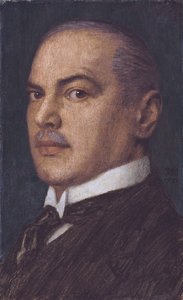
franz ritter von stuck
1863 - 1928 , Alemania
Datos clave
- Artistic Movement Or Style: Simbolismo
- Artists Who Influenced This Artist:
- Arnold Böcklin
- Pre-Raphaelitas
- Gustave Moreau
- Date Of Birth: 23 febrero 1863
- Date Of Death: 30 agosto 1928
- Full Name: Franz Ritter von Stuck
- Nationality: Alemania
- Notable Artworks:
- El Guardián del Paraíso
- Salome
- El Pecado
- Athleta
- Place Of Birth: Tettenweis, Alemania
Artículos relacionados
Franz von Stuck: Symbolism, Decadence & the Pursuit of Ideal Beauty
Explore the captivating world of Franz von Stuck, a leading Symbolist painter. Discover his mythological masterpieces, decadent themes, & investment potential. Expert analysis for discerning collectors.
La Edad Dorada Reinterpretada: Explorando los Principios Estéticos y el Legado Duradero del Art Déco
Descubre la elegancia atemporal del Art Déco. Explora su historia, características clave y artistas emblemáticos. Encuentra inspiración y obras exclusivas para decorar con estilo en ArtsDot.
Echoes of Olympus: Mythological Narratives in Western Art Through the Ages
Explore the captivating history of mythological narratives in Western art! From ancient Greece to modern masterpieces, discover iconic artworks & symbolism. Expert analysis and high-quality reproductions at ArtsDot.
The Gleaming Geometry of Desire: Exploring Art Deco's Enduring Influence on Visual Culture
Explore the captivating world of Art Deco! Discover its history, key characteristics, enduring influence on design & collecting with expert insights from ArtsDot.com.
Paul Manship: Reassessing the Master of American Art Deco Sculpture
Explore the captivating world of Paul Manship, a leading figure in American Art Deco sculpture. Discover his iconic works like Prometheus, influence on modernism, and investment potential. Expert insights for collectors.