 Ver en contexto
 Enviar
 Compartir
 Detalles

 Descargar
 Similares
 Radiografía
 Presentación de diapositivas
 Estadísticas
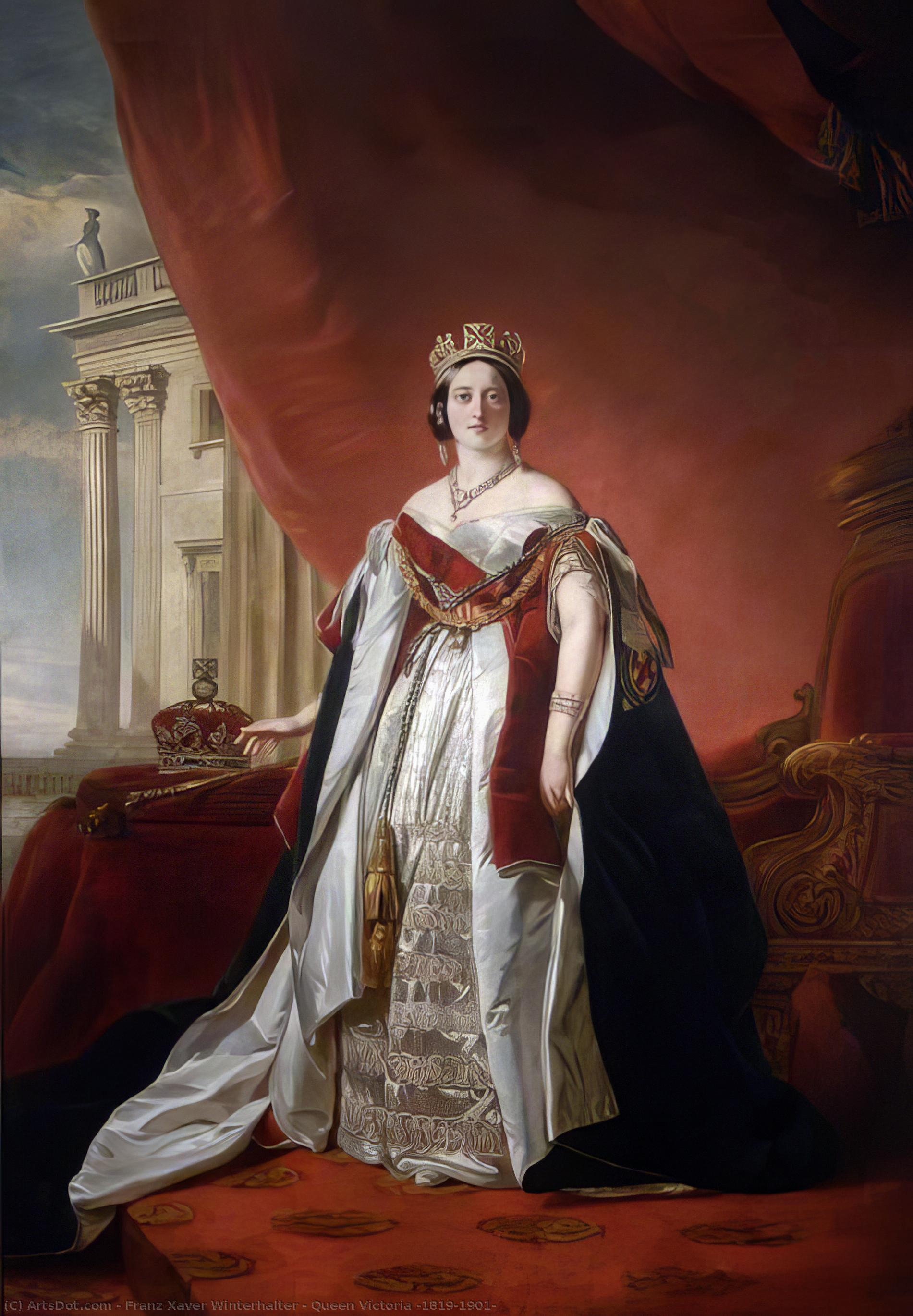
Queen Victoria (1819–1901)
 Oil On Canvas
- WallArt
- Academic Realism
 1864
1864 320.0 x 180.0 cm
 Mansión de Doncaster
 Ver más
Giclée / Impresión de arte
Impresiones giclée o en lienzo de calidad de museo con producción rápida y opciones de acabado flexibles. ( Comprar pintura hecha a mano Cambiar a imagen digital)




P118B $10

P118H $10

P118W $10

P438Z $10

P508JH $12

P508YH $12

P805H $10

P805Z $10

P919BZ $10

P919G $10

P919XJ $10

P959ZH $10

P968JZ $12

W106C $8

W218G $10

W218JH $8

W218Y $10

W307PJ $10

W316G $10

W316PJ $8

W316Y $10

W398PJ $8

W4111J $10

W500HY $15

W500JH $15

W692G $12

W849H $8

W940BG $15

W953PJ $8




Elija entre nuestros tamaños predefinidos que respetan las proporciones originales de la obra.

Puede introducir sus propias dimensiones para adaptarse a un marco o espacio específico. Si el tamaño seleccionado no coincide con las proporciones de la imagen original, recortaremos la obra de arte o extenderemos la imagen con un borde con efecto espejo o de color sólido. Se enviará una maqueta digital para su aprobación antes de que comience la producción.
Tenga en cuenta que la vista previa en pantalla no refleja el recorte o la extensión real. Solo la maqueta mostrará con precisión la composición final.
Aunque existen tamaños personalizados, recomendamos seleccionar una dimensión de la lista predefinida para preservar las proporciones originales.
Envío a todo el mundo () en 2 semanas en lugar de las 4/5 semanas estándar. (10 septiembre)

Envío exprés gratuito a todo el mundo

Lienzo de lino de alta calidad

Seguro de envío total

Garantía de reembolso de impuestos aduaneros

Garantía de fidelidad cromática exacta

Política de devolución de 100 días (solo por defectos)

Garantía de devolución del 100% del dinero

Descuento por cantidad
 La opción de vidrio solo está disponible en tamaños inferiores a 110 cm.

Queen Victoria (1819–1901)
Giclée / Impresión de arte
Dimensiones de la reproducción
-


Precio total final
$ 62
A Portrait of an Era: Queen Victoria by Franz Xaver Winterhalter
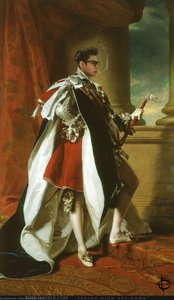
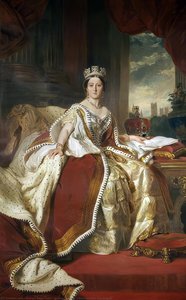
- Franz Xaver Winterhalter’s “Queen Victoria” (1864) is more than just a royal portrait; it's a meticulously crafted window into the heart of Victorian England. Executed during a period of unprecedented imperial expansion and societal transformation, this painting embodies the dignity, power, and carefully constructed image of Queen Victoria herself. Winterhalter, already established as the court painter to several European royalty, expertly captured the essence of his subject – a woman simultaneously representing tradition and modernity.
- The scene unfolds with remarkable detail. Queen Victoria is seated upon a plush red velvet chair, a symbol of wealth and authority, her posture radiating composure and regal bearing. The crown she wears isn't merely an emblem of sovereignty; it’s a visual anchor to centuries of British history and the weight of responsibility she carried. The sash around her waist further emphasizes her status as a monarch, a deliberate choice reflecting the era’s emphasis on decorum and hierarchy.
Technical Mastery and Winterhalter's Style
- Winterhalter was renowned for his mastery of scale and detail, particularly in portraiture. His technique involved layering thin glazes of oil paint – a hallmark of the academic style prevalent at the time – to achieve luminous colors and smooth transitions. Notice the subtle gradations in Victoria’s gown, the delicate rendering of her jewelry, and the precise detailing of the clock faces. These elements weren't simply decorative; they were carefully considered to reinforce the Queen’s image and the painting’s overall grandeur.
- The artist’s use of light is particularly noteworthy. A soft, diffused illumination bathes the scene, highlighting Victoria’s face and creating a sense of depth and volume. This technique, combined with his meticulous attention to texture – from the velvet of her chair to the sheen of her crown – elevates the portrait beyond a mere likeness into a powerful statement of visual artistry.
Symbolism and Historical Context
- Painted in 1864, during Victoria’s reign as Empress of India, the painting is deeply intertwined with the burgeoning British Empire. The clocks within the composition subtly symbolize time – a relentless force governing both the Queen's life and the vast empire she presided over. The setting itself, though seemingly private, speaks to the immense public scrutiny Victoria endured throughout her life.
- Winterhalter’s portraits were commissioned not just by royalty but also by wealthy industrialists and merchants eager to associate themselves with the prestige of the British monarchy. This painting represents a significant investment in social standing and a testament to Victoria's enduring influence on European society.
Emotional Impact and Artistic Legacy
- “Queen Victoria” possesses an undeniable emotional resonance, capturing not just the Queen’s physical appearance but also her inherent dignity and strength. The painting invites viewers to contemplate the complexities of leadership, power, and the enduring legacy of a remarkable woman.
- Franz Xaver Winterhalter's work continues to be admired for its technical brilliance, historical significance, and ability to evoke a powerful sense of atmosphere. This reproduction offers an exceptional opportunity to own a piece of art history – a tangible connection to one of the most iconic figures of the Victorian era.
Obras relacionadas
Biografía del artista
Primeros años y formación
Franz Xaver Winterhalter nació el 20 de abril de 1805 en la pequeña aldea de Menzenschwand, Alemania. Era el sexto hijo de Fidel Winterhalter, agricultor y productor de resina, y su esposa Eva Meyer. Su infancia estuvo marcada por una estrecha relación con su familia, especialmente con su hermano Hermann, quien también se convirtió en pintor. Franz Xaver asistió a la escuela en un monasterio benedictino en St. Blasien antes de trasladarse a Freiburg im Breisgau para estudiar dibujo y grabado bajo la tutela de Karl Ludwig Schüler. En 1823, con el patrocinio del Barón von Eichtal, se mudó a Múnich para continuar su formación artística.Ascenso a la fama
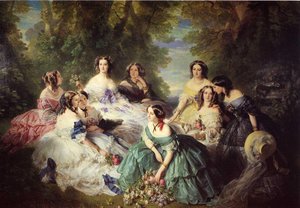
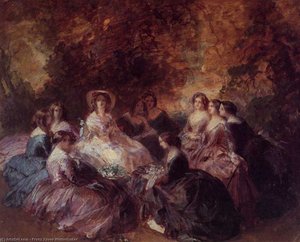
El gran avance de Winterhalter llegó en 1828 cuando se convirtió en maestro de dibujo de Sophie Margravina de Baden en Karlsruhe. Esta oportunidad le llevó a ser nombrado pintor de la corte del Gran Duque, donde pintó retratos del Gran Duque Leopoldo de Baden y su esposa. Destacan entre sus obras más notables: La Emperatriz Eugenia rodeada de sus damas de compañía (1855) y los retratos de la Emperatriz Elisabeth de Austria (1865). Su éxito en Francia le valió más de 30 encargos del rey Luis Felipe, consolidando su reputación como especialista en retratos dinásticos y aristocráticos. También pintó al menos 120 obras para la Reina Victoria, que permanecen en la colección real, expuestas en Buckingham Palace y otras residencias reales.Estilo artístico y legado
La obra de Winterhalter se caracteriza por una combinación de semejanza con halago, animando la pompa oficial con la moda moderna. A pesar de su éxito, no fue tomado en serio en los círculos artísticos, pero su reputación como retratista perduró. Obras notables:- "Il dolce farniente" (1836) e "Il decameron" (1837) mostraron sus composiciones académicas al estilo de Rafael.
- Su retrato del Príncipe de Wagram con su joven hija (1838) fue elogiado en el Salón.
Museos asociados
- El Museo Kunstsalon Franke Schenk (Alemania)
- El Museo Colección Hugo Fischer (Bühl, Alemania)
Explora las obras de Winterhalter
Puede ver las obras de Winterhalter en:- https://ArtsDot.com/@/franz-xaver-winterhalter
- /es/art/show/art-d3bsd9-es/ (El Museo Colección Hugo Fischer)
Conclusión
El legado de Franz Xaver Winterhalter como maestro del retrato real sigue siendo incomparable. Su obra, aunque no siempre tomada en serio en los círculos artísticos, continúa fascinando con su mezcla única de realismo y halago. Explore sus obras en ArtsDot.com para profundizar en el mundo de este pintor y litógrafo alemán.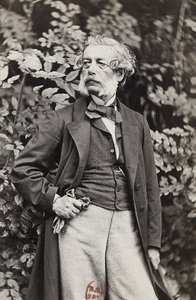
Franz Xaver Winterhalter
1805 - 1873 , Alemania
Datos clave
- Estilo Artístico: Retrato aristocrático
- Fecha De Muerte: 1873
- Fecha De Nacimiento: 20 de abril de 1805
- Lugar De Nacimiento: Menzschenswand, Alemania
- Nacionalidad: Alemán
- Nombre Completo: Franz Xaver Winterhalter
- Obras Notables:
- Il dolce farniente (1836)
- Il decameron (1837)
- Príncipe de Wagram y su hija (1838)
- Emperatriz Eugenia (1855)
Artículos relacionados
James Sant: Capturing Victorian Childhood & the Evolving Landscape of British Genre Painting
Explore the life & art of James Sant (1820-1916), renowned Victorian portraitist to Queen Victoria. Discover his captivating depictions of childhood, landscapes, and aristocratic society. Learn about his legacy & find fine art reproductions.
The Majesty of Representation: Exploring Regal Imagery in Art History
Explore the captivating history of royal portraiture with ArtsDot. Discover the symbolism, artistry, and enduring legacy of regal imagery in art. Expert insights for collectors & enthusiasts.

Sir Francis Grant: Portraiture, Patronage & Victorian Society
Explore the life & work of Sir Francis Grant, a leading Victorian portraitist. Discover his aristocratic clientele, role at the Royal Academy, and enduring artistic legacy. Learn about art patronage in 19th-century Britain.
Franz Xaver Winterhalter: Court Painter, Academician & Embodiment of Mid-19th Century Portraiture
Explore the life & art of Franz Xaver Winterhalter, the celebrated court painter of the 19th century. Discover his exquisite portraits of royalty and aristocracy – a symbol of prestige and refined taste.
George Hayter: Portraiture, Power & Victorian Society's Canvas
Explore the life & work of George Hayter, Queen Victoria’s Principal Painter. Discover his iconic Victorian portraits, historical masterpieces, and lasting impact on British art history. Learn more at ArtsDot.