 Ver en contexto
 Enviar
 Compartir
 Detalles

 Descargar
 Similares
 Radiografía
 Presentación de diapositivas
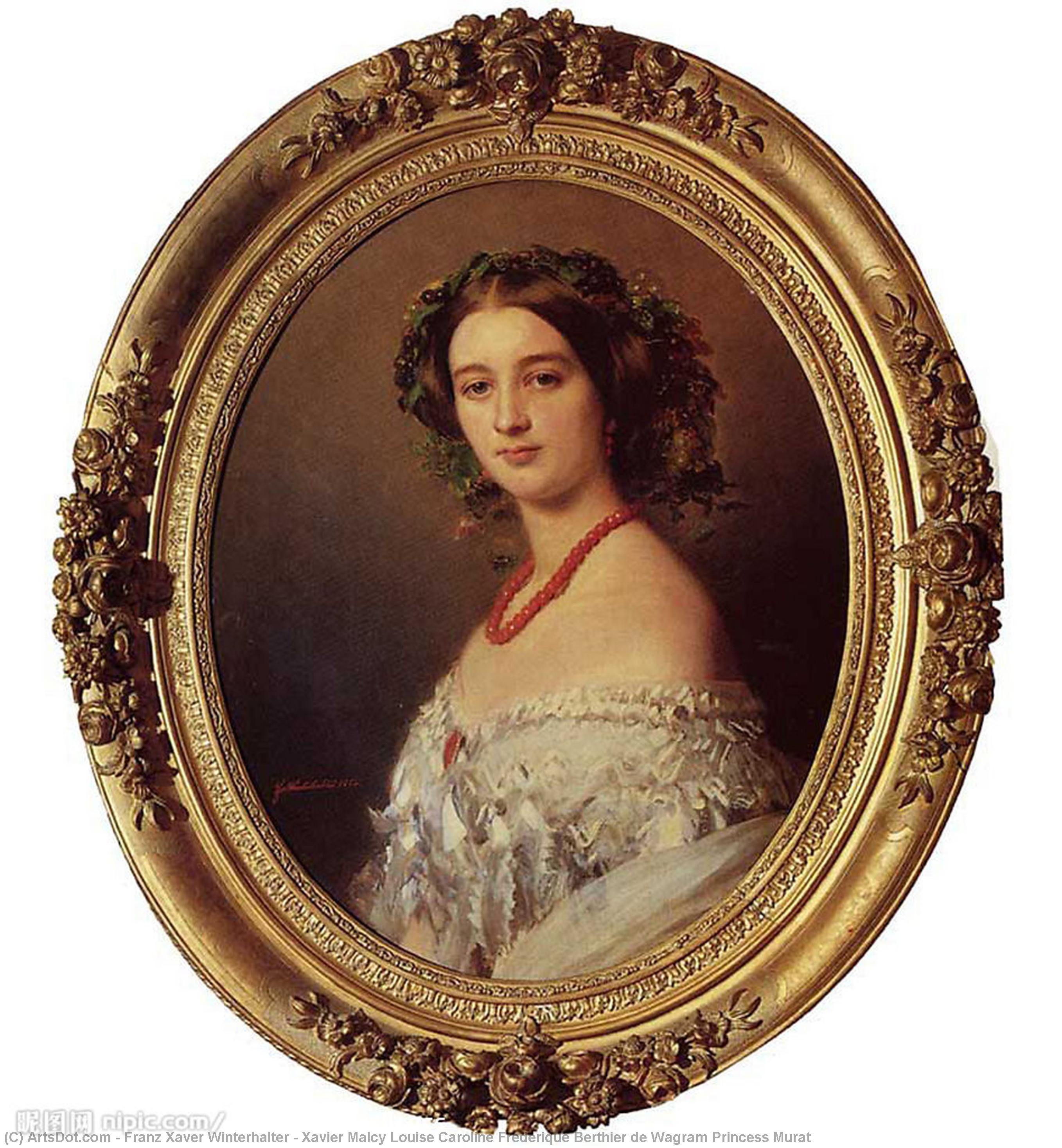
Xavier Malcy Louise Caroline Frederique Berthier de Wagram Princess Murat


 Ver más
Giclée / Impresión de arte
Impresiones giclée o en lienzo de calidad de museo con producción rápida y opciones de acabado flexibles. ( Comprar pintura hecha a mano Comprar imagen)




P118B $10

P118H $10

P118W $10

P438Z $10

P508JH $12

P508YH $12

P805H $10

P805Z $10

P919BZ $10

P919G $10

P919XJ $10

P959ZH $10

P968JZ $12

W106C $8

W218G $10

W218JH $8

W218Y $10

W307PJ $10

W316G $10

W316PJ $8

W316Y $10

W398PJ $8

W4111J $10

W500HY $15

W500JH $15

W692G $12

W849H $8

W940BG $15

W953PJ $8




Elija entre nuestros tamaños predefinidos que respetan las proporciones originales de la obra.

Puede introducir sus propias dimensiones para adaptarse a un marco o espacio específico. Si el tamaño seleccionado no coincide con las proporciones de la imagen original, recortaremos la obra de arte o extenderemos la imagen con un borde con efecto espejo o de color sólido. Se enviará una maqueta digital para su aprobación antes de que comience la producción.
Tenga en cuenta que la vista previa en pantalla no refleja el recorte o la extensión real. Solo la maqueta mostrará con precisión la composición final.
Aunque existen tamaños personalizados, recomendamos seleccionar una dimensión de la lista predefinida para preservar las proporciones originales.
Envío a todo el mundo () en 2 semanas en lugar de las 4/5 semanas estándar. (25 agosto)

Envío exprés gratuito a todo el mundo

Lienzo de lino de alta calidad

Seguro de envío total

Garantía de reembolso de impuestos aduaneros

Garantía de fidelidad cromática exacta

Política de devolución de 60 días (solo por defectos)

Garantía de devolución del 100% del dinero

Descuento por cantidad
 La opción de vidrio solo está disponible en tamaños inferiores a 110 cm.

Xavier Malcy Louise Caroline Frederique Berthier de Wagram Princess Murat
Giclée / Impresión de arte
Dimensiones de la reproducción
-


Precio total final
$ 62
Descripción de la pieza
Xavier Malcy Louise Caroline Frederique Berthier de Wagram Princess Murat: A Portrait of Imperial Grace
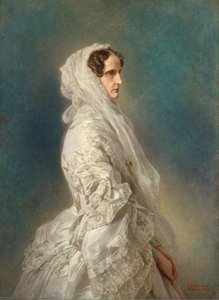
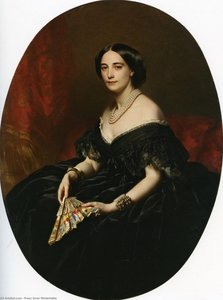
Franz Xaver Winterhalter’s “Xavier Malcy Louise Caroline Frederique Berthier de Wagram Princess Murat,” painted in 1854, is more than just a portrait; it's a meticulously crafted window into the opulent world of European aristocracy during the mid-nineteenth century. This stunning work captures the essence of Princess Murat, not merely as a subject but as a figure embodying poise, confidence, and the undeniable weight of her royal lineage. Winterhalter’s mastery is immediately apparent – his signature soft color palette, combined with an almost obsessive attention to detail, creates an image that feels both timeless and intensely present.
- The Artist's Vision: Winterhalter was a pivotal figure in the transition from Romantic portraiture to the more formal styles of the Victorian era. He possessed a remarkable ability to discern and translate the psychological nuances of his sitters, imbuing each portrait with a sense of character and dignity.
- Technique & Materials: Executed in oil on canvas, the painting showcases Winterhalter’s renowned skill in layering translucent glazes – a technique that allows light to play across the surface, creating an ethereal glow around the Princess's figure. The use of gold leaf in the frame and decorative border further elevates the piece, reflecting the wealth and status associated with its subject.
- Historical Context: Created during a period of significant imperial expansion and artistic innovation, this portrait reflects the grandeur of the Wagram court and the influence of French aristocratic traditions within the German-speaking territories. The painting’s creation aligns perfectly with Winterhalter's prolific career documenting European royalty.
A Study in Victorian Elegance
The Princess Murat herself is depicted with a captivating stillness, her gaze directed towards the viewer – an invitation to engage with her presence. Her attire, characteristic of the period, speaks volumes about her status: a flowing white dress, adorned with delicate floral arrangements woven into her hair, symbolizes purity and nobility. The subtle expression on her face—a blend of contemplation and quiet strength—suggests a woman accustomed to command and grace. Winterhalter’s meticulous rendering of fabrics – the folds of the gown, the texture of the lace – demonstrates his dedication to realism and his ability to capture the tactile qualities of the subject's clothing.
- Color Palette: The dominant use of muted blues, greens, and creams creates a sense of serenity and refinement. These colors were favored by Winterhalter, contributing to the overall atmosphere of elegance and sophistication.
- Composition: The portrait’s composition is carefully balanced, with the Princess positioned slightly off-center to create visual interest. This technique, combined with the use of shallow depth of field, draws the viewer's eye directly to her face – the focal point of the entire work.
Symbolism and Legacy
Beyond its aesthetic qualities, “Xavier Malcy Louise Caroline Frederique Berthier de Wagram Princess Murat” carries symbolic weight. The portrait represents not only the individual woman but also the broader ideals of beauty, power, and refinement that were valued during the Victorian era. Winterhalter’s work has been admired for generations, securing its place within the canon of 19th-century portraiture. Its presence in museums like the Galleria Estense underscores its enduring artistic merit.
- Winterhalter's Influence: Winterhalter’s influence extended far beyond his own lifetime, shaping the style of countless portrait painters who followed him. His meticulous approach and emphasis on psychological realism set a new standard for portraiture in Europe.
- A Collector's Piece: This hand-painted reproduction offers an unparalleled opportunity to experience the beauty and artistry of Winterhalter’s masterpiece firsthand. It is a timeless addition to any art collection or interior design scheme, bringing a touch of imperial grace to your space.
Bringing Masterpiece Home
ArtsDot.com presents this exquisite reproduction as a testament to the enduring legacy of Franz Xaver Winterhalter. Each detail—from the delicate floral arrangements in the Princess’s hair to the subtle nuances of her expression—has been faithfully recreated by skilled artisans, ensuring that you receive a piece that captures the very essence of this iconic portrait. Invest in a timeless work of art and bring home a piece of history.
Obras relacionadas


Biografía del artista
Primeros años y formación
Franz Xaver Winterhalter nació el 20 de abril de 1805 en la pequeña aldea de Menzenschwand, Alemania. Era el sexto hijo de Fidel Winterhalter, agricultor y productor de resina, y su esposa Eva Meyer. Su infancia estuvo marcada por una estrecha relación con su familia, especialmente con su hermano Hermann, quien también se convirtió en pintor. Franz Xaver asistió a la escuela en un monasterio benedictino en St. Blasien antes de trasladarse a Freiburg im Breisgau para estudiar dibujo y grabado bajo la tutela de Karl Ludwig Schüler. En 1823, con el patrocinio del Barón von Eichtal, se mudó a Múnich para continuar su formación artística.Ascenso a la fama
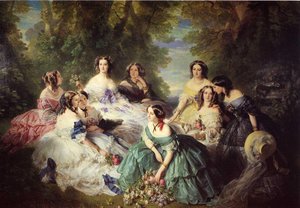
El gran avance de Winterhalter llegó en 1828 cuando se convirtió en maestro de dibujo de Sophie Margravina de Baden en Karlsruhe. Esta oportunidad le llevó a ser nombrado pintor de la corte del Gran Duque, donde pintó retratos del Gran Duque Leopoldo de Baden y su esposa. Destacan entre sus obras más notables: La Emperatriz Eugenia rodeada de sus damas de compañía (1855) y los retratos de la Emperatriz Elisabeth de Austria (1865). Su éxito en Francia le valió más de 30 encargos del rey Luis Felipe, consolidando su reputación como especialista en retratos dinásticos y aristocráticos. También pintó al menos 120 obras para la Reina Victoria, que permanecen en la colección real, expuestas en Buckingham Palace y otras residencias reales.Estilo artístico y legado
La obra de Winterhalter se caracteriza por una combinación de semejanza con halago, animando la pompa oficial con la moda moderna. A pesar de su éxito, no fue tomado en serio en los círculos artísticos, pero su reputación como retratista perduró. Obras notables:- "Il dolce farniente" (1836) e "Il decameron" (1837) mostraron sus composiciones académicas al estilo de Rafael.
- Su retrato del Príncipe de Wagram con su joven hija (1838) fue elogiado en el Salón.
Museos asociados
- El Museo Kunstsalon Franke Schenk (Alemania)
- El Museo Colección Hugo Fischer (Bühl, Alemania)
Explora las obras de Winterhalter
Puede ver las obras de Winterhalter en:- https://ArtsDot.com/@/franz-xaver-winterhalter
- /es/art/show/art-d3bsd9-es/ (El Museo Colección Hugo Fischer)
Conclusión
El legado de Franz Xaver Winterhalter como maestro del retrato real sigue siendo incomparable. Su obra, aunque no siempre tomada en serio en los círculos artísticos, continúa fascinando con su mezcla única de realismo y halago. Explore sus obras en ArtsDot.com para profundizar en el mundo de este pintor y litógrafo alemán.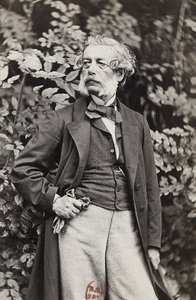
Franz Xaver Winterhalter
1805 - 1873 , Alemania
Datos clave
- Estilo Artístico: Retrato aristocrático
- Fecha De Muerte: 1873
- Fecha De Nacimiento: 20 de abril de 1805
- Lugar De Nacimiento: Menzschenswand, Alemania
- Nacionalidad: Alemán
- Nombre Completo: Franz Xaver Winterhalter
- Obras Notables:
- Il dolce farniente (1836)
- Il decameron (1837)
- Príncipe de Wagram y su hija (1838)
- Emperatriz Eugenia (1855)
Artículos relacionados
Franz Xaver Winterhalter: Court Painter, Academician & Embodiment of Mid-19th Century Portraiture
Explore the life & art of Franz Xaver Winterhalter, the celebrated court painter of the 19th century. Discover his exquisite portraits of royalty and aristocracy – a symbol of prestige and refined taste.

La Estética Refinada de la Ilustración Victoriana: Narrativa y Técnica en el Arte del Siglo XIX
Descubra la estética refinada de la ilustración victoriana y el impacto revolucionario de los Prerrafaelitas. Análisis profundo de técnicas, narrativa y simbolismo en el arte del siglo XIX.
William Powell Frith: Narratives of Victorian Society & the Rise of Realist Painting
Explore the life & works of William Powell Frith, the 'greatest British painter of social scenes.' Discover his iconic Victorian genre paintings and learn about his lasting impact on realist art. Hand-painted reproductions available.
Dante Gabriel Rossetti: Las 25 Obras Maestras del Prerrafaelismo | ArtsDot
Descubre las 25 obras maestras de Dante Gabriel Rossetti, el máximo exponente del Prerrafaelismo. Explora su simbolismo, retratos victorianos y la belleza femenina en lienzos inolvidables. Reproducciones de arte exclusivas en ArtsDot.com.
James Sant: Capturing Victorian Childhood & the Evolving Landscape of British Genre Painting
Explore the life & art of James Sant (1820-1916), renowned Victorian portraitist to Queen Victoria. Discover his captivating depictions of childhood, landscapes, and aristocratic society. Learn about his legacy & find fine art reproductions.