

 Ver en contexto
 Enviar
 Compartir
 Detalles

 Descargar
 Similares
 Radiografía
 Presentación de diapositivas
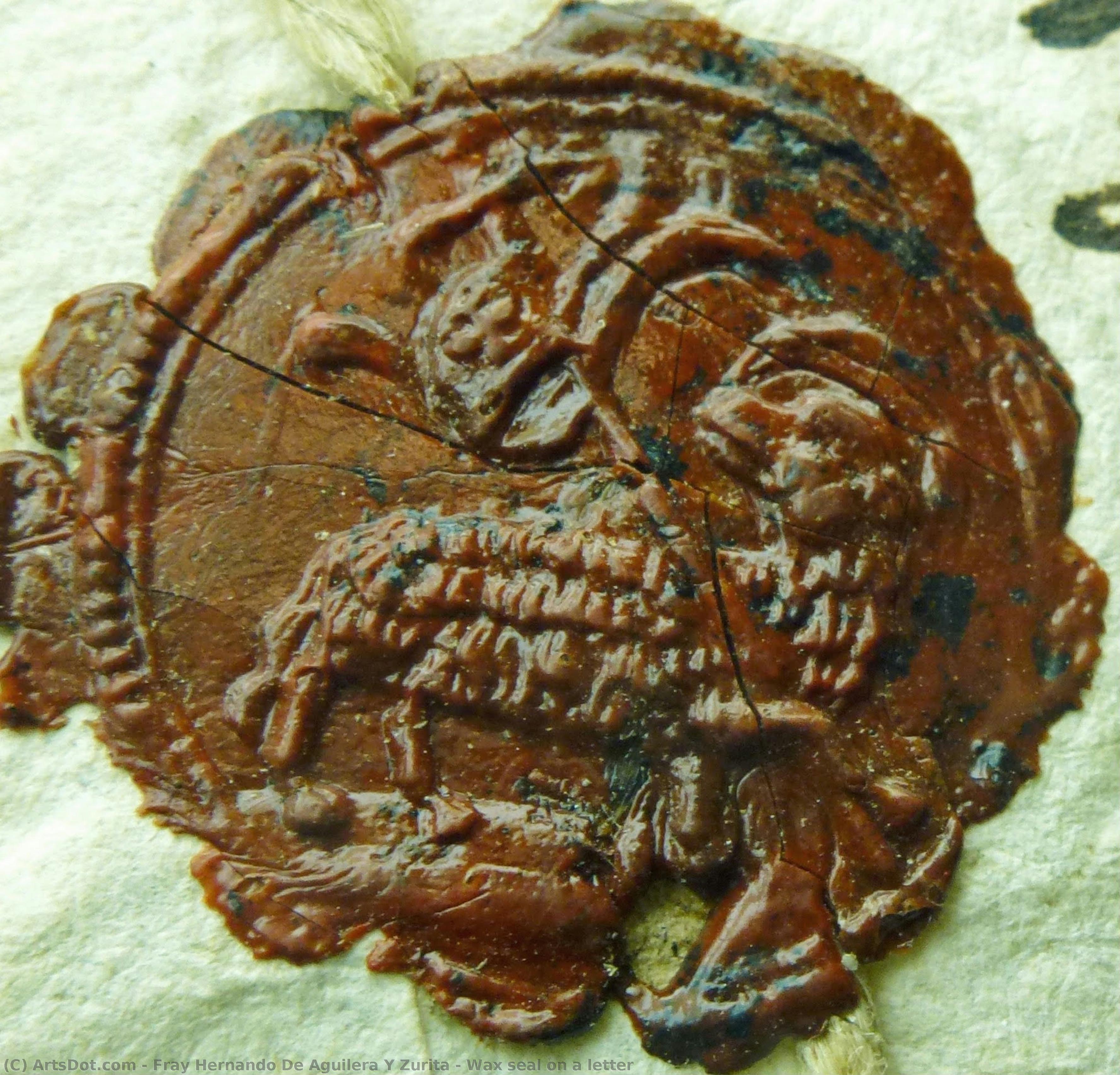
Wax seal on a letter

 Ver más
Reproducción al óleo hecha a mano
Óleo sobre lienzo pintado a mano en el tamaño y marco de su elección, realizado por encargo por nuestros artistas. ( Comprar impresión Comprar imagen)




































Elija entre nuestros tamaños predefinidos que respetan las proporciones originales de la obra.

Puede ingresar sus propias dimensiones para adaptarse a un marco o espacio específico. Si el tamaño seleccionado no coincide con las proporciones de la imagen original, recortaremos la obra o extenderemos la pintura con elementos adicionales pintados a mano. Se le enviará una maqueta digital para su aprobación antes de comenzar la producción.
Tenga en cuenta que la vista previa en pantalla no refleja el recorte o la extensión reales. Solo la maqueta mostrará con precisión la composición final.
Si bien existen tamaños personalizados, recomendamos seleccionar una dimensión de la lista predefinida para preservar las proporciones originales.
Tras realizar el pedido, el equipo de ArtsDot.com enviará un correo electrónico al cliente para solicitar instrucciones y proporcionarle una vista previa del boceto.
Envío a todo el mundo () en 3-4 semanas en lugar de las 5 semanas estándar. (24 agosto). Sin comprometer la calidad.

Envío exprés gratuito a todo el mundo

Lienzo de lino de alta calidad

Seguro de envío total

Garantía de reembolso de impuestos aduaneros

Garantía de fidelidad cromática exacta

Política de devolución de 60 días (solo por defectos)

Garantía de devolución del 100% del dinero

Descuento por cantidad
 La opción de vidrio solo está disponible en tamaños inferiores a 110 cm.

Wax seal on a letter
Técnica de reproducción
Dimensiones de la reproducción
-


Precio total final
$ 263
Obras relacionadas










Biografía del artista
The Sacred Legacy of Hernando de Aguilera y Zurita
In the golden age of Spanish ecclesiastical history, few figures embodied the intersection of spiritual devotion and aesthetic patronage as profoundly as Hernando de Aguilera y Zurita. Born in 1561 into a noble lineage in Seville, his life was a tapestry woven with threads of high-ranking diplomacy and deep religious fervor. While often remembered for his ascent to the prestigious position of Archbishop of Seville in 1609, his true impact resonated through the very visual fabric of the Spanish Baroque. His journey from a privileged youth in Andalusia to a pivotal leader within the Jesuit framework allowed him to shape the artistic landscape of an era defined by the Counter-Reformation, where art served as the primary language of faith.
The formative years of Aguilera were steeped in the rich, stylistic currents flowing through Seville, a city then serving as a global gateway. Under the guidance of prominent Sevillian masters, he absorbed the intricate complexities of Mannerism and the emerging, more emotive qualities of the Early Baroque. This training was not merely technical; it was deeply philosophical. Immersed in Jesuit scholasticism, he learned to view the canvas as a didactic tool—a window through which the illiterate and the learned alike could contemplate the divine. His approach to art was characterized by a meticulous attention to detail and an unwavering commitment to emotional depth, ensuring that every brushstroke or commissioned sculpture served a higher theological purpose.
A Visionary of Patronage and Piety
As Aguilera ascended to the apex of ecclesiastical leadership, his role transitioned from a student of art to one of its most influential architects. His tenure as Archbishop provided him with unparalleled access to the resources necessary to transform the churches of Andalusia into immersive spiritual environments. He understood that to move the soul, one had to engage the senses, and thus he became a prolific patron of the arts. His commissions were not mere decorations but strategic theological statements designed to foster piety and disseminate the teachings of the Church throughout his diocese.
The works emerging from his patronage reflected a masterful blend of innovation and conviction. Through his influence, the following elements became hallmarks of the era's religious art:
- Emotional Resonance: A move away from static figures toward compositions that captured the raw, human experience of divine intervention.
- Stylistic Synthesis: The seamless integration of Mannerist elegance with the dramatic lighting and movement characteristic of the Baroque.
- Didactic Clarity: The use of iconography to tell complex biblical narratives in a way that was accessible and spiritually instructive.
Historical Significance and Enduring Influence
The historical significance of Hernando de Aguilera y Zurita extends far beyond the borders of Seville. His life’s work represents a crucial moment in the history of Jesuit Art, illustrating how religious orders utilized visual culture to expand their influence across Spain and into colonial Latin America. By championing art that was both aesthetically sophisticated and doctrinally sound, he helped establish a visual vocabulary for the Catholic Church that would endure for centuries.
Though his personal biographical details are occasionally obscured by the passage of time, his legacy remains etched in the stone and pigment of the Spanish Baroque. He stands as a testament to the power of art to act as a bridge between the earthly and the divine, leaving behind a heritage where beauty and belief are inextricably linked. His life reminds us that the greatest artists and patrons are often those who see the canvas not just as a surface for paint, but as a sacred space for the eternal.
fray hernando de aguilera y zurita
1561 - 1637 , Spain
Datos clave
- Artistic Movement Or Style: Jesuit Art
- Date Of Birth: 1561
- Date Of Death: 1637
- Full Name: Hernando de Aguilera y Zurita
- Nationality: Spanish
- Notable Artworks: ['Wax seal on a letter']
- Place Of Birth: Spain

