

 Ver en contexto
 Enviar
 Compartir
 Detalles

 Descargar
 Similares
 Radiografía
 Presentación de diapositivas
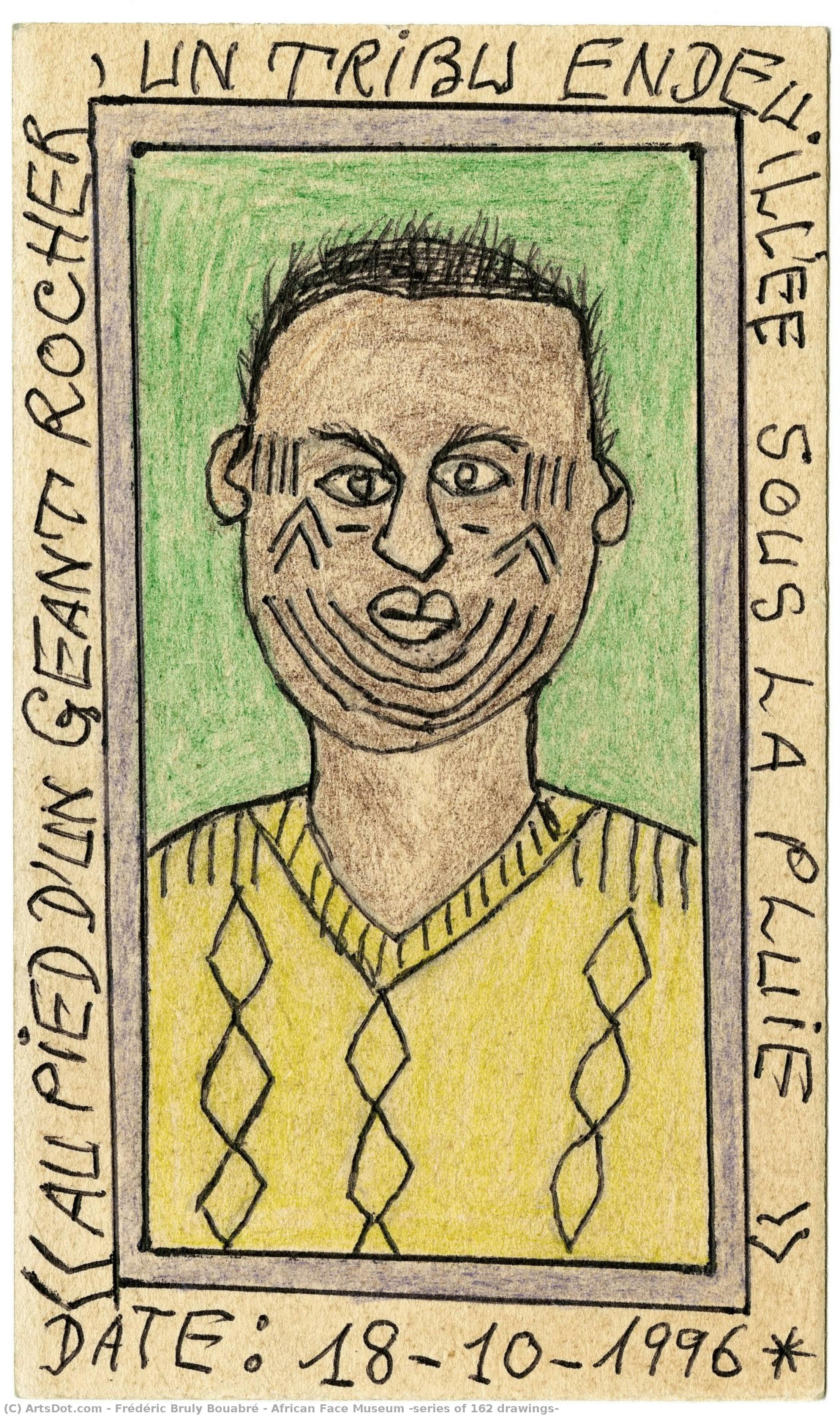
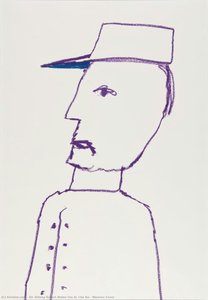
African Face Museum (series of 162 drawings)
 Crayon
- Contemporary Art
 1996
1996- Contemporary
 15.0 x 10.0 cm
 Ver más
Reproducción al óleo hecha a mano
Óleo sobre lienzo pintado a mano en el tamaño y marco de su elección, realizado por encargo por nuestros artistas. ( Comprar impresión Comprar imagen)




P118B $10

P118H $10

P118W $10

P438Z $10

P508JH $12

P508YH $12

P805H $10

P805Z $10

P919BZ $10

P919G $10

P919XJ $10

P959ZH $10

P968JZ $12

W106C $8

W218G $10

W218JH $8

W218Y $10

W307PJ $10

W316G $10

W316PJ $8

W316Y $10

W398PJ $8

W4111J $10

W500HY $15

W500JH $15

W692G $12

W849H $8

W940BG $15

W953PJ $8




Elija entre nuestros tamaños predefinidos que respetan las proporciones originales de la obra.

Puede ingresar sus propias dimensiones para adaptarse a un marco o espacio específico. Si el tamaño seleccionado no coincide con las proporciones de la imagen original, recortaremos la obra o extenderemos la pintura con elementos adicionales pintados a mano. Se le enviará una maqueta digital para su aprobación antes de comenzar la producción.
Tenga en cuenta que la vista previa en pantalla no refleja el recorte o la extensión reales. Solo la maqueta mostrará con precisión la composición final.
Si bien existen tamaños personalizados, recomendamos seleccionar una dimensión de la lista predefinida para preservar las proporciones originales.
Tras realizar el pedido, el equipo de ArtsDot.com enviará un correo electrónico al cliente para solicitar instrucciones y proporcionarle una vista previa del boceto.
Envío a todo el mundo () en 3-4 semanas en lugar de las 5 semanas estándar. (7 septiembre). Sin comprometer la calidad.

Envío exprés gratuito a todo el mundo

Lienzo de lino de alta calidad

Seguro de envío total

Garantía de reembolso de impuestos aduaneros

Garantía de fidelidad cromática exacta

Política de devolución de 100 días (solo por defectos)

Garantía de devolución del 100% del dinero

Descuento por cantidad
 La opción de vidrio solo está disponible en tamaños inferiores a 110 cm.

African Face Museum (series of 162 drawings)
Técnica de reproducción
Dimensiones de la reproducción
-


Precio total final
$ 263
A Visionary Encounter with the Soul of Africa
In the delicate, intimate space of The African Face Museum, we encounter more than just a drawing; we enter the profound, spiritual landscape of Frédéric Bruly Bouabré. This evocative piece, part of a monumental series of 162 drawings, serves as a window into the mind of an artist who functioned simultaneously as a poet, an encyclopedist, and a prophet. Created in 1996, this work captures a moment of intense personal and cultural reflection, rendered with the raw, immediate energy that defines Bouabré’s unique aesthetic. The portrait, characterized by its striking use of black and yellow, presents a face etched with a quiet, serious dignity, inviting the viewer to look beyond the surface and into the very essence of human identity.
The technique employed here is deceptively simple yet emotionally heavy. Using the humble medium of ballpoint pen and color crayons on a small, postcard-sized format, Bouabré achieves a depth of character that defies its modest scale. The interplay between the stark black lines and the vibrant yellow tones creates a rhythmic visual tension, mirroring the artist's lifelong mission to bridge the gap between the seen and the unseen. For collectors and enthusiasts of contemporary African art, this piece represents a masterclass in how minimalist tools can be used to convey complex, universal truths about existence, memory, and the preservation of heritage.
The Language of Symbols and Universal Knowledge
To understand this artwork is to understand the concept of Cheik Nadro—"He who does not forget." Bouabré’s life was dedicated to the monumental task of archiving the Bété culture and the broader spectrum of human knowledge through his invented alphabet of 448 pictograms. In this drawing, every stroke carries the weight of that mission. The face depicted is not merely a portrait but a vessel for what Bouabré called Connaissance du Monde—Knowledge of the World. The artist’s ability to weave together elements of divinity, myth, and science into a single visual narrative makes this work an essential piece for those who appreciate art that functions as a philosophical text.
The symbolism within the series is deeply rooted in Bouabré's 1948 revelation, where he witnessed seven colorful suns orbiting a Mother-Sun. This cosmic awareness permeates his work, infusing even a simple portrait with a sense of the divine and the eternal. For an interior designer or a curator, integrating such a piece into a collection offers a profound point of conversation. It is a work that demands contemplation, acting as a meditative anchor in any space. The yellow hues evoke warmth and enlightenment, while the dark contours ground the image in the earthly reality of the human experience.
An Essential Addition to the Discerning Collection
For the art lover seeking more than mere decoration, The African Face Museum offers a rare opportunity to possess a fragment of a visionary's legacy. This reproduction allows the profound spirit of Bouabré’s work to inhabit modern living spaces, bringing with it an aura of intellectual depth and cultural richness. It is a piece that resonates with the themes of identity, preservation, and the universal human desire to find meaning in the signs of the world.
Whether displayed as part of a gallery wall focused on African modernism or as a standalone focal point in a minimalist setting, this artwork provides an unparalleled emotional impact. It is a testament to the power of art to act as a redemptive calling—a way to organize society and create a framework for exchange between all people. Owning a piece from this series is not just about acquiring a beautiful image; it is about participating in the ongoing dialogue of a man who sought to unite mankind through the beauty of his signs.
Obras relacionadas
Biografía del artista
A Life of Artistic Innovation and Cultural Preservation
Frédéric Bruly Bouabré (1923 – 2014), born in Zéprocaguého, Ivory Coast, stands as a monumental figure in Ivorian art and beyond. His singular contribution lies in the creation of the Bété syllabary—a groundbreaking writing system for the Bété language—consisting of approximately 440 pictographic characters that vividly depict scenes from daily life, each meticulously representing a syllable. This remarkable achievement cemented his place as one of the most influential artists of the 20th century and continues to inspire discussions about visual communication and cultural heritage.Early Life and Inspiration
The genesis of Bouabré’s artistic journey began on March 11, 1948, when he experienced a profound epiphany: envisioning seven colorful suns encircling their maternal sun—a vision that would profoundly shape his creative process. Driven by this inspiration, he adopted the moniker “Cheik Nadro,” translating to “He who does not forget.” This motto encapsulated Bouabré’s unwavering dedication to documenting and preserving traditions, folklore, and artistic knowledge. He pursued diverse academic interests, compiling extensive research in manuscripts concerning arts, customs, poetry, tales, religion, and aesthetics—a testament to his intellectual curiosity and holistic approach to understanding the world around him.Notable Works and Achievements
Bouabré’s artistic output is characterized by a distinctive style rooted in Naive Art, marked by simplicity, directness, and an uncompromising commitment to observation. His most celebrated series, “The African Face Museum,” comprises 162 drawings that explore themes of identity, spirituality, and the human condition—each piece imbued with symbolic resonance and conveying profound emotional depth. However, Bouabré’s legacy transcends mere visual representation; it resides primarily in his creation of the Bété syllabary. Developed in the 1950s, this writing system represents a monumental feat of linguistic innovation, transforming the Bété language into a written form and safeguarding its cultural heritage for future generations. It stands as an unparalleled example of how art can serve as a vehicle for preserving traditions and fostering intellectual discourse.Influence and Recognition
Bouabré’s work garnered international acclaim, finding its way into prominent collections worldwide—including those showcased on ArtsDot.com. His artistic vision resonated deeply with scholars and artists alike, establishing him as a pivotal figure in contemporary art history. Furthermore, his dedication to cultural preservation earned him recognition as a champion of indigenous languages and traditions. The Bété syllabary continues to be studied and utilized by linguists and educators across Côte d’Ivoire and beyond—a lasting testament to Bouabré's enduring impact on the artistic landscape and intellectual discourse.Conclusion
Frédéric Bruly Bouabré’s life embodies the transformative potential of art—demonstrating how creative expression can simultaneously enrich our understanding of culture and inspire future generations with its unwavering spirit of innovation. His legacy persists through ArtsDot.com and other platforms dedicated to honoring his artistic achievements, ensuring that his visionary creations continue to captivate audiences and provoke contemplation for years to come.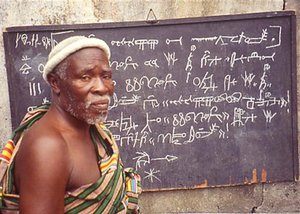
Frédéric Bruly Bouabré
1923 - 2014 , Côte d’Ivoire
Datos clave
- Artistic Movement Or Style: Arte Naïf
- Date Of Birth: 1923
- Date Of Death: 2014
- Full Name: Frédéric Bruly Bouabré
- Nationality: Ivorien
- Notable Artworks:
- El Museo Facial Africano (Serie de 162 dibujos)
- Celebridades (serie de 51 dibujos)
- Place Of Birth: Zéprocaguého, Côte d'Ivoire
Artículos relacionados

Las 10 Pinturas Más Famosas Dominadas por el Negro | Arte y Decoración
Descubre las 10 pinturas más impactantes dominadas por el negro. Explora obras maestras de Rembrandt, Goya y Rothko, su historia y significado. Encuentra reproducciones de arte exclusivas para transformar tu hogar en .
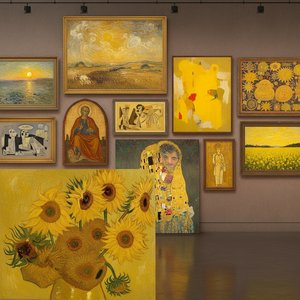
Los 10 cuadros más famosos dominados por el 'amarillo cromo': Arte y decoración
Descubre los 10 cuadros más emblemáticos dominados por el 'amarillo cromo': Van Gogh, Monet y otros maestros. Historia del arte, técnicas y decoración con lienzos impresionistas. ¡Explora la colección completa en ArtsDot.com!
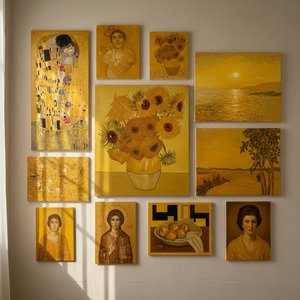
Los 10 cuadros más famosos dominados por el ocre amarillo: Arte y decoración atemporal
Descubre los 10 cuadros más famosos con tonos ocres amarillos. Explora la historia de Van Gogh, Monet y otros artistas clave del impresionismo y postimpresionismo. Encuentra reproducciones de arte de museo en .
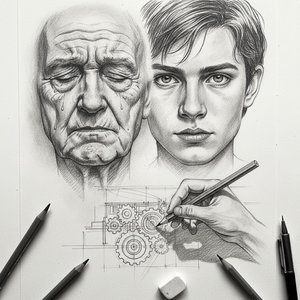
The Nuances of Graphite: Exploring Emotional Depth & Technical Mastery in Pencil Drawing
Explore the captivating world of graphite drawing! Discover its rich history, master essential techniques like chiaroscuro, and learn how artists evoke emotion through this timeless medium. Expert insights for art enthusiasts.
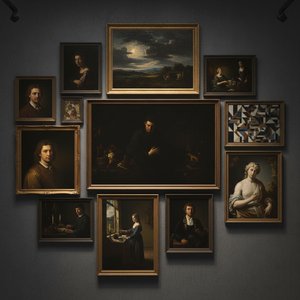
Las 10 Obras Maestras del Negro Carbón: Arte, Historia y Decoración
Descubre 10 obras maestras del arte dominadas por el negro carbón. Explora la historia, técnica y significado de cuadros icónicos de artistas como Rembrandt y Goya. Encuentra reproducciones de museo en .