

 Ver en contexto
 Enviar
 Compartir
 Detalles

 Descargar
 Similares
 Radiografía
 Presentación de diapositivas
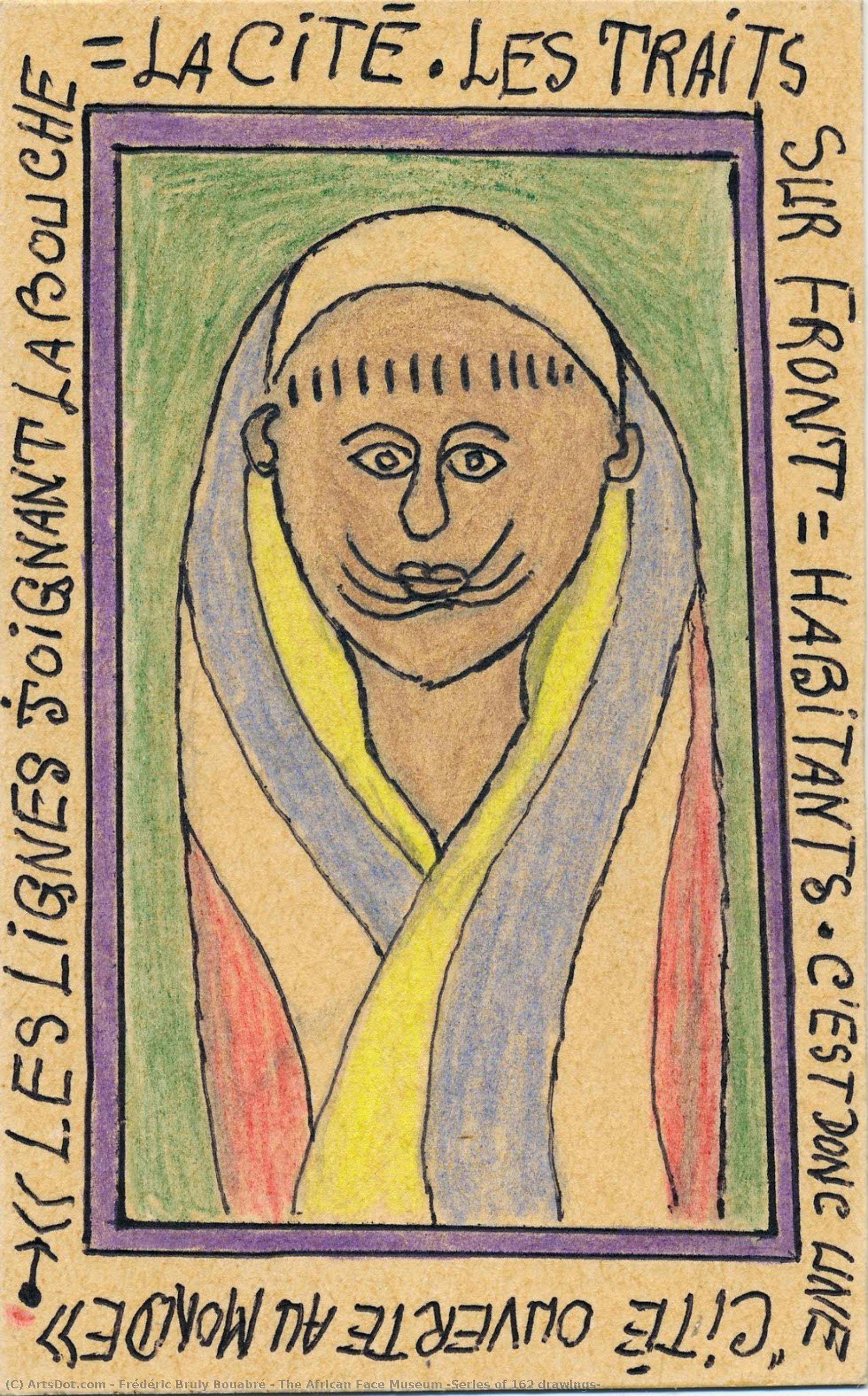
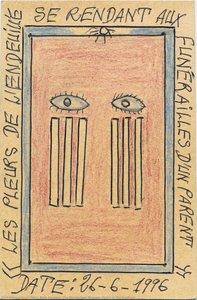
The African Face Museum (Series of 162 drawings)


 Ver más
Giclée / Impresión de arte
Impresiones giclée o en lienzo de calidad de museo con producción rápida y opciones de acabado flexibles. ( Comprar pintura hecha a mano Comprar imagen)




































Elija entre nuestros tamaños predefinidos que respetan las proporciones originales de la obra.

Puede introducir sus propias dimensiones para adaptarse a un marco o espacio específico. Si el tamaño seleccionado no coincide con las proporciones de la imagen original, recortaremos la obra de arte o extenderemos la imagen con un borde con efecto espejo o de color sólido. Se enviará una maqueta digital para su aprobación antes de que comience la producción.
Tenga en cuenta que la vista previa en pantalla no refleja el recorte o la extensión real. Solo la maqueta mostrará con precisión la composición final.
Aunque existen tamaños personalizados, recomendamos seleccionar una dimensión de la lista predefinida para preservar las proporciones originales.
Envío a todo el mundo () en 2 semanas en lugar de las 4/5 semanas estándar. (7 septiembre)

Envío exprés gratuito a todo el mundo

Lienzo de lino de alta calidad

Seguro de envío total

Garantía de reembolso de impuestos aduaneros

Garantía de fidelidad cromática exacta

Política de devolución de 100 días (solo por defectos)

Garantía de devolución del 100% del dinero

Descuento por cantidad
 La opción de vidrio solo está disponible en tamaños inferiores a 110 cm.

The African Face Museum (Series of 162 drawings)
Giclée / Impresión de arte
Dimensiones de la reproducción
-


Precio total final
$ 62
Obras relacionadas
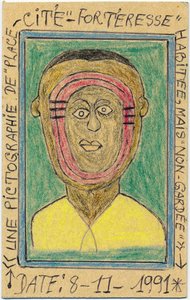
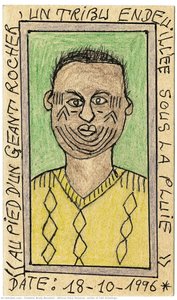
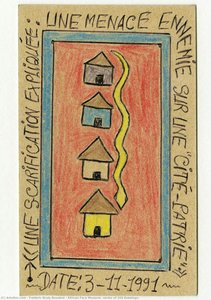
Biografía del artista
A Life of Artistic Innovation and Cultural Preservation
Frédéric Bruly Bouabré (1923 – 2014), born in Zéprocaguého, Ivory Coast, stands as a monumental figure in Ivorian art and beyond. His singular contribution lies in the creation of the Bété syllabary—a groundbreaking writing system for the Bété language—consisting of approximately 440 pictographic characters that vividly depict scenes from daily life, each meticulously representing a syllable. This remarkable achievement cemented his place as one of the most influential artists of the 20th century and continues to inspire discussions about visual communication and cultural heritage.Early Life and Inspiration
The genesis of Bouabré’s artistic journey began on March 11, 1948, when he experienced a profound epiphany: envisioning seven colorful suns encircling their maternal sun—a vision that would profoundly shape his creative process. Driven by this inspiration, he adopted the moniker “Cheik Nadro,” translating to “He who does not forget.” This motto encapsulated Bouabré’s unwavering dedication to documenting and preserving traditions, folklore, and artistic knowledge. He pursued diverse academic interests, compiling extensive research in manuscripts concerning arts, customs, poetry, tales, religion, and aesthetics—a testament to his intellectual curiosity and holistic approach to understanding the world around him.Notable Works and Achievements
Bouabré’s artistic output is characterized by a distinctive style rooted in Naive Art, marked by simplicity, directness, and an uncompromising commitment to observation. His most celebrated series, “The African Face Museum,” comprises 162 drawings that explore themes of identity, spirituality, and the human condition—each piece imbued with symbolic resonance and conveying profound emotional depth. However, Bouabré’s legacy transcends mere visual representation; it resides primarily in his creation of the Bété syllabary. Developed in the 1950s, this writing system represents a monumental feat of linguistic innovation, transforming the Bété language into a written form and safeguarding its cultural heritage for future generations. It stands as an unparalleled example of how art can serve as a vehicle for preserving traditions and fostering intellectual discourse.Influence and Recognition
Bouabré’s work garnered international acclaim, finding its way into prominent collections worldwide—including those showcased on ArtsDot.com. His artistic vision resonated deeply with scholars and artists alike, establishing him as a pivotal figure in contemporary art history. Furthermore, his dedication to cultural preservation earned him recognition as a champion of indigenous languages and traditions. The Bété syllabary continues to be studied and utilized by linguists and educators across Côte d’Ivoire and beyond—a lasting testament to Bouabré's enduring impact on the artistic landscape and intellectual discourse.Conclusion
Frédéric Bruly Bouabré’s life embodies the transformative potential of art—demonstrating how creative expression can simultaneously enrich our understanding of culture and inspire future generations with its unwavering spirit of innovation. His legacy persists through ArtsDot.com and other platforms dedicated to honoring his artistic achievements, ensuring that his visionary creations continue to captivate audiences and provoke contemplation for years to come.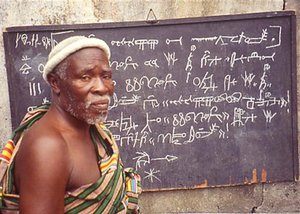
Frédéric Bruly Bouabré
1923 - 2014 , Côte d’Ivoire
Datos clave
- Artistic Movement Or Style: Arte Naïf
- Date Of Birth: 1923
- Date Of Death: 2014
- Full Name: Frédéric Bruly Bouabré
- Nationality: Ivorien
- Notable Artworks:
- El Museo Facial Africano (Serie de 162 dibujos)
- Celebridades (serie de 51 dibujos)
- Place Of Birth: Zéprocaguého, Côte d'Ivoire
Artículos relacionados

The Nuances of Graphite: Exploring Emotional Depth & Technical Mastery in Pencil Drawing
Explore the captivating world of graphite drawing! Discover its rich history, master essential techniques like chiaroscuro, and learn how artists evoke emotion through this timeless medium. Expert insights for art enthusiasts.
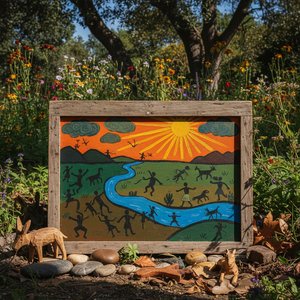
La Visión Indómita: Explorando el Arte Naïf y el Primitivismo como Rechazo a la Convención
Descubre el fascinante mundo del arte naïf y primitivismo. Explora su historia, artistas clave como Rousseau y Chagall, y su rebelde espíritu contra las convenciones artísticas. Análisis experto en ArtsDot.
The Enduring Power of Line: Exploring Themes & Techniques in Drawing Across Art History
Explore the rich history of drawing! Discover key techniques like linear perspective & iconic artists from the Renaissance to modern times. Enhance your art appreciation with ArtsDot.
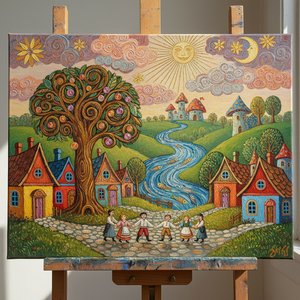
La Visión Inconvencional: Explorando el Arte Naïf y su Legado Duradero
Descubre el fascinante mundo del arte naïf: orígenes, artistas clave y su impacto en la historia del arte. Guía experta para coleccionistas y amantes del arte ingenuo.
Frederick Bridgman: Anatomical Mastery & the Evolution of Figure Drawing Instruction
Explore the anatomical mastery of George B. Bridgman & his revolutionary figure drawing techniques. Discover how his methods transformed art instruction and continue to inspire artists today. Learn more at ArtsDot.