 Ver en contexto
 Enviar
 Compartir
 Detalles

 Descargar
 Similares
 Radiografía
 Presentación de diapositivas
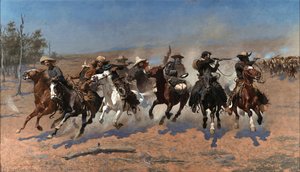
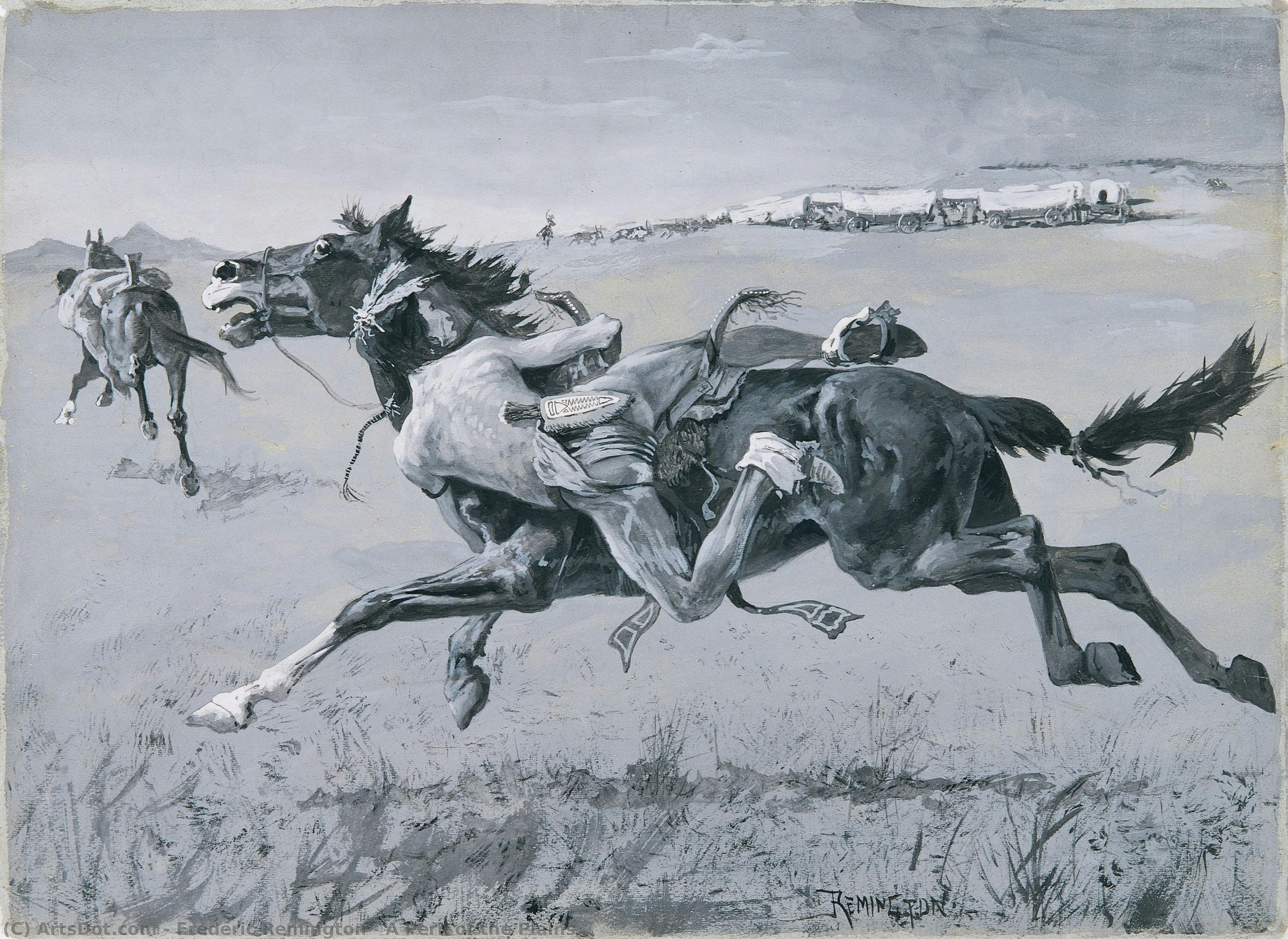
A Peril of the Plains


 Ver más
Reproducción al óleo hecha a mano
Óleo sobre lienzo pintado a mano en el tamaño y marco de su elección, realizado por encargo por nuestros artistas. ( Comprar impresión Comprar imagen)




P118B $10

P118H $10

P118W $10

P438Z $10

P508JH $12

P508YH $12

P805H $10

P805Z $10

P919BZ $10

P919G $10

P919XJ $10

P959ZH $10

P968JZ $12

W106C $8

W218G $10

W218JH $8

W218Y $10

W307PJ $10

W316G $10

W316PJ $8

W316Y $10

W398PJ $8

W4111J $10

W500HY $15

W500JH $15

W692G $12

W849H $8

W940BG $15

W953PJ $8




Elija entre nuestros tamaños predefinidos que respetan las proporciones originales de la obra.

Puede ingresar sus propias dimensiones para adaptarse a un marco o espacio específico. Si el tamaño seleccionado no coincide con las proporciones de la imagen original, recortaremos la obra o extenderemos la pintura con elementos adicionales pintados a mano. Se le enviará una maqueta digital para su aprobación antes de comenzar la producción.
Tenga en cuenta que la vista previa en pantalla no refleja el recorte o la extensión reales. Solo la maqueta mostrará con precisión la composición final.
Si bien existen tamaños personalizados, recomendamos seleccionar una dimensión de la lista predefinida para preservar las proporciones originales.
Tras realizar el pedido, el equipo de ArtsDot.com enviará un correo electrónico al cliente para solicitar instrucciones y proporcionarle una vista previa del boceto.
Envío a todo el mundo () en 3-4 semanas en lugar de las 5 semanas estándar. (4 septiembre). Sin comprometer la calidad.

Envío exprés gratuito a todo el mundo

Lienzo de lino de alta calidad

Seguro de envío total

Garantía de reembolso de impuestos aduaneros

Garantía de fidelidad cromática exacta

Política de devolución de 60 días (solo por defectos)

Garantía de devolución del 100% del dinero

Descuento por cantidad
 La opción de vidrio solo está disponible en tamaños inferiores a 110 cm.

A Peril of the Plains
Técnica de reproducción
Dimensiones de la reproducción
-


Precio total final
$ 263
The Raw Fury of the Frontier – A Visual Chronicle
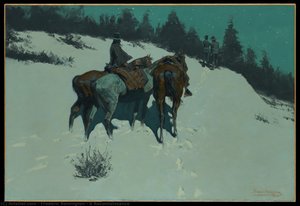
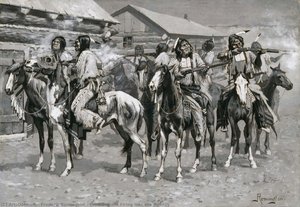
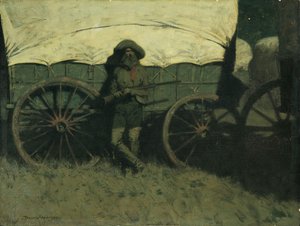
Frederic Remington's “A Peril of the Plains,” painted in 1890, isn’t merely a depiction of a cavalry charge; it’s a visceral embodiment of the American West at a pivotal moment. Born from Remington’s deep fascination with the vanishing frontier and his own Eastern roots, this oil painting transcends simple illustration to become a powerful statement on conflict, courage, and the brutal realities of westward expansion. The scene unfolds with an almost frenetic energy – horses erupt in a chaotic ballet of dust, muscle, and desperate action, while riders are flung from their mounts amidst a swirling maelstrom of chaos. It’s a landscape saturated not with beauty, but with the raw, untamed spirit of the American West.
Remington's artistic journey began far removed from the dusty trails he so vividly captured. He was born in Canton, New York, a descendant of French Basque immigrants and connected to the Remington Arms dynasty through distant cousins. This unlikely lineage—a blend of Eastern refinement and frontier heritage—shaped his unique perspective, allowing him to both romanticize and critically examine the West’s transformation. His early exposure to military themes, fueled by his father's Civil War service, provided a foundation for his later depictions of cavalry life.
A Study in Muted Drama – Technique and Style
The painting’s impact is immediately striking due to its deliberate restraint. Remington eschews the bright colors often associated with frontier scenes, opting instead for a predominantly muted palette dominated by shades of grey, white, ochre, and brown. This monochromatic approach amplifies the sense of urgency and chaos, drawing the viewer directly into the heart of the action. The brushstrokes are visible and assertive, lending a palpable texture to the scene – you can almost feel the grit of the dust and the heat radiating from the horses’ bodies. Remington masterfully employs a flattened perspective, compressing the space and intensifying the feeling of movement. This technique, combined with his skillful use of light and shadow, creates an illusion of immediacy, as if we are witnessing the event unfold before our eyes.
The painting's medium – oil on canvas – contributes significantly to its dramatic effect. The layering of paint builds up a rich surface texture, emphasizing the roughness and physicality of the subject matter. Remington’s attention to detail is remarkable, particularly in capturing the horses’ musculature and the riders’ postures—each figure rendered with a sense of raw power and vulnerability. The composition itself is carefully constructed, guiding the viewer's eye through the swirling chaos towards the central point of conflict.
Symbolism and the Vanishing West
Beyond its immediate depiction of a cavalry charge, “A Peril of the Plains” carries deeper symbolic weight. The horses, undeniably powerful symbols of military might and American expansion, are depicted in a state of controlled frenzy – their movements reflecting both aggression and desperation. The riders, similarly, embody leadership and conflict, yet also display moments of vulnerability and uncertainty. Remington’s work often grappled with the complex relationship between settlers and Native Americans, and while this painting doesn't explicitly address that dynamic, it certainly reflects the broader anxieties surrounding westward expansion and the displacement of indigenous populations.
Remington himself was acutely aware of the West’s changing landscape. His art served as a chronicle of a vanishing world—a poignant reminder of a time when cowboys, Native Americans, and frontier life held sway. “A Peril of the Plains” captures this sense of loss and transition with remarkable sensitivity, offering a glimpse into a bygone era and prompting reflection on the enduring legacy of the American West.
Bringing the Frontier Home – Reproduction and Legacy
Today, reproductions of "A Peril of the Plains" continue to resonate with audiences worldwide. ArtsDot offers high-resolution digital prints that faithfully capture the painting’s dramatic intensity and nuanced details. Whether adorning a grand salon or a rustic lodge, this iconic image serves as a powerful reminder of the West's rugged beauty and its complex history. Consider commissioning a custom reproduction to perfectly complement your space – allowing you to experience the raw emotion and timeless appeal of Frederic Remington’s masterpiece in stunning detail.
Obras relacionadas
Biografía del artista
Primeros Años y Educación
- Nacimiento y Familia: Frederic Sackrider Remington nació el 4 de octubre de 1861 en Canton, Nueva York. Su familia tenía ascendencia vasca francesa.
- Influencia Militar: Su padre, Coronel Seth Pierrepont Remington, propietario de una ferretería y veterano de la Guerra Civil, influyó significativamente en su vida temprana. La exposición a temas militares más tarde daría forma a su arte.
- Educación Temprana: Asistió al Instituto Episcopal de Vermont, una escuela militar donde comenzó a dibujar. Posteriormente se trasladó a otra academia militar, pero finalmente persiguió el arte en lugar de una carrera militar debido a la falta de enfoque.
Carrera Artística y Estilo
- Primeras Ilustraciones: Su primera ilustración publicada fue un caricatura para el Yale Courant, demostrando una aptitud temprana para representar escenas de acción.
- Enfoque en el Oeste: Un viaje crucial a Montana en 1881 despertó su fascinación por el Oeste americano, convirtiéndose en el tema central de su carrera artística.
- Temática: Su obra presentaba prominentemente vaqueros, nativos americanos y la Caballería estadounidense, capturando el espíritu y los desafíos de la vida fronteriza.
- Estilo Artístico: Remington desarrolló un estilo distintivo caracterizado por composiciones dinámicas, pinceladas enérgicas y un enfoque en el realismo mezclado con un toque dramático. A menudo utilizaba bocetos rápidos para capturar movimiento y emoción.
Obras Notables y Logros
- Pinturas Destacadas: Varias obras se destacan como ejemplos significativos de su talento:
- Mi Ranch – Muestra el estilo único de Remington y su perspectiva sobre el Oeste.
- Esperando a la luz de la luna – Demuestra su habilidad para capturar la esencia del Oeste americano a través de imágenes evocadoras.
- Ridden Down (1905) - Una poderosa representación de un ataque de caballería.
- The Long-Horn Cattle Sign (1908) – Captura la vitalidad de la vida del vaquero.
- Ilustraciones y Escultura: Más allá de la pintura, Remington también fue un prolífico ilustrador para revistas como Harper's Weekly y Collier’s. También creó esculturas, demostrando aún más su versatilidad artística.
- Reconocimiento: Su trabajo obtuvo un amplio reconocimiento durante su vida, estableciéndolo como una figura destacada en el arte del Oeste americano.
Legado e Influencia
- Impacto en el Arte del Oeste: Las contribuciones de Frederic Remington a la representación del Oeste americano son innegables. Ayudó a definir el género y popularizó imágenes de vaqueros, nativos americanos y vida fronteriza.
- Influencia en Otros Artistas: Su trabajo inspiró a numerosos artistas, incluyendo a N.C. Wyeth y Zane Grey.
- Museo Frederic Remington: El Museo Frederic Remington en Ogdensburg, Nueva York, preserva su legado a través de una extensa colección de pinturas, bocetos y esculturas.
- Significado Histórico: El arte de Remington proporciona valiosos conocimientos sobre la historia, la cultura y la mitología del Oeste americano durante un período de cambio y conflicto significativos. Sus representaciones, aunque a veces romantizadas, ofrecen una visión de una era crucial en la historia estadounidense.
Últimos Años y Fallecimiento
- Producción Artística Continua: Remington continuó produciendo arte prolíficamente hasta su muerte.
- Deterioro de la Salud: En 1909, sufrió apendicitis mientras estaba en una asignación en Florida.
- Fallecimiento: Frederic Remington murió el 26 de octubre de 1909, en Bronxville, Nueva York, a la edad de 48 años. Su legado como un artista estadounidense significativo continúa inspirando y cautivando al público hoy en día.
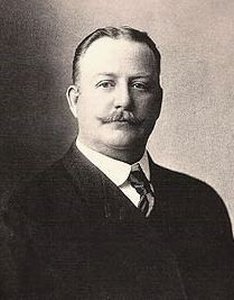
Frederic Remington
1861 - 1909 , Estados Unidos de América
Datos clave
- Artistas Influenciados:
- N. C. Wyeth
- Zane Grey
- Fecha De Fallecimiento: 26 de diciembre de 1909
- Fecha De Nacimiento: 4 de octubre de 1861
- Lugar De Nacimiento: Canton, Estados Unidos
- Movimiento Artístico: Realismo pictórico
- Nacionalidad: Estadounidense
- Nombre Completo: Frederic Sackrider Remington
- Obras Notables:
- Mi Rancho
- Esperando a la luz de luna
- Ridden Down
- The Long-Horn Cattle Sign
- El Trooper
- La señal de humo
Artículos relacionados
Grant Wood & American Regionalism: Identity, Myth & the Rural Landscape
Explore the world of Grant Wood & American Regionalism with ArtsDot. Discover the symbolism behind 'American Gothic', recurring themes, and the movement's lasting impact on art history. High-quality reproductions available.
Realismo Estadounidense: 10 Obras Maestras que Cambiaron el Arte y la Decoración
Descubre 10 obras maestras del Realismo Estadounidense: Winslow Homer, Edward Hopper y más. Explora la historia, técnica y emoción de estos icónicos cuadros. Encuentra reproducciones de arte de museo en ArtsDot.com.
Regionalismo Americano: Un Crisol de Identidad en el Arte y la Sociedad
Explora el Regionalismo Americano: su historia, artistas clave como Benton y Wood, y su profundo compromiso con la sociedad de la Gran Depresión. Un análisis exhaustivo para amantes del arte.
Ecos del Lugar: Regionalismo e Identidad Americana en el Arte Entre Guerras
Descubra el Regionalismo americano: un movimiento artístico que capturó la esencia de la identidad rural y la vida en Estados Unidos entre guerras. Análisis experto, obras clave y legado cultural.
Harper's Weekly & the Anonymous Hand: Artistic Identity in 19th-Century America
Explore the fascinating world of Harper's Weekly & its often-anonymous artists! Discover Winslow Homer, Thomas Nast, and the impact of 19th-century illustration on American visual culture. A deep dive for art history enthusiasts.