 Vista previa
 Compartir
 Compartir
 Ver detalles

 Descargar
 Ver similares
 Radiografía
 Presentación de diapositivas
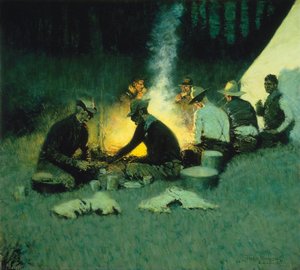
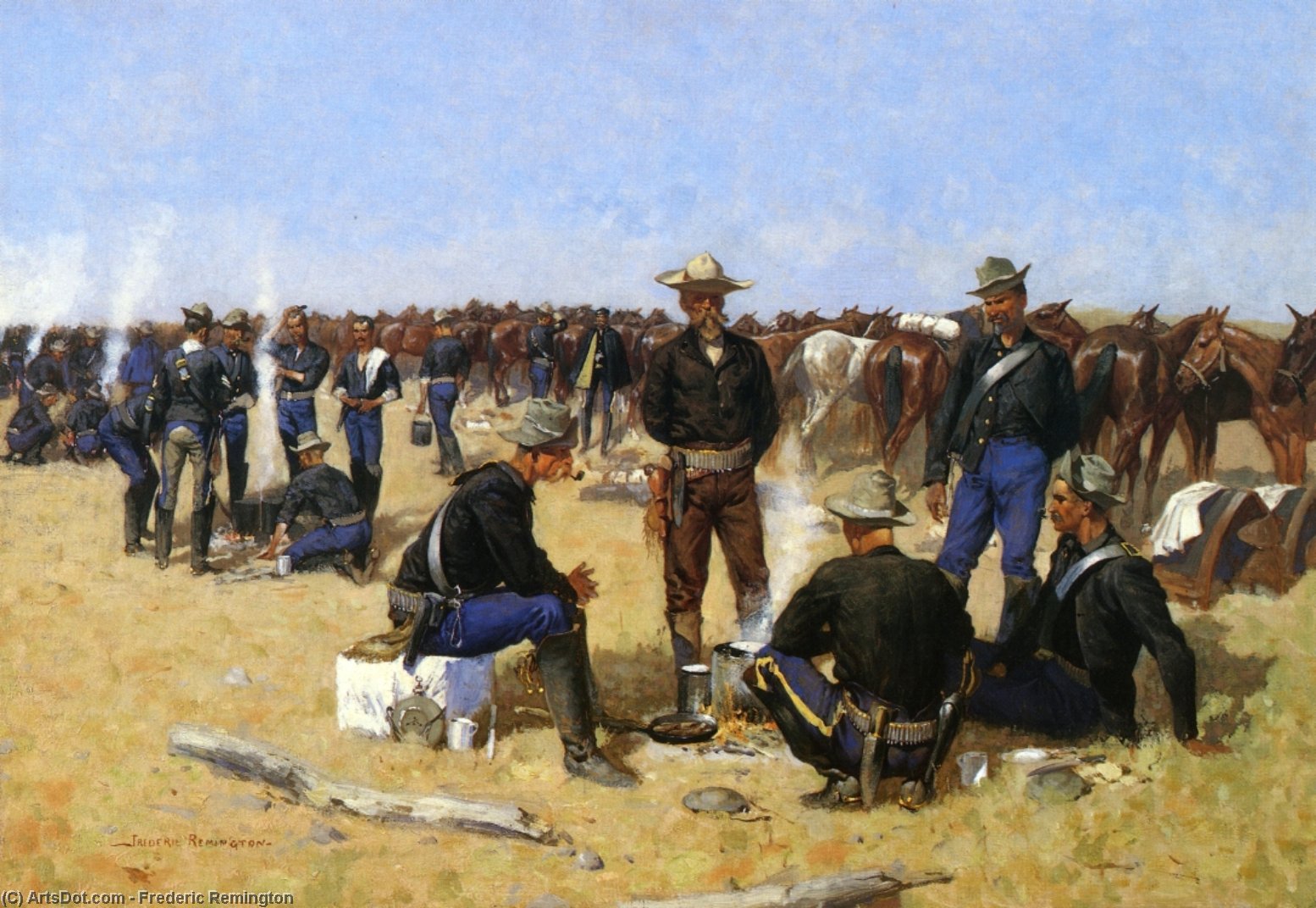
El desayuno de un caballerizo en las llanuras
 Óleo sobre lienzo
- Arte de pared
- Pintura del Oeste Americano
 1892
1892 Amon Carter Museo de Arte Estadounidense
 Leer más
Reproducción al óleo hecha a mano
Óleo sobre lienzo pintado a mano en el tamaño y marco de su elección, realizado por encargo por nuestros artistas. ( Pedir impresión Comprar descarga)




P118B $10

P118H $10

P118W $10

P438Z $10

P508JH $12

P508YH $12

P805H $10

P805Z $10

P919BZ $10

P919G $10

P919XJ $10

P959ZH $10

P968JZ $12

W106C $8

W218G $10

W218JH $8

W218Y $10

W307PJ $10

W316G $10

W316PJ $8

W316Y $10

W398PJ $8

W4111J $10

W500HY $15

W500JH $15

W692G $12

W849H $8

W940BG $15

W953PJ $8




Elija entre nuestros tamaños predefinidos que respetan las proporciones originales de la obra.

Puede ingresar sus propias dimensiones para adaptarse a un marco o espacio específico. Si el tamaño seleccionado no coincide con las proporciones de la imagen original, recortaremos la obra o extenderemos la pintura con elementos adicionales pintados a mano. Se le enviará una maqueta digital para su aprobación antes de comenzar la producción.
Tenga en cuenta que la vista previa en pantalla no refleja el recorte o la extensión reales. Solo la maqueta mostrará con precisión la composición final.
Si bien existen tamaños personalizados, recomendamos seleccionar una dimensión de la lista predefinida para preservar las proporciones originales.
Tras realizar el pedido, el equipo de ArtsDot.com enviará un correo electrónico al cliente para solicitar instrucciones y proporcionarle una vista previa del boceto.
Envío a todo el mundo () en 3-4 semanas en lugar de las 5 semanas estándar. (22 agosto). Sin comprometer la calidad.

Envío exprés gratuito a todo el mundo

Lienzo de lino de alta calidad

Seguro de envío completo

Garantía de reembolso de aranceles aduaneros

Garantía de fidelidad cromática exacta

Política de devolución de 60 días (solo por defectos)

Garantía de devolución del 100% del dinero

Oferta por volumen
 La opción de vidrio solo está disponible en tamaños inferiores a 110 cm.

El desayuno de un caballerizo en las llanuras
Técnica de reproducción
Tamaño de la reproducción
-


Precio total
$ 263
Descripción de la obra
A Cavalryman’s Breakfast – A Moment of Quiet Strength on the Frontier
Frederic Remington's “A Cavalryman’s Breakfast on the Plains,” painted in 1892, isn’t merely a depiction of soldiers enjoying a meal; it’s a carefully constructed tableau brimming with the spirit and complexities of the American West. This oil-on-canvas masterpiece, now residing within the Amon Carter Museum of American Art in Fort Worth, offers a poignant glimpse into the daily lives of the U.S. Cavalry during the late 19th century – a time of expansion, conflict, and profound cultural shifts.
Remington, already establishing himself as a leading chronicler of this rapidly changing landscape, masterfully captures a seemingly simple scene. The composition is remarkably balanced, drawing the eye to the central group of cavalrymen gathered around a crackling campfire. Their faces, etched with weariness and camaraderie, tell stories of long days patrolling vast territories, facing unpredictable weather, and navigating the challenges of frontier life. Notice how Remington subtly contrasts the ruggedness of their uniforms – the heavy boots, thick coats, and weathered leather – with the warmth emanating from the fire and the shared intimacy of their meal.
The Brushstrokes of a Pioneer
Remington’s artistic style is immediately recognizable: bold, dynamic brushwork that conveys movement and energy. He doesn't shy away from depicting the textures of the scene – the rough bark of the trees, the worn fabric of the uniforms, the flickering flames of the campfire. The artist employs a technique known as *chiaroscuro*, skillfully manipulating light and shadow to create depth and drama. The warm glow of the fire illuminates the faces of the soldiers, while the surrounding darkness hints at the vastness and potential dangers of the plains. This masterful use of light not only adds visual interest but also subtly underscores the scene’s emotional core – a sense of vulnerability amidst an expansive, sometimes unforgiving, environment.
Beyond simple realism, Remington imbues his work with a strong narrative voice. The inclusion of the figures in the background—a small group observing the cavalrymen—suggests a broader community, perhaps a Native American tribe or settlers, adding another layer to the story. The painting isn’t just about breakfast; it's about connection, resilience, and the shared experience of life on the frontier.
A Window into the West – Remington’s Legacy
Frederic Remington (1861-1909) was more than just an artist; he was a cultural interpreter. Born in Canton, New York, far from the landscapes he would later immortalize, Remington developed a deep fascination with the American West through his family’s connections to the Remington Arms Company and his own relentless curiosity. His paintings, often depicting cowboys, Native Americans, and the U.S. Cavalry, played a significant role in shaping public perception of this era – though it's important to acknowledge that his portrayals sometimes reflected prevailing stereotypes of the time.
“A Cavalryman’s Breakfast on the Plains” stands as one of Remington’s most celebrated works, exemplifying his ability to capture both the grandeur and the quiet dignity of frontier life. It remains a powerful testament to the spirit of those who shaped the American West, inviting viewers to contemplate themes of community, survival, and the enduring allure of the open range. Reproductions of this iconic painting offer a beautiful way to bring a piece of this captivating era into your home or office – a reminder of a time when courage, resilience, and a shared meal could define an entire culture.
Obras relacionadas
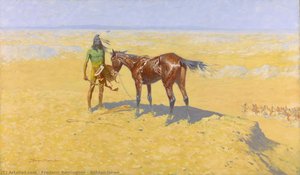
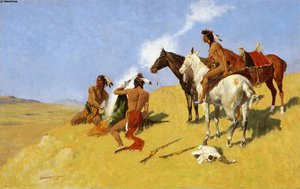
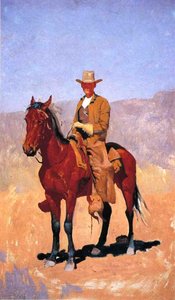
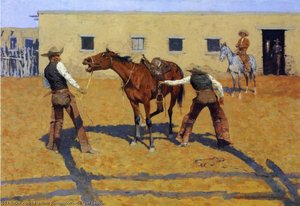
Biografía del artista
Primeros Años y Educación
- Nacimiento y Familia: Frederic Sackrider Remington nació el 4 de octubre de 1861 en Canton, Nueva York. Su familia tenía ascendencia vasca francesa.
- Influencia Militar: Su padre, Coronel Seth Pierrepont Remington, propietario de una ferretería y veterano de la Guerra Civil, influyó significativamente en su vida temprana. La exposición a temas militares más tarde daría forma a su arte.
- Educación Temprana: Asistió al Instituto Episcopal de Vermont, una escuela militar donde comenzó a dibujar. Posteriormente se trasladó a otra academia militar, pero finalmente persiguió el arte en lugar de una carrera militar debido a la falta de enfoque.
Carrera Artística y Estilo
- Primeras Ilustraciones: Su primera ilustración publicada fue un caricatura para el Yale Courant, demostrando una aptitud temprana para representar escenas de acción.
- Enfoque en el Oeste: Un viaje crucial a Montana en 1881 despertó su fascinación por el Oeste americano, convirtiéndose en el tema central de su carrera artística.
- Temática: Su obra presentaba prominentemente vaqueros, nativos americanos y la Caballería estadounidense, capturando el espíritu y los desafíos de la vida fronteriza.
- Estilo Artístico: Remington desarrolló un estilo distintivo caracterizado por composiciones dinámicas, pinceladas enérgicas y un enfoque en el realismo mezclado con un toque dramático. A menudo utilizaba bocetos rápidos para capturar movimiento y emoción.
Obras Notables y Logros
- Pinturas Destacadas: Varias obras se destacan como ejemplos significativos de su talento:
- Mi Ranch – Muestra el estilo único de Remington y su perspectiva sobre el Oeste.
- Esperando a la luz de la luna – Demuestra su habilidad para capturar la esencia del Oeste americano a través de imágenes evocadoras.
- Ridden Down (1905) - Una poderosa representación de un ataque de caballería.
- The Long-Horn Cattle Sign (1908) – Captura la vitalidad de la vida del vaquero.
- Ilustraciones y Escultura: Más allá de la pintura, Remington también fue un prolífico ilustrador para revistas como Harper's Weekly y Collier’s. También creó esculturas, demostrando aún más su versatilidad artística.
- Reconocimiento: Su trabajo obtuvo un amplio reconocimiento durante su vida, estableciéndolo como una figura destacada en el arte del Oeste americano.
Legado e Influencia
- Impacto en el Arte del Oeste: Las contribuciones de Frederic Remington a la representación del Oeste americano son innegables. Ayudó a definir el género y popularizó imágenes de vaqueros, nativos americanos y vida fronteriza.
- Influencia en Otros Artistas: Su trabajo inspiró a numerosos artistas, incluyendo a N.C. Wyeth y Zane Grey.
- Museo Frederic Remington: El Museo Frederic Remington en Ogdensburg, Nueva York, preserva su legado a través de una extensa colección de pinturas, bocetos y esculturas.
- Significado Histórico: El arte de Remington proporciona valiosos conocimientos sobre la historia, la cultura y la mitología del Oeste americano durante un período de cambio y conflicto significativos. Sus representaciones, aunque a veces romantizadas, ofrecen una visión de una era crucial en la historia estadounidense.
Últimos Años y Fallecimiento
- Producción Artística Continua: Remington continuó produciendo arte prolíficamente hasta su muerte.
- Deterioro de la Salud: En 1909, sufrió apendicitis mientras estaba en una asignación en Florida.
- Fallecimiento: Frederic Remington murió el 26 de octubre de 1909, en Bronxville, Nueva York, a la edad de 48 años. Su legado como un artista estadounidense significativo continúa inspirando y cautivando al público hoy en día.
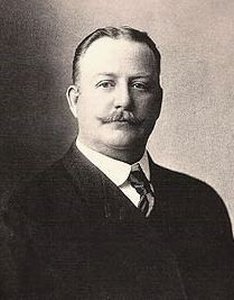
Frederic Remington
1861 - 1909 , Estados Unidos de América
Datos clave
- Artistas Influenciados:
- N. C. Wyeth
- Zane Grey
- Fecha De Fallecimiento: 26 de diciembre de 1909
- Fecha De Nacimiento: 4 de octubre de 1861
- Lugar De Nacimiento: Canton, Estados Unidos
- Movimiento Artístico: Realismo pictórico
- Nacionalidad: Estadounidense
- Nombre Completo: Frederic Sackrider Remington
- Obras Notables:
- Mi Rancho
- Esperando a la luz de luna
- Ridden Down
- The Long-Horn Cattle Sign
- El Trooper
- La señal de humo
Artículos relacionados

The Enduring Legacy of Oil on Canvas: Technique, History & Aesthetic Impact
Explore the rich history & techniques of oil painting – from Renaissance masters to Impressionism. Discover pigments, layering methods, and why this timeless medium endures. Expert insights for artists & art enthusiasts.

El Óleo sobre Lienzo: Historia, Técnica y la Persistencia de un Medio Artístico Atemporal
Descubre la historia y técnica del óleo sobre lienzo. Explora reproducciones fieles hechas a mano, personalización artística y consejos de expertos con ArtsDot. ¡Colecciona arte con confianza!
The Enduring Legacy of Oil Paint: Technique, History & Emotional Resonance in Western Art
Explore the rich history & techniques of oil painting! Discover Renaissance masters, scientific principles behind color, and emotional resonance in art. Learn about glazing, layering, and atmospheric perspective – a guide for enthusiasts & collectors.

The Enduring Power of Painting: A Historical & Contemporary Exploration of Form and Emotion
Explore the rich history & enduring techniques of oil painting with ArtsDot. Discover masterpieces, learn about art collecting, and find authentic handmade reproductions crafted by skilled artists.

El Legado Duradero del Óleo sobre Lienzo: Técnica, Historia y Práctica Contemporánea
Descubre la historia y técnica del óleo sobre lienzo. Explora reproducciones fieles hechas a mano, personalización artística y consejos de expertos con .