

 Ver en contexto
 Enviar
 Compartir
 Detalles

 Descargar
 Similares
 Radiografía
 Presentación de diapositivas

In a Village, El Biar, Algeria


 Ver más
Reproducción al óleo hecha a mano
Óleo sobre lienzo pintado a mano en el tamaño y marco de su elección, realizado por encargo por nuestros artistas. ( Comprar impresión Comprar imagen)




P118B $10

P118H $10

P118W $10

P438Z $10

P508JH $12

P508YH $12

P805H $10

P805Z $10

P919BZ $10

P919G $10

P919XJ $10

P959ZH $10

P968JZ $12

W106C $8

W218G $10

W218JH $8

W218Y $10

W307PJ $10

W316G $10

W316PJ $8

W316Y $10

W398PJ $8

W4111J $10

W500HY $15

W500JH $15

W692G $12

W849H $8

W940BG $15

W953PJ $8




Elija entre nuestros tamaños predefinidos que respetan las proporciones originales de la obra.

Puede ingresar sus propias dimensiones para adaptarse a un marco o espacio específico. Si el tamaño seleccionado no coincide con las proporciones de la imagen original, recortaremos la obra o extenderemos la pintura con elementos adicionales pintados a mano. Se le enviará una maqueta digital para su aprobación antes de comenzar la producción.
Tenga en cuenta que la vista previa en pantalla no refleja el recorte o la extensión reales. Solo la maqueta mostrará con precisión la composición final.
Si bien existen tamaños personalizados, recomendamos seleccionar una dimensión de la lista predefinida para preservar las proporciones originales.
Tras realizar el pedido, el equipo de ArtsDot.com enviará un correo electrónico al cliente para solicitar instrucciones y proporcionarle una vista previa del boceto.
Envío a todo el mundo () en 3-4 semanas en lugar de las 5 semanas estándar. (25 agosto). Sin comprometer la calidad.

Envío exprés gratuito a todo el mundo

Lienzo de lino de alta calidad

Seguro de envío total

Garantía de reembolso de impuestos aduaneros

Garantía de fidelidad cromática exacta

Política de devolución de 60 días (solo por defectos)

Garantía de devolución del 100% del dinero

Descuento por cantidad
 La opción de vidrio solo está disponible en tamaños inferiores a 110 cm.

In a Village, El Biar, Algeria
Técnica de reproducción
Dimensiones de la reproducción
-


Precio total final
$ 263
Descripción de la obra
A Window into the Serenity of El Biar
In his 1889 masterpiece, In a Village, El Biar, Algeria, Frederick Arthur Bridgman invites the viewer to step through a portal of time and geography. The canvas unfolds upon a sun-drenched stone patio, where the heat of the North African day seems to soften into a gentle, rhythmic stillness. At the heart of this composition, three women are gathered in an intimate moment of shared connection, their presence anchoring the scene with a profound sense of tranquility. One woman, draped in a vibrant yellow dress that catches the light like a burst of citrus, gazues thoughtfully toward the periphery, while her companions—clad in soft whites and delicate pinks—engage in a quiet, melodic conversation. The arrangement of these figures around a table adorned with a floral vase creates a domestic tableau that feels both deeply personal and universally relatable, capturing the quiet dignity of everyday life.
Bridgman’s technical mastery is on full display through his sophisticated use of oil on canvas, a medium he utilized to weave rich textures and luminous colors into a cohesive narrative. The artist employs a brilliant interplay of light and shadow to define the architectural elements of the Algerian village; the cool shade of an inviting archway provides a striking contrast to the sun-lit patio, drawing the eye deeper into the courtyard where other figures linger in the distance. His brushwork is meticulous, particularly in the intricate patterns of the women's garments and the weathered grain of the stone architecture, yet there remains a painterly fluidity that prevents the detail from feeling static. This balance between academic precision and atmospheric softness allows the viewer to feel the warmth of the sun and the gentle breeze moving through the lush greenery of the potted plants.
The Orientalist Vision and Lasting Legacy
As a prominent figure in the Orientalist movement, Bridgman brought an American sensibility to the academic traditions he refined in Paris under the legendary Jean-Léon Gérôme. This painting serves as more than just a scenic depiction; it is a cultural window into the late 19th-century Maghreb, reflecting the artist's fascination with the exoticism and structural beauty of foreign lands. Through his lens, Algeria is not merely a subject of study but a living, breathing landscape of social harmony and aesthetic splendor. The symbolism of the blooming flowers and the communal gathering suggests themes of fertility, peace, and the enduring strength of community traditions.
For the discerning collector or interior designer, In a Village, El Biar, Algeria offers an unparalleled opportunity to introduce a sense of historical depth and worldly elegance into a living space. The painting’s warm palette and tranquil subject matter make it a versatile centerpiece, capable of anchoring a room with its sophisticated charm. Whether displayed in a sunlit gallery or a quiet study, a high-quality reproduction of this work serves as a continuous conversation piece—a testament to the beauty of human connection and the timeless allure of the Mediterranean spirit. Owning such a piece is not merely about decorating a wall; it is about preserving a fragment of art history that continues to inspire wonder and repose.
Obras relacionadas


Biografía del artista
Primeros años y formación
Frederick Arthur Bridgman, un artista estadounidense, nació el 10 de noviembre de 1847 en Tuskegee, Alabama. Como hijo de un médico, la vida temprana de Bridgman se caracterizó por un fuerte énfasis en la educación. Comenzó su viaje artístico como dibujante en Nueva York para la Compañía Americana de Impresión de Bancos (1864-65). Este período fue seguido por estudios en la Asociación de Arte de Brooklyn y la Academia Nacional de Diseño.Influencias parisinas
En 1866, Bridgman viajó a París, donde ingresó al estudio de Jean-Léon Gérôme, un reconocido pintor académico. La influencia de Gérôme en Bridgman fue profunda, moldeando su dibujo, acabado y interés en temas del Medio Oriente. Este período marcó el comienzo de la asociación de Bridgman con París, que se convertiría en su sede.Logros destacados en su carrera artística
- El funeral de un momia en el Nilo (1877), expuesto en el Salón de París, le valió a Bridgman la Cruz de la Legión de Honor. Esta pieza fue posteriormente comprada por James Gordon Bennett Jr. y donada al Museo Speed en Louisville, Kentucky.
- Un prolífico artista, su obra incluye una escena callejera en Argelia, notable por su significado biográfico e histórico, que presenta dos figuras masculinas sentadas en un entorno doméstico íntimo.
Legado y vida posterior
Bridgman mantuvo una conexión de por vida con Francia mientras disfrutaba de la popularidad en América. Una exposición individual con más de 400 cuadros en las galerías del Quinto Avenida de Nueva York (1890) y posteriormente en el Instituto de Arte de Chicago, con 300 obras, subrayó su éxito.- Ver las obras de Frederick Arthur Bridgman en ArtsDot
- Explore el movimiento artístico orientalista y su influencia en los artistas del siglo XIX.
- Descubra más sobre el estudio de Jean-Léon Gérôme y su impacto en el desarrollo del arte orientalista.
Obras notables y colecciones
- Un circo americano en Normandía
- Procesión del toro Apis (ahora en la Galería de Arte Corcoran, Washington, D.C.)
- Una dama rumana (en la Colección Temple, Filadelfia, Pensilvania)
Referencias
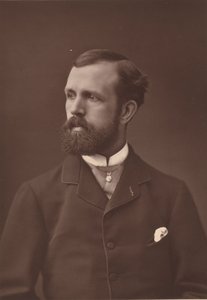
Frederick Arthur Bridgman
1847 - 1928 , Estados Unidos de América
Datos clave
- Artistas Que Influyeron: ['Jean-Léon Gérôme']
- Lugar De Nacimiento: Tuskegee, Estados Unidos
- Movimiento Artístico: Orientalismo, Academicismo
- Nacimiento: 10 de noviembre de 1847
- Nacionalidad: Estadounidense
- Nombre Completo: Frederick Arthur Bridgman
- Obras Notables:
- Procesión de una momia en el Nilo
- Escena callejera en Argelia
- Un circo americano en Normandía
- Procesión del toro Apis
- Una dama rumana
Artículos relacionados

The Enduring Legacy of Oil on Canvas: Technique, History & Aesthetic Impact
Explore the rich history & techniques of oil painting – from Renaissance masters to Impressionism. Discover pigments, layering methods, and why this timeless medium endures. Expert insights for artists & art enthusiasts.

The Enduring Power of Painting: A Historical & Contemporary Exploration of Form and Emotion
Explore the rich history & enduring techniques of oil painting with ArtsDot. Discover masterpieces, learn about art collecting, and find authentic handmade reproductions crafted by skilled artists.

El Óleo sobre Lienzo: Historia, Técnica y la Persistencia de un Medio Artístico Atemporal
Descubre la historia y técnica del óleo sobre lienzo. Explora reproducciones fieles hechas a mano, personalización artística y consejos de expertos con ArtsDot. ¡Colecciona arte con confianza!
The Enduring Muse: Women as Subject & Symbol in Art History
Explore the rich history of women in art – from iconic muses to groundbreaking artists. Discover feminist movements, global perspectives & reclaim female narratives with ArtsDot.
Portrayals of Power & Perception: A Historical Survey of Women in Art
Explore the rich history of women in art – from iconic muses to groundbreaking artists. Discover feminist movements & reclaim female narratives with ArtsDot. Expert insights for discerning collectors.

