

 Ver en contexto
 Enviar
 Compartir
 Detalles

 Descargar
 Similares
 Radiografía
 Presentación de diapositivas
 Stats
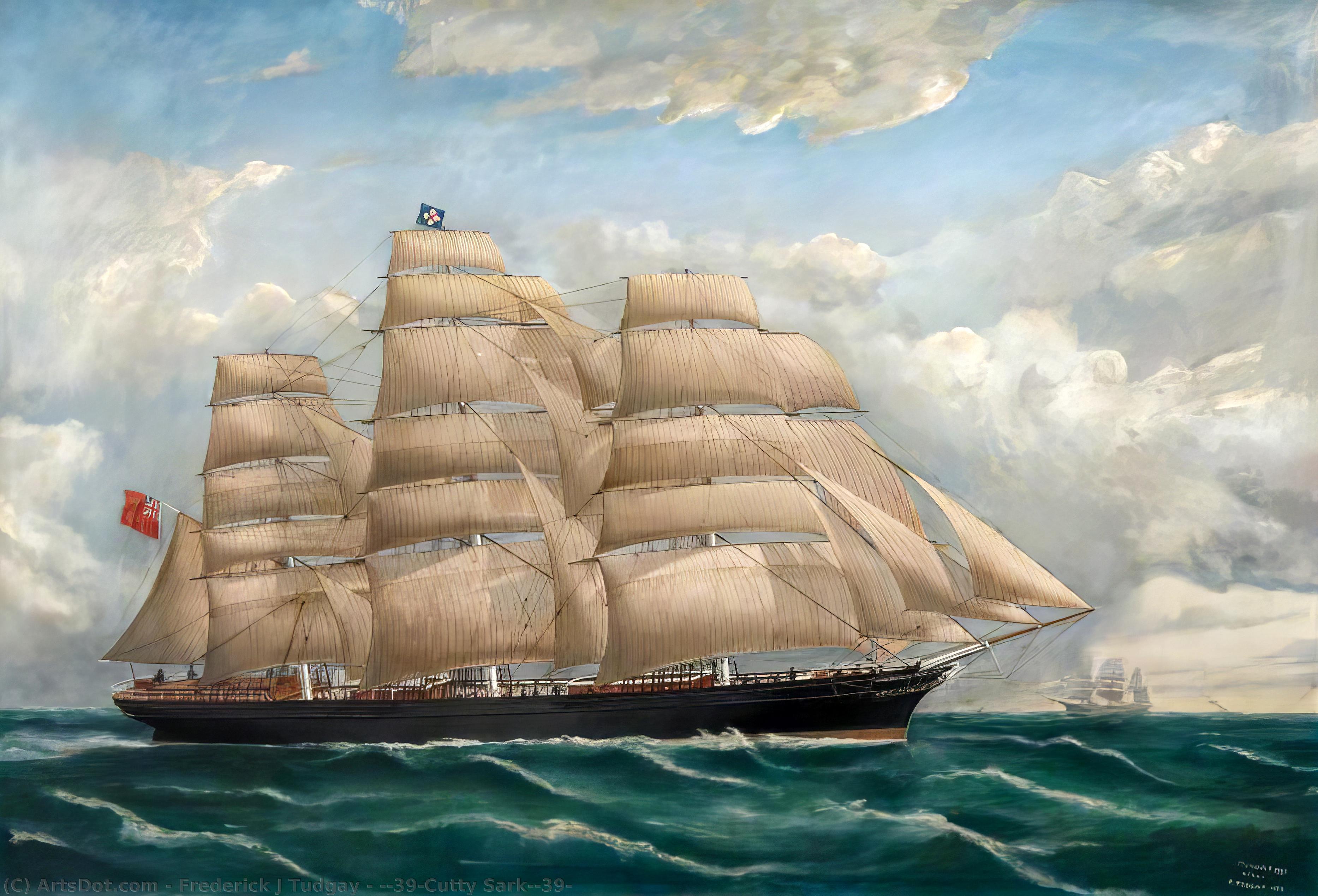
Stats'Cutty Sark'
 1872
1872 62.0 x 90.0 cm
 Clipper Ship Cutty Sark
 Ver más
Adquiera una imagen digital de alta resolución y optimizada, muy superior a la vista previa en línea.
Cada archivo es preparado meticulosamente por nuestros especialistas internos mediante el uso de herramientas avanzadas y un experto retoque manual. Nos aseguramos de que cada imagen posea una claridad excepcional, una precisión cromática impecable y un detalle minucioso.
El archivo final se entrega por correo electrónico en un plazo de 72 horas, optimizado para su uso inmediato en entornos profesionales, editoriales y de impresión. Esta es la misma calidad en la que confían los estudios de diseño, las editoriales y las galerías de primer nivel.
Imagen Digital
Descarga un archivo de alta resolución para exhibición personal, impresión y proyectos creativos. ( Switch to Print Comprar pintura hecha a mano)
Incluido en cada pedido de imágenes digitales
Entrega digital experta, garantizada.
Al elegir ArtsDot.com, no solo está adquiriendo una imagen; está recibiendo una obra de arte digital mejorada profesionalmente, elaborada con precisión y respaldada por una garantía de satisfacción. Esto es todo lo que incluye su pedido, automáticamente:

Entrega rápida por email
Recibirá su archivo de imagen digital en alta resolución por correo electrónico en un plazo de 72 horas tras realizar su pedido, listo para su uso inmediato.

Archivo digital optimizado por IA
Su obra de arte se optimiza profesionalmente mediante herramientas avanzadas de IA y edición manual, garantizando el máximo detalle, claridad y precisión cromática.

Reenvío gratuito de por vida
¿Has borrado o perdido tu archivo por error? No te preocupes: te lo volveremos a enviar en cualquier momento, sin coste adicional.

Sin gastos de importación, siempre
Disfrute de su obra de arte al instante sin aduanas, aranceles ni gastos de envío; las descargas digitales siempre están libres de impuestos.

Garantía de fidelidad de color
Garantizamos que su imagen digital refleje los colores originales con la mayor fidelidad posible, mediante el uso de herramientas profesionales y gestión del color.

Garantía de satisfacción de 100 días
Si no está satisfecho con su imagen digital, la revisaremos o le reembolsaremos el 100% en un plazo de 100 días, sin preguntas.

100% Garantía de devolución de dinero
¿No está satisfecho? Obtenga un reembolso completo dentro de los 100 días posteriores a la recepción de su archivo digital, sin preguntas.

Descuentos por pedidos grandes
Compra 3 imágenes, ahorra 10% - Compra 5, ahorra 15% - Compra 10+, ahorra 20%. Ideal para proyectos creativos, galerías y agencias.
Obras relacionadas









Biografía del artista
Frederick J. Tudgay: A Chronicle of the Seas
The maritime world of 19th-century Britain was a dynamic and vital one, fueled by trade, exploration, and a deep-seated fascination with the sea. Within this vibrant landscape emerged Frederick J. Tudgay (1841–1921), an artist whose meticulous depictions of Blackwall frigates, naval life, and historical shipping events have secured his place as a significant figure in British marine painting. More than simply recorders of vessels, Tudgays’ works offer intimate glimpses into a bygone era – a time of billowing sails, intricate rigging, and the ever-present drama of ocean voyages.
Tudgay's artistic journey began within a family steeped in seafaring tradition. Born in Limehouse, London—a bustling port district—he was immersed from an early age in the sights, sounds, and smells of maritime activity. His father, John Lashbrook Tudgay, was already established as a respected marine artist, and young Frederick’s training likely commenced within the family studio, a common practice for artists specializing in ship portraits. This familial apprenticeship wasn't merely about mastering brushstrokes; it encompassed an understanding of shipbuilding techniques, naval terminology, and the practical realities of life aboard a sailing vessel. The Tudgays’ workshop, situated near the docks, provided unparalleled access to a constant stream of ships – from grand East Indiamen to swift tea clippers – each offering a potential subject for their artistic endeavors.
The collaboration between Frederick and his father is a defining characteristic of their work. Many paintings bear the signature “J & F Tudgay,” indicating a shared creative process, particularly during the period following John’s death around 1865. Their most celebrated collaborative piece, "The Collision of the Palestine and the Progress" (1861), exemplifies their combined skill in capturing dramatic maritime events. The painting vividly portrays the chaos and intensity of a collision between two ships off the coast of Kent, meticulously detailing the damage to both vessels, the frantic efforts of rescue crews, and the turbulent sea conditions. Such works weren’t simply artistic representations; they often served as historical records commissioned by those involved or insurers, providing accurate depictions for insurance claims and serving as poignant reminders of the perils inherent in seafaring life.
The Tudgay Style: Precision and Detail
Frederick Tudgay's artistic style is immediately recognizable for its remarkable precision and attention to detail. Unlike looser, more impressionistic approaches prevalent at the time, Tudgays’ paintings are characterized by a rigorously observed realism. He meticulously rendered every element – from the intricate patterns of rigging to the subtle nuances of light reflecting off the water – creating images that feel remarkably authentic and immersive. This commitment to accuracy wasn't merely aesthetic; it reflected a deep understanding of maritime practices and a desire to faithfully document the ships and sailors of his era.
His paintings frequently adopt the “ship portrait” format, presenting vessels side-on—a technique that allowed him to showcase their full grandeur and complexity. However, Tudgays also produced dynamic scenes depicting ships battling storms or navigating busy waterways, demonstrating a versatility in composition and subject matter. A key element of his style is his masterful use of color – he employed subtle gradations of tone and hue to create a sense of depth and atmosphere, capturing the shifting light and shadows on the water’s surface with remarkable skill.
A Legacy of Maritime Portraits
Throughout the latter half of the 19th century, Tudgay continued to work as an independent artist, refining his technique and establishing himself as a leading figure in the field of maritime painting. His output spanned several decades, witnessing the gradual transition from sail to steam and the evolving design of naval vessels. His paintings are often signed “F. Tudgay,” reflecting his growing independence while retaining the hallmarks of his family’s established style.
Frederick J. Tudgay's legacy extends beyond his individual works; he represents a crucial link in the chain of British marine artists who documented the era of sail and shaped our understanding of maritime history. His meticulous depictions provide invaluable insights into shipbuilding, naval life, and the cultural significance of the sea – offering a tangible connection to a time when ships were not merely vessels but symbols of power, trade, and exploration.
Connections to Jock Willis Shipping Line
Tudgay’s artistic career was inextricably linked with the prominent Jock Willis Shipping Line, one of the most successful nineteenth-century London-based shipowning firms. The company commissioned numerous portraits of its vessels, providing Tudgay and his father with a steady stream of work and invaluable experience. The Tudgays' detailed renderings were highly valued by shipowners who sought accurate representations of their prized ships – a testament to their skill and reputation within the maritime community.
Specifically, the collaboration on “The Collision of the Palestine and the Progress” highlights this connection. The painting itself served as a record of a significant event involving one of Willis’ vessels, demonstrating the practical value of Tudgay's work for the company. Furthermore, the Tudgays’ involvement with the Jock Willis Shipping Line offered them access to a wealth of information about ship design, construction, and maritime practices – knowledge that undoubtedly informed their artistic output.
Historical Context and Significance
Frederick J. Tudgay's work is firmly rooted in the historical context of 19th-century Britain—an era defined by its dominance at sea. The rise of the British Empire was inextricably linked to maritime power, and ships played a central role in facilitating trade, projecting influence, and expanding knowledge. Tudgays’ paintings capture this dynamic period with remarkable fidelity, offering a visual record of a time when the seas were the arteries of global commerce and exploration.
His art reflects not only the technological advancements of the era—such as the increasing size and sophistication of sailing vessels—but also the evolving social attitudes towards the sea. The depiction of sailors in his paintings reveals both the hardships and the camaraderie inherent in seafaring life, while the grandeur of the ships themselves symbolizes the wealth and power of the British Empire. Tudgay’s work remains a valuable historical resource, providing insights into a pivotal period in British history and offering a lasting tribute to the men and vessels that shaped its maritime destiny.
frederick j tudgay
1841 - 1921
Breves datos
- Artistic Movement Or Style: Maritime painting
- Artists Or Movements Influenced By This Artist: ['British marine painting']
- Artists Who Influenced This Artist: ['John Tudgay (father)']
- Date Of Birth: 1841
- Date Of Death: 1921
- Full Name: Frederick J Tudgay
- Nationality: British
- Notable Artworks:
- The Collision of the Palestine
- Blackwall Frigates
- Naval Life Scenes
- Place Of Birth: Limehouse, London