 Ver en contexto
 Enviar
 Compartir
 Detalles

 Descargar
 Similares
 Radiografía
 Presentación de diapositivas
 Estadísticas
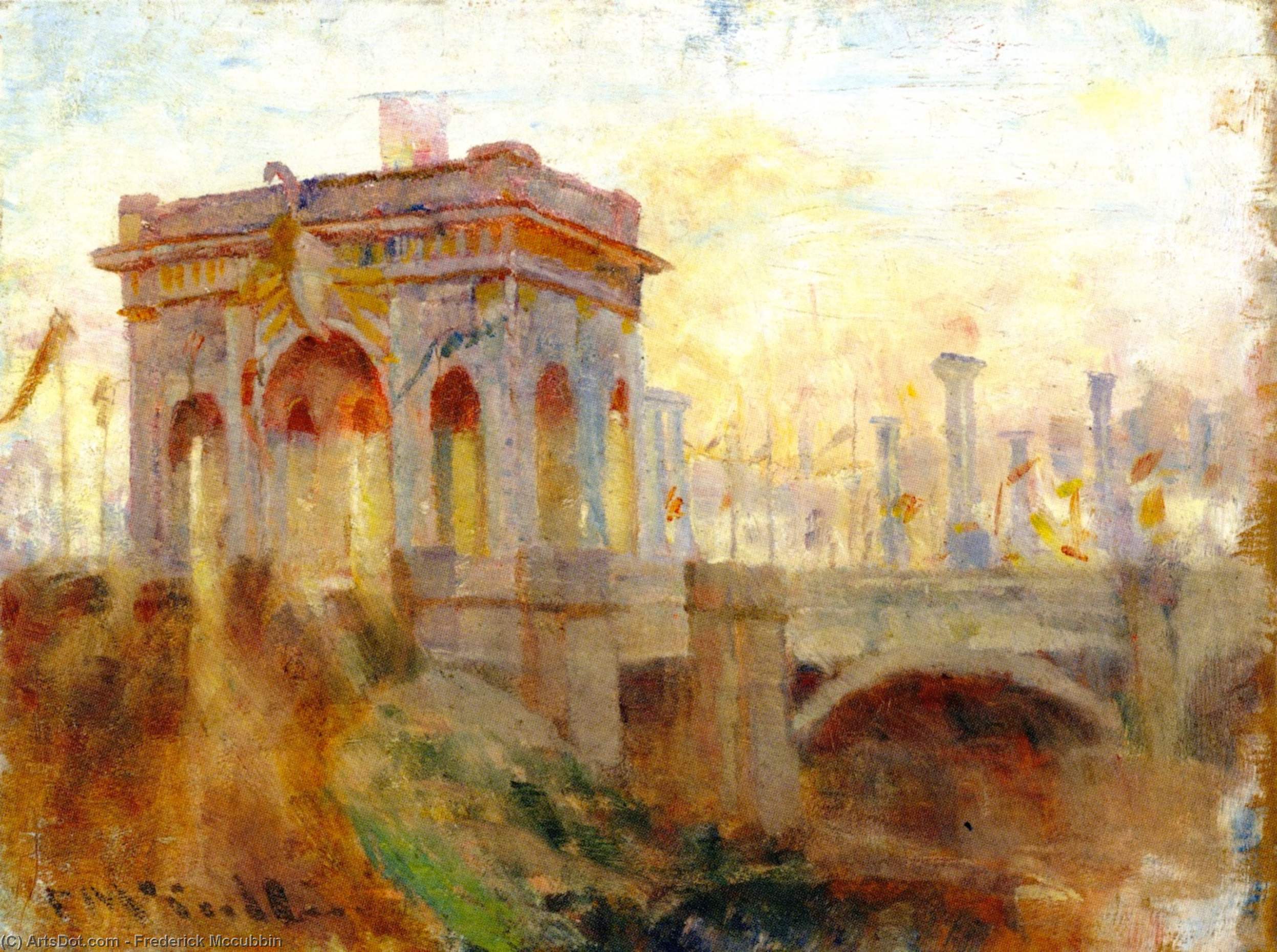
Triumphal Arch at Princes Bridge, Melbourne


 Ver más
Giclée / Impresión de arte
Impresiones giclée o en lienzo de calidad de museo con producción rápida y opciones de acabado flexibles. ( Comprar pintura hecha a mano Cambiar a imagen digital)




P118B $10

P118H $10

P118W $10

P438Z $10

P508JH $12

P508YH $12

P805H $10

P805Z $10

P919BZ $10

P919G $10

P919XJ $10

P959ZH $10

P968JZ $12

W106C $8

W218G $10

W218JH $8

W218Y $10

W307PJ $10

W316G $10

W316PJ $8

W316Y $10

W398PJ $8

W4111J $10

W500HY $15

W500JH $15

W692G $12

W849H $8

W940BG $15

W953PJ $8




Elija entre nuestros tamaños predefinidos que respetan las proporciones originales de la obra.

Puede introducir sus propias dimensiones para adaptarse a un marco o espacio específico. Si el tamaño seleccionado no coincide con las proporciones de la imagen original, recortaremos la obra de arte o extenderemos la imagen con un borde con efecto espejo o de color sólido. Se enviará una maqueta digital para su aprobación antes de que comience la producción.
Tenga en cuenta que la vista previa en pantalla no refleja el recorte o la extensión real. Solo la maqueta mostrará con precisión la composición final.
Aunque existen tamaños personalizados, recomendamos seleccionar una dimensión de la lista predefinida para preservar las proporciones originales.
Envío a todo el mundo () en 2 semanas en lugar de las 4/5 semanas estándar. (10 septiembre)

Envío exprés gratuito a todo el mundo

Lienzo de lino de alta calidad

Seguro de envío total

Garantía de reembolso de impuestos aduaneros

Garantía de fidelidad cromática exacta

Política de devolución de 100 días (solo por defectos)

Garantía de devolución del 100% del dinero

Descuento por cantidad
 La opción de vidrio solo está disponible en tamaños inferiores a 110 cm.

Triumphal Arch at Princes Bridge, Melbourne
Giclée / Impresión de arte
Dimensiones de la reproducción
-


Precio total final
$ 62
A Moment Frozen in Time: The Majesty of Melbourne
In the heart of a burgeoning nation at the dawn of the twentieth century, Frederick McCubbin captured a fleeting moment of architectural grandeur and urban serenity. Triumphal Arch at Princes Bridge, Melbourne is not merely a depiction of a structure; it is a soulful window into 1901, an era where the pulse of Australian identity was beating with newfound vigor. Through his masterful lens, the Triumphal Arch emerges as a monumental centerpiece, its stately columns and imposing silhouette anchoring the composition. McCubbin invites us to wander through this historical landscape, where the bridge serves as a literal and metaphorical connection between the bustling city life and the tranquil flow of time.
The scene is alive with the quiet rhythm of daily existence. Scattered throughout the frame, figures move with a gentle purpose, some lost in contemplation of the river's edge, others simply passing through the shadow of the arch. This delicate balance between the permanence of stone and the ephemeral nature of human movement creates a profound sense of peace. For the discerning collector or interior designer, this painting offers more than just visual beauty; it provides an atmosphere of nostalgic elegance, making it an ideal focal point for spaces that value heritage, stability, and a connection to the natural world.
The Impressionist Touch: Technique and Texture
As a prominent figure of the Heidelberg School, McCubbin utilized an impressionistic style that breathes life into every inch of the oil on panel. Rather than relying on rigid, clinical lines, he employed a technique characterized by visible, textured brushstrokes that capture the play of light and atmosphere. This method allows the viewer to perceive the subtle shifts in luminosity as it dances across the architectural surfaces and reflects off the surrounding environment. The use of oil on panel provides a rich, tactile depth, where the layering of pigment creates a sense of physical presence that a mere print could never replicate.
The artist’s ability to manipulate light is particularly striking in this work. He captures the soft, diffused glow characteristic of an Australian afternoon, casting gentle shadows that define the columns without obscuring the intricate details of the scene. This mastery of light and shadow—chiaroscuro in a more modern, impressionistic sense—imbues the painting with a three-dimensional quality. The texture of the paint itself adds a layer of sensory engagement, inviting the eye to linger on the ruggedness of the stone and the softness of the sky, ensuring that the artwork remains captivating from every angle.
An Enduring Legacy for the Modern Collector
Owning a piece that resonates with such historical weight is a rare opportunity. McCubbin’s work serves as a testament to the evolution of Australian landscape and urban art, bridging the gap between colonial tradition and modern impressionism. For those seeking to curate a collection of high-quality reproductions, this painting offers an unparalleled sense of prestige. It is a piece that speaks of resilience, beauty, and the enduring spirit of Melbourne.
Whether placed in a sophisticated study, a grand living room, or a curated gallery space, Triumphal Arch at Princes Bridge, Melbourne acts as a conversation starter. It brings with it a sense of historical continuity and an aesthetic of timelessness. To possess a hand-painted reproduction of this masterpiece is to hold a fragment of history, allowing the tranquil beauty and the monumental strength of McCubbin’s vision to grace your walls for generations to come.
Obras relacionadas
Biografía del artista
Frederick McCubbin: Pionero del Impresionismo Australiano
- Nacido: Melbourne, Australia (25 de febrero de 1855)
- Fallecido: 20 de diciembre de 1917
Frederick McCubbin se erige como una figura clave en la historia del arte australiano, reconocido por sus contribuciones al movimiento Heidelberg School y sus evocadoras representaciones de la vida australiana. Nacido en una familia de panaderos, su temprana vida estuvo marcada por diversas experiencias, desde trabajar como empleado de un abogado hasta repartir pan antes de dedicarse por completo a la pintura.
Vida Temprana y Formación Artística
- Educación Temprana: Asistió a la Escuela Común West Melbourne de William Willmett y a la Escuela St. Paul’s.
- Inicios Artísticos: Demostró una temprana aptitud para el dibujo, lo que llevó a breves períodos en varias profesiones antes de inscribirse en la Escuela de Diseño de la Galería Nacional de Victoria.
- Mentores: Estudió bajo artistas notables como Eugene von Guerard y George Folingsby, perfeccionando sus habilidades en la pintura de paisajes.
- Colaboración con Tom Roberts: Se formó una amistad crucial con el artista Tom Roberts, lo que llevó al establecimiento del Campamento Artístico de Box Hill en 1885, un pilar fundamental del movimiento Heidelberg School.
La Escuela Heidelberg y Narrativas Nacionales
- Movimiento Heidelberg School: McCubbin jugó un papel central en este movimiento artístico al aire libre, que buscaba capturar la esencia de la vida australiana y los paisajes.
- Enfoque en la Identidad Australiana: Sus obras de este período, como Down on His Luck (1889), On the Wallaby Track (1896) y The Pioneer (1904), son representaciones icónicas de la vida pionera y la interacción entre los colonos europeos y el bush australiano.
- Temas de Melancolía: Las pinturas de McCubbin a menudo exploraban temas de soledad, dificultad y los desafíos que enfrentaron los primeros colonos en un paisaje vasto e implacable.
Evolución del Estilo y Obras Posteriores
- Influencia Europea (1907): Un viaje a Europa lo expuso a las obras de J.M.W. Turner y los impresionistas franceses, lo que provocó un cambio hacia una pincelada más libre y colores más claros.
- Cambio en la Técnica: Sus pinturas posteriores demostraron un estilo más abstracto, evidente en obras como An Interior, que muchos críticos consideran entre sus logros artísticos más fuertes.
- Continuación de la Exploración de Temas: A pesar de los cambios estilísticos, McCubbin continuó explorando temas de identidad australiana y la condición humana.
Legado e Influencia
- Reconocimiento y Museos: Sus obras se encuentran en colecciones prestigiosas como la Galería Nacional de Victoria y la Art Gallery of Ballarat.
- Impacto en el Arte Australiano: La contribución de McCubbin a establecer una identidad artística australiana distintiva es innegable, influyendo en generaciones de artistas.
- Significado Duradero: Sigue siendo celebrado como uno de los pintores más importantes y queridos de Australia, cuyas obras continúan resonando con el público hoy en día.
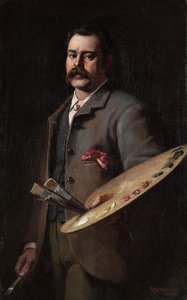
Frederick McCubbin
1855 - 1917 , Australia
Datos clave
- Artistas Que Influyeron:
- Eugene von Guerard
- Tom Roberts
- J. M. W. Turner
- Fecha De Fallecimiento: 20 de diciembre de 1917
- Fecha De Nacimiento: 25 de febrero de 1855
- Lugar De Nacimiento: Melbourne, Australia
- Movimiento Artístico: Heidelberg School/Impresionismo Australiano
- Nacionalidad: Australiano
- Nombre Completo: Frederick McCubbin
- Obras Notables:
- Down on His Luck
- On the Wallaby Track
- The Pioneer
Artículos relacionados

Evocations of Place: A Historical Journey Through Landscape Art
Explore the rich history of landscape art with ArtsDot. Discover renowned artists, movements like Impressionism & Romanticism, and expert guidance for collecting timeless pieces. Find your perfect serene escape today!

Paisajes Románticos: 10 Obras Maestras que Definieron un Movimiento Artístico
Descubre los 10 paisajes románticos más influyentes de artistas como Caspar David Friedrich y Turner. Explora la belleza, el simbolismo y las técnicas del movimiento romántico. Reproducciones de arte exclusivas en ArtsDot.com.
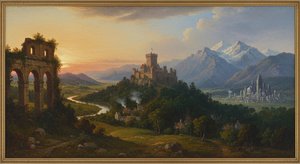
Evocations of Place: A Historical Journey Through Landscape Art
Explore the rich history of landscape art with ArtsDot. Discover renowned artists, movements like Impressionism & tonalism, and expert guidance for collecting timeless pieces. Find your perfect serene escape today!
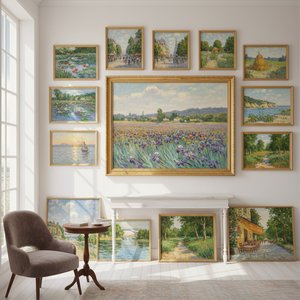
Los 10 Maestros del Paisaje Impresionista: Obras que Cambiaron la Historia del Arte
Descubre los 10 lienzos impresionistas que revolucionaron el arte. Explora la historia de Monet, Van Gogh y Renoir, sus técnicas y colores vibrantes. Encuentra reproducciones de alta calidad para decorar tu hogar en ArtsDot.com
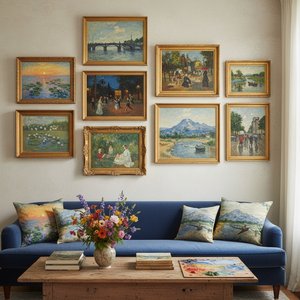
Los 10 Maestros del Paisaje Impresionista: Obras que Cambiaron la Historia del Arte
Descubre los 10 lienzos impresionistas que revolucionaron el arte. Monet, Renoir y más… Explora la historia, técnica y belleza de cada obra maestra. Encuentra reproducciones de alta calidad para tu hogar en ArtsDot.com.